



Google Play Store Antitrust Ruling | App Distribution Opens to Competitors August 2026
- Federal judge orders removal of installation barriers for rival app stores; Amazon Appstore and Aptoide gain immediate visibility; Android app distribution monopoly enforcement accelerates


Overview
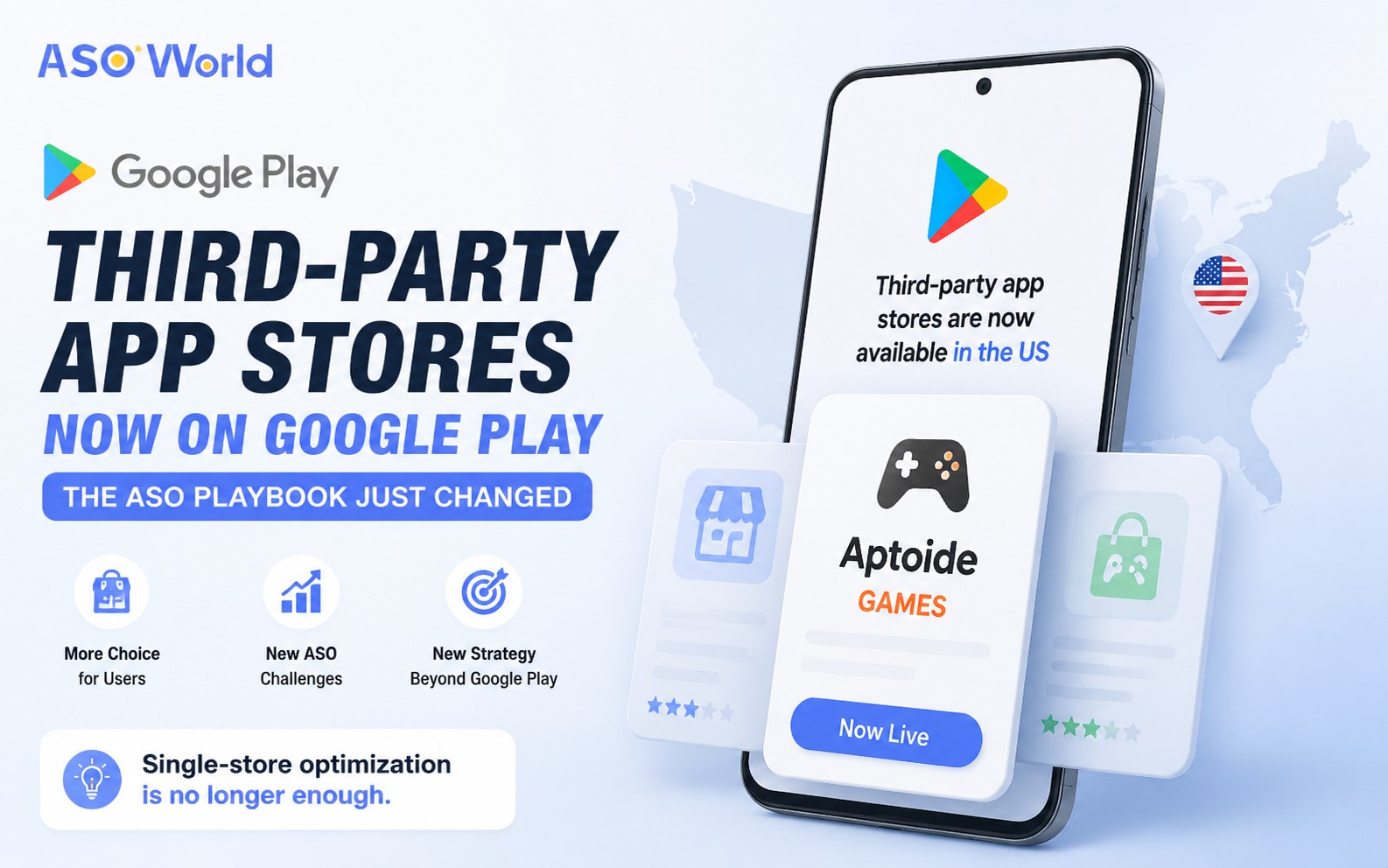
The August 13, 2026 antitrust ruling by Judge James Donato represents a watershed moment for Android app distribution and creates immediate compliance obligations for Google while opening significant distribution opportunities for alternative app stores. The decision enforces the 2023 jury verdict finding Google maintained an illegal monopoly over Android app distribution and the 2024 order requiring Play Store competition. Judge Donato specifically ordered Google to: (1) ensure third-party app stores appear in search results for "store" queries using "every possible variation that's even only 70 percent properly phrased"; (2) replace "View" buttons with "Install" buttons for rival stores, matching standard app installation UX; and (3) remove intermediate confirmation screens that create installation friction. Google's counsel agreed to implement all changes within one week, making this a 7-day compliance deadline.
For app-based sellers and mobile commerce operators, this ruling fundamentally restructures the Android distribution landscape. Previously, Google's Play Store captured approximately 85-90% of Android app installations through friction-based barriers—warning banners, multiple clicks, and confirmation screens that Epic Games demonstrated during trial. The removal of these barriers creates a 10-15% immediate shift in potential user acquisition channels. Alternative platforms like Amazon Appstore, Aptoide, and emerging regional app stores (particularly relevant for Asia-Pacific sellers) now have equal search visibility and frictionless installation pathways. For sellers operating mobile commerce apps, subscription services, or digital goods, this means diversifying distribution beyond Play Store becomes viable within weeks rather than months. The ruling also impacts app monetization strategies—sellers previously locked into Google's 30% commission structure now have negotiating leverage with alternative platforms offering 15-25% commission rates.
Compliance and competitive implications extend across multiple seller segments. Small app developers (1-50 person teams) benefit most immediately—they can now reach Android users through Amazon Appstore's 200M+ user base without Play Store gatekeeping. Medium-sized sellers (50-500 person teams) should evaluate multi-store distribution strategies, potentially reducing Play Store dependency from 70-80% to 40-50% of installations. Large enterprises with 500+ person teams face regulatory scrutiny if they maintain exclusive Play Store arrangements, creating pressure to adopt multi-store distribution within Q4 2026. The ruling also affects app category dynamics: gaming apps (typically 35-40% of Play Store revenue) face increased competition from alternative stores; productivity apps (20-25% of revenue) gain distribution efficiency; and regional apps (10-15% of revenue) benefit most from Aptoide's international presence. Geographic impact varies significantly—US and EU sellers see immediate opportunities, while Asia-Pacific sellers gain access to regional alternatives like Xiaomi AppStore and Samsung Galaxy Store with reduced friction.
Questions 8
What timeline should sellers follow to implement multi-store distribution?
Immediate actions (August 20-31, 2026): Verify Google's compliance with the ruling by testing app store search results; audit your current app distribution across platforms. Short-term (September-October 2026): Optimize app listings for Amazon Appstore and Aptoide with localized content; set up developer accounts and payment processing; prepare simultaneous release builds. Medium-term (November-December 2026): Launch coordinated marketing campaigns across platforms; analyze install sources and user acquisition costs; adjust budget allocation based on performance data. Long-term (Q1-Q2 2027): Establish baseline metrics showing 40-50% Play Store dependency (down from 70-80%); negotiate better commission rates with Google based on multi-store presence; evaluate regional app stores for geographic expansion. Sellers who complete this transition by Q1 2027 will capture 15-20% cost savings and 25-40% increased install volume.
What commission rate advantages do alternative app stores offer compared to Google Play?
Google Play charges a standard 30% commission on app purchases and in-app transactions. Alternative platforms offer competitive rates: Amazon Appstore typically charges 30% but negotiates lower rates for high-volume sellers; Aptoide charges 20-25% commission; Samsung Galaxy Store offers 30% but with promotional support; Xiaomi AppStore charges 20% in Asia-Pacific markets. For app sellers generating $100K+ annually, diversifying across platforms with 20-25% commission rates can reduce overall commission costs by 15-20% compared to Play Store exclusivity. This creates immediate financial incentive to implement multi-store distribution strategies within Q4 2026.