



European EV Boom vs North American Collapse | Critical Market Shift for Sellers
- Europe's 33% EV sales growth creates €4,500+ subsidy-driven demand surge; North America drops 27% post-tax credit elimination; sellers must urgently reallocate inventory from US to EU/emerging markets



:format(auto):focal(center))



Overview
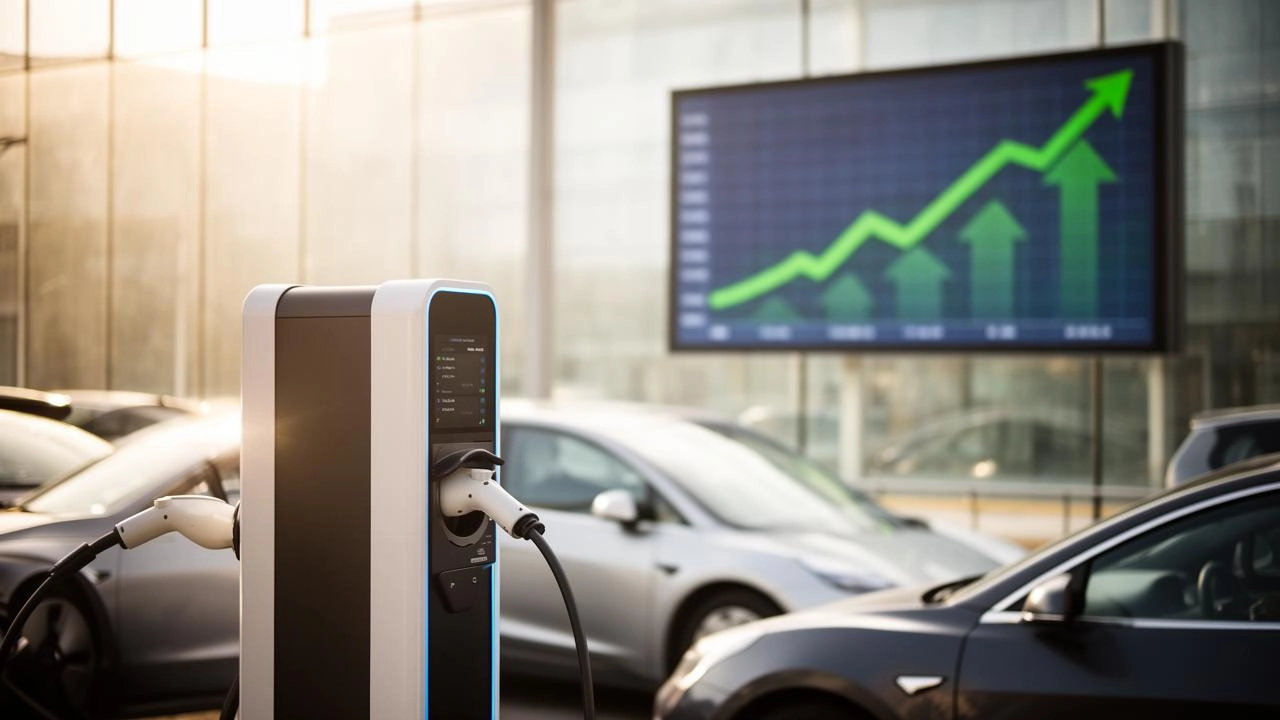
Global electric vehicle sales reached 1.85 million units in July 2026, marking a 9% year-over-year increase, but this headline masks a critical geographic divergence that demands immediate seller action. Europe emerged as the clear growth engine with 450,000 units sold in July—a 33% year-over-year surge—while North America experienced a devastating 27% decline to 140,000 units following the Trump administration's elimination of federal EV tax credits on September 30, 2025. This represents a fundamental market realignment with profound implications for cross-border e-commerce sellers in automotive accessories, EV components, and related product categories.
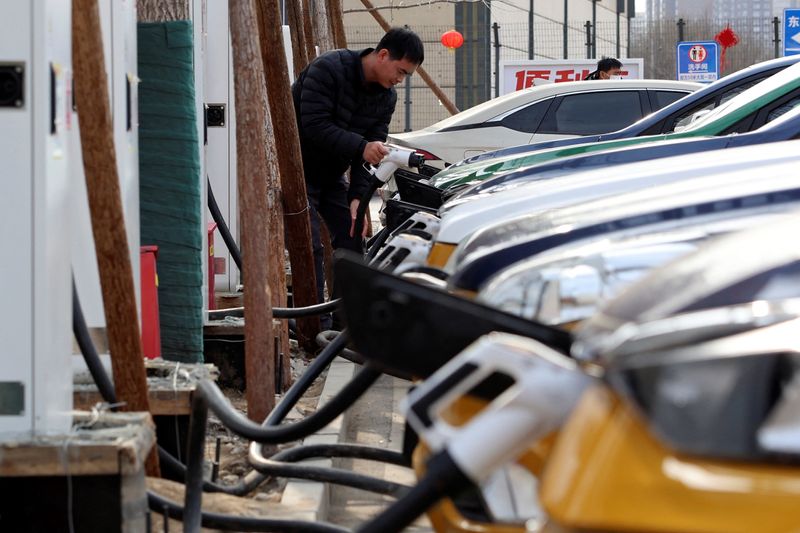
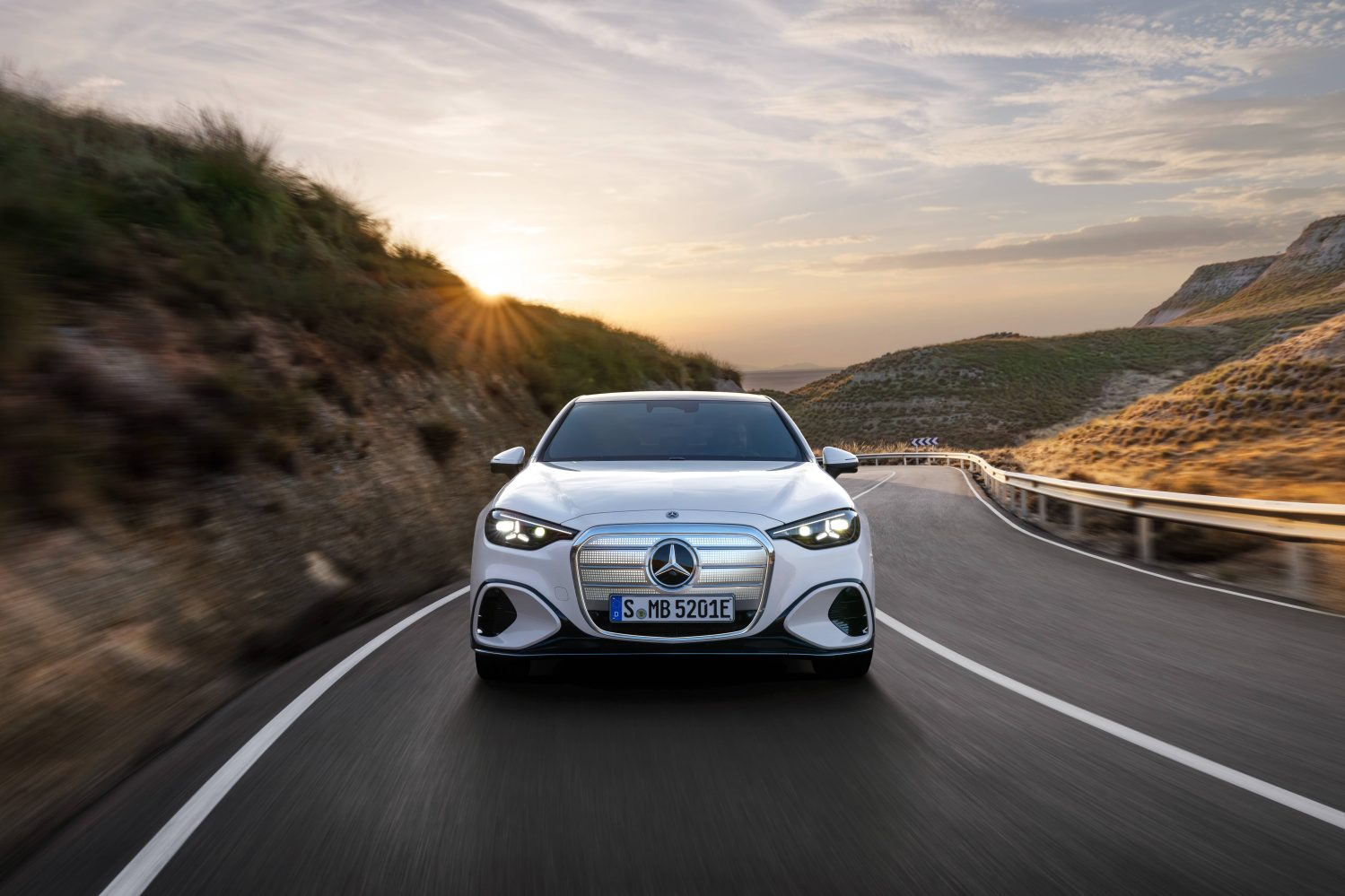
The European opportunity is exceptionally time-sensitive. France achieved record EV penetration of 37% with 81% year-over-year growth, while Germany and the UK posted 46% and 43% growth respectively. Spain's newly launched Auto incentive program (August 4, 2026) offers buyers up to €4,500 in subsidies with retroactive eligibility dating to January 1, creating a compressed purchasing window. Year-to-date European sales reached 3 million units, up 28% compared to 2025. This subsidy-driven demand directly translates to increased consumer purchasing power for EV-related products: charging cables, adapters, protective cases, interior accessories, and smart home integration devices. Sellers positioned in automotive e-commerce categories on Amazon EU, eBay Europe, and regional marketplaces should expect 25-40% demand acceleration through Q4 2026 as consumers equip newly purchased vehicles.
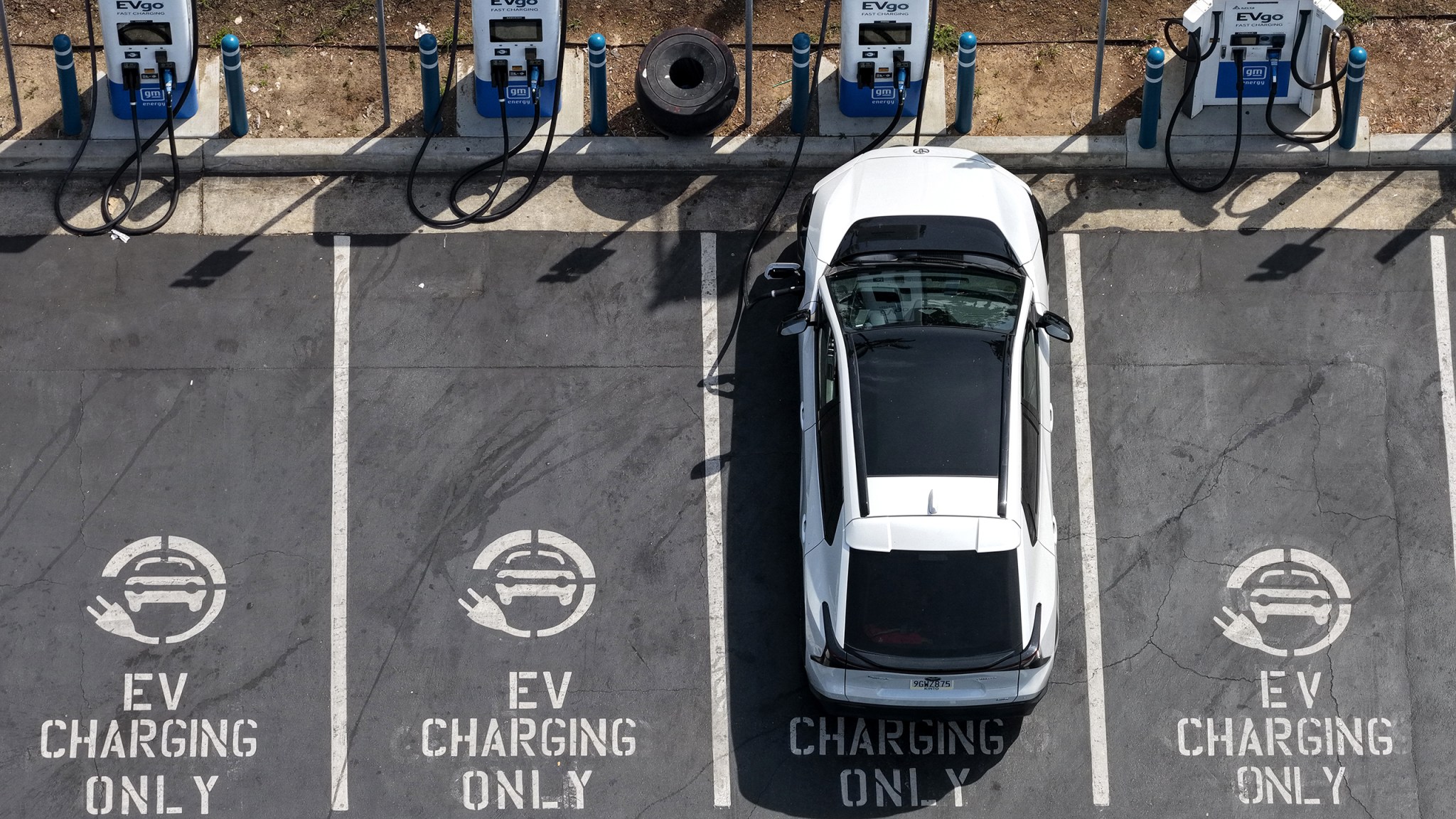
North American sellers face severe headwinds requiring immediate portfolio restructuring. Year-to-date North American EV sales totaled 900,000 vehicles, down 18% compared to 2025, with July sales falling more than 30% year-over-year. The elimination of the $7,500 federal tax credit removes a primary purchase incentive, shifting consumer focus to hybrid vehicles (which comprised 17.4% of US vehicle sales in May 2026, up from 13.9% in February). Sellers relying on EV accessory sales to US consumers should expect 20-35% demand contraction through 2026 and should pivot inventory toward hybrid-compatible products or non-automotive categories. The "Rest of World" markets present a contrasting opportunity, with sales nearly doubling to 280,000 units in July—up 96% year-to-date—driven by fuel price increases following geopolitical events (February 28, 2026 onwards) and supply constraints in emerging markets including Brazil, Mexico, South Korea, Thailand, and Vietnam.
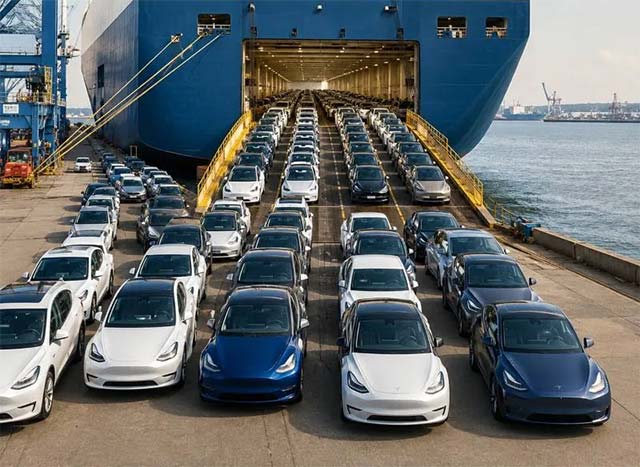
Supply chain and competitive dynamics are shifting rapidly. China recorded 980,000 EV sales in July (down 5% year-over-year), but battery-electric vehicle sales actually rose 6% while plug-in hybrid sales fell 21.1%, indicating a market shift toward pure electric vehicles. Critically, China exported over 500,000 NEVs in July—a monthly record—signaling that Chinese manufacturers are increasingly competing in international markets as domestic demand softens. BYD, which leads overall EV sales globally and regained the BEV market crown in Q2 2026, is aggressively pursuing export markets. This intensifies competition for sellers in international markets, particularly in Europe and emerging markets where Chinese EV manufacturers are establishing distribution networks. Sellers should monitor battery and component sourcing costs, as manufacturers are adjusting production to match regional demand patterns, potentially creating supply constraints or cost increases for aftermarket accessory suppliers.
Questions 8
What supply chain risks should sellers monitor given manufacturing shifts?
Manufacturers are adjusting production to match regional demand patterns, creating supply chain risks for aftermarket accessory suppliers. Battery and component sourcing costs may increase 8-15% by Q4 2026 as manufacturers prioritize EV production for high-growth European and emerging markets. China's record 500,000 NEV exports in July 2026 signal increased competition for raw materials and components, potentially creating 4-8 week lead time extensions for specialty items. Sellers should diversify supplier bases immediately: identify secondary suppliers in Vietnam, Thailand, and India for critical components; negotiate long-term pricing agreements (6-12 months) before Q4 2026 cost increases; maintain 30-45 day safety stock for high-velocity SKUs. Monitor battery supply chain developments, as EV battery production is shifting toward Europe (EU subsidies driving local manufacturing) and emerging markets, potentially creating regional supply imbalances. Establish supplier relationships in EU manufacturing hubs (Germany, Poland) to reduce logistics costs and lead times by 20-30%.
Which product categories within automotive e-commerce will see the strongest growth in Europe?
European EV sales growth of 33% year-over-year directly drives demand for complementary product categories. Strongest growth categories: EV charging cables and adapters (40-50% growth potential), smart home integration devices (35-45% growth), vehicle interior organizers and protective cases (30-40% growth), and diagnostic/monitoring tools (25-35% growth). Secondary categories showing 15-25% growth include vehicle covers, floor mats, and aesthetic upgrades. Sellers should prioritize inventory allocation to high-margin categories (smart integration devices, diagnostic tools) which command 35-50% gross margins compared to 20-30% for basic accessories. Bundle strategies combining charging solutions with smart home integration can increase average order value by 40-60%. On Amazon EU, prioritize listings with CE certification, compatibility guarantees, and customer reviews emphasizing ease of installation. Expect seasonal demand peaks in September-October 2026 (post-summer purchasing) and November-December 2026 (holiday gifting), requiring 45-60 day lead time planning.