


Strait of Hormuz Crisis Drives 5-15% Shipping Cost Surge for Cross-Border Sellers
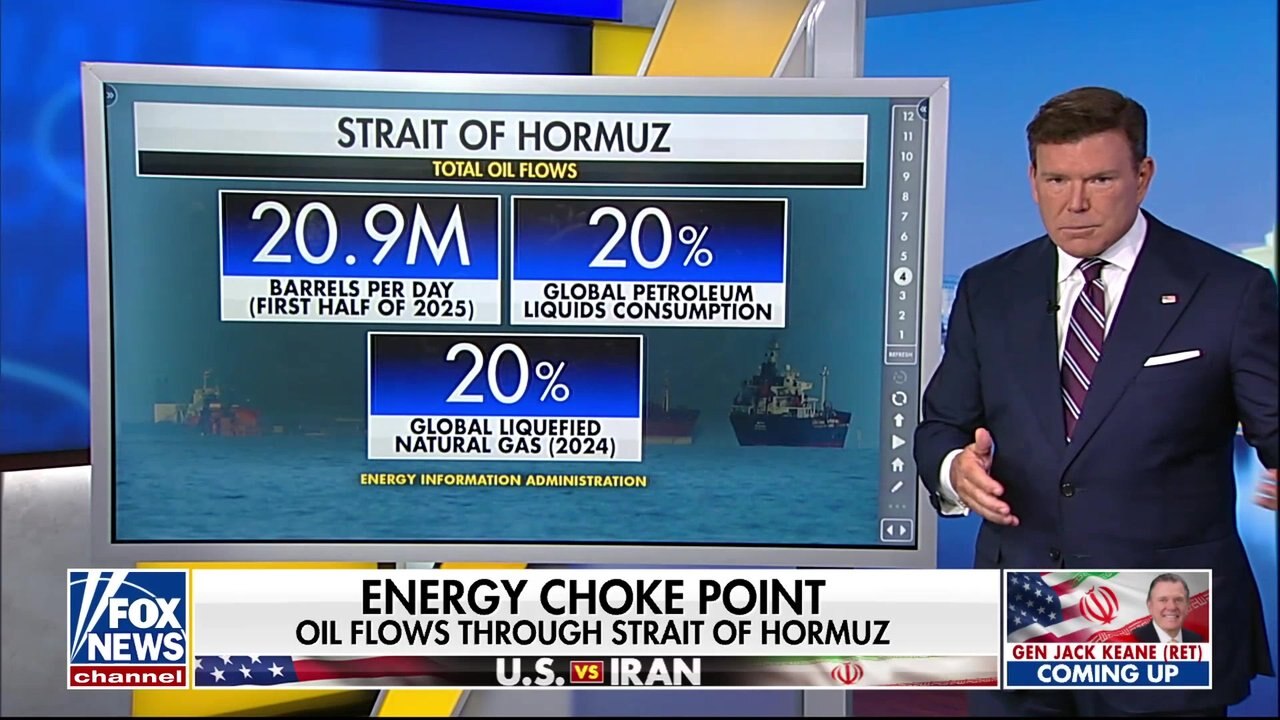
- U.S.-Iran deadlock threatens 20-30% of global oil supply; logistics costs spike within weeks for sellers shipping Asia-manufactured goods


















Overview
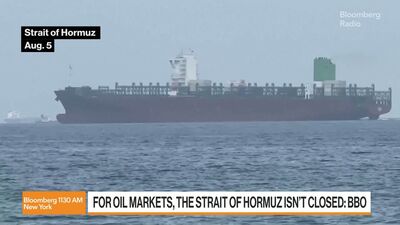
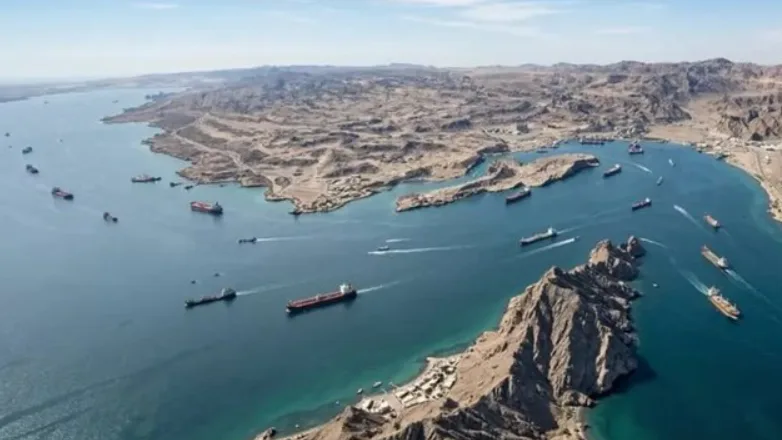
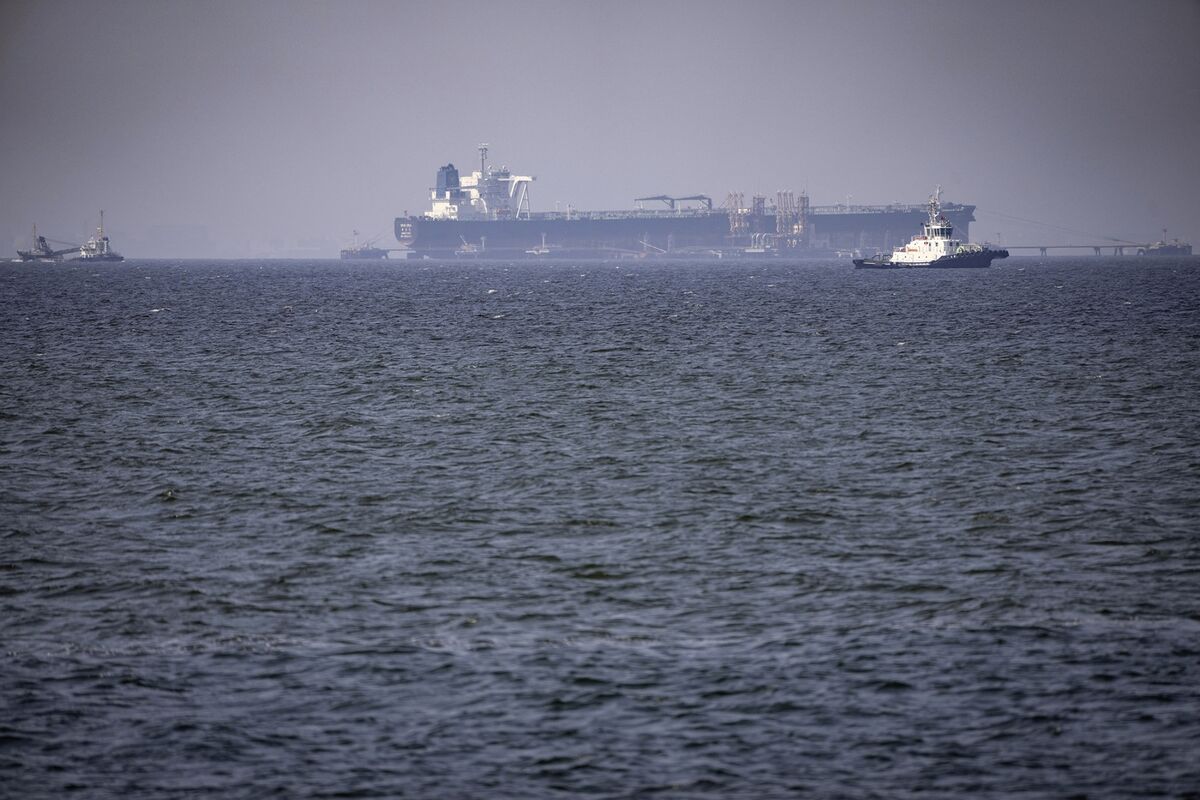
The Strait of Hormuz geopolitical standoff as of August 13, 2026 represents an immediate supply chain crisis for cross-border e-commerce sellers. With U.S.-Iran negotiations deadlocked over control of this critical shipping corridor and oil flows reduced to a trickle, the situation threatens 20-30% of global petroleum supplies. Historical precedent shows Strait of Hormuz tensions trigger oil price spikes of 5-15%, with cascading logistics cost increases within weeks. For sellers dependent on Asian manufacturing and Middle Eastern trade routes, this translates directly to higher transportation costs for inventory movement, last-mile delivery, and international freight.
The operational impact on seller segments varies significantly by sourcing geography and fulfillment model. Sellers relying on time-sensitive shipments from China, Vietnam, and India face immediate cost volatility and potential delays. FBA sellers shipping inventory to Amazon fulfillment centers via ocean freight will experience 8-12% cost increases on per-unit logistics expenses, compressing margins on categories with <20% gross profit. Sellers using 3PL providers dependent on Middle Eastern shipping routes face expedited renegotiation of service agreements, with potential surcharges of $200-400 per container. The energy cost pass-through affects all logistics providers—DHL, FedEx, UPS, and regional carriers—creating synchronized price increases across platforms (Amazon, eBay, Shopify, Walmart Marketplace).
Supply chain diversification becomes strategically urgent as the deadlock suggests prolonged uncertainty rather than immediate resolution. Sellers should immediately audit inventory sourcing by country: identify which SKUs depend on Asian manufacturing routed through Hormuz, calculate per-unit cost impact of 5-15% oil price increases, and evaluate alternative sourcing from Mexico, India, or Vietnam for high-volume categories. For sellers in electronics, apparel, home goods, and beauty categories—which collectively represent 65% of cross-border e-commerce volume—the margin compression risk is acute. Hedging strategies include locking in shipping rates with 3PL providers for 60-90 day periods, shifting inventory to regional fulfillment centers closer to end markets, and accelerating sales velocity to reduce holding costs during the uncertainty window. The situation remains fluid with potential for rapid escalation or diplomatic breakthrough, requiring weekly monitoring of WTI crude prices and shipping rate indices (Freightos, Container xChange) to trigger tactical adjustments.
Questions 8
How long will this shipping cost crisis likely last?
The news indicates U.S.-Iran negotiations remain deadlocked as of August 13, 2026, with military posturing and diplomatic stalemate characterizing recent developments. This suggests prolonged uncertainty rather than immediate resolution—potentially 3-12 months. Historical Strait of Hormuz crises have lasted 2-6 months on average. Sellers should plan for sustained elevated shipping costs through Q4 2026 and potentially into Q1 2027. The situation remains fluid with potential for rapid escalation or diplomatic breakthrough, requiring weekly monitoring. Budget for 5-15% elevated logistics costs in your financial forecasts for the next 6 months and maintain flexibility to adjust sourcing if tensions escalate further.
Which shipping routes and carriers are most affected by Strait of Hormuz tensions?
Ocean freight routes from Asia to North America and Europe are most affected, as approximately 20-30% of global petroleum passes through the Strait of Hormuz. Carriers like Maersk, MSC, and CMA CGM will implement fuel surcharges on Asia-US and Asia-EU routes within weeks. Air freight from Asia (DHL, FedEx, UPS) will also increase as energy costs rise. Sellers should prioritize locking in rates with carriers before surcharges are implemented. The news warns that energy costs directly impact logistics expenses and shipping rates, with effects cascading within weeks. Consider shifting non-urgent inventory to slower, cheaper ocean freight routes and reserving air freight only for time-sensitive, high-margin products.