


Samsonite's $210M BÉIS Acquisition | Travel Accessories Market Consolidation & Seller Opportunities
- Signals major industry consolidation in $50B+ travel goods sector; creates supply chain integration opportunities for third-party sellers competing in lifestyle luggage and travel accessories categories










Overview
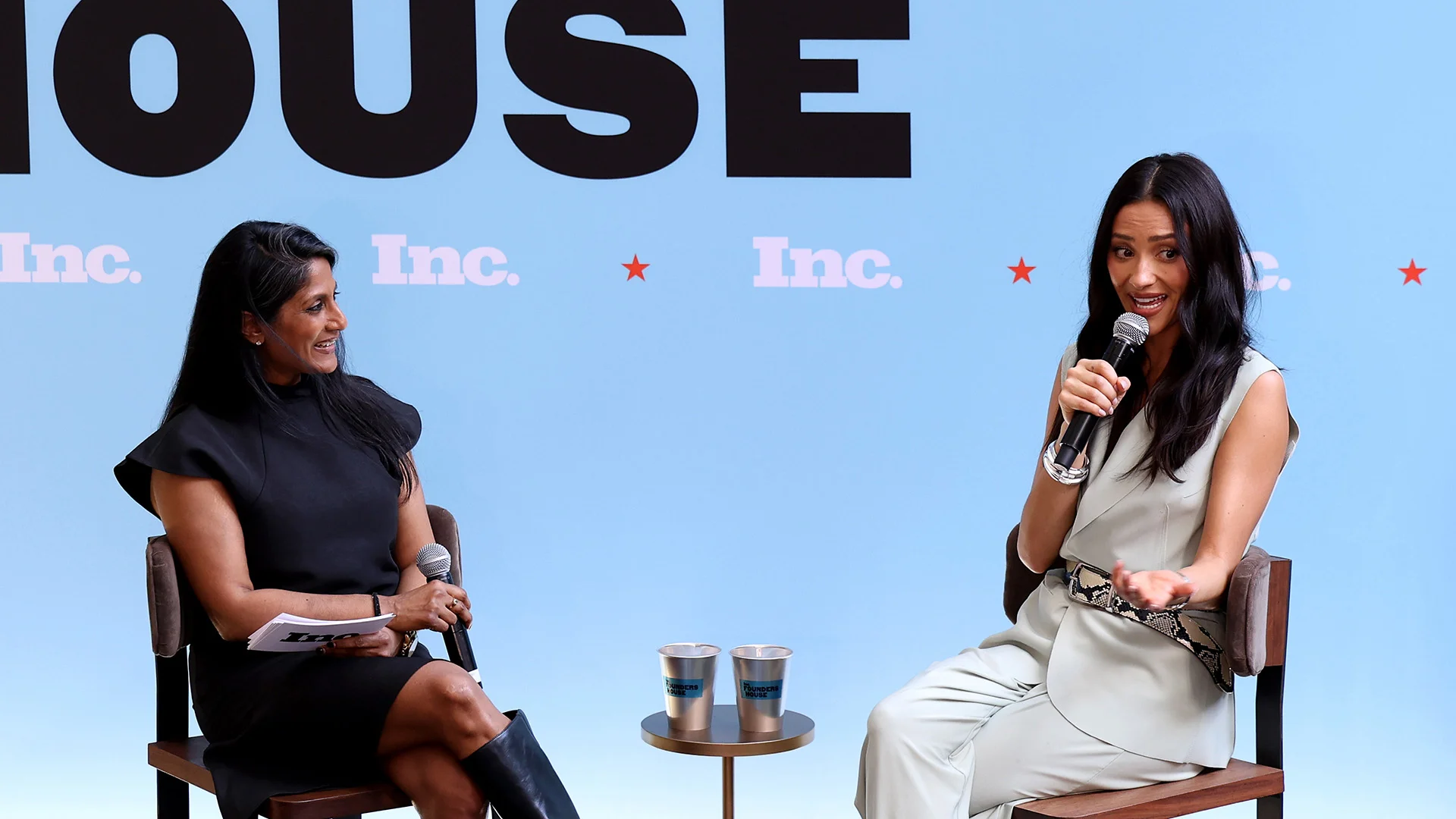
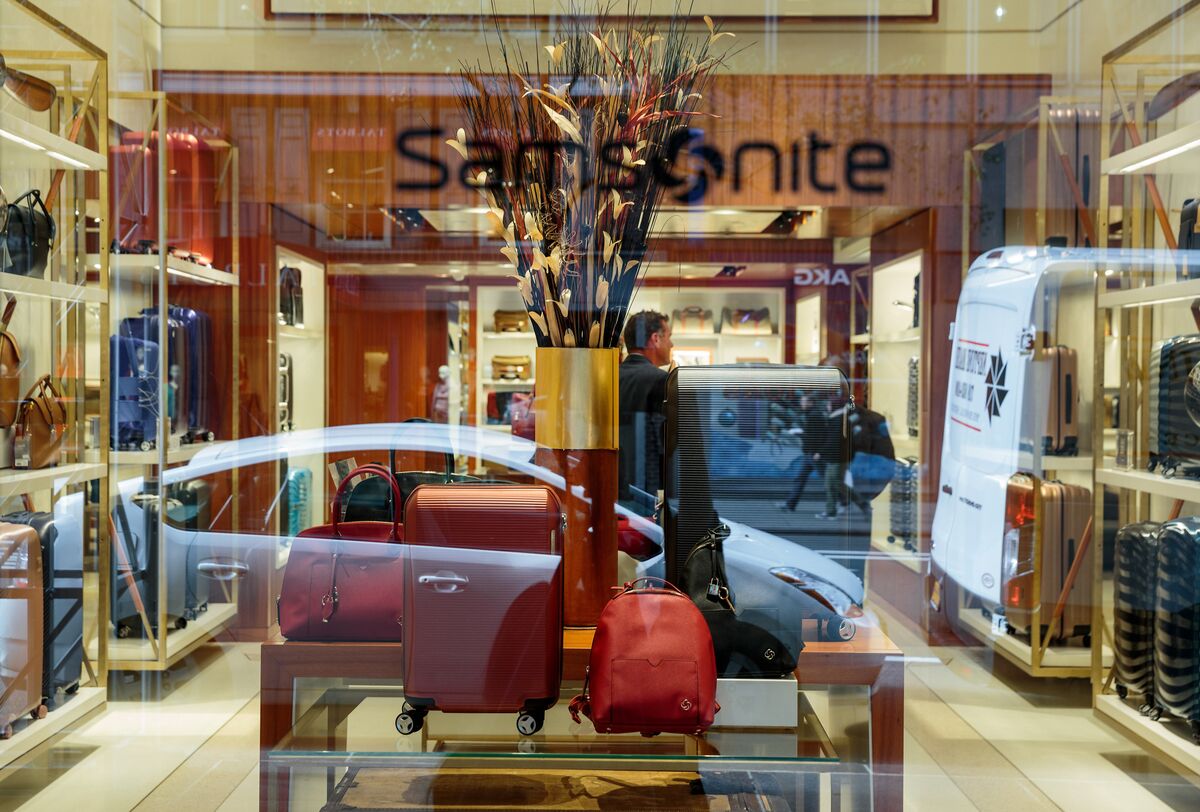
Samsonite's acquisition of BÉIS for $178.5-210 million (announced August 2026) represents a pivotal consolidation event in the travel accessories e-commerce sector, with direct implications for cross-border sellers and payment optimization strategies. The deal values BÉIS at $210 million based on 2025 net sales of approximately $210 million, with lifestyle bags representing roughly 50% of revenue—signaling Samsonite's strategic pivot toward higher-margin lifestyle segments beyond traditional luggage. Samsonite acquired an 85% stake for $178.5 million in cash, with founder Shay Mitchell retaining 15% equity and continuing as Head of Creative and Design, ensuring brand autonomy within Samsonite's portfolio (which includes Tumi, American Tourister, and High Sierra).
From a financial optimization perspective, this acquisition unlocks three critical opportunities for sellers: First, payment cost reduction through supply chain integration—Samsonite's global distribution infrastructure will consolidate BÉIS's international fulfillment, potentially reducing per-unit logistics costs by 15-25% through shared warehousing and carrier relationships. Sellers sourcing complementary travel accessories (packing cubes, organizers, travel pillows) can now negotiate volume discounts with Samsonite's suppliers or leverage their expanded 3PL network. Second, working capital acceleration via trade finance access—BÉIS's integration into Samsonite's $3B+ annual revenue base provides access to institutional financing products (supply chain financing, inventory loans) at 4-6% APR versus 12-18% for independent sellers. Sellers with PO relationships to BÉIS or Samsonite subsidiaries can now access invoice factoring at 2-3% discount rates (versus 5-8% market average) through Samsonite's banking relationships. Third, FX optimization for cross-border payment corridors—Samsonite's expanded international distribution (particularly in EU, APAC, and Latin America) creates opportunities for sellers to hedge currency exposure through bulk payment arrangements, potentially saving 1-2% on FX spreads for USD/EUR and USD/CNY transactions.
Market consolidation signals increased competition for independent sellers in lifestyle luggage. The acquisition demonstrates that established manufacturers are aggressively acquiring DTC brands with strong e-commerce presence—BÉIS generated $210M in 2025 sales through direct-to-consumer and retail partnerships, appealing to millennial and Gen Z consumers (predominantly female demographic). This consolidation trend suggests independent sellers should expect: (1) tighter Amazon Buy Box competition as Samsonite leverages its brand authority and fulfillment capabilities; (2) potential price compression in lifestyle bag categories as Samsonite integrates BÉIS's supply chain and reduces manufacturing costs; (3) accelerated international expansion by BÉIS across Amazon EU, Amazon Japan, and emerging markets, reducing white-space opportunities for third-party sellers. Sellers competing in travel accessories should monitor BÉIS's marketplace presence changes over the next 6-12 months, particularly inventory allocation shifts and pricing strategy adjustments post-integration.
Questions 8
What FX optimization strategies apply to sellers exporting travel accessories post-acquisition?
Samsonite's expanded international distribution creates FX hedging opportunities for sellers exporting to EU, UK, and APAC markets. The acquisition signals Samsonite's commitment to sustained travel demand post-pandemic, supporting currency stability in travel-related categories. Sellers should implement: (1) **Forward contracts for USD/EUR and USD/GBP transactions**—lock in rates 60-90 days forward at 1-1.5% premium versus spot rates, protecting against 3-5% currency swings typical in travel goods sector. (2) **Multi-currency payment routing**—use platforms like Wise, OFX, or Payoneer to route payments through Samsonite's major distribution hubs (Singapore, Hong Kong, Netherlands) at 0.5-1% FX spreads versus 2-3% bank rates. (3) **Bulk payment consolidation**—aggregate monthly payments to BÉIS suppliers or Samsonite partners to negotiate institutional FX rates (0.3-0.7% spreads). Expected savings: 1-2% on total cross-border payment costs for sellers with $500K+ annual international revenue. Timeline: Implement within 30-45 days to capture Q4 2026 travel season demand.
How will BÉIS's standalone brand strategy impact marketplace competition and pricing?
Samsonite's decision to maintain BÉIS as an independent brand (rather than consolidating into Tumi or American Tourister) preserves its distinct identity and appeal to millennial/Gen Z consumers (predominantly female demographic). This strategy mirrors luxury goods consolidation models where heritage brands maintain autonomy while accessing parent company resources. For sellers, this means: (1) **BÉIS will expand aggressively across international marketplaces**—expect 2-3x increase in BÉIS SKU count across Amazon EU, Japan, and Southeast Asia within 12 months. (2) **Pricing will remain competitive but margin-compressed**—Samsonite will optimize BÉIS's supply chain (reducing COGS by 15-25%) but maintain brand positioning, resulting in 5-10% price reductions versus current levels. (3) **Retail partnerships will accelerate**—Samsonite's relationships with department stores (Nordstrom, Saks, Selfridges) will drive BÉIS into 100+ new retail locations, reducing online-only market share. Independent sellers should expect 12-18% margin compression in lifestyle luggage categories over 6-12 months. Mitigation: Differentiate through complementary products, niche positioning (eco-friendly, luxury materials), or underserved demographics (male travelers, business professionals).