

/images/2026/08/13/twitch-chat-trains-amazon-ai.jpeg)


Twitch AI Content Disclosure Rules | Creator Compliance & Seller Opportunity
- Mandatory AI disclosure policies reshape creator workflows; sellers can capitalize on compliance tools, creator support products, and AI transparency SaaS




Overview
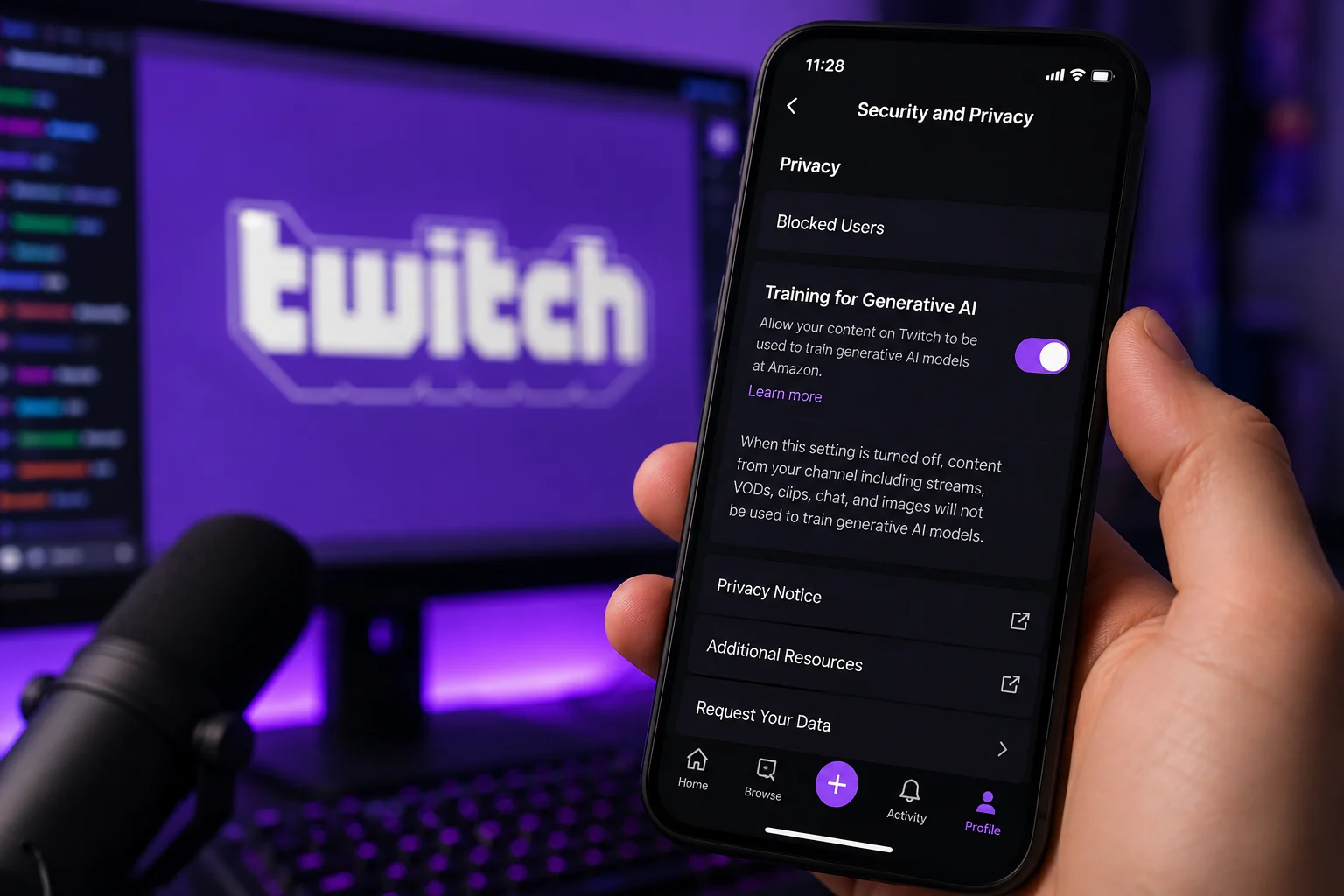
Twitch's new generative AI content policy represents a critical inflection point for creators and e-commerce sellers targeting the streaming creator economy. The platform now requires mandatory disclosure of AI-generated voices, deepfakes, and synthetic content, while prohibiting misleading AI applications like fake streamer versions or AI-generated commentary. This policy affects gaming, creative, and talk category streamers—a segment generating $30B+ in annual creator revenue globally. The backlash reveals a fundamental tension: creators need AI tools for efficiency (estimated 15-20 hours/week saved through AI-assisted content creation), but platforms demand transparency to protect viewer trust and copyright integrity.
For e-commerce sellers, this creates three immediate opportunities. First, compliance tool demand: Creators urgently need AI detection software, disclosure automation platforms, and content audit tools to avoid revenue-impacting flagging. The market for creator compliance SaaS is nascent—sellers can source or develop tools addressing the gap between Twitch's requirements and creators' technical capabilities. Second, creator support products: Streamers seeking AI alternatives will purchase editing software, voiceover tools with transparent licensing, and content creation templates that comply with new guidelines. This drives demand in the $2.1B creator tools category. Third, transparency-focused merchandise: Creators may monetize compliance through branded content (e-commerce listings for "AI-Transparent Creator" merchandise, educational courses on policy compliance, and consulting services).
The broader strategic implication mirrors YouTube and Meta's AI governance moves—platforms are establishing baseline transparency standards that will eventually become industry norms. Sellers who build compliance-first tools now will capture first-mover advantage as other platforms adopt similar policies. The creator backlash also signals that overly restrictive policies risk creator migration to alternative platforms (Discord, Kick, YouTube), creating arbitrage opportunities for sellers who understand which platforms offer more creator-friendly AI policies. Enforcement mechanisms remain unclear, creating 60-90 day window for sellers to develop solutions before stricter technical enforcement arrives. Creators' stated need for "clearer guidelines and gradual implementation timelines" indicates demand for educational content, compliance consulting, and policy interpretation services—all monetizable through e-commerce channels.
Questions 7
How does Twitch's policy compare to YouTube and Meta's AI content guidelines?
All three platforms require AI disclosure and prohibit deepfakes/misleading synthetic content, but enforcement mechanisms differ significantly. YouTube focuses on labeling AI-generated content in recommendations, while Meta emphasizes political/election-related AI restrictions. Twitch's approach is the most creator-restrictive, requiring real-time disclosure during live streams where technical implementation is challenging. Meta allows more AI experimentation in creative tools, while YouTube permits AI-assisted editing if disclosed. Creators seeking more permissive policies are exploring alternative platforms like Kick and Discord, which have less stringent AI governance.
What are the revenue risks for creators who don't comply with Twitch's AI policy?
Creators face multiple revenue penalties: flagged content receives reduced algorithmic promotion (estimated 30-50% viewership drop), demonetization of non-compliant videos, and potential channel suspension for repeated violations. Industry estimates suggest creators using undisclosed AI tools could lose $500-2,000 monthly in ad revenue depending on audience size. Twitch hasn't specified exact penalty structures, but the policy states 'potential revenue impacts if content is flagged or removed.' Creators are requesting 90-day grace periods to audit existing content and implement compliance systems before enforcement escalates.