


US 30-Year Bond Yields Hit 23-Year High | Critical Financing Cost Impact for E-Commerce Sellers
- 5.23% yields increase working capital costs 200-400 bps for SME sellers; $1.17T annual debt service signals tightening credit availability











Overview
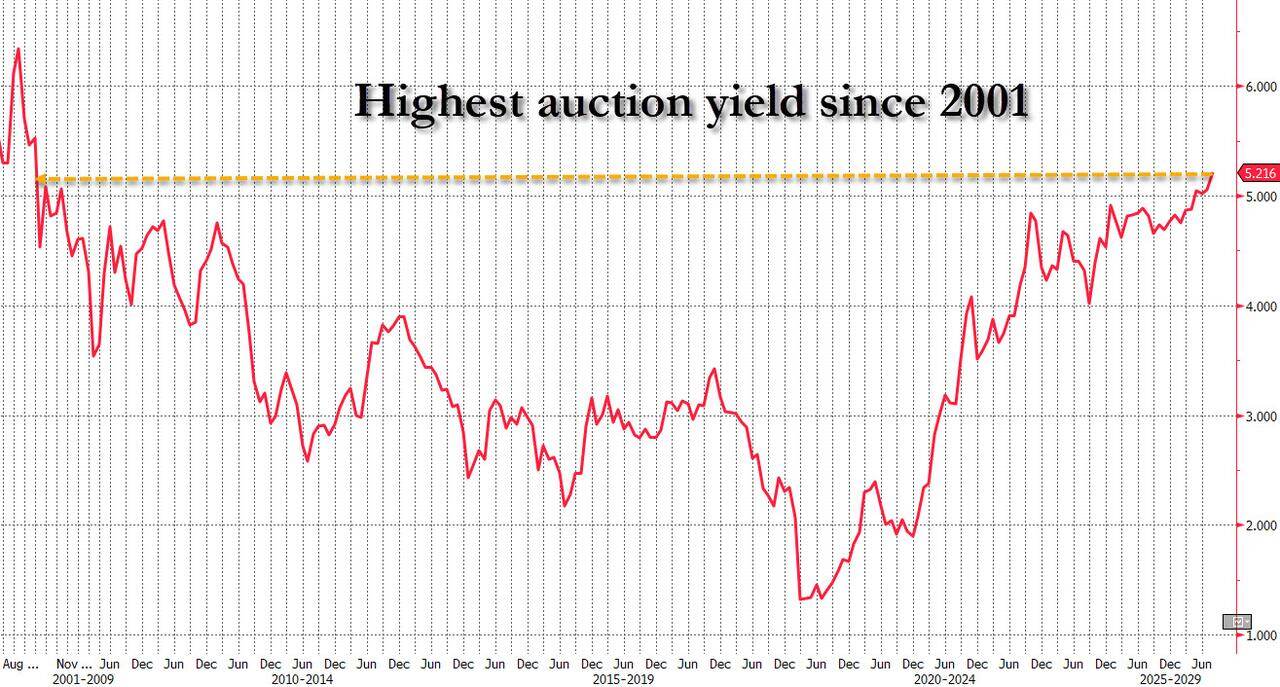
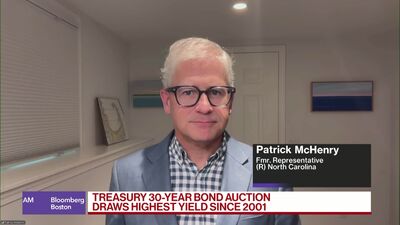
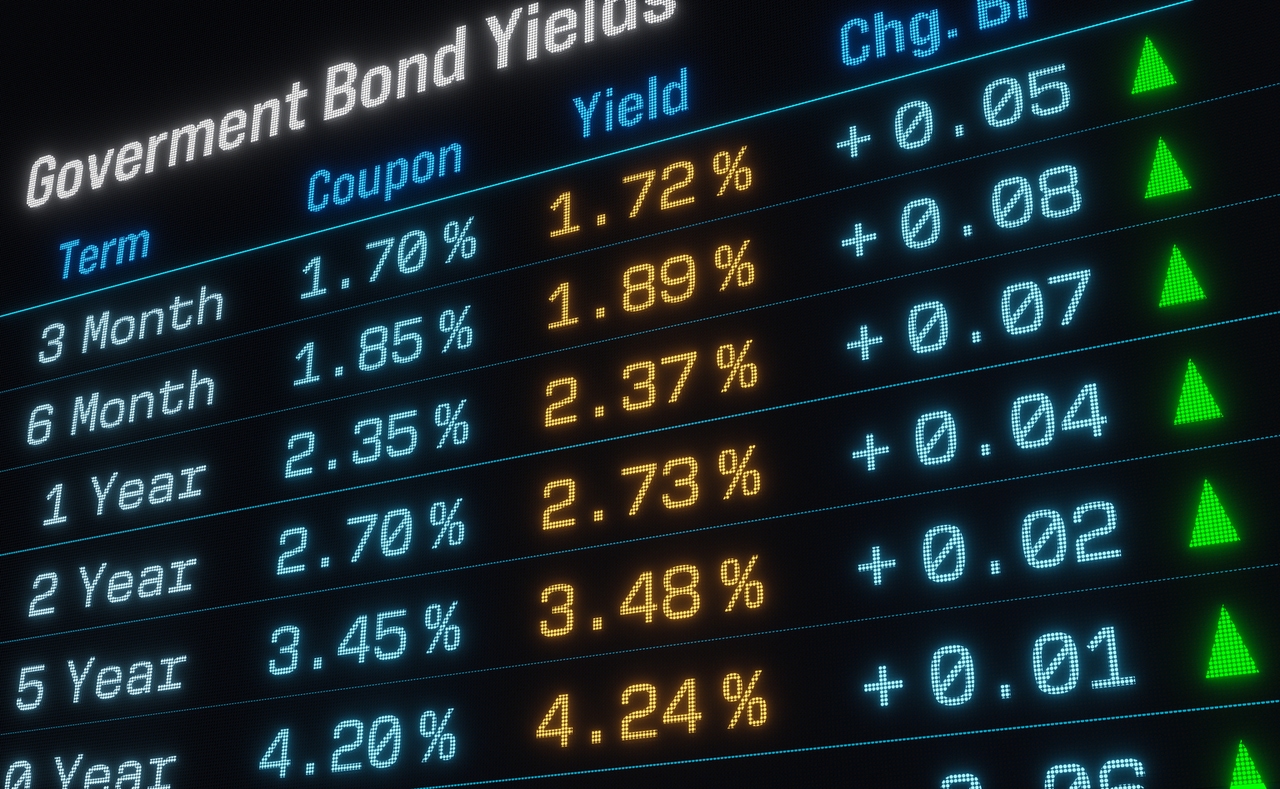
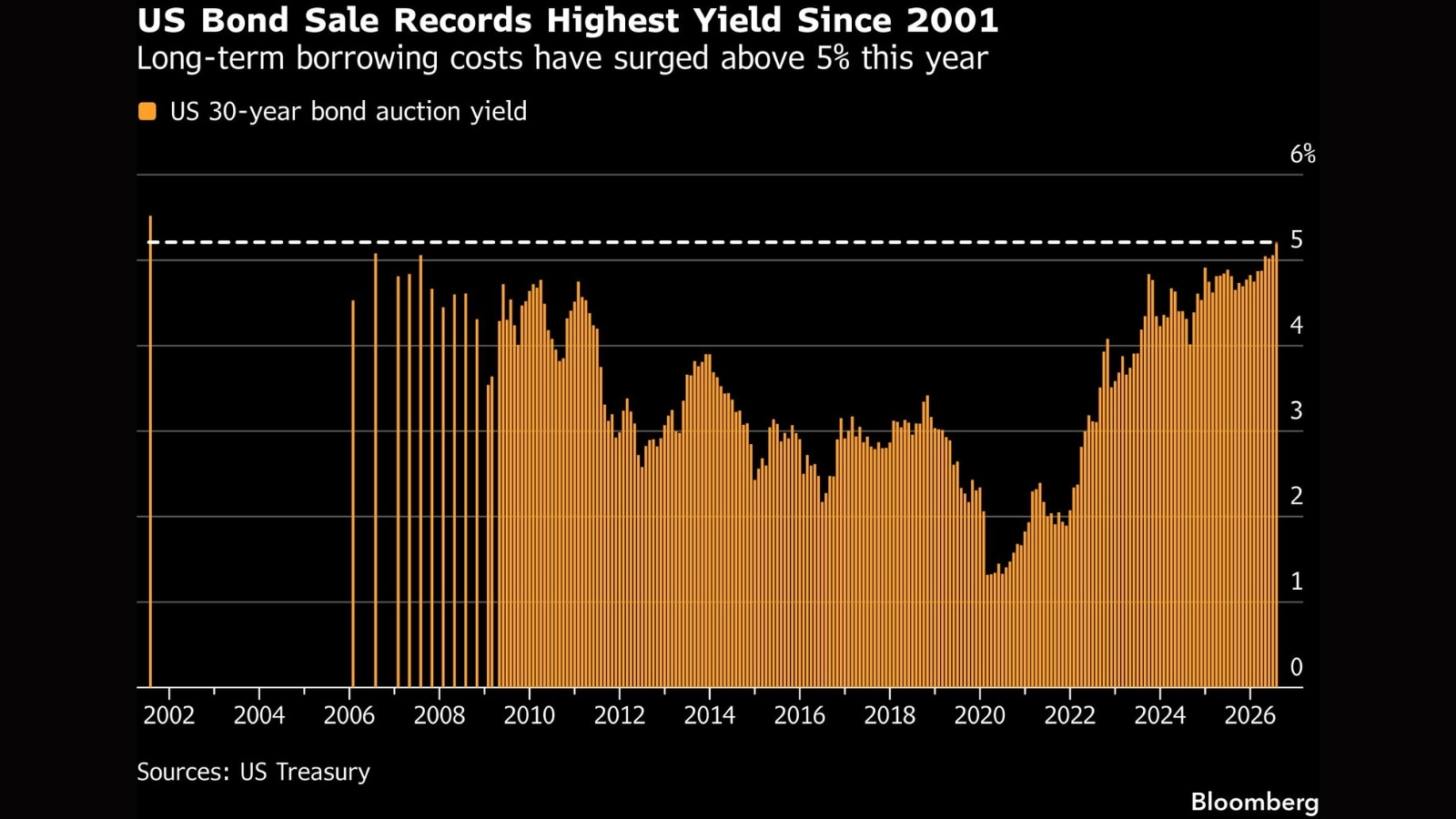
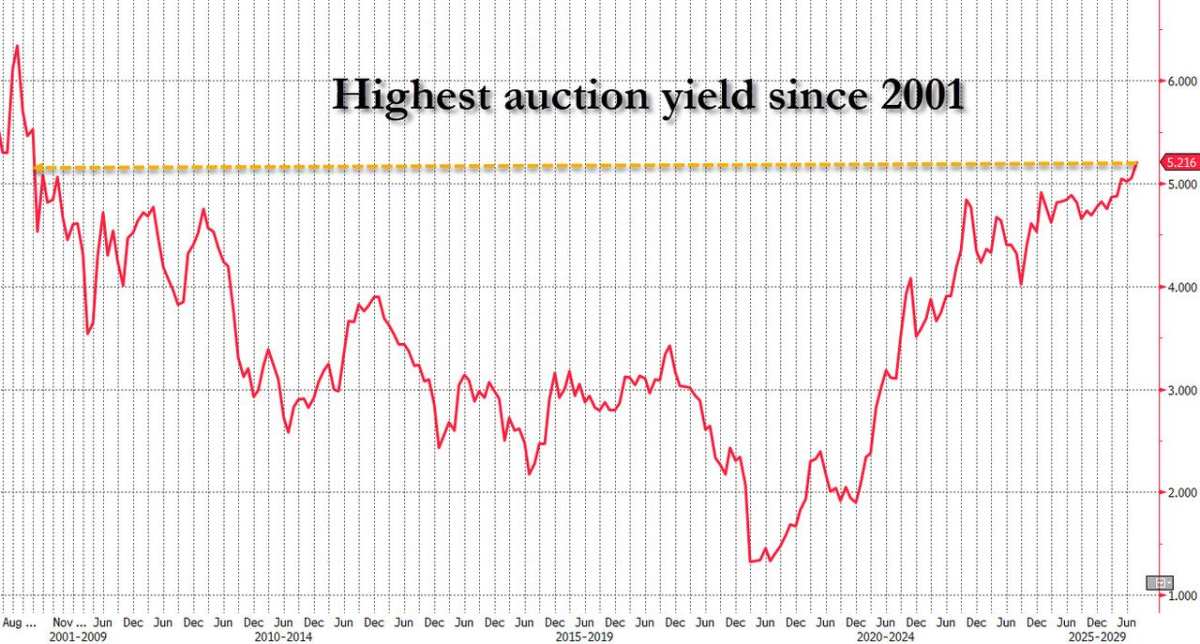
The US Treasury's $25 billion 30-year bond auction at 5.23% yields—the highest since 2001—represents a watershed moment for cross-border e-commerce sellers managing working capital and financing costs. This historic borrowing rate reflects systemic economic pressures: persistent inflation concerns, $31 trillion outstanding Treasuries (double 2018 levels), and $1.17 trillion in annual debt service (15% increase year-over-year). The Treasury's maturity-shortening strategy signals refinancing risks ahead, while Barclays analysts warn that price-sensitive investors now dominate bond markets, requiring larger yield concessions to clear supply.
For e-commerce sellers, the financing implications are immediate and material. Higher US government borrowing costs directly translate to elevated capital costs across the private sector. Small and medium-sized sellers relying on inventory financing, working capital lines of credit, or business loans face 200-400 basis point increases in borrowing costs—potentially adding $3,000-8,000 annually to a seller managing $100K inventory. Traditional lenders tighten credit availability as government borrowing crowds out private sector lending. Invoice factoring rates (typically 1.5-3% monthly) may rise 50-100 bps, while purchase order financing APRs climb from 12-18% to 15-22%. This creates immediate pressure on cash conversion cycles, particularly for sellers with 60-90 day payment terms from suppliers.
Currency market volatility amplifies the challenge for cross-border sellers. Higher US rates attract foreign capital inflows, strengthening the dollar against emerging market currencies (CNY, INR, PHP, VND). A 3-5% dollar appreciation increases sourcing costs for sellers importing from Asia by 3-5%, compressing margins by 150-250 bps on products with 20-30% gross margins. Simultaneously, USD strength reduces competitiveness for US-based sellers exporting to EU and Asia-Pacific markets. FX hedging costs rise as volatility increases; 90-day forward contracts now cost 80-120 bps annually versus 40-60 bps in lower-rate environments. The Treasury's signal of potential long-bond supply reductions while increasing shorter-maturity issuance suggests continued rate volatility, making FX risk management essential.
Working capital optimization becomes critical under these conditions. Sellers should immediately evaluate alternative financing: supply chain finance programs (2-6% APR through platforms like Tradeshift, Coupa), dynamic discounting (2-3% for early payment), and cross-border payment optimization. Shifting from traditional bank loans to supply chain finance can save 300-500 bps annually. For sellers with international operations, establishing regional banking entities (Hong Kong, Singapore, UAE) offers access to lower-cost financing (50-150 bps cheaper than US rates) and natural FX hedging through local currency operations. Invoice financing through specialized providers (Fundbox, Clearco) targeting e-commerce sellers offers faster approval (24-48 hours) versus traditional 5-10 day bank processes, critical when cash flow tightens.
Questions 8
How do Treasury yield increases affect Amazon seller financing and other platform lending programs?
Amazon Lending, Shopify Capital, and other platform lenders price loans based on Treasury yields + platform-specific spreads (typically 8-15% APR). When Treasury yields rise 200 bps, platform lending rates rise 150-200 bps (lenders absorb some spread compression). Amazon Lending rates may increase from 10% to 12% APR; Shopify Capital from 12% to 14% APR. For a seller with a $50K Amazon Lending balance, this increases annual interest from $5,000 to $6,000. The news indicates Treasury yields at 23-year highs with refinancing risks, suggesting platform lending rates will remain elevated. Sellers should evaluate alternative financing (supply chain finance, invoice factoring) which may offer better rates, and avoid platform lending for non-urgent working capital needs. Those needing immediate capital should compare platform lending rates to supply chain finance (2-6% APR) before borrowing.
What is the timeline for when sellers will see financing cost increases reflected in their borrowing?
Sellers with variable-rate financing (SOFR + spread, prime + spread) will see increases immediately—within 30 days as lenders reprice existing lines. Sellers with fixed-rate financing locked in before this Treasury auction will see increases when lines renew (typically annually). New borrowers seeking financing will face 200-400 bps higher rates immediately. The news reports the Treasury auction occurred at 5.23% yields, the highest since 2001, indicating this is a recent event. Sellers should act within 7-14 days to lock in fixed-rate financing before lenders fully reprice their portfolios. Those with lines renewing in Q1 2025 should refinance immediately rather than waiting for renewal dates. Sellers with variable-rate debt should consider converting to fixed-rate within 30 days.