



AI Compute Costs Surge 40-60% YoY | E-Commerce Sellers Face Higher Automation Expenses Through 2025
- GPU rental prices spike amid enterprise AI adoption; smaller sellers risk being priced out of AI-powered product recommendations and demand forecasting tools














Overview
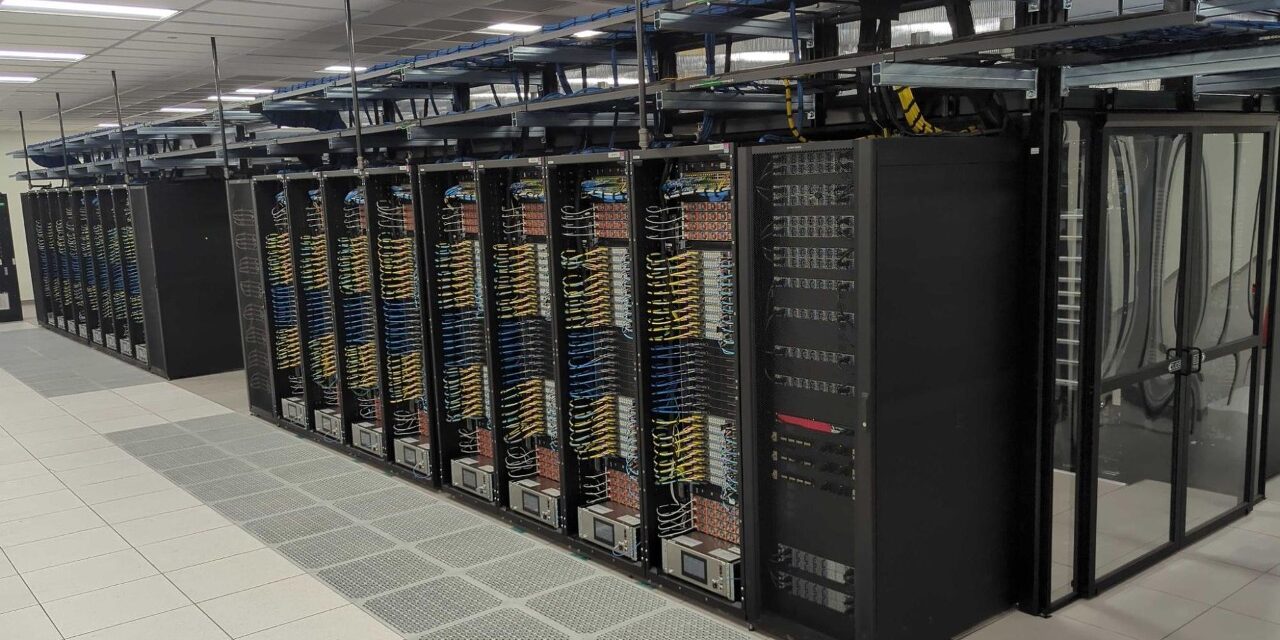
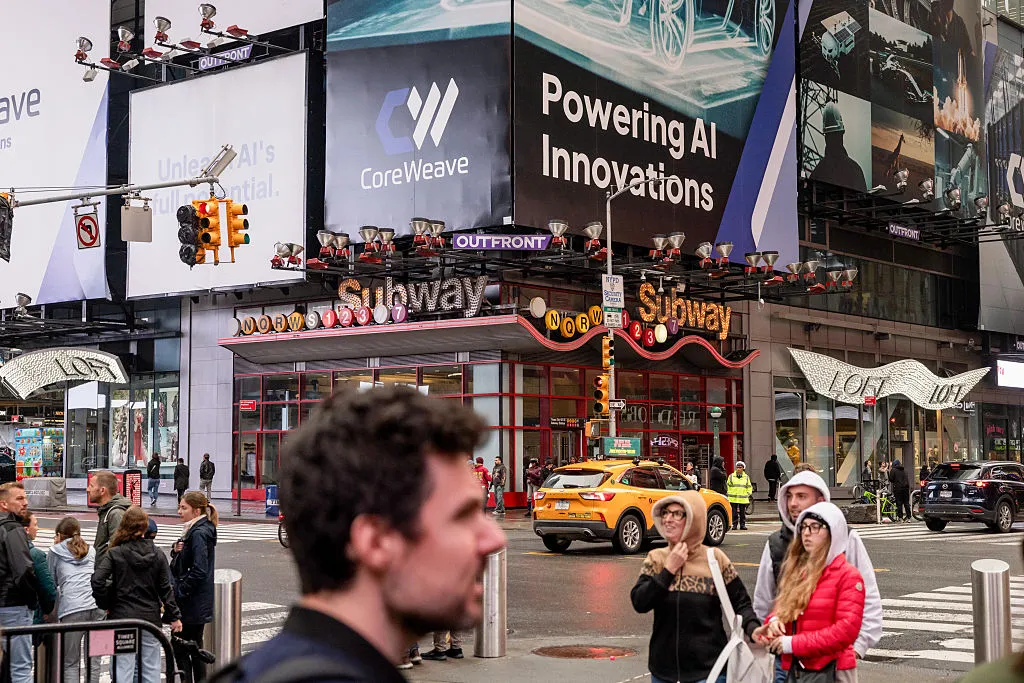
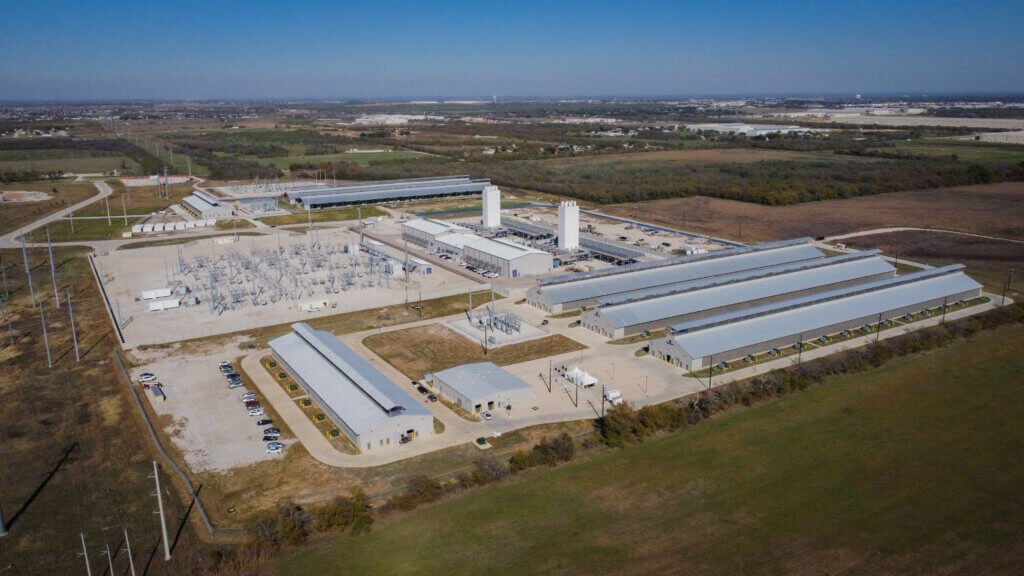
The dramatic surge in GPU computing costs—rising 40-60% year-over-year according to industry data—represents a critical inflection point for cross-border e-commerce sellers relying on AI infrastructure. Nebius and CoreWeave, specialized GPU cloud providers, are experiencing substantial revenue growth as enterprises compete for limited compute capacity to train and deploy large language models. Meanwhile, AWS, Google Cloud, and Microsoft Azure are investing heavily in GPU infrastructure, yet demand continues to outpace supply. Market analysts project compute capacity constraints will persist through 2025.
For e-commerce sellers, this infrastructure squeeze directly impacts the cost of AI-powered business solutions—specifically product recommendations, demand forecasting, and customer service automation. The pricing pressure creates a critical competitive divide: well-capitalized sellers can afford premium AI services to optimize listings, predict inventory needs, and automate customer interactions, while smaller sellers with limited budgets face adoption barriers. A mid-sized seller currently spending $500-800/month on AI-powered tools could see costs increase to $700-1,280/month by Q2 2025, compressing already-thin margins in categories like electronics and apparel where AI-driven optimization is increasingly table-stakes.
The automation opportunity is immediate: Sellers should prioritize automating high-ROI tasks NOW before costs escalate further. Product research automation (using tools like Helium 10, Jungle Scout with AI modules) can be deployed immediately to identify trending niches before competitors, with typical payback periods of 2-3 weeks. Dynamic pricing automation via AI tools reduces manual repricing labor by 15-20 hours/week while improving conversion rates by 3-8%. Customer service automation through AI chatbots (ChatGPT API, Claude) can handle 60-70% of routine inquiries, reducing support costs by $1,200-2,000/month for sellers processing 500+ daily messages.
Data-driven competitive advantage: Sellers should invest in AI analysis tools that reveal hidden patterns in their own data—predictive inventory analytics can reduce overstock by 25-35% and stockouts by 40-50%, directly offsetting higher compute costs through improved cash flow. Sentiment analysis on competitor reviews (using AI to process 1,000+ reviews in minutes) identifies product gaps and messaging opportunities faster than manual analysis. The sellers who lock in AI automation NOW at current pricing will maintain cost advantages even as infrastructure prices rise through 2025.
Strategic positioning: Rather than viewing higher compute costs as a burden, forward-thinking sellers should see this as a moat-building opportunity. Sellers who automate product selection, pricing, and customer service in Q1 2025 will establish operational efficiencies that smaller competitors cannot replicate once costs spike further. The 3-6 month window before widespread price increases represents the optimal time to build AI-powered competitive advantages.
Questions 8
What is the optimal timing for sellers to invest in AI automation?
The 3-6 month window before widespread price increases (Q1-Q2 2025) represents the optimal investment period. Sellers who automate product selection, pricing, and customer service NOW will establish operational efficiencies and lock in current pricing before costs spike further. Market analysts project compute capacity constraints will persist through 2025, meaning early movers gain 6-12 months of cost advantage before competitors catch up. Delaying automation investment risks paying 40-60% higher costs while competitors already operate at lower cost structures.
Which seller segments are most vulnerable to AI cost increases?
Smaller sellers with limited capital face the greatest vulnerability to 40-60% AI cost increases. Sellers currently unable to afford premium AI services for product recommendations and demand forecasting will fall further behind as costs rise. Mid-market sellers ($500K-$5M annual revenue) can absorb 20-30% cost increases through margin compression, while enterprise sellers can pass costs to suppliers or absorb through scale. The news specifically warns that 'pricing pressure may impact adoption rates among smaller sellers who lack capital for premium AI services,' creating a widening competitive gap.