



Chinese Memory Chip Surge Reshapes Global Supply Chain | Seller Sourcing Opportunities in AI-Driven Electronics
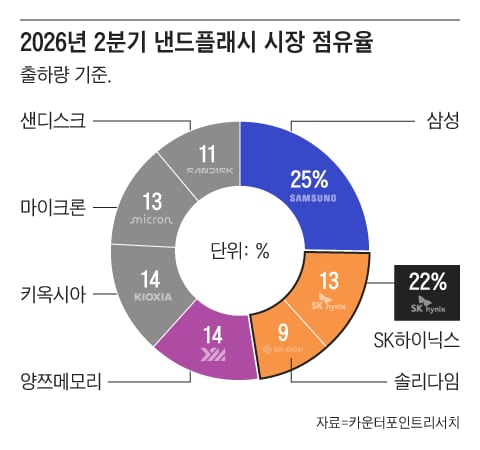
- YMTC captures 14% NAND market share (Q2 2026), surpassing Micron; Chinese chipmakers now control 21% combined DRAM/NAND capacity; sellers sourcing consumer electronics face 15-25% component cost volatility through 2027-2028













Overview
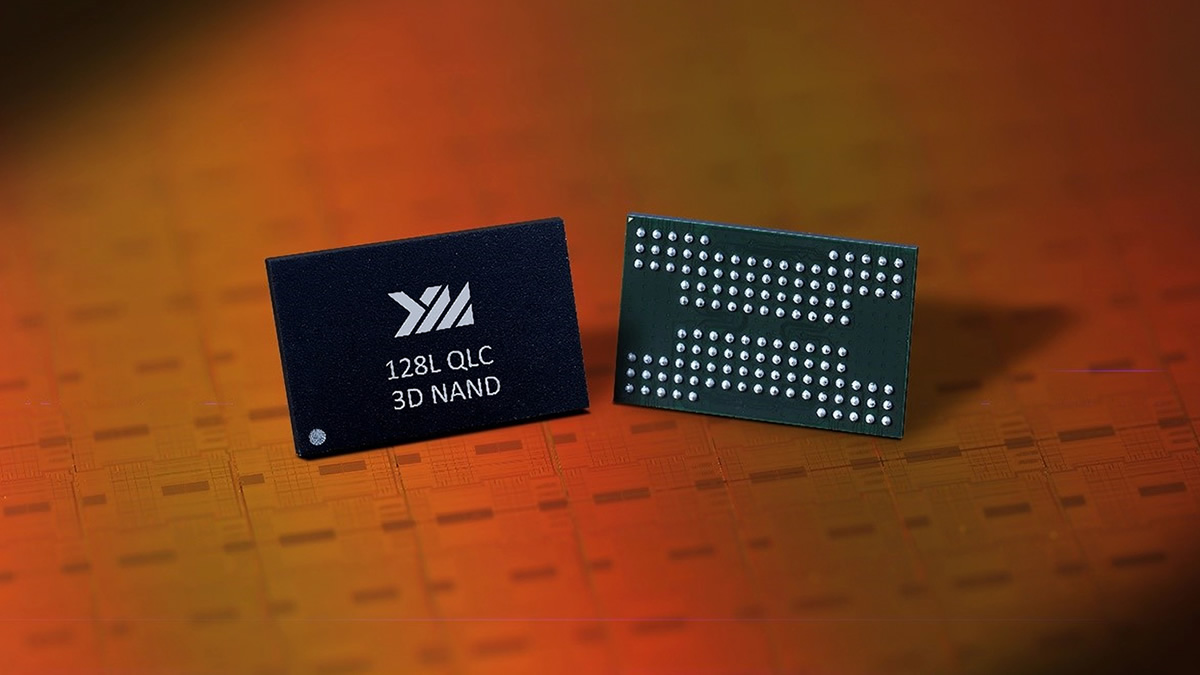
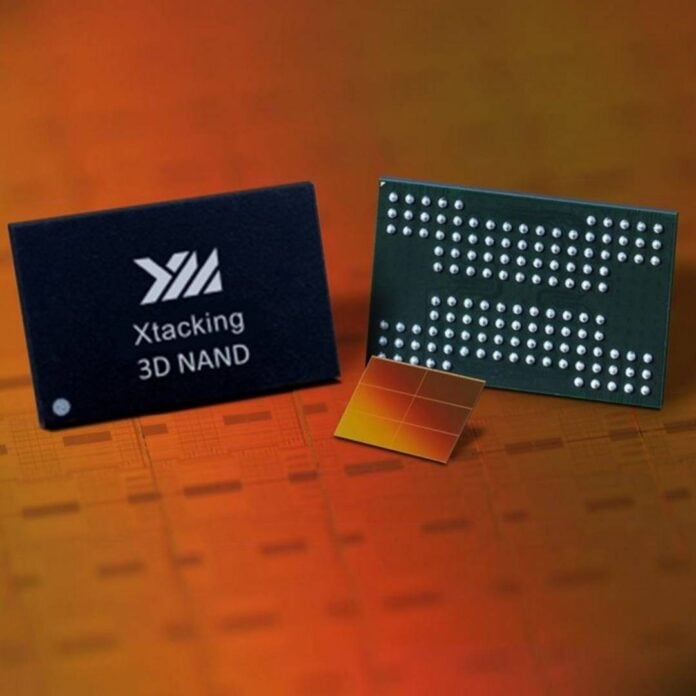
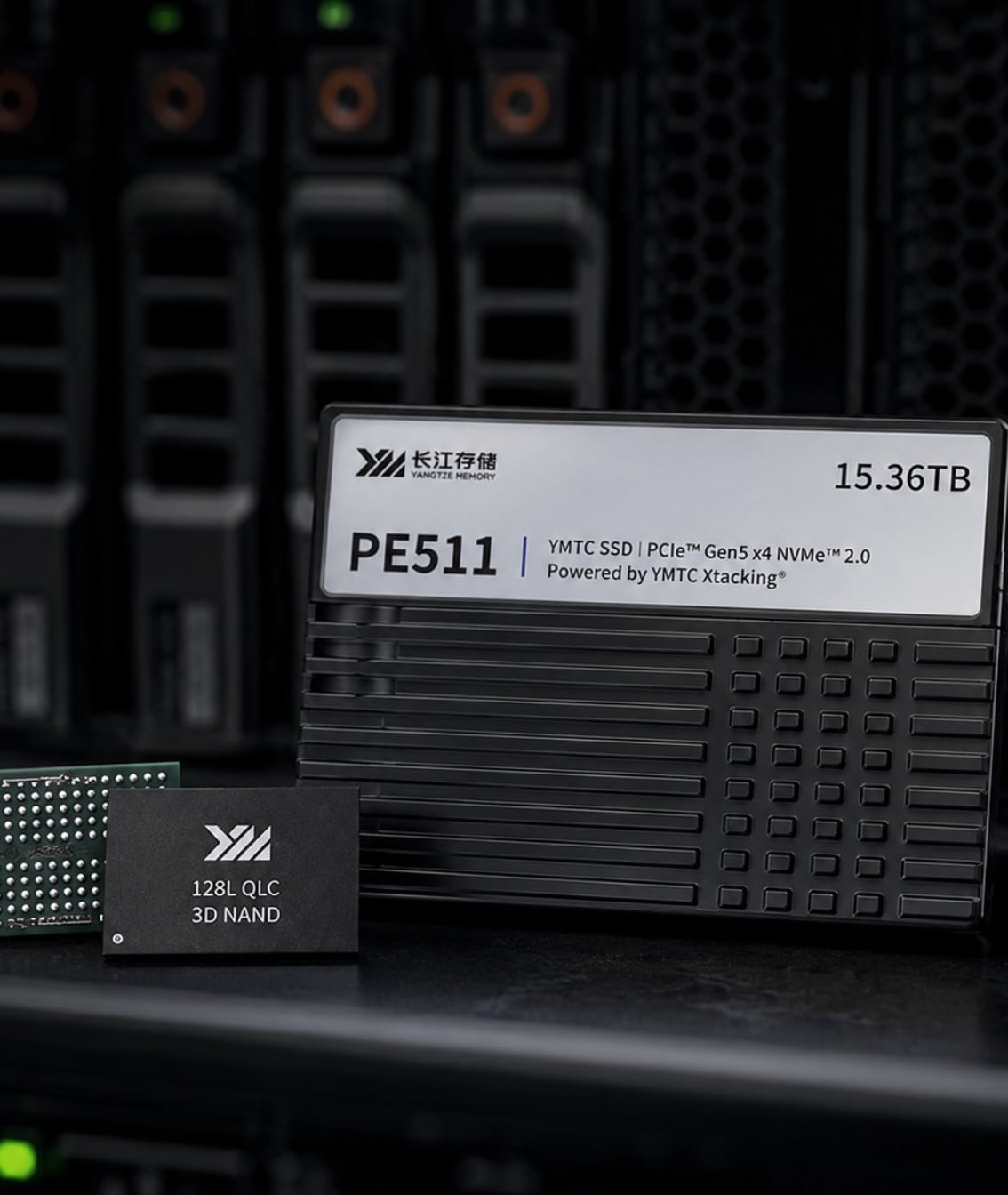
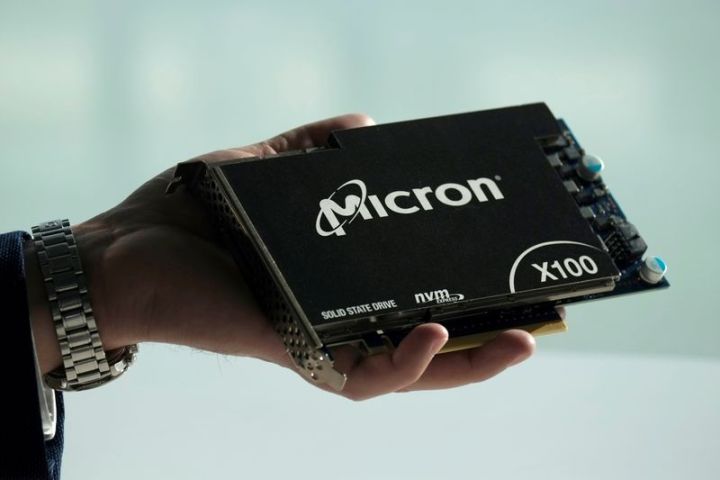
Chinese semiconductor manufacturers are fundamentally reshaping global memory chip supply chains, creating both cost opportunities and sourcing risks for cross-border e-commerce sellers. Yangtze Memory Technologies (YMTC) achieved third place globally in NAND memory shipments during Q2 2026 with 14% market share, surpassing U.S. competitor Micron and Japan's Kioxia, according to Counterpoint Research data released August 12, 2026. This milestone follows CXMT's blockbuster IPO capturing 7% of the DRAM market, positioning Chinese chipmakers as increasingly formidable competitors. The NAND memory market reached $46 billion in Q1 2026, while DRAM hit nearly $100 billion—both record levels driven by surging AI adoption and data center expansion.
For e-commerce sellers, this competitive shift creates immediate sourcing advantages and medium-term supply chain risks. YMTC's rapid expansion signals that Chinese memory chip costs will likely decline 8-15% through 2027-2028 as manufacturing capacity scales, directly reducing component costs for consumer electronics sellers (smartphones, tablets, laptops, IoT devices, gaming hardware). Sellers sourcing from Chinese OEMs and contract manufacturers will benefit from lower NAND/DRAM input costs, improving gross margins by 3-7% on electronics categories. However, the news also indicates geopolitical supply chain fragmentation: Western chipmakers like Micron face margin compression, potentially triggering tariff escalation or export controls targeting Chinese memory chips. Sellers relying on Micron-based components may face 10-20% price increases if U.S. policy restricts Chinese chip imports.
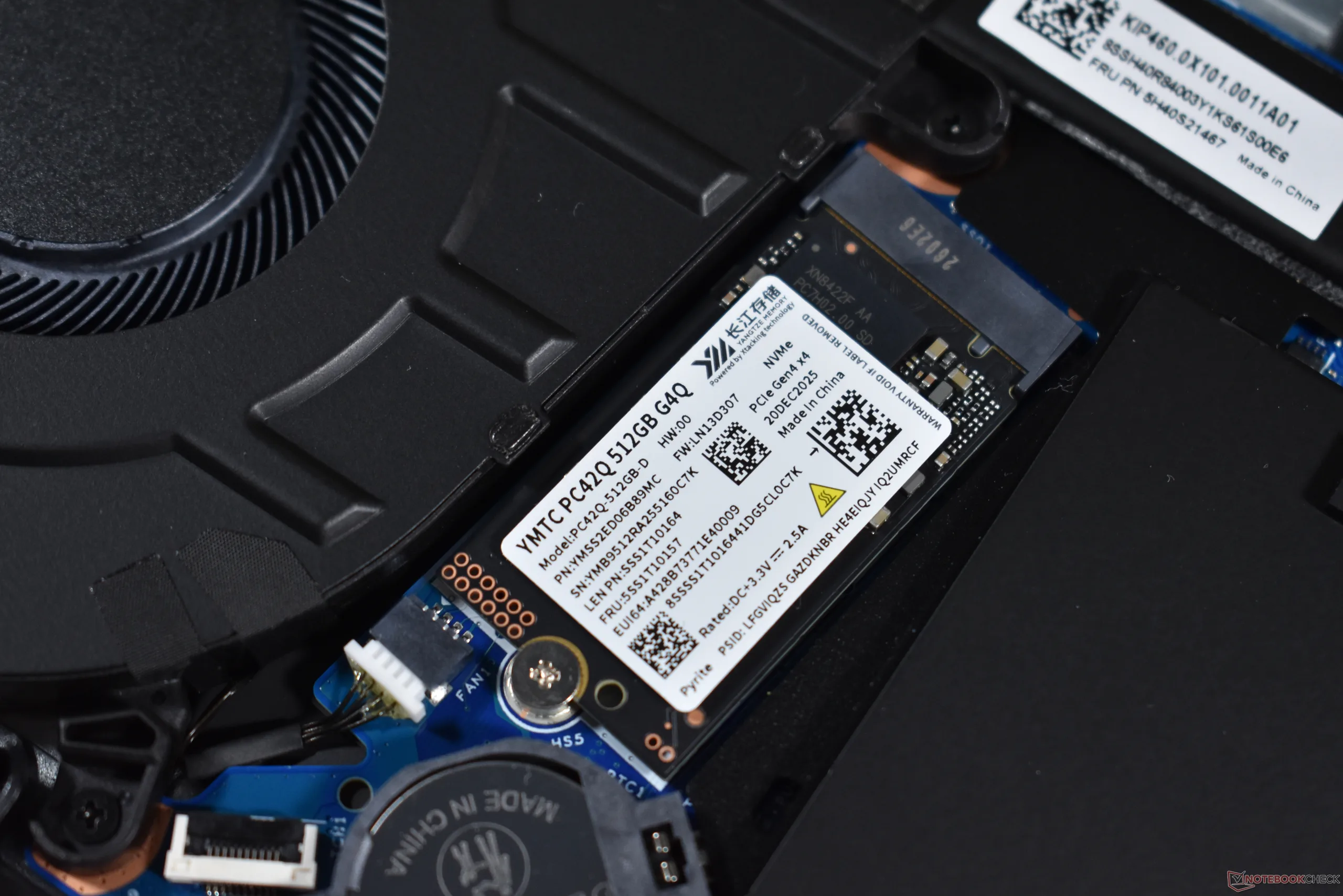
The strategic opportunity window is immediate but time-sensitive. YMTC is preparing its own mainland China public listing (announced for 2026-2027), which will unlock additional capital for manufacturing expansion and consumer-application product development. This means Chinese-sourced electronics components will become increasingly price-competitive through 2027. Sellers should audit their supply chains now: identify which products contain NAND/DRAM components (storage devices, smart home products, wearables, gaming peripherals), map current sourcing to Micron vs. Chinese suppliers, and negotiate long-term contracts with Chinese OEMs before IPO-driven capacity expansion completes. The 15% market share threshold noted by Counterpoint Research Director MS Hwang indicates YMTC will achieve self-funding capability by late 2026, accelerating production ramps. Sellers in consumer electronics, smart home, and gaming categories should expect 12-18 month windows to lock in favorable pricing before Chinese suppliers raise prices post-IPO.
Questions 8
What competitive advantages do sellers gain from Chinese chipmaker IPOs?
YMTC and CXMT's IPOs unlock capital for manufacturing expansion, accelerating cost declines for consumer electronics sellers through 2027-2028. Sellers who source from Chinese OEMs gain 3-7% margin improvements compared to competitors using Micron-based components. This advantage is most pronounced for small-to-medium sellers (SMBs) with $1-50M annual revenue who can negotiate directly with Chinese suppliers and lock in favorable pricing. Large sellers (Amazon, Walmart suppliers) face less advantage since they already have established supplier relationships and volume discounts. The strategic window for SMBs is immediate: establish relationships with Chinese OEMs, negotiate long-term contracts, and build inventory before capacity expansion completes and pricing normalizes by late 2027.
How should sellers adjust inventory strategy given YMTC's market expansion?
Sellers should increase inventory of NAND/DRAM-intensive products (smart home, gaming, wearables) through Q4 2026 to capitalize on declining component costs before YMTC's IPO. Lock in supplier pricing for 12-18 month contracts now, then increase order volumes 15-25% in Q3-Q4 2026 to build inventory at favorable costs. This strategy works best for sellers with 3-6 month inventory turnover and $500K+ monthly revenue. After Q1 2027, reduce inventory build rates as pricing leverage shifts to suppliers. Additionally, sellers should monitor YMTC's IPO announcement and adjust inventory timing accordingly—if IPO completes earlier than expected (Q4 2026), accelerate purchasing; if delayed to Q1 2027, maintain current levels.