


U.S. Consumer Purchasing Power Collapse | Critical Demand Shift for E-Commerce Sellers
- Wage-price gap widens to 5-year low; consumer savings rate drops to 2.7% (June 2024); credit card debt hits $1.26T; sellers must pivot to value-tier products and optimize payment financing














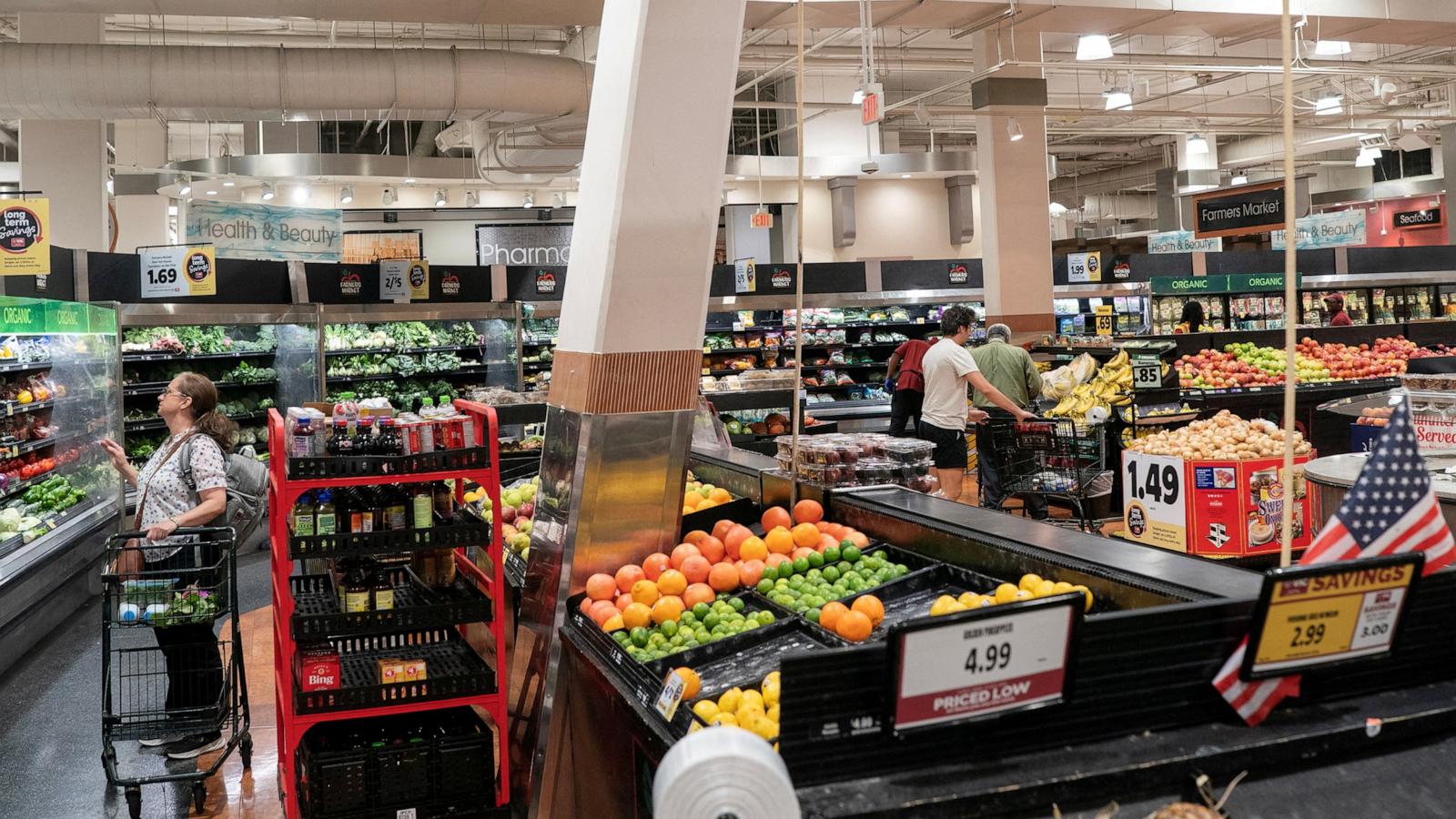
Overview
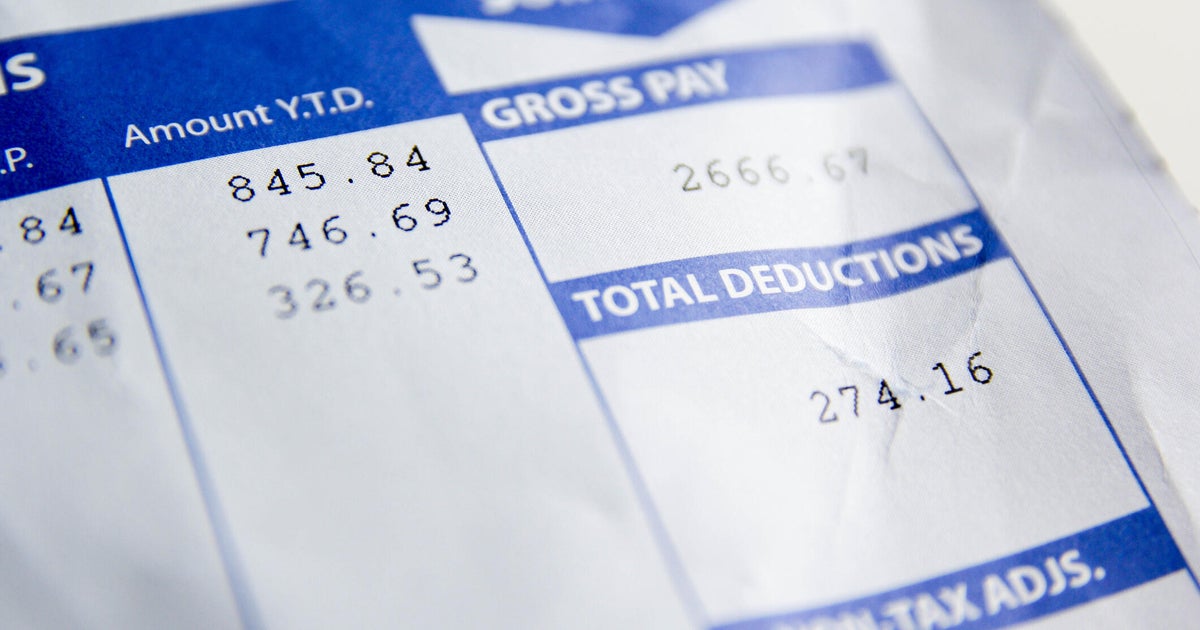
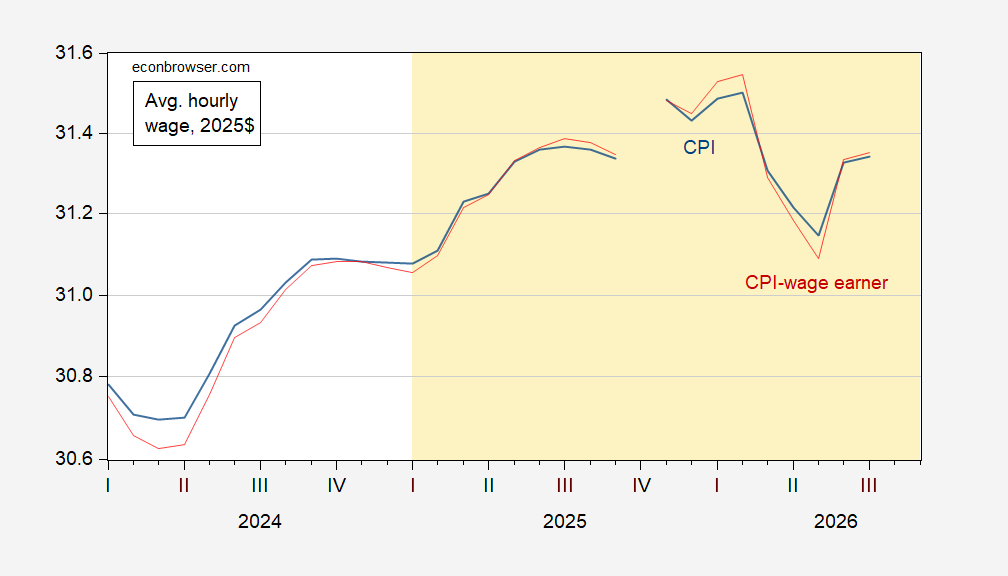
The U.S. consumer market faces a critical purchasing power crisis that fundamentally reshapes e-commerce demand dynamics. While July 2024 inflation cooled to 3.4% year-over-year, wage growth stalled at 3.2% annually—a five-year low—creating a devastating wage-price gap that emerged in April and intensified following February's Iran-driven energy shock (gasoline prices surged 36% to $4.07/gallon by late July). Glassdoor's lead economist Daniel Zhao confirms that price increases have "almost entirely wiped out wage gains for the average worker over the last year," while the U.S. economy unexpectedly shed 23,000 jobs in July with 103,000 downward revisions across prior months.
For cross-border e-commerce sellers, this consumer distress creates immediate financial stress signals: The savings rate collapsed to 2.7% in June—the lowest since 2022—while credit card debt reached $1.26 trillion, approaching the all-time record of $1.28 trillion. This indicates consumers are financing purchases through debt rather than savings, fundamentally altering payment behavior and default risk profiles. Sellers operating on Amazon, eBay, and Shopify must recognize that their customer base is experiencing genuine financial compression, not temporary inflation. The Washington Post-Ipsos poll confirms "economy and high prices" rank among the three most important voter concerns, signaling sustained consumer resentment toward price increases.
Payment and financing implications are immediate: With consumers increasingly reliant on credit cards to maintain spending, sellers should prioritize payment methods offering installment options (Affirm, Klarna, PayPal Credit) to reduce cart abandonment. The soft labor market and "wage compression" tactics by businesses mean consumer income volatility is rising—increasing default risk on payment plans. Sellers should evaluate invoice financing and supply chain financing products to accelerate cash conversion cycles, as consumer payment delays will likely extend. Currency arbitrage opportunities emerge as the U.S. labor market weakness may pressure the dollar; sellers with multi-currency exposure should hedge FX positions now before further Fed policy shifts. The $1.26T credit card debt level signals consumers are maxing out revolving credit—meaning payment method diversification becomes critical to capture sales from credit-constrained buyers.
Category-specific demand shifts are already underway: Budget-conscious consumers will migrate toward value-tier products, private label alternatives, and discount marketplaces. Sellers in premium/luxury categories face margin compression as consumers trade down; those in essentials (grocery, health, home basics) gain relative advantage. The 23,000 job losses and 103,000 downward revisions suggest labor-intensive fulfillment costs will rise (wage compression is temporary; eventual wage pressure follows job losses), making 3PL and FBA cost optimization urgent. Sellers should immediately audit their payment processing fees across corridors—high-fee payment methods will see adoption collapse as consumers optimize transaction costs.
Questions 8
Should sellers shift inventory to value-tier products or maintain premium mix?
The wage-price gap and consumer purchasing power collapse strongly favor value-tier products. Consumers are explicitly trading down—Glassdoor confirms price increases have 'wiped out wage gains,' and the Washington Post-Ipsos poll shows 'economy and high prices' are top voter concerns. Sellers should immediately audit their inventory mix: calculate sell-through rates by price tier and margin by category. If premium products are underperforming (BSR declining, conversion rates dropping), shift 20-40% of inventory budget to value-tier alternatives. Launch private label or budget sub-brands to capture trade-down demand without cannibalizing premium margins. Use Amazon category performance data to identify which value-tier subcategories are gaining velocity. However, don't abandon premium entirely—affluent consumers (top 20% income) are less affected by wage-price gap. Maintain a 60/40 or 70/30 split favoring value-tier, depending on your category. Timeline: execute inventory shifts within 30 days to capture Q3-Q4 demand. Monitor sell-through rates weekly and adjust allocation monthly.
How can sellers accelerate cash conversion cycles given consumer payment delays?
Consumer financial stress (savings rate at 2.7%, credit card debt at $1.26T) will extend payment cycles as buyers delay payments or default on installment plans. Sellers should immediately evaluate supply chain financing products: invoice factoring (convert receivables to cash at 1-3% discount), supply chain financing platforms (Taulia, Fintech Collective), and PO financing (fund inventory before sales). These products typically unlock 30-60% of working capital within 5-10 business days. For Amazon FBA sellers, consider inventory financing products (Clearco, Fundbox) that lend against inventory velocity. Negotiate faster payment terms with suppliers (net-15 vs net-30) to improve your cash cycle. Implement dynamic pricing and promotional strategies to accelerate inventory turnover—faster sales = faster cash conversion. Monitor Days Sales Outstanding (DSO) weekly; if it extends beyond your historical average, activate financing immediately. Cost: invoice factoring typically costs 1-3% of invoice value; PO financing costs 8-15% APR. ROI is positive if it prevents stockouts or enables you to capture seasonal demand.