



Global Energy Crisis Threatens E-Commerce Logistics | Shipping Cost Surge Ahead
- US Strategic Petroleum Reserve at 40-year low; diesel/jet fuel stocks at 5-year lows; cross-border sellers face 8-15% freight cost increases within 6 months















Overview
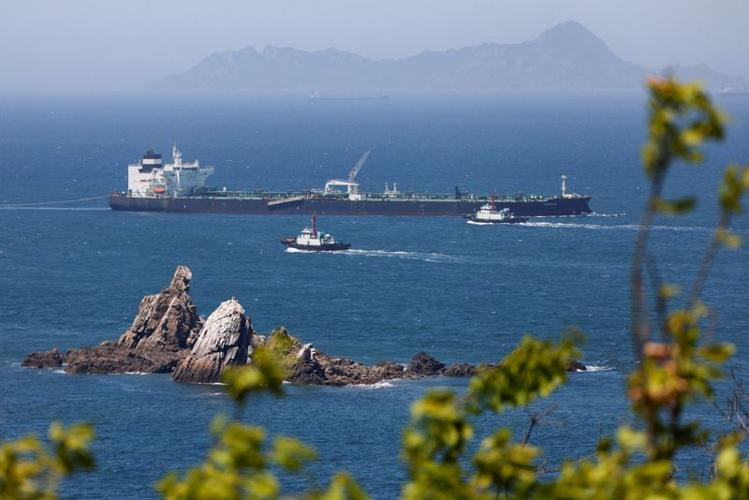
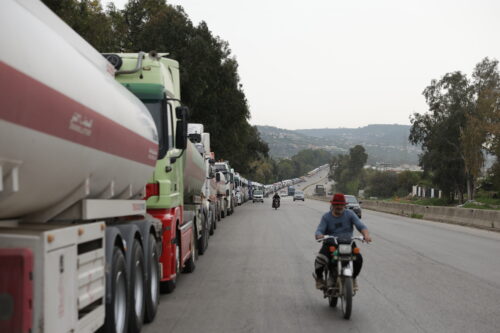
The escalating US-Iran conflict has triggered an unprecedented global energy crisis with direct implications for cross-border e-commerce logistics and operational costs. According to Reuters analysis, the world has lost 2.6 billion barrels of oil since the conflict began—the largest cumulative disruption since the 1979 Iranian revolution—creating a 5-11 million barrel-per-day supply gap. The US Strategic Petroleum Reserve has fallen to its lowest level since 1983, with the Government Accountability Office warning that 25% of reserves are inaccessible due to infrastructure deterioration, leaving only 200 million barrels available (covering just 40 days of current supply gaps). Global diesel and jet fuel stocks remain at five-year lows, presenting acute vulnerability for air freight and expedited shipping operations.
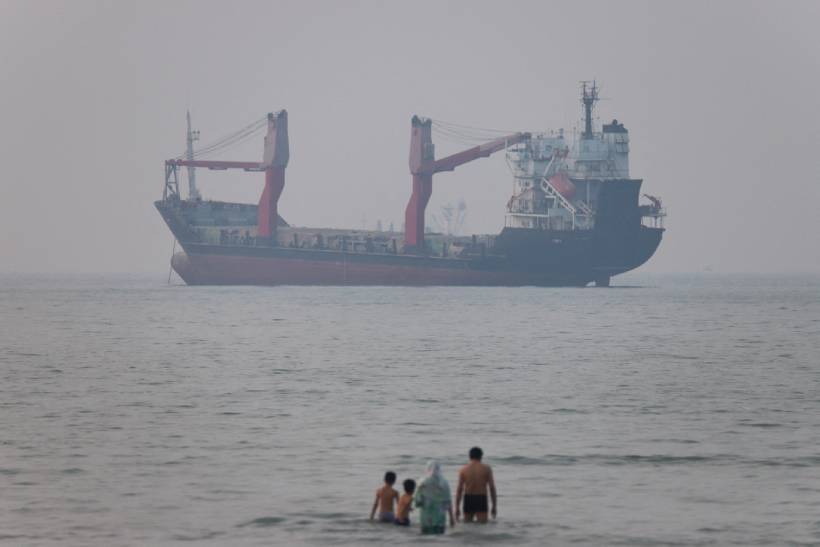
For cross-border e-commerce sellers, this energy crisis directly translates to elevated logistics costs across all shipping corridors. Rising fuel surcharges on air freight, ocean shipping, and ground transportation will compress profit margins by 8-15% for sellers relying on expedited delivery methods. Sellers shipping high-value electronics, apparel, and time-sensitive goods via air freight face the most acute cost pressures. Amazon FBA sellers using expedited inbound shipping to fulfillment centers will experience increased storage costs as inventory turnover slows due to higher freight expenses. The IEA released 400 million barrels in March and stated readiness for additional releases, but analysts note new releases appear unlikely given depleted stocks across major economies, suggesting sustained energy price volatility through Q3 2025.
Strategic sourcing and logistics optimization become critical competitive advantages. Sellers should immediately evaluate 3PL providers offering ocean freight consolidation to reduce per-unit air freight dependency. China's substantial reserves (1.0-1.7 billion barrels) provide nearly one year of coverage for pre-war import levels, positioning Chinese manufacturers and suppliers with cost advantages over Western competitors. Sellers can capitalize on this by shifting 20-30% of inventory to ocean freight with 45-60 day lead times, accepting longer fulfillment windows in exchange for 12-18% cost savings. Categories with lower velocity (home goods, seasonal items) benefit most from this shift, while fast-moving SKUs (electronics, beauty) may require hybrid approaches combining ocean freight for base stock with air freight for peak demand periods.
Questions 8
How does China's oil reserve advantage affect sourcing strategy for sellers?
China maintains estimated reserves of 1.0-1.7 billion barrels, providing nearly one year of coverage for pre-war import levels of 5.5 million barrels daily. This positions Chinese manufacturers with significant cost advantages over Western suppliers during the energy crisis. Sellers should prioritize sourcing from established Chinese suppliers rather than diversifying to India or Vietnam, as Chinese logistics infrastructure will benefit from lower domestic energy costs. However, verify supplier stability and lead times, as energy constraints may still affect manufacturing capacity in secondary industries.
Should sellers increase inventory levels now before freight costs rise further?
Selective inventory increases are justified only for fast-moving SKUs (electronics, beauty) with 20%+ gross margins that can absorb freight cost increases. Slow-moving inventory (turnover <2x annually) should not be increased, as storage costs will compound freight expenses. For Amazon FBA sellers, the current IPI (Inventory Performance Index) scoring system penalizes excess inventory, making bulk pre-buying risky. Instead, focus on optimizing existing inventory velocity and shifting slow SKUs to Fulfillment by Merchant (FBM) or 3PL warehouses with lower storage costs.