




FDA Class I Egg Recall Signals Stricter Food Safety Compliance | Seller Supply Chain Risk
- 19 million eggs recalled across 6 states; 98 illnesses, 26 hospitalizations; affects food sellers, meal kit providers, and bakery suppliers relying on egg sourcing


























Overview
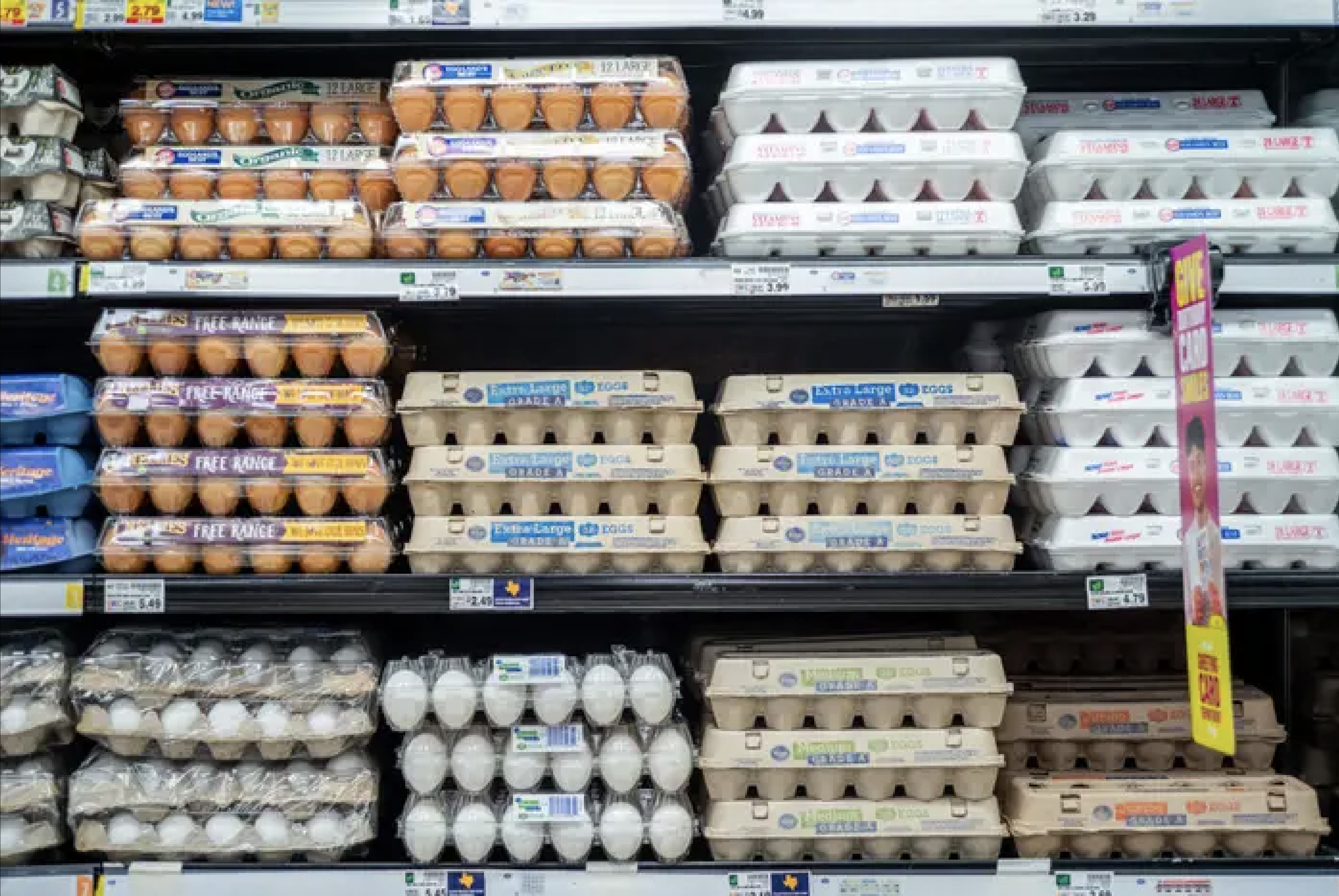
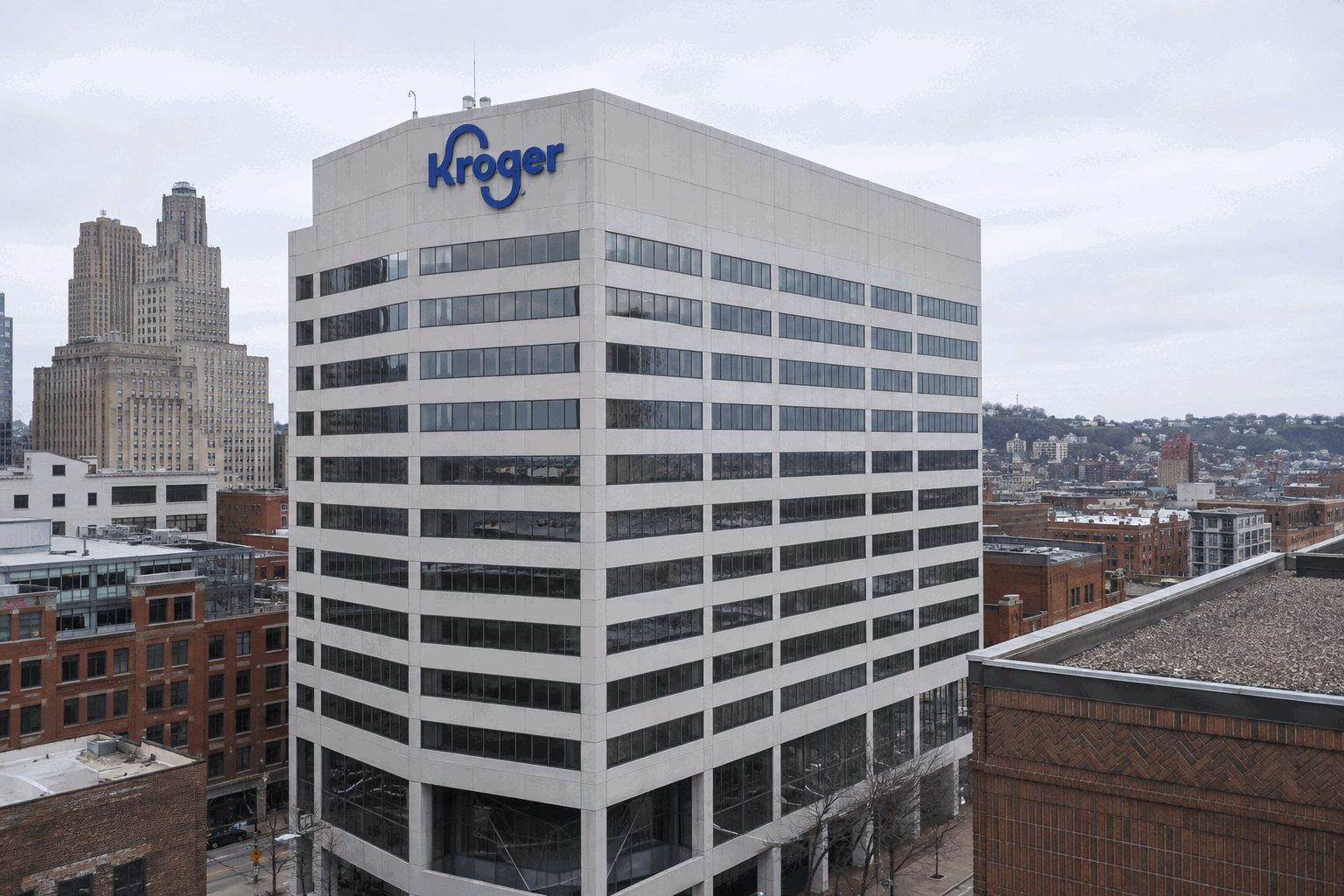
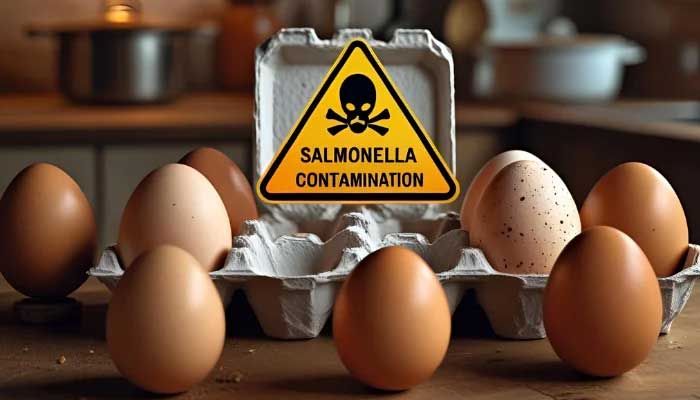
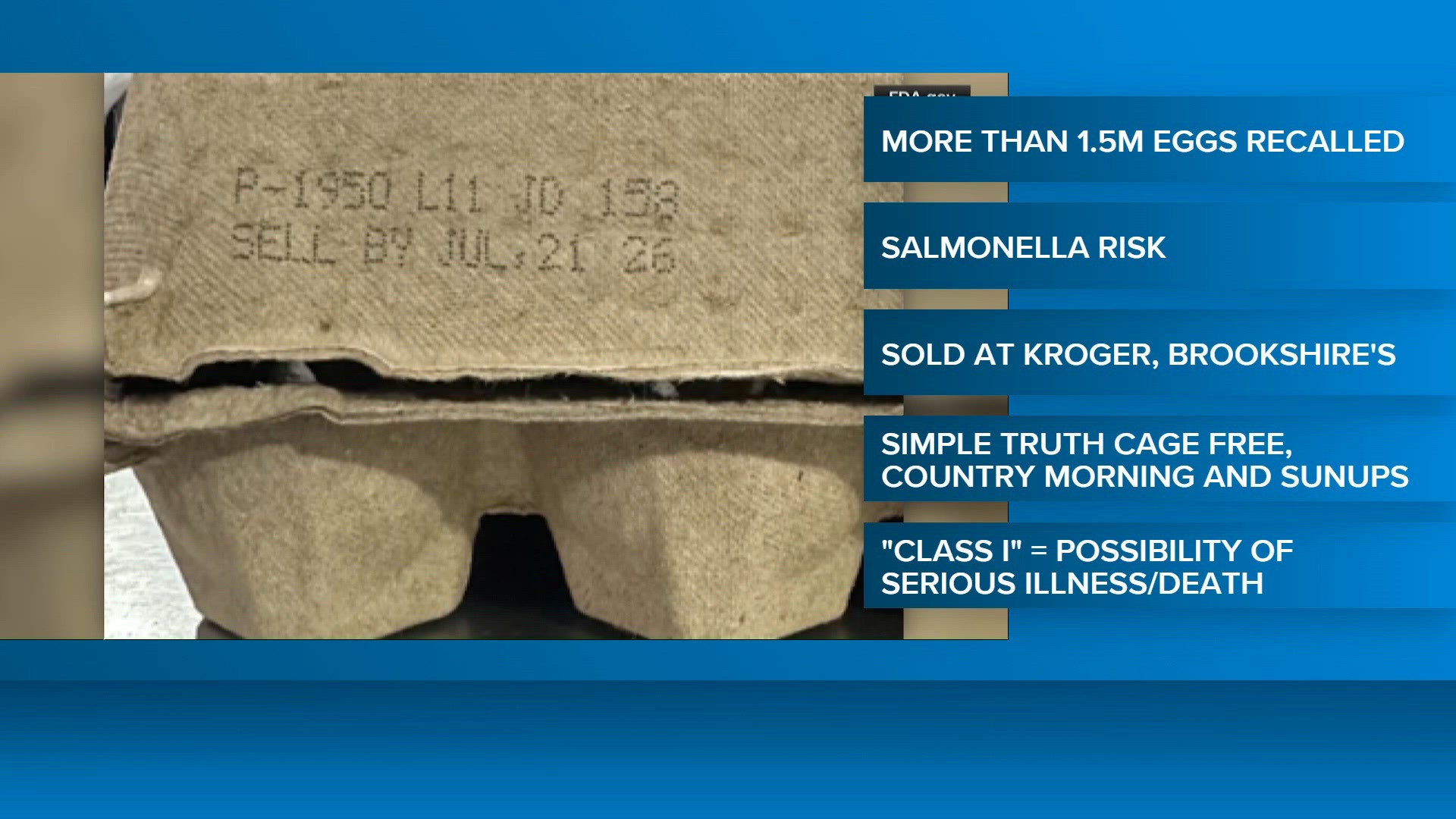
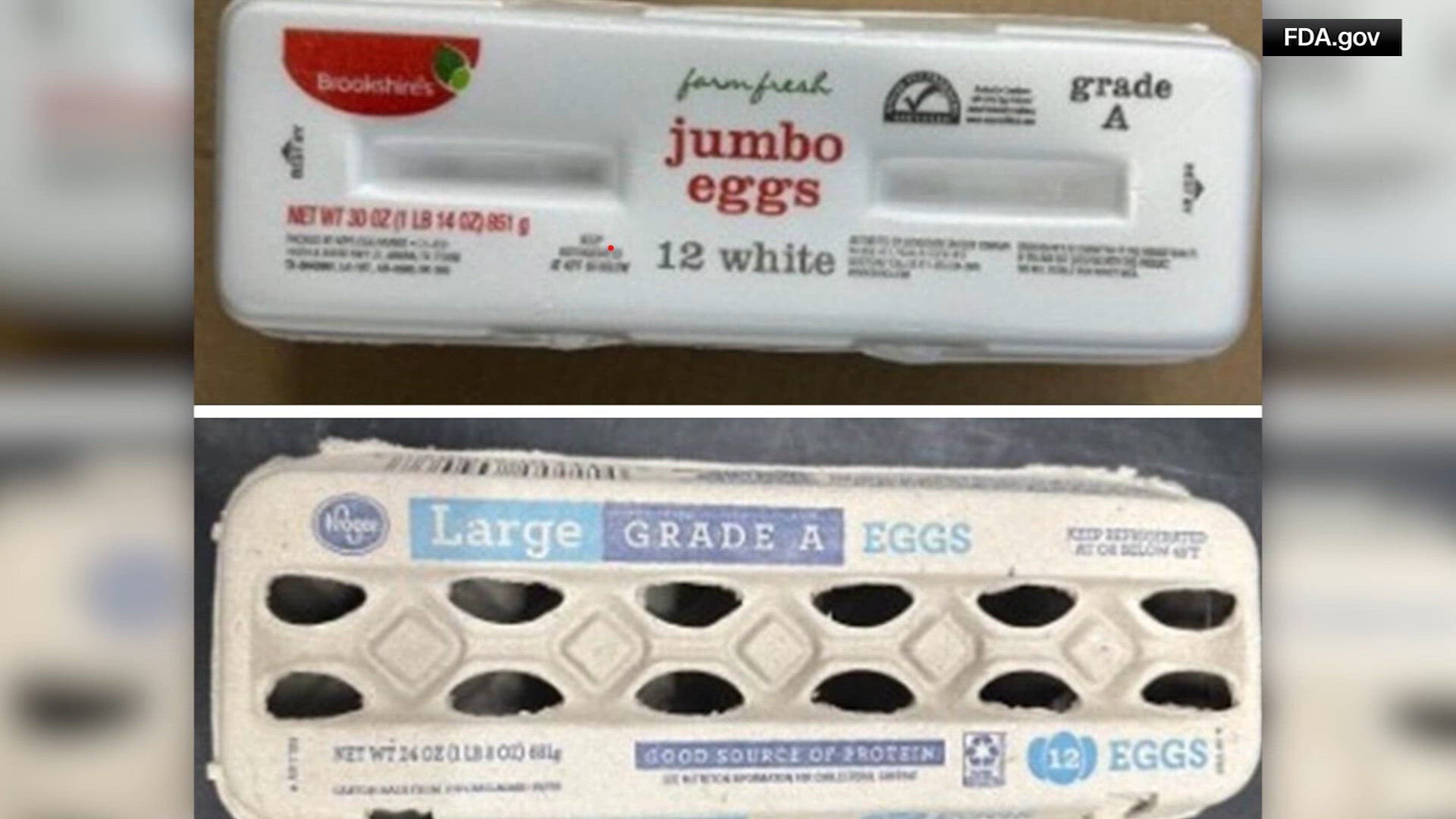
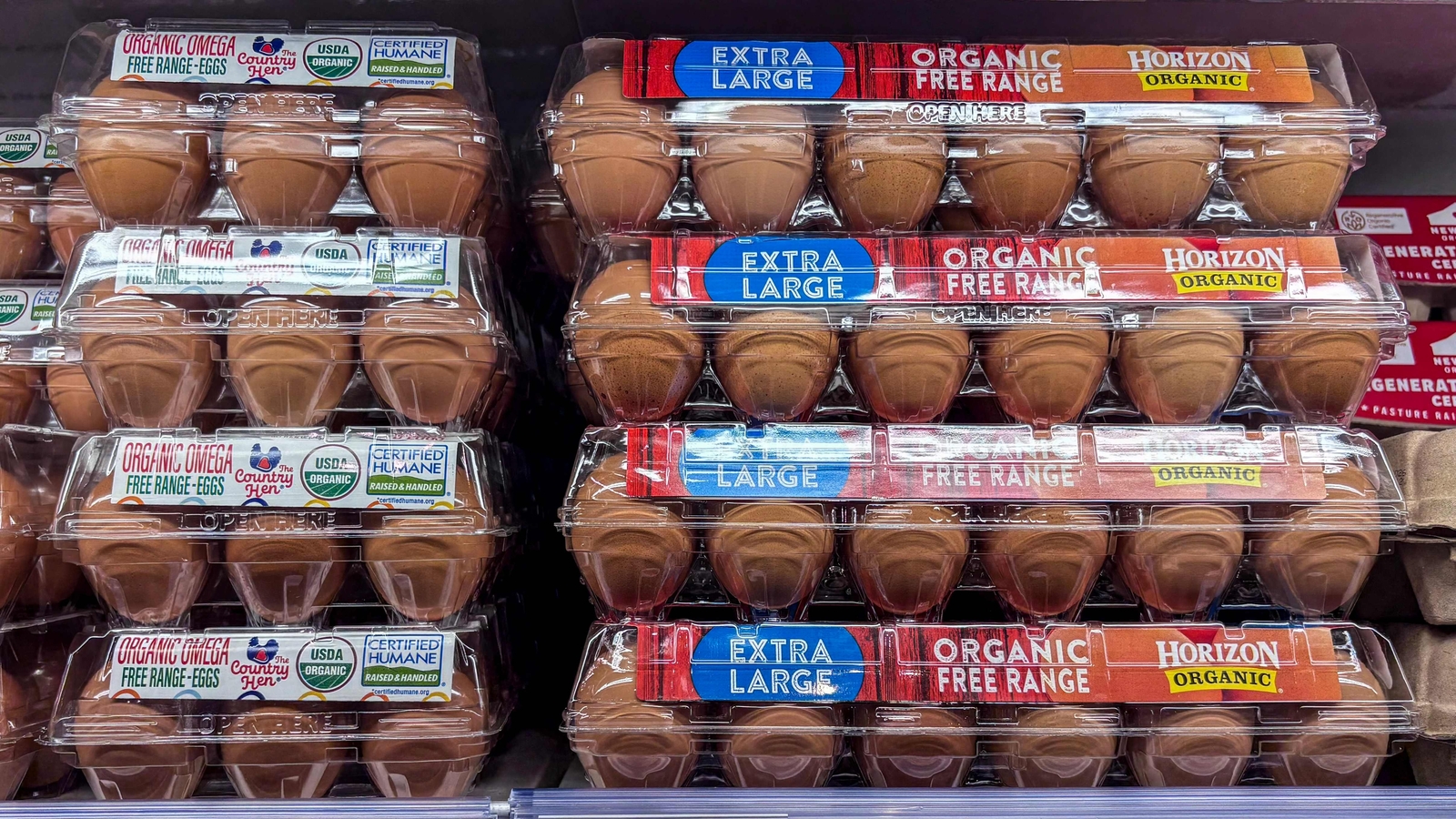
The FDA's August 2026 Class I recall of 19 million eggs from Midwest Poultry Services represents the highest-risk food safety designation, signaling accelerating regulatory enforcement that directly impacts e-commerce food sellers, meal kit platforms, and ingredient suppliers. The recall—affecting 1.5-1.6 million dozen eggs distributed through Kroger, Brookshire Grocery, and smaller retailers across Texas, Louisiana, Oklahoma, Arkansas, New Mexico, and Mississippi—demonstrates that environmental monitoring failures now trigger immediate market removal, not gradual phase-outs. For e-commerce sellers, this creates a critical compliance inflection point: food businesses sourcing eggs as ingredients must now implement real-time supplier verification systems to avoid liability exposure, inventory write-offs, and platform suspension.
The compliance barrier is now operational, not just regulatory. The recall identifies specific batch codes (P-1950, 0840962) and Julian dates (157-184) with sell-by dates through August 17, 2026, requiring sellers to maintain granular lot-level traceability across their supply chains. Sellers operating on Amazon Fresh, Instacart, Walmart+, and specialty food platforms face immediate inventory audits; non-compliance risks include product delisting, account suspension, and potential FTC enforcement for failure to disclose contamination risks. The 98 confirmed illnesses across 17 states and 26 hospitalizations (November 2025-June 2026) establish precedent for aggressive FDA intervention—suggesting future recalls will move faster and affect larger volumes.
This recall eliminates non-compliant suppliers as a competitive moat. Sellers currently sourcing from unvetted poultry suppliers face 30-60 day supply chain disruptions as they pivot to certified producers with documented environmental monitoring protocols. Compliant suppliers—those with FSMA (Food Safety Modernization Act) certification, third-party audits, and real-time contamination detection systems—can now command 8-15% price premiums while capturing market share from competitors forced into emergency sourcing. The American Egg Board's statement that the recall was executed "out of abundance of caution" signals that proactive environmental testing is now table-stakes, not optional. Sellers without documented supplier audits face regulatory liability; those with certified supply chains gain defensible competitive positioning.
Service gap opportunity: Compliance-as-a-Service for food sellers. The recall demonstrates urgent demand for supply chain verification platforms that track batch codes, Julian dates, and supplier certifications in real-time. Sellers on Amazon, Shopify, and Instacart currently lack integrated tools to cross-reference FDA recall lists against their inventory; third-party compliance services offering automated recall matching, supplier certification verification, and lot-level traceability could capture 20-30% of mid-market food sellers ($500K-$5M annual revenue) within 12 months. This represents a $50-100M addressable market for compliance SaaS platforms targeting food e-commerce.
Questions 7
Which product categories face highest compliance risk after this recall?
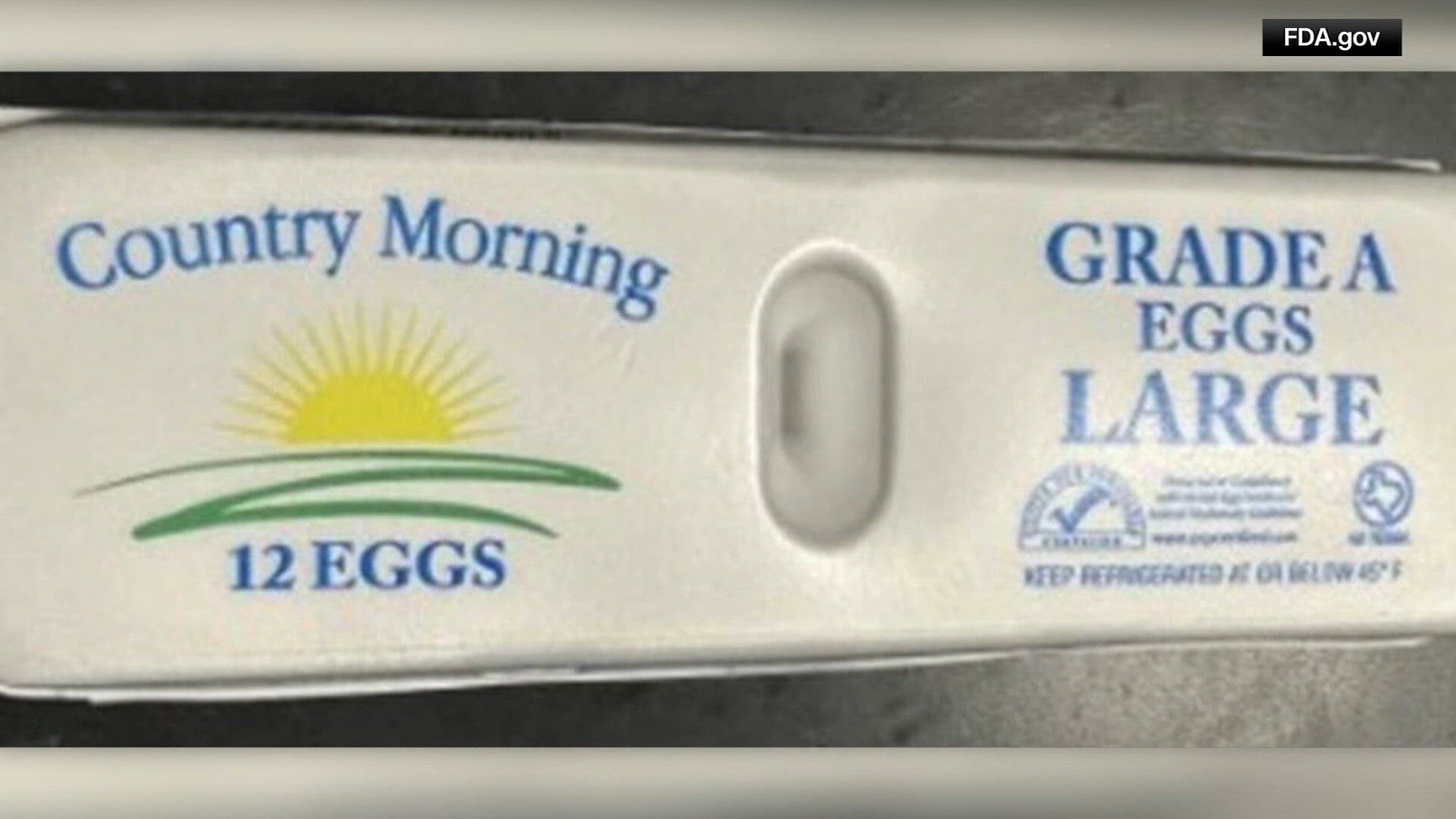
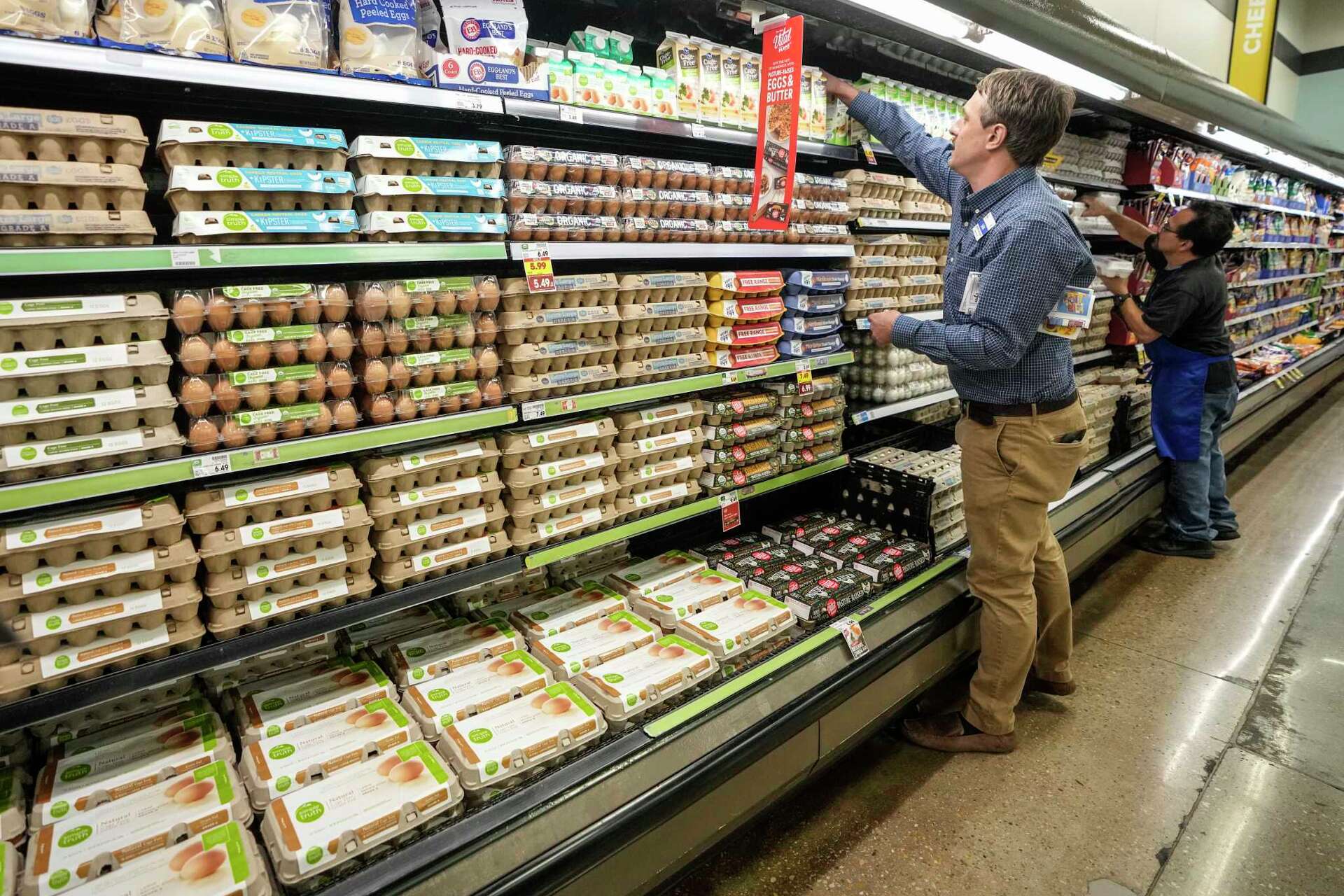
Categories with highest risk include: (1) meal kit services (Blue Apron, HelloFresh competitors), (2) bakery and pastry sellers, (3) prepared food suppliers, (4) specialty food brands using eggs as ingredients. These categories rely on consistent egg sourcing and face immediate inventory disruption if suppliers are recalled. The recall affected brands including Kroger, Simple Truth, Brookshires, Country Morning, and SunUps—demonstrating that even major retailers' private labels are vulnerable. Sellers in these categories should implement supplier diversification (2-3 certified suppliers minimum) to mitigate single-source contamination risk.
How long does it take to implement compliant supply chain systems?
Implementing full compliance typically requires 4-8 weeks: (1) supplier audit and certification (2-3 weeks), (2) batch code tracking system setup (1-2 weeks), (3) FDA recall list integration (1 week), (4) staff training and testing (1 week). Sellers can accelerate by using third-party compliance platforms (Trace Labs, FoodLogiQ) that integrate directly with Amazon Seller Central and Instacart, reducing implementation to 2-3 weeks. The recall demonstrates that delays create inventory risk; sellers should prioritize implementation immediately to avoid future supply chain disruptions.