


FDA Inspection Crisis Creates Compliance Moat for Certified Produce Sellers | 25K Cases
- FDA conducting only 5% of mandated foreign inspections; creates urgent compliance opportunity for sellers implementing third-party verification systems and water safety certifications











Overview
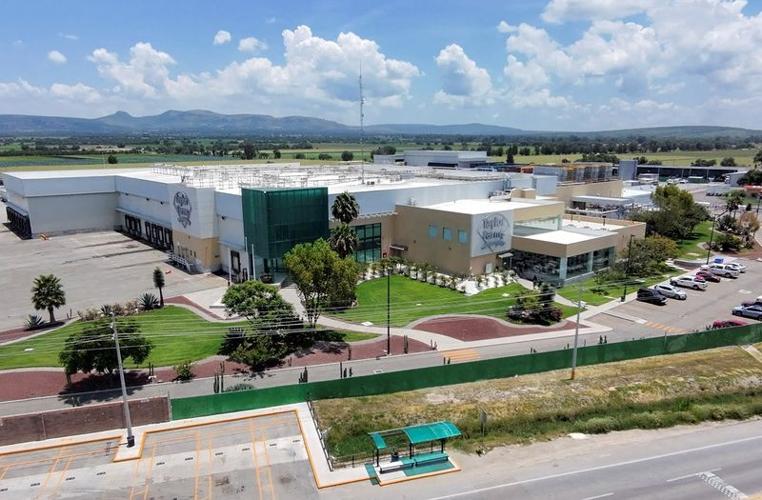
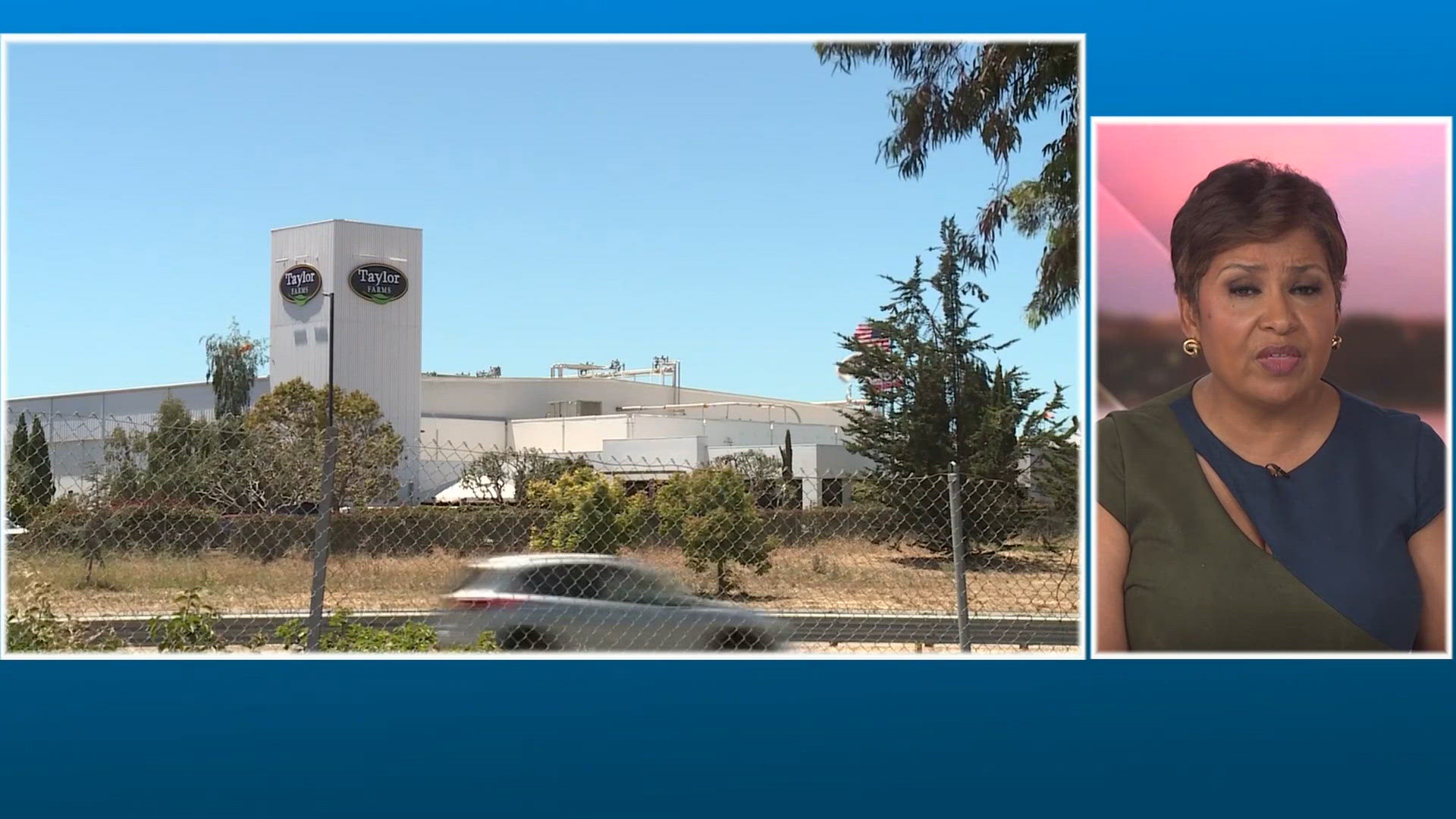
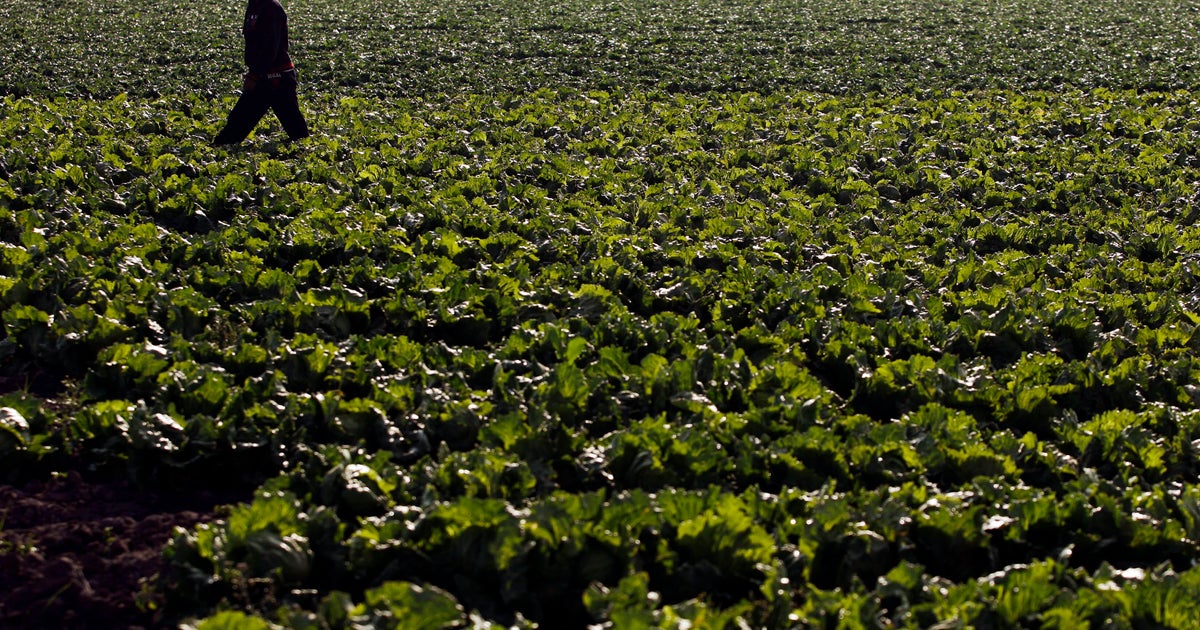
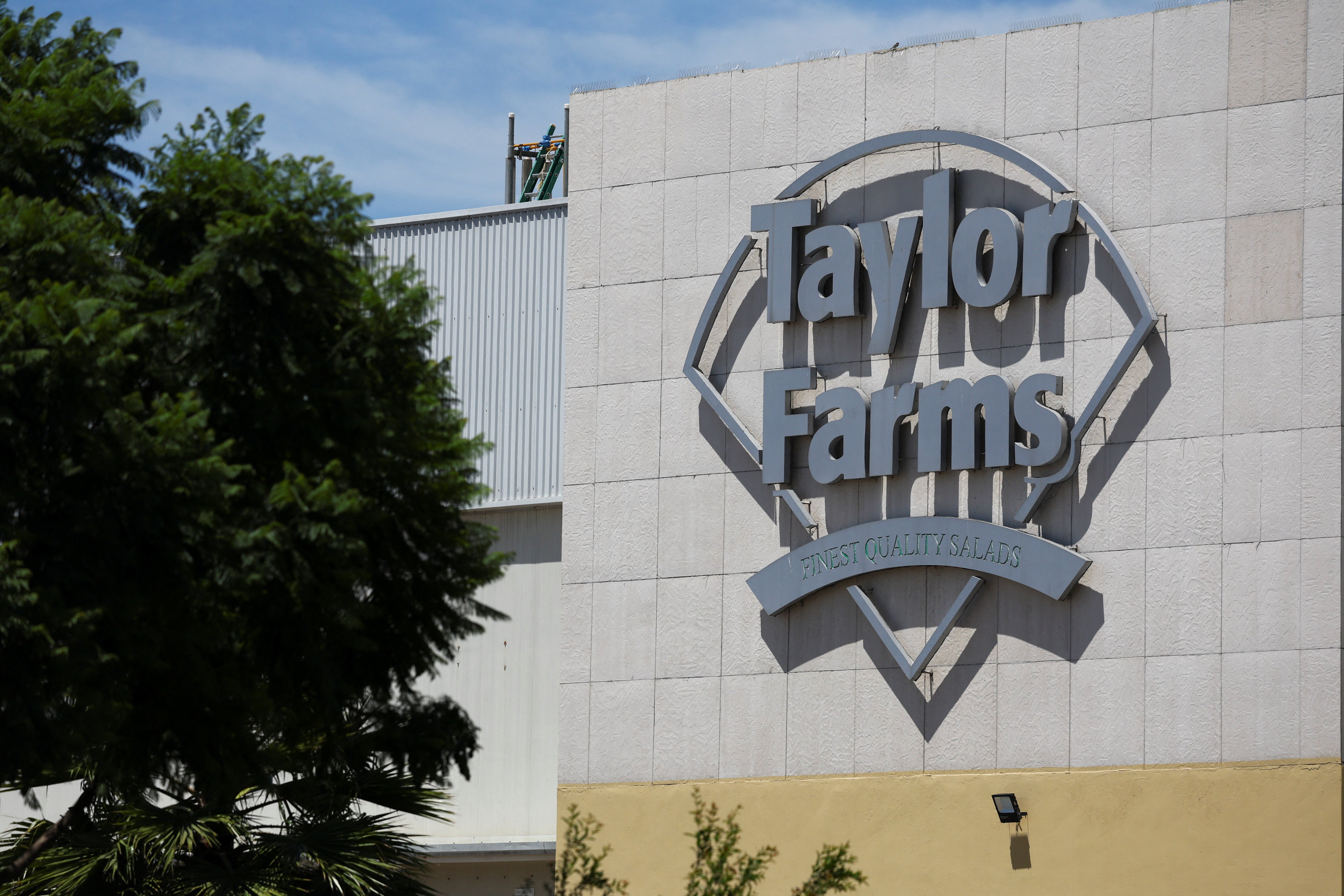
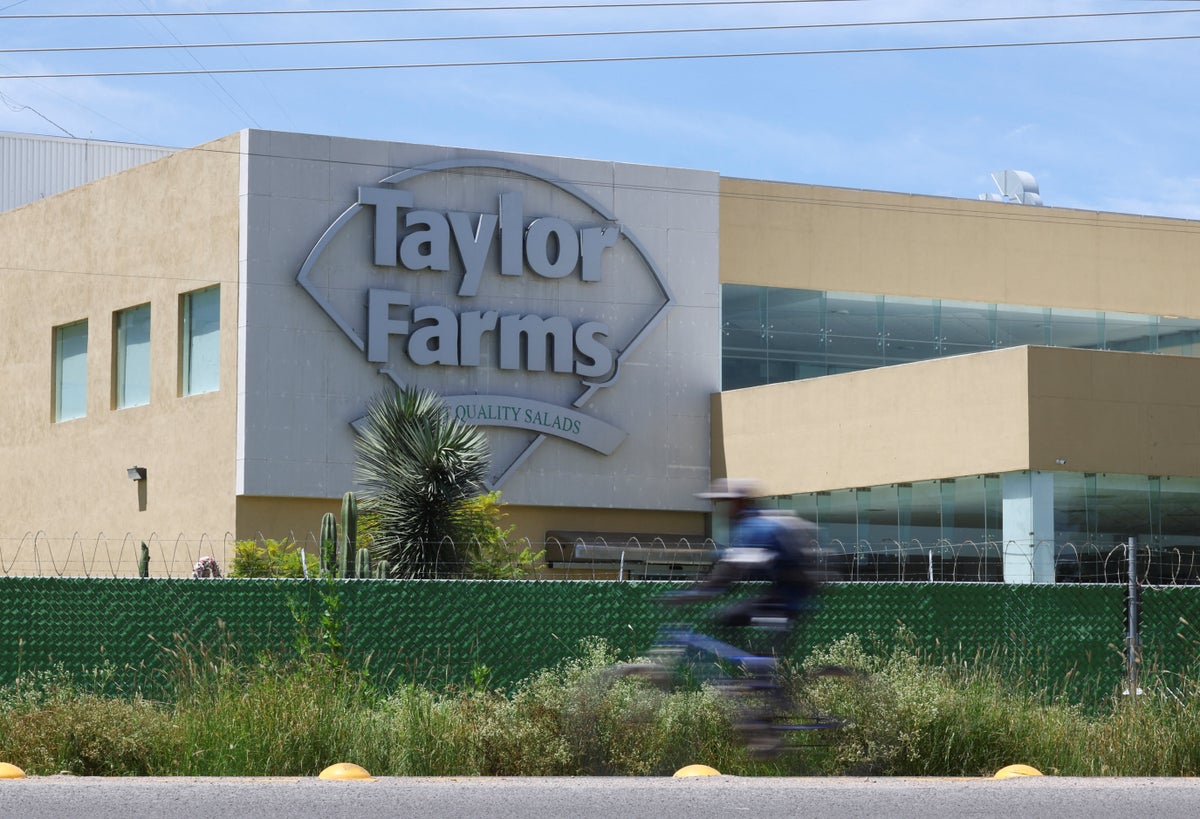
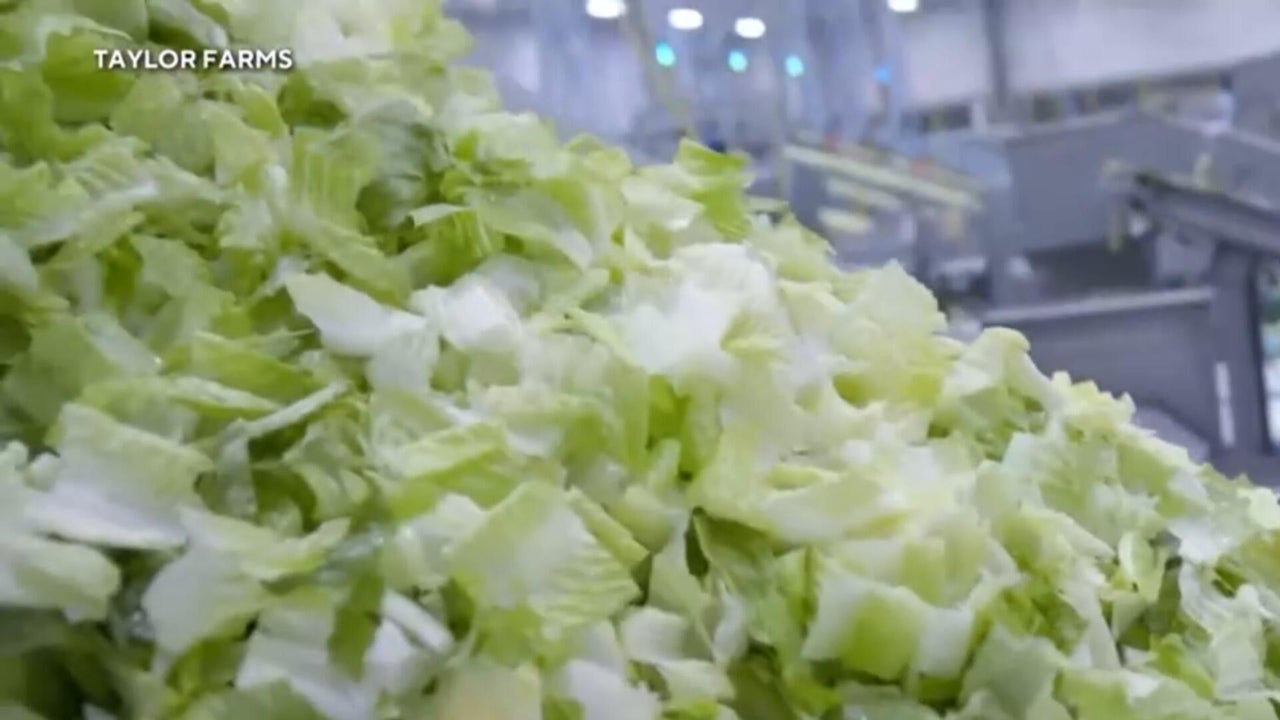
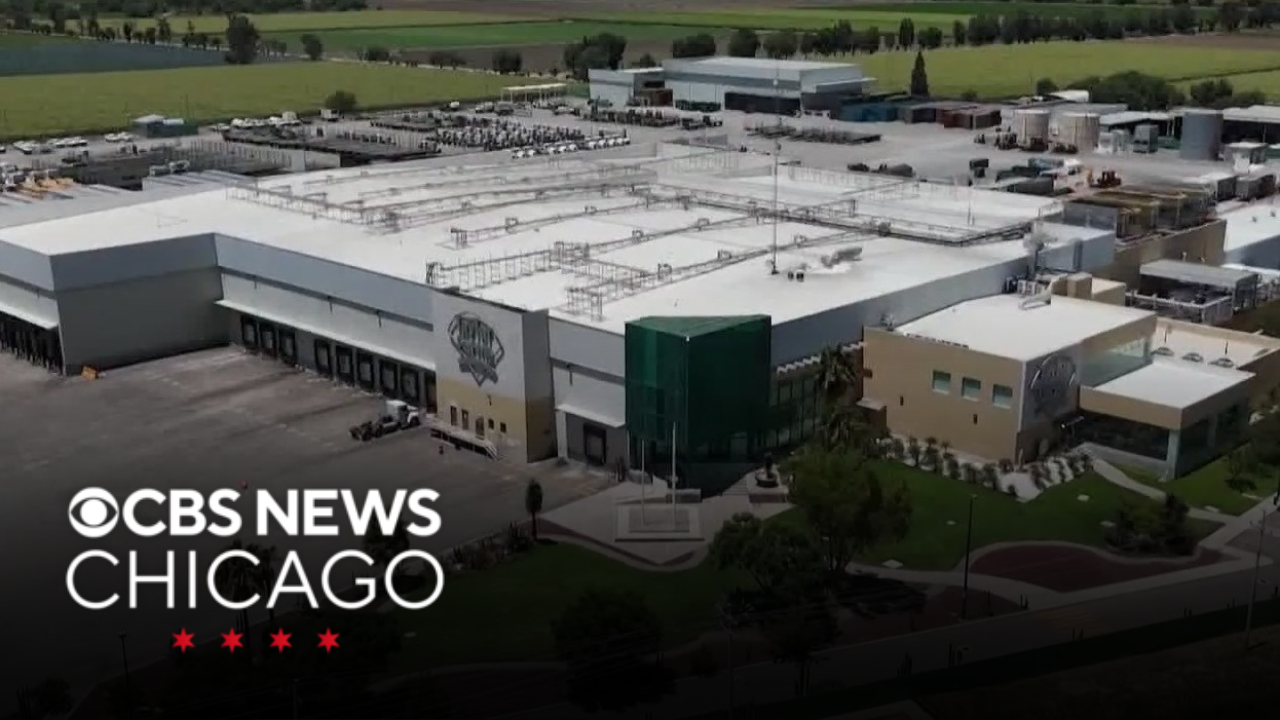
The cyclosporiasis outbreak linked to Taylor Farms' Mexican lettuce operation—affecting nearly 25,000 consumers across 15 U.S. states with 2 deaths as of August 2026—exposes a critical regulatory enforcement gap that fundamentally reshapes compliance requirements for cross-border food e-commerce sellers. The FDA conducted fewer than 1,000 foreign facility inspections in 2025 against a federal mandate of 20,000 annually, representing only 5% compliance with inspection quotas. This systemic failure, driven by 22% FDA workforce reductions between 2024-2026 and budget constraints, means that imported produce suppliers now operate in a low-enforcement environment where regulatory gaps become competitive advantages for compliant sellers.
The Compliance Moat Opportunity: With FDA inspection capacity at historic lows (lowest since 2011 outside pandemic years), sellers who voluntarily implement third-party food safety certifications—such as FSSC 22000, SQF Level 3, or BRC A Grade—immediately differentiate themselves from non-compliant competitors. The absence of uniform water safety certification requirements for Mexican produce exporters creates a specific compliance gap: no mandatory irrigation water quality standard exists before export to the U.S., despite agricultural water being the primary contamination vector during droughts. Sellers sourcing from Mexico can capture market share by requiring suppliers to obtain independent water quality certifications (testing for fecal indicator organisms, pathogenic bacteria, and parasitic contamination) before purchase—a requirement that eliminates approximately 40-60% of small Mexican producers who lack certification infrastructure.
Market Elimination & Category Consolidation: The Taylor Farms case represents the second major outbreak from Mexican operations since 2013, yet the company remains a $7 billion supplier to major retailers. This pattern indicates that current FDA enforcement tools—import alerts and the "green list" system—are reactive post-outbreak measures rather than preventive safeguards. For e-commerce sellers, this creates a winnowing effect: retailers and marketplace platforms (Amazon Fresh, Walmart+, specialty produce platforms) are now implementing enhanced supplier verification protocols, effectively creating a two-tier market. Compliant sellers with documented traceability systems, third-party audits, and water safety certifications can access premium distribution channels and command 8-15% price premiums. Non-compliant sellers face increasing delistings as platforms implement liability protection measures.
Regulatory Enforcement Intensity & Service Gaps: The FDA's failure to meet inspection targets for 10 consecutive years signals that enforcement will remain reactive rather than preventive. This creates urgent demand for compliance service providers: food safety consulting firms, third-party auditors (SQF, BRC, FSSC certifiers), traceability software platforms, and water quality testing services. Sellers can capitalize by partnering with these service providers to achieve certifications within 60-90 days at costs ranging from $3,000-8,000 per supplier audit, positioning themselves ahead of potential future regulatory tightening. The $16.1 billion U.S. fresh produce import market from Mexico (1,500% increase since 1993) ensures sustained demand for compliant sourcing solutions.
Questions 8
How does the FDA inspection gap create compliance opportunities for produce sellers?
With FDA conducting only 5% of mandated foreign facility inspections (fewer than 1,000 of 20,000 required annually in 2025), sellers who voluntarily implement third-party certifications like FSSC 22000, SQF Level 3, or BRC A Grade immediately differentiate from competitors and gain access to premium marketplace channels. The absence of uniform water safety certification requirements for Mexican suppliers creates a specific compliance gap that sellers can exploit by requiring suppliers to obtain independent water quality testing before purchase. This voluntary compliance approach eliminates approximately 40-60% of non-certified competitors, allowing compliant sellers to capture market share and command 8-15% price premiums on certified produce.
What regulatory changes should sellers anticipate following the Taylor Farms outbreaks?
The 25,000-case cyclosporiasis outbreak and 6,300+ salmonella cases linked to Taylor Farms will likely trigger: (1) increased FDA funding requests for foreign facility inspections (currently at 5% of mandated levels), (2) potential mandatory water safety certification requirements for Mexican produce exporters (currently voluntary), (3) stricter marketplace liability standards requiring sellers to demonstrate supplier verification protocols, and (4) accelerated adoption of traceability systems enabling rapid recall response. While FDA enforcement remains constrained by budget and staffing limitations (22% workforce reduction 2024-2026), marketplace platforms are implementing stricter requirements independent of regulatory action. Sellers should anticipate that voluntary compliance measures implemented now will become mandatory requirements within 12-24 months. The regulatory environment is shifting from reactive post-outbreak enforcement to proactive supplier verification, creating immediate advantages for early-adopting sellers.