





Weaker Dollar & Rate Hold Bets Drive Gold Surge | Cross-Border Seller Opportunity
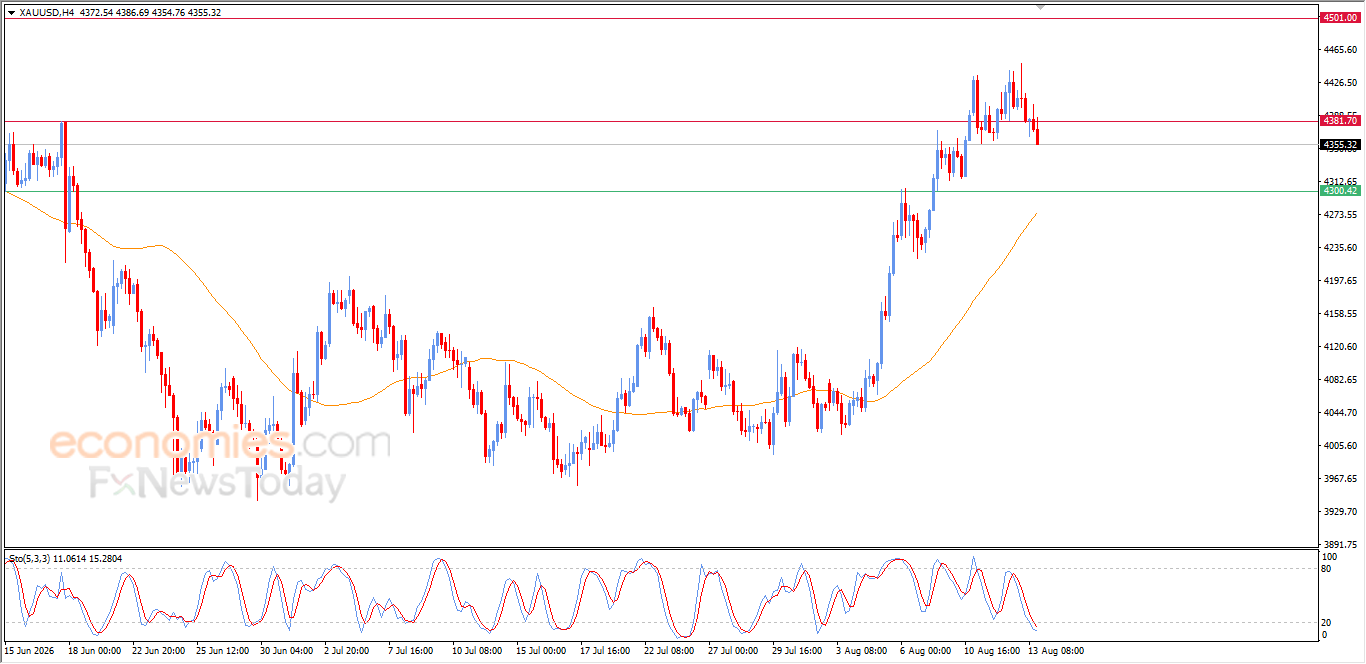
- U.S. dollar index down 0.3%, gold up 0.6% to $4,376/oz; 31% Fed rate hike probability signals lower borrowing costs for sellers through Q4 2026


















Overview
The Federal Reserve's dovish pivot creates immediate financial advantages for cross-border e-commerce sellers. With the CME FedWatch Tool pricing only a 31% probability of a September 2026 rate increase (down from 55% the previous week), the Fed is expected to maintain its 3.50-3.75% range, signaling accommodative monetary policy through year-end. This environment directly impacts seller financing costs, working capital availability, and payment processing economics across major corridors.
Immediate Payment & Financing Opportunities: The weaker U.S. dollar (index down 0.3%) makes imported goods cheaper for U.S.-based sellers sourcing from Asia and Europe, while simultaneously improving margins for sellers exporting from the U.S. to international markets. More critically, lower rate expectations unlock cheaper working capital financing. Sellers can now access invoice financing and PO financing at 6-8% APR (down from 9-11% in high-rate environments), reducing cash conversion cycle costs by $200-400 monthly for mid-sized sellers ($500K-$2M annual revenue). Trade finance providers like Stripe Capital, Amazon Lending, and Shopify Balance are actively competing for seller borrowing, with terms improving weekly as rate cut expectations solidify.
FX Arbitrage & Payment Routing Optimization: The 0.3% dollar weakness creates immediate hedging opportunities. Sellers with USD exposure should lock in forward contracts now before further dollar depreciation; conversely, sellers with EUR/GBP/JPY receivables benefit from natural currency appreciation. For payment processing, the rate environment shifts optimal routing: lower U.S. rates favor USD-denominated settlements (reducing conversion spreads), while higher-yielding currencies (GBP, AUD, CAD) become less attractive for holding. Sellers should accelerate conversion of foreign currency balances to USD within 7-14 days before further dollar weakness erodes gains.
Supply Chain & Inventory Financing: The dovish Fed backdrop enables aggressive inventory financing strategies. Sellers can now secure inventory loans at 5-7% APR (vs. 8-10% previously), unlocking $50K-$200K in working capital per $500K inventory value. This is particularly valuable for Q4 holiday inventory buildup—sellers should lock in financing by late August 2026 before rate cut expectations fully price in and lenders tighten terms. Geopolitical tensions (Strait of Hormuz transit disruptions mentioned in the news) are driving oil prices higher, which could reverse the dovish narrative if inflation concerns resurface; sellers should hedge this risk by securing fixed-rate financing NOW rather than waiting for potential rate increases.
Regional Payment Advantages: India's widened gold discounts (mentioned in the news) signal strong local currency strength and potential rupee appreciation. Sellers with India-based suppliers should accelerate INR payments before further appreciation; conversely, sellers exporting to India benefit from improved pricing power. The weaker dollar also improves payment terms for sellers in Southeast Asia, where USD-denominated costs decline relative to local currency revenues.
Questions 8
How should I adjust my pricing strategy given the weaker dollar and lower interest rates?
The weaker dollar and lower interest rates create a 60-90 day window for aggressive margin expansion. For U.S.-based sellers exporting internationally: increase prices by 2-3% to capture currency gains (the dollar weakness makes your products more competitive, so customers will absorb price increases). For sellers importing from Asia/Europe: reduce prices by 1-2% to gain market share—your import costs are declining due to dollar weakness, so you can undercut competitors while maintaining margins. Simultaneously, lower interest rates reduce your financing costs by 2-3% APR, which translates to an additional 1-2% margin improvement on inventory-heavy categories. Lock in these pricing changes for 60-90 days (through October 2026) before the Fed potentially reverses course if geopolitical tensions trigger inflation concerns. Monitor the CME FedWatch Tool weekly—if rate hike probability rises above 50%, revert to conservative pricing to protect against margin compression from rising financing costs.
What's my action plan for the next 30 days given this rate environment?
**Week 1 (Immediate)**: (1) Audit your current financing costs—compare your invoice financing APR to the 6-8% market rate; if you're paying >8%, refinance immediately with Stripe Capital or Amazon Lending, (2) Lock in forward contracts for 60% of your USD receivables to protect against further dollar depreciation, (3) Accelerate INR payments to India suppliers within 7-14 days before rupee appreciation erodes margins. **Week 2-3**: (1) Secure inventory financing at 5-7% APR for Q4 holiday buildup—aim for $50K-$200K depending on your category, (2) Renegotiate supplier payment terms (net-15 vs. net-30) to preserve working capital during Strait of Hormuz shipping delays, (3) Increase international pricing by 2-3% to capture currency gains. **Week 4**: (1) Monitor CME FedWatch Tool for any shift in rate hike probability (if it rises above 40%, reverse hedging strategies), (2) Review shipping costs and lock in rates with 3PL providers before fuel surcharges increase further, (3) Calculate total working capital savings from lower financing costs and reinvest in inventory or marketing. Expected outcome: 3-5% margin improvement and 15-30 day cash conversion cycle improvement by September 2026.