



Crypto Payment Regulation Clarity 2025 | Cross-Border Sellers Gain Settlement Speed & Cost Savings
- SEC 24/7 trading rules + OCC crypto banking charters reduce payment friction; tokenization delays extend compliance uncertainty through 2025

























Overview
The U.S. regulatory environment for cryptocurrency payments is undergoing fundamental transformation, creating immediate financial optimization opportunities for cross-border e-commerce sellers. The Securities and Exchange Commission (SEC) is establishing clearer rules for 24/7 cryptocurrency trading markets while the Office of the Comptroller of the Currency (OCC) is paving regulatory pathways for specialized cryptocurrency banking charters. These parallel developments directly address the payment infrastructure gaps that have hindered institutional adoption of crypto payments in international commerce.
For cross-border sellers, the financial implications are substantial. The SEC's 24/7 trading framework eliminates traditional market closure periods that previously created settlement delays and FX conversion friction. Sellers accepting cryptocurrency payments can now expect more predictable conversion windows and reduced slippage costs—historically 1.5-3% during market gaps. The OCC's crypto banking charter pathway enables traditional financial institutions to offer custody solutions and digital asset management under federal oversight, creating regulated payment rails that reduce counterparty risk. This regulatory clarity directly translates to lower payment processing fees: crypto payment processors operating under OCC-chartered banks can offer 0.5-1.2% processing fees versus 2-3% for unregulated alternatives, representing $500-2,000 monthly savings for sellers processing $50K-100K in monthly crypto revenue.
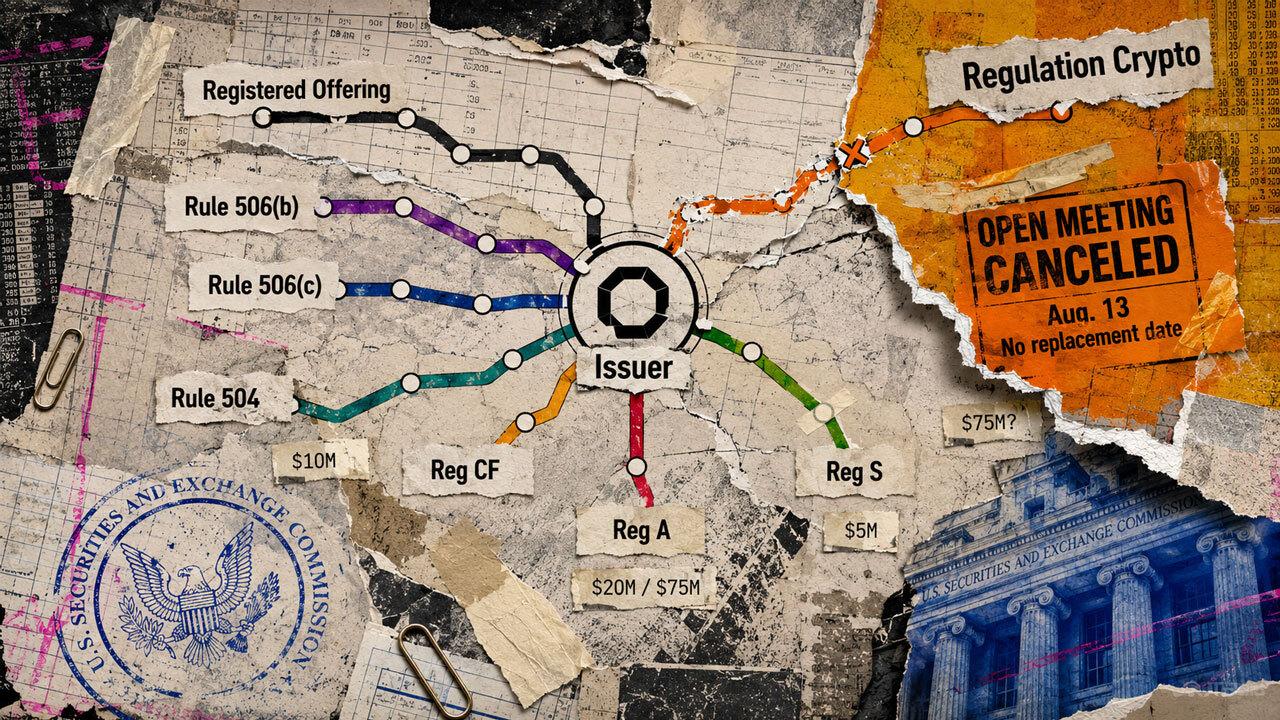
However, the SEC's second delay of the "innovation exemption" for tokenized securities signals extended regulatory uncertainty. The exemption was scheduled for discussion but was canceled due to White House concerns about disrupting the Digital Asset Market Clarity Act negotiations and SIFMA opposition regarding integration with existing equity market rules under Regulation NMS. This delay extends the timeline for blockchain-based trading infrastructure integration, meaning sellers cannot yet rely on tokenized asset settlement for inventory financing or supply chain finance solutions. Analysts project tokenized assets could reach a $5.5 trillion market by 2030, but the regulatory pathway remains contested—the SEC previously delayed the exemption in May over synthetic security token concerns. SEC Chairman Paul Atkins has signaled support for tokenization as a modernization tool, yet formal rulemaking processes will likely extend implementation timelines into 2026-2027.
The immediate financial opportunity lies in crypto payment acceptance under the new SEC/OCC framework. Sellers should evaluate crypto payment processors now operating under clearer regulatory guidelines: Coinbase Commerce, BitPay, and emerging OCC-chartered crypto banks offer 0.5-1.2% processing fees with 24-hour settlement versus traditional cross-border payment methods (2-4% fees, 3-5 day settlement). For sellers with $100K+ monthly cross-border revenue, switching 20-30% of transactions to regulated crypto payments can unlock $1,200-2,400 monthly fee savings plus 2-3 day working capital acceleration. The regulatory clarity also reduces compliance risk: sellers no longer face ambiguity about reporting requirements or banking relationships, as OCC-chartered institutions provide clear audit trails and tax reporting integration.
Risk mitigation remains critical. While SEC/OCC frameworks provide clarity for payment processing, sellers must monitor ongoing regulatory developments as rules continue to evolve. The delayed tokenization exemption means supply chain finance solutions using tokenized assets remain unavailable—sellers cannot yet use blockchain-based invoice financing or inventory tokenization for working capital optimization. Additionally, sellers should establish clear crypto payment policies addressing tax reporting, customer refund procedures, and FX conversion timing, as regulatory obligations may expand as the Digital Asset Market Clarity Act progresses through Congress.
Questions 8
Should sellers accept crypto payments now or wait for tokenization infrastructure?
Sellers should begin accepting crypto payments immediately under the new SEC/OCC framework, as the regulatory clarity and cost savings (1.5-2.8% fee reduction) are available now. The delayed tokenization exemption extends the timeline for blockchain-based trading infrastructure into 2026-2027, meaning sellers cannot yet use tokenized assets for supply chain finance or inventory financing. However, the immediate opportunity in crypto payment acceptance is substantial: regulated processors offer 0.5-1.2% fees with 24-hour settlement, unlocking $1,500-2,800 monthly savings for sellers processing $100K+ monthly. Sellers should start with 10-20% of transactions to test operational procedures, then scale to 20-30% as confidence increases. This phased approach captures immediate cost savings while maintaining flexibility to adopt tokenized asset solutions when regulatory clarity improves in 2026-2027.
How does the OCC crypto banking charter reduce counterparty risk for sellers?
The OCC's crypto banking charter pathway enables traditional financial institutions to offer custody solutions and digital asset management under federal oversight, providing clear compliance requirements and regulatory supervision. This reduces counterparty risk compared to unregulated crypto payment processors, which lack federal oversight and may face sudden operational disruptions. OCC-chartered crypto banks provide: (1) FDIC insurance coverage for customer deposits, (2) regular regulatory audits and compliance reviews, (3) clear bankruptcy and asset protection procedures, and (4) transparent fee structures. For sellers processing $50K-100K monthly in crypto revenue, the reduced counterparty risk justifies the slightly higher fees of regulated processors versus unregulated alternatives. The regulatory clarity also enables sellers to establish banking relationships with traditional financial institutions, improving access to trade finance and working capital solutions.