


Global EV Tariff Wars & Localization Strategy | Sellers Must Pivot Supply Chains Now
- Chinese EV makers capturing 36.5% South Korea market share; EU duties hit 35.3%; US tariffs at 25% force manufacturing relocation strategies for cross-border sellers




Overview
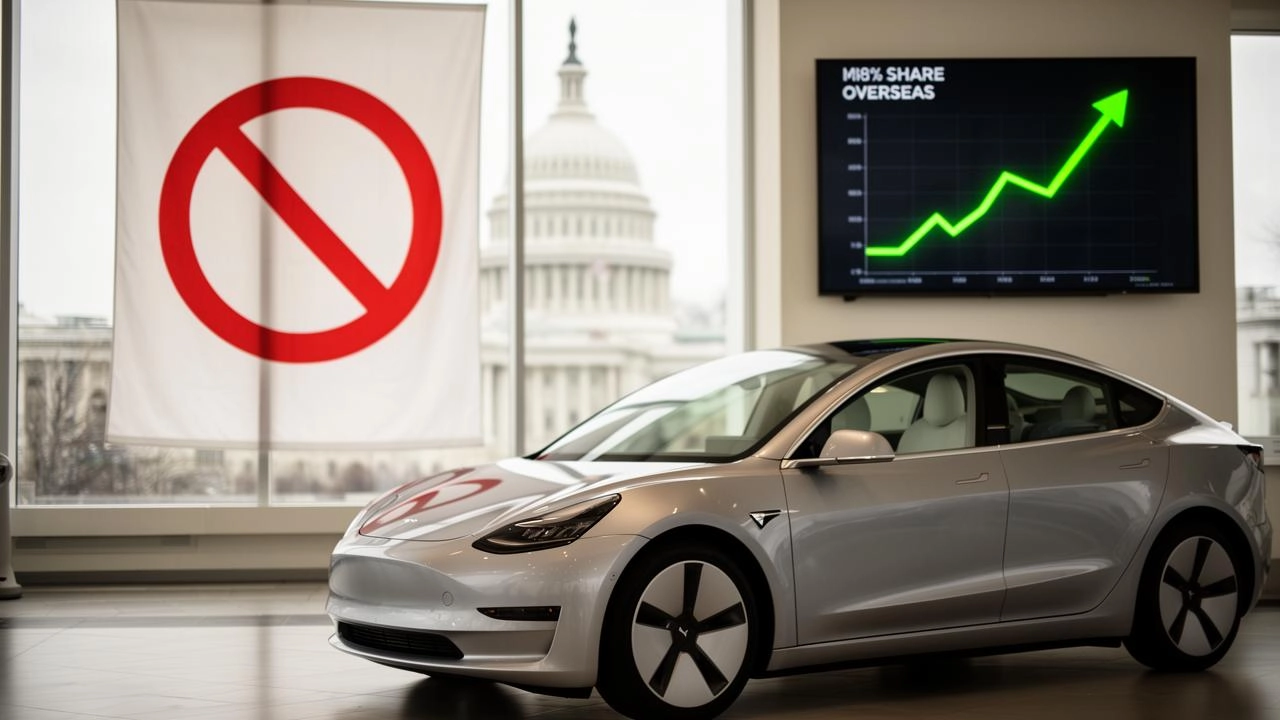
The global automotive market is undergoing a fundamental restructuring driven by Chinese EV dominance and escalating protectionist policies, creating urgent supply chain and sourcing opportunities for cross-border sellers. Chinese automakers have captured 36.5% market share in South Korea (Q1 2025, up from 4.7% in 2022) and 10% in Europe (June 2024), while the EU imposed countervailing duties up to 35.3% on Chinese EVs in October 2024. The Trump administration identified Mexico as "China's biggest enabler" for tariff circumvention networks, while US tariffs on North American automobiles remain at 25% (Mexico seeks reduction to 10% via USMCA renegotiations). This creates three critical seller opportunities:
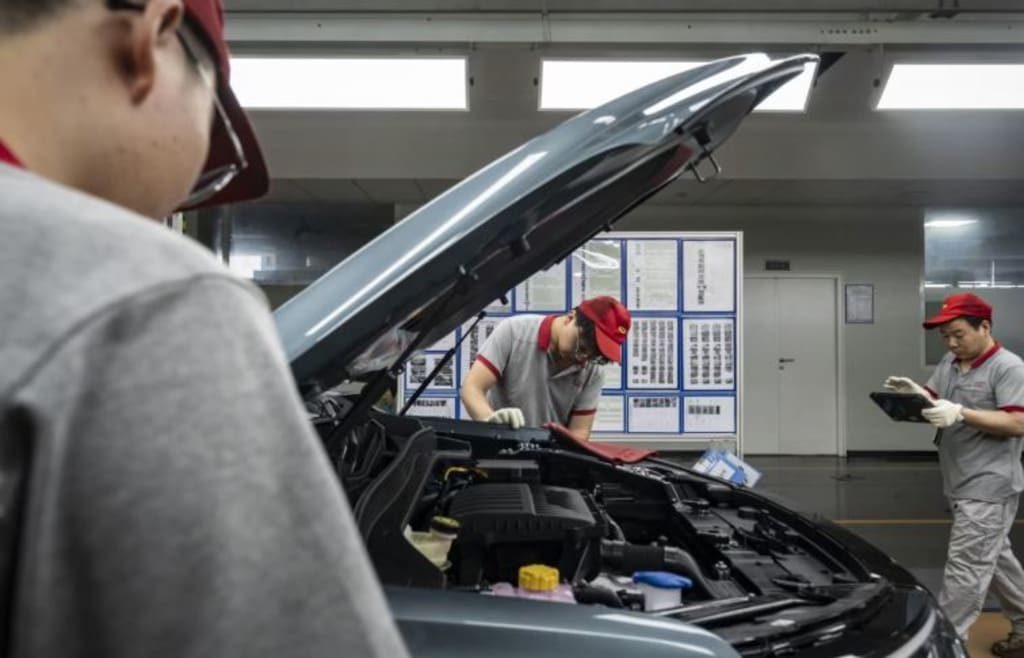
First, tariff arbitrage through manufacturing relocation. Chinese automakers are establishing US manufacturing facilities to bypass 25% tariffs and Biden-era bans on "connected" vehicle technology (recently enforced by blocking Polestar). Sellers sourcing automotive components, EV batteries, and connected car technology must immediately evaluate Vietnam, India, and Mexico as alternative sourcing countries. The tariff differential between China-direct (25%+) and Mexico-manufactured (potentially 10% post-USMCA) represents 15-percentage-point margin improvement for high-volume sellers. Sellers should audit HS codes 8704-8708 (automotive parts) and 8507 (batteries) for tariff rate changes by Q2 2025.
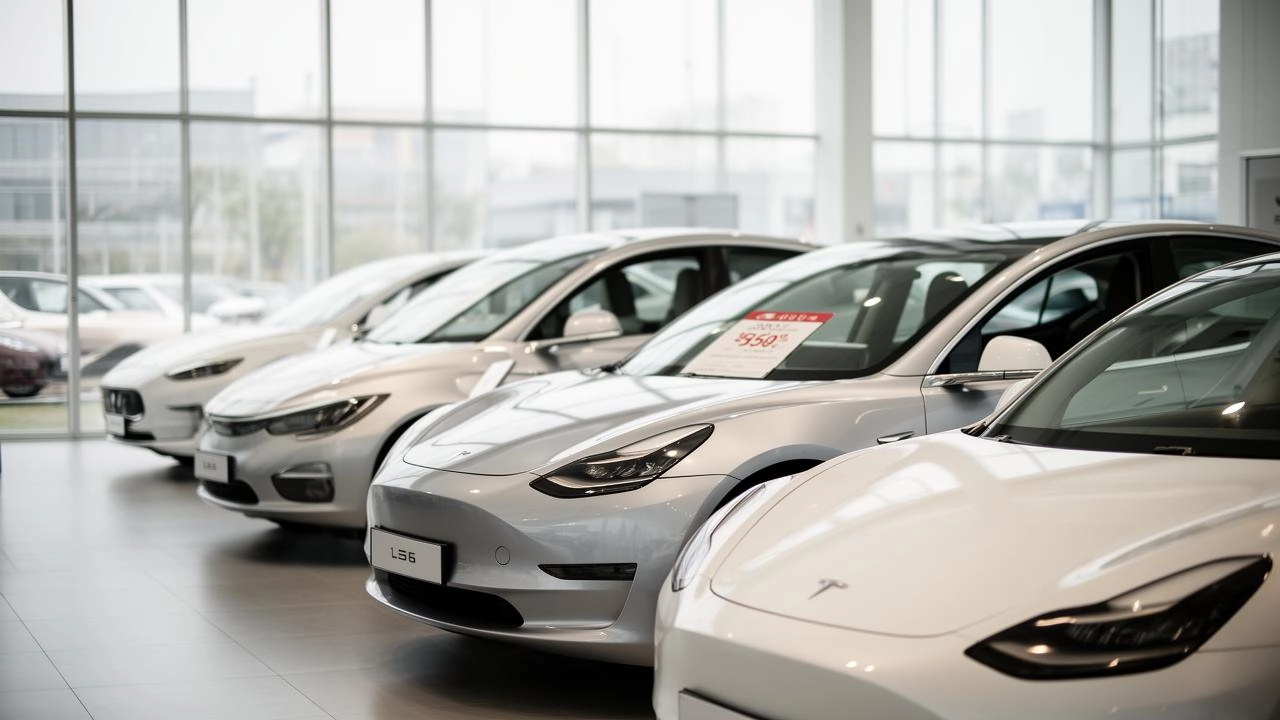
Second, market access compression in developed economies. The EU's 35.3% duties, Japan's domestic EV tax credits, and South Korea's policy reviews (tariffs, subsidies, certification systems) are closing traditional import routes. However, this creates opportunities in underprotected markets: Mexico faces "significant Chinese vehicle penetration with one in five new cars produced in China," indicating weak tariff enforcement and growing demand for Chinese-compatible parts and accessories. Sellers of EV charging equipment, battery management systems, and vehicle electronics should prioritize Mexico, Southeast Asia, and emerging markets where Chinese standards are becoming dominant.
Third, competitive advantage shifts toward sellers with Mexico/Vietnam sourcing. American automakers (Ford, GM) are retreating from China while Chinese competitors leverage "excess production capacity and technological advancement." This creates a 12-18 month window before tariff circumvention networks are fully shut down. Sellers currently sourcing from China face margin compression of 8-15% due to tariffs; those pivoting to Mexico or Vietnam can maintain margins while accessing US/EU markets. The USMCA renegotiation timeline (ongoing) creates uncertainty—sellers must lock in Mexico sourcing agreements before tariff rates are finalized.
Questions 8
What are the specific HS codes and tariff rates sellers should monitor for automotive parts?
Key HS codes affected: 8704-8708 (automotive parts/components), 8507 (batteries), 8544 (wiring/cables). Current US tariff rates: 25% on North American automobiles (potentially dropping to 10% post-USMCA). EU rates: 35.3% on Chinese EVs. Sellers should use tariffdata.com or WTO WITS database to track rate changes by origin country (China vs. Mexico vs. Vietnam). Monitor USTR announcements for tariff modifications—changes typically take 30-60 days to implement. Set up tariff rate alerts for your top 10 HS codes by Q1 2025.
How should sellers evaluate Vietnam versus Mexico for automotive component sourcing?
Mexico offers USMCA preferential tariff access (potentially 0-10% post-renegotiation) and proximity to US market, but faces Chinese competition and limited EV battery capacity. Vietnam offers lower manufacturing costs (15-25% cheaper than Mexico) and growing EV component production (CATL, BAIC establishing subsidiaries), but lacks USMCA benefits and faces longer shipping times. For US-bound shipments: prioritize Mexico if tariff reduction materializes. For EU-bound shipments: Vietnam offers cost advantage despite longer lead times. Sellers should develop dual-sourcing strategy by Q2 2025 to hedge tariff and supply chain risks.