



IEEPA Tariff Refunds Hit $100B+ | Cross-Border Sellers Face Margin Recalculation
- Supreme Court invalidates emergency tariffs; $9.6B recovered by S&P 500 firms; logistics providers automate refund processing for SME sellers













:format(webp)/images/2026/08/13/trump-administration-refunded-100-billion-tariffs-featured-image.jpg)
Overview
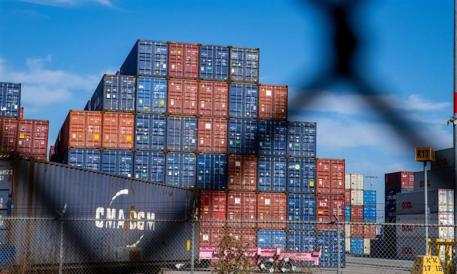
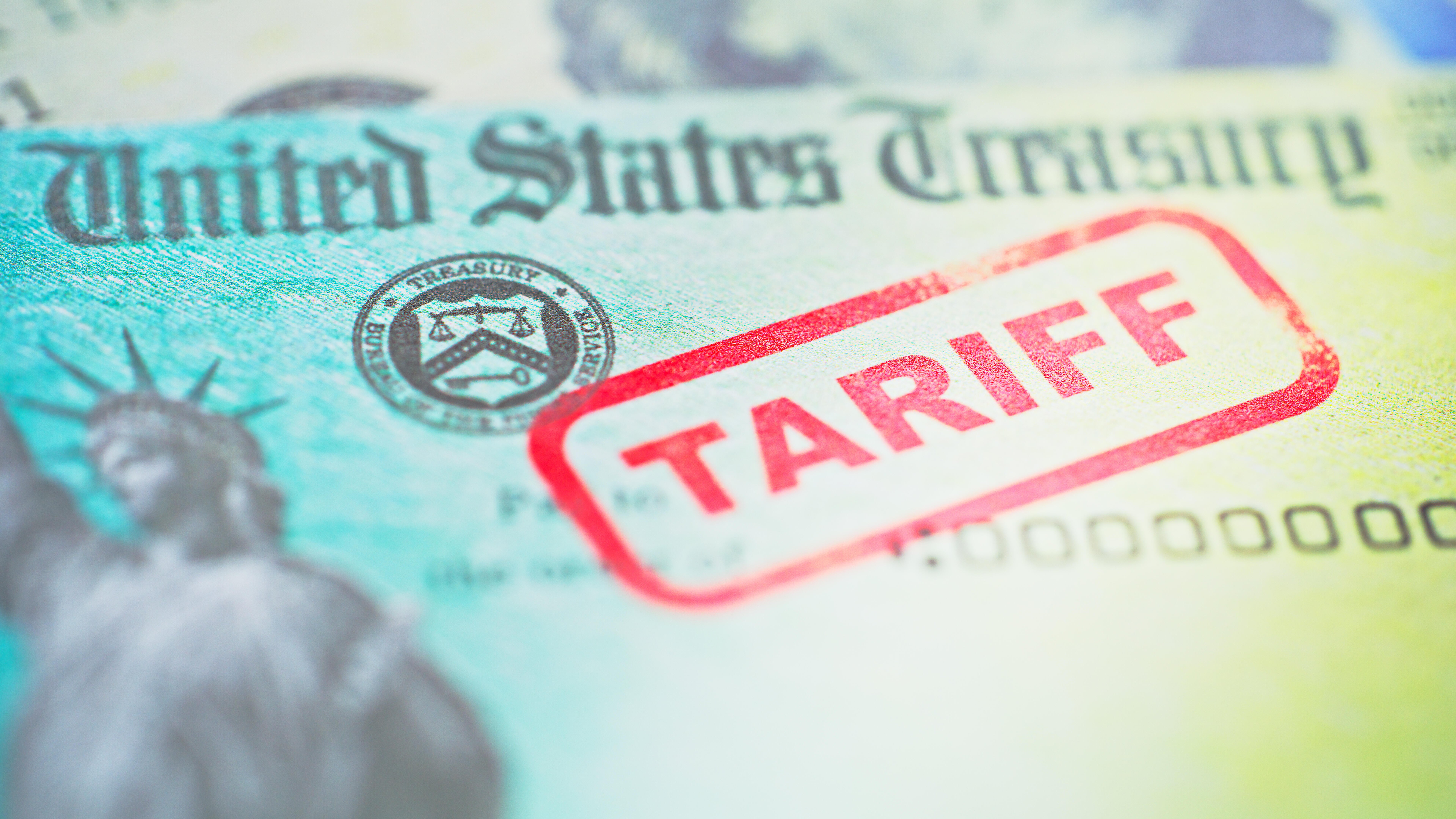
The U.S. Supreme Court's invalidation of International Emergency Economic Powers Act (IEEPA) tariffs has triggered a historic $100+ billion refund cascade through customs and logistics networks, fundamentally reshaping cross-border e-commerce cost structures. U.S. Customs and Border Protection has refunded approximately 60% of total IEEPA duties owed to importers as of August 2026, while major carriers—UPS ($5 billion expected refunds), FedEx ($800 million issued), and DHL (automatic processing)—have established dedicated refund portals enabling real-time tracking. This represents a critical inflection point for cross-border sellers: tariff refunds are flowing through logistics providers' automated systems, creating unexpected credits that require immediate reconciliation against seller cost records.
For SME cross-border sellers, the operational impact is immediate and multifaceted. Sellers who absorbed tariff costs into product pricing or passed them to customers now face margin recalculation decisions. The refund mechanism requires coordination between shippers, customs brokers, and marketplace platforms—Amazon has committed to refunding customers only where import charges can be specifically traced to individual purchases, while Costco and other retailers plan broader pass-through strategies. Critically, the news reveals a structural vulnerability: most retailers spread tariff costs across multiple product lines rather than isolating them to specific SKUs, complicating individual refund claims. Sellers must immediately audit shipper accounts and payment systems for unexpected credits and reconcile these against tariff payment records. The Tax Foundation estimates households paid approximately $1,000 in additional import duties, but recovery rates remain fragmented—only direct importers of record receive CBP refunds, while consumers depend on voluntary business relief.
The competitive dynamics favor sellers with sophisticated tariff tracking infrastructure. Large importers like Apple ($2.2 billion refunded), Nike ($986 million), and Amazon ($640 million) have already captured refunds and are deploying recovered capital to maintain or reduce customer prices, creating pricing pressure on smaller competitors. The Federal Reserve's July warning about continued tariff pass-through inflation is being softened by these refunds, which represent approximately one-tenth of a point on headline CPI. However, Section 232 and 301 duties remain active, and Treasury plans backfill measures under Section 122, maintaining ongoing tariff pressures on categories like steel, aluminum, and electronics. This creates a bifurcated market: sellers in refund-eligible categories (primarily IEEPA-covered goods) gain temporary margin relief, while those dependent on Section 232/301 duties face sustained cost pressures. The urgency window is immediate—refund portals are live, and sellers who fail to claim refunds within processing windows risk permanent loss of recovered capital.
Questions 8
How much in IEEPA tariff refunds are available to cross-border sellers?
The U.S. Customs and Border Protection agency has refunded over $100 billion in IEEPA tariffs to importers—approximately 60% of total owed amounts—as of August 2026 court filings. However, only the direct importer of record can receive refunds directly from CBP. Sellers must verify their importer status and monitor shipper accounts (UPS, FedEx, DHL) for automated refund credits. Major carriers have established dedicated refund portals where sellers can track refund amounts by shipment. The refund window is active now, making immediate account reconciliation critical to capture available credits before processing deadlines.
Which shipping carriers are processing tariff refunds automatically?
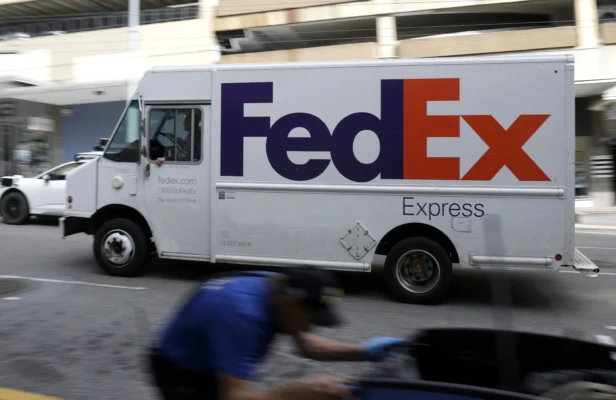
**FedEx** is issuing $800 million in refunds with dedicated portal access, **UPS** expects $5 billion total with initial claims of $500 million and operates a tracking portal, and **DHL** processes refunds automatically. All three carriers have established systems allowing sellers to track shipment status and refund amounts in real-time. Sellers should log into carrier accounts immediately to identify eligible shipments and claim refunds. Processing timelines vary by carrier, but delays beyond 30-60 days may indicate missing documentation or importer-of-record verification issues requiring customs broker intervention.