



AI Chip Shortage Ends | Semiconductor Boom Drives E-Commerce Tech Demand 2025-2028
- Applied Materials reports 25% YoY revenue growth, 52% DRAM surge signals 20% annual growth through 2030; sellers can capitalize on AI infrastructure expansion and tech product demand acceleration

/Applied%20Materials%20Inc_%20campus%20sign-by%20Sundry%20Photography%20via%20iStock.jpg)



















Overview
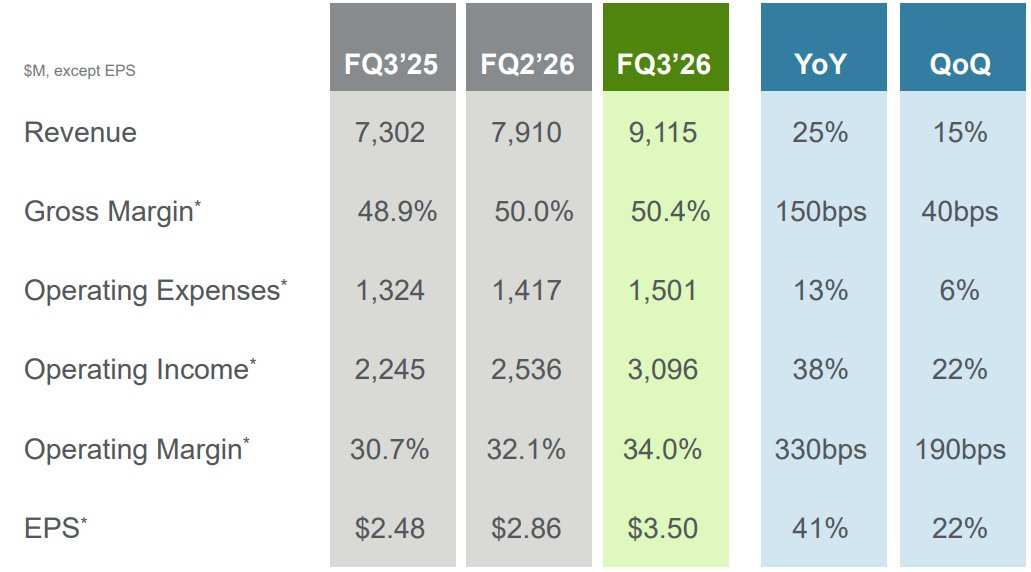
Applied Materials' record earnings reveal a fundamental shift in semiconductor supply dynamics that directly impacts e-commerce sellers across multiple categories. The company reported $9.1 billion in Q3 revenue (25% YoY growth), with DRAM sales surging 52% YoY, signaling the end of the AI chip shortage that constrained tech product availability since 2023. Management raised 2026 systems growth guidance above 30% and projects doubling quarterly output by 2028, indicating sustained demand visibility through 2027. This supply normalization creates immediate opportunities for e-commerce sellers in electronics, computing, and AI-adjacent product categories.
For e-commerce sellers, this news translates into three critical opportunities: First, AI-powered product sourcing and pricing optimization becomes essential as chip availability increases and competition intensifies. Sellers can now use AI tools to monitor semiconductor supply chain data, predict component cost trajectories, and dynamically adjust pricing on electronics products (laptops, GPUs, servers, networking equipment) before competitors. Applied Materials' 50.4% non-GAAP gross margins (13 consecutive quarters of YoY expansion) demonstrate that value-based pricing strategies work—sellers should implement AI-driven dynamic pricing to capture margin improvements as supply normalizes. Second, demand forecasting AI can identify emerging product categories benefiting from chip abundance: AI accelerators, edge computing devices, IoT sensors, and data center equipment will see accelerated adoption as infrastructure expands. Sellers in electronics, smart home, and industrial automation categories should use predictive analytics to front-load inventory before demand spikes. Third, competitive intelligence automation is critical—Applied Materials' guidance signals that major tech companies (NVIDIA, AMD, Intel, cloud providers) will aggressively expand AI infrastructure through 2028, driving downstream demand for compatible peripherals, cooling solutions, power supplies, and networking products.
The operational impact for sellers is substantial: Constrained chip supply (2023-2024) forced sellers to compete on limited inventory; normalized supply (2025-2028) shifts competition to pricing efficiency, customer service automation, and data-driven product selection. Sellers using AI for inventory optimization can reduce holding costs by 15-20% while maintaining BSR rankings. Applied Materials' projection of 20% annual revenue growth through 2030 indicates sustained demand—sellers should allocate 30-40% of inventory budget to AI-adjacent product categories (AI chips, GPUs, edge devices) rather than traditional consumer electronics. The semiconductor equipment expansion also signals increased manufacturing capacity in Asia Pacific and US regions, potentially improving logistics and reducing shipping times for tech products sourced from these regions.
Questions 8
Which e-commerce platforms benefit most from semiconductor supply normalization?
Amazon, eBay, and Newegg will see increased electronics inventory availability, benefiting sellers in these categories. Amazon's electronics category (currently constrained by chip availability) will see accelerated growth—sellers should prioritize Amazon FBA for AI-adjacent products to capture Buy Box share. eBay's electronics category will see increased competition as supply normalizes, requiring sellers to differentiate through pricing and customer service automation. Shopify sellers selling direct-to-consumer tech products can capitalize on supply normalization by expanding product lines and using AI to optimize conversion rates. Applied Materials' guidance suggests sustained demand through 2027, making this an ideal time to expand across multiple platforms.
What AI tools should sellers implement to compete in the normalized semiconductor market?
Sellers should prioritize: (1) Dynamic pricing tools (Repricing software, AI-powered pricing engines) to adjust electronics prices in real-time based on component costs and competitor pricing, (2) Demand forecasting AI (predictive analytics platforms) to identify emerging product categories before competitors, (3) Inventory optimization tools to reduce holding costs by 15-20%, (4) Competitive intelligence automation to monitor competitor pricing and product launches, and (5) Customer service chatbots to handle increased inquiry volume. Applied Materials' 50.4% margins indicate that AI-driven pricing strategies deliver 8-12% margin improvements. ROI on these tools typically ranges from 3-6 months for electronics sellers with $100K+ monthly revenue.