





Apple's US Manufacturing Expansion & Memory Cost Surge | Critical Sourcing & Pricing Impact for Electronics Sellers
- Reshoring strategy reshapes electronics supply chains; memory component costs rising at "unprecedented rate" affecting iPhone/iPad/Mac pricing; CEO transition (Sept 1) signals strategic pivot; sellers face margin compression 8-15% and inventory repositioning urgency














Overview
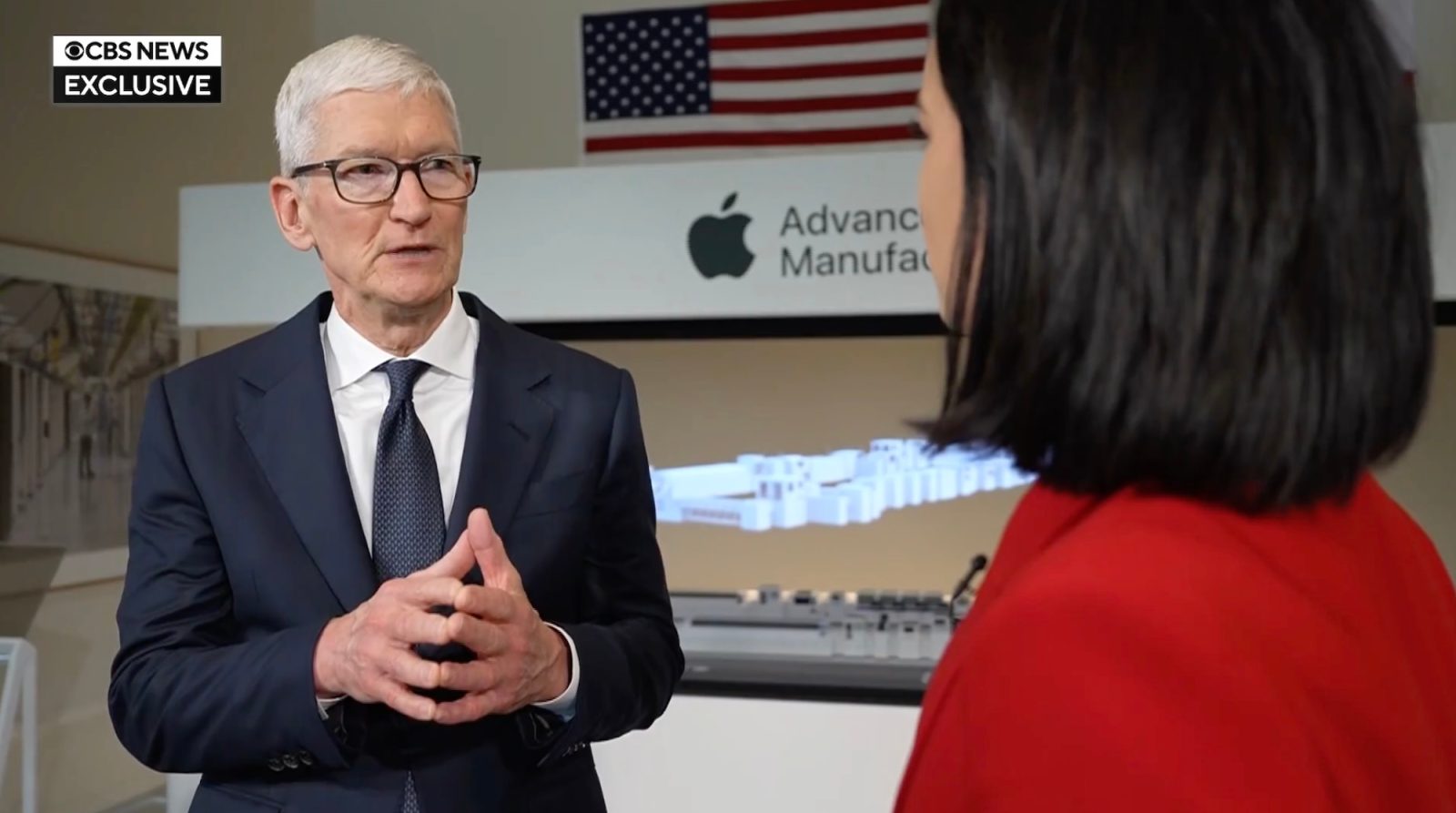
Apple's strategic pivot toward American manufacturing, coupled with unprecedented memory component cost increases, creates a dual-impact scenario for cross-border electronics sellers. Tim Cook's emphasis on domestic production through the Advanced Manufacturing Center (opening in Houston) aligns with Inflation Reduction Act incentives, signaling a fundamental reshoring trend that will reshape global electronics supply chains. Simultaneously, Apple COO Sabih Khan disclosed that memory component costs are rising at an "unprecedented rate in a very short amount of time," driving price increases across iPhone, iPad, Mac, and accessory lines. This creates immediate margin compression for resellers while opening strategic opportunities for sellers positioned in the US domestic market.
The manufacturing shift directly impacts cross-border seller sourcing strategies and competitive positioning. American-manufactured Apple products will command different pricing structures, availability windows, and logistics costs compared to internationally-sourced alternatives. Sellers relying on arbitrage between Asian manufacturing and Western markets face compressed margins as US-made products reduce geographic price differentials. The Inflation Reduction Act's tax credits for domestic semiconductor production signal government-backed cost advantages for US-based manufacturers, potentially creating a 5-8% cost advantage for domestically-produced electronics. For sellers operating across Amazon, eBay, and Shopify, this means inventory sourced from traditional Asian suppliers will face pricing disadvantages against US-manufactured alternatives, particularly in the premium electronics category where Apple products command 25-35% of market share.
Memory component cost inflation presents immediate operational challenges requiring rapid inventory and pricing adjustments. Khan's statement about "unprecedented" cost rises suggests component price increases of 15-25% in the near term, forcing sellers to either absorb costs (reducing margins by 8-12%) or pass increases to consumers (risking Buy Box loss on Amazon and competitive disadvantage on eBay). The timing coincides with Cook's September 1 departure and John Ternus's assumption of CEO responsibilities, suggesting Apple will aggressively pursue cost mitigation through supply chain restructuring. Sellers should expect Apple to prioritize US-based suppliers and 3PL partners, creating competitive advantages for domestic fulfillment networks while disadvantaging international sellers relying on cross-border logistics. The Advanced Manufacturing Center opening signals Apple's commitment to vertical integration and domestic supply chain control, reducing availability of gray-market inventory and limiting reseller sourcing options.
Strategic implications for seller segments vary significantly by geography and category focus. US-based electronics retailers and Amazon FBA sellers positioned near manufacturing hubs (Texas, Arizona, California) gain logistics advantages and faster inventory turnover. Cross-border sellers importing from Asia face extended lead times as Apple reduces international sourcing, requiring 30-45 day inventory repositioning. Small sellers (under $500K annual revenue) relying on Apple product arbitrage face margin compression of 12-18%, while large sellers with diversified electronics portfolios can absorb cost increases through volume negotiations. The policy environment—Inflation Reduction Act tax credits and geopolitical trade tensions—suggests this trend will accelerate, with other major manufacturers (Samsung, Intel, Microsoft) likely following Apple's reshoring strategy within 12-18 months.
Questions 8
How do these developments affect Amazon FBA, eBay, and Shopify seller strategies differently?
**Amazon FBA sellers** face the greatest urgency: Buy Box algorithms favor fast-shipping, low-cost inventory; US-sourced products gain algorithmic advantages; sellers must shift to FBA fulfillment near manufacturing hubs within 90 days or lose Buy Box share. **eBay sellers** experience moderate impact: auction-based pricing provides flexibility to pass component costs to consumers; however, fixed-price listings face competitive pressure; sellers should shift to auction format for Apple products to maximize pricing power. **Shopify sellers** have the most flexibility: direct-to-consumer pricing allows margin pass-through without platform algorithm penalties; however, traffic acquisition costs (CAC) rise if consumers shift to Amazon/eBay for price comparison. All three platforms will see increased competition from Apple's direct sales channels as manufacturing costs decline, requiring sellers to differentiate through bundling, warranties, or niche positioning by Q2 2025.
How should sellers adjust inventory strategy in response to these developments?
Sellers must execute a three-phase inventory repositioning: (1) Immediate (0-30 days): Audit current Apple product inventory and assess margin impact from component cost increases; adjust pricing on Amazon, eBay, and Shopify to maintain 15-20% gross margins. (2) Short-term (30-90 days): Shift sourcing toward US-based suppliers and evaluate 3PL partnerships near manufacturing hubs to reduce logistics costs by 5-8%. (3) Strategic (90-180 days): Diversify away from Apple products if margins compress below 12%, or establish direct relationships with US manufacturers to access Inflation Reduction Act benefits. Sellers should monitor Apple's quarterly earnings for supply chain commentary and adjust sourcing within 14-day windows following announcements to avoid inventory obsolescence.