



China Auto Export Surge Drives 15-25% Shipping Cost Spike | Cross-Border Sellers Face Q1 2025 Logistics Crisis
- Freight rates surge 15-25% on major routes through Q1 2025; port congestion adds 3-5 days transit delays; sellers must act NOW on inventory positioning and carrier selection










Overview
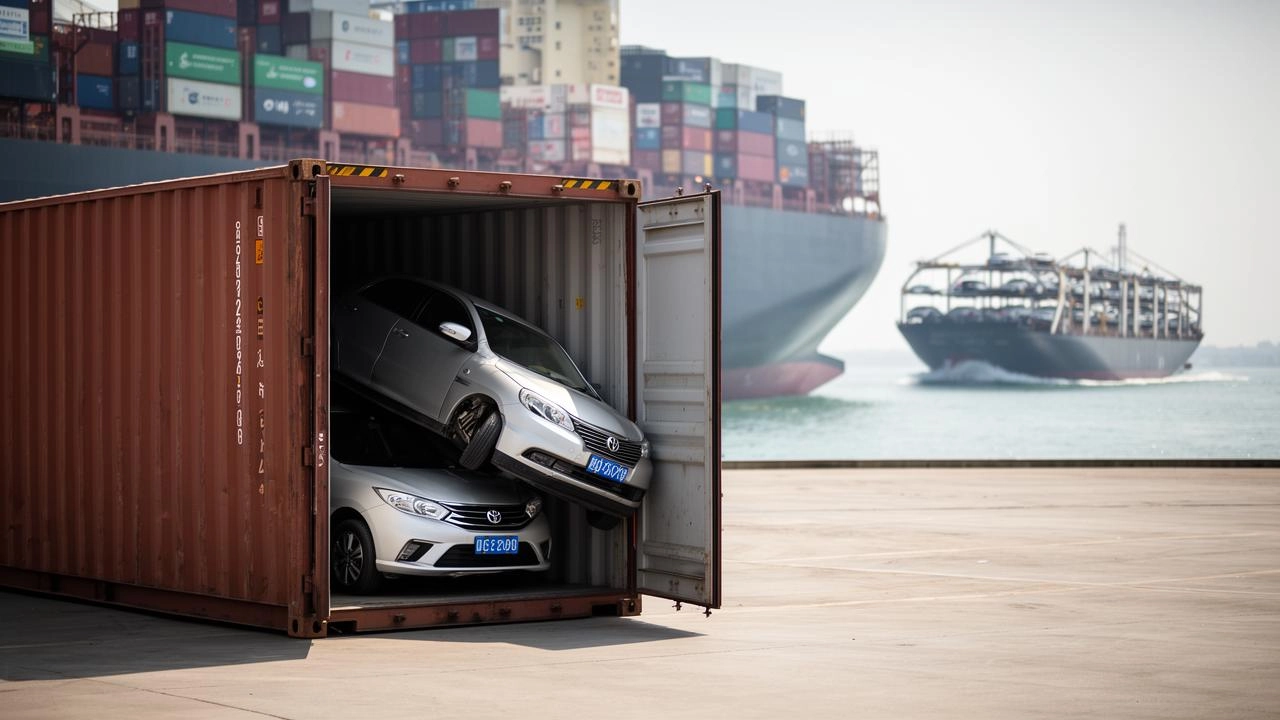
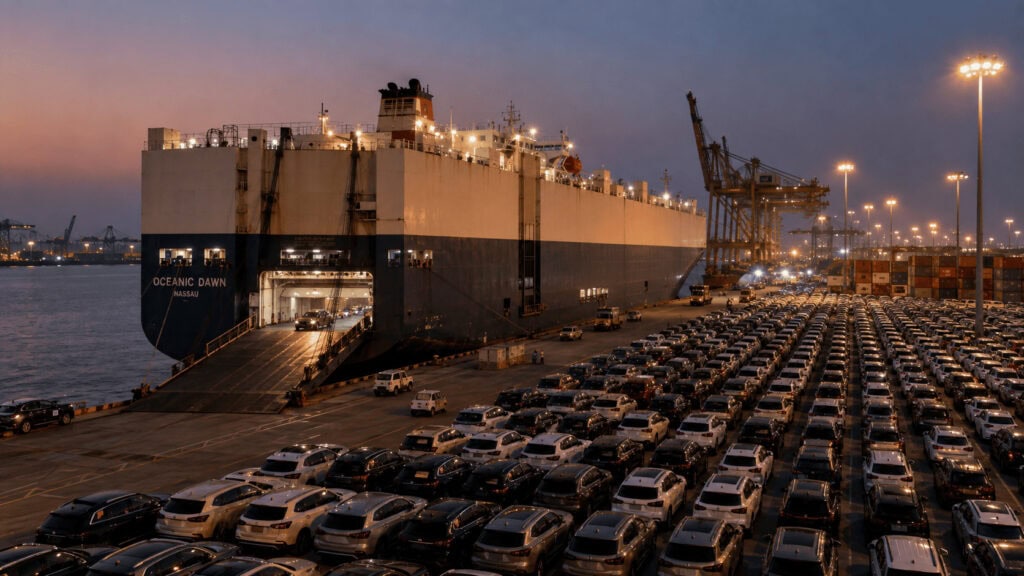
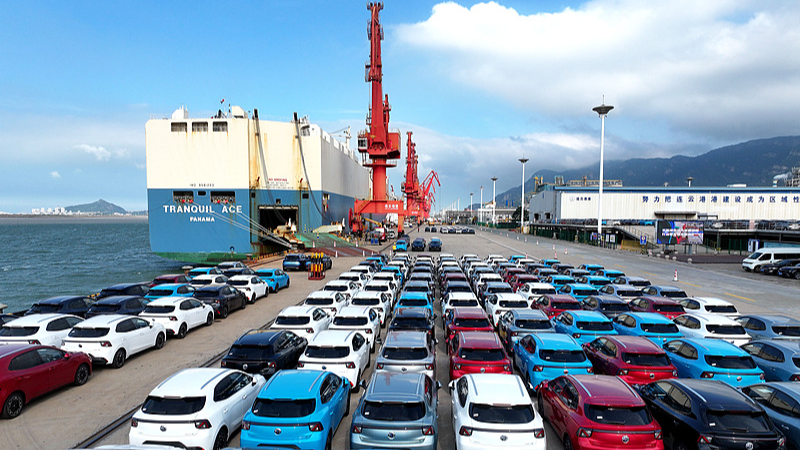
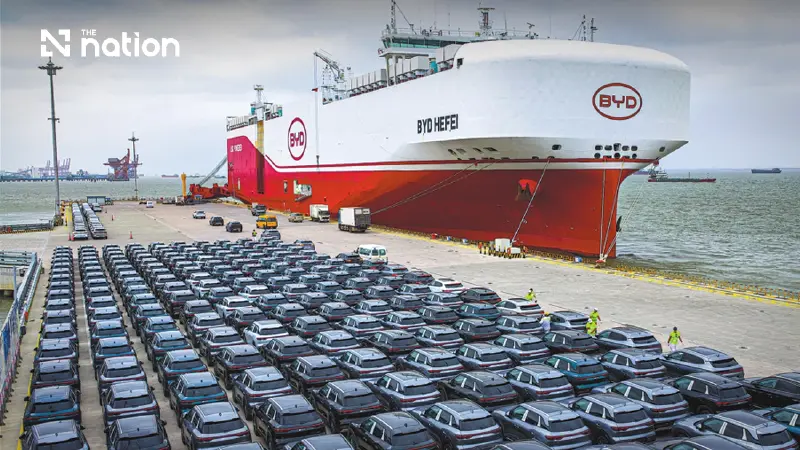
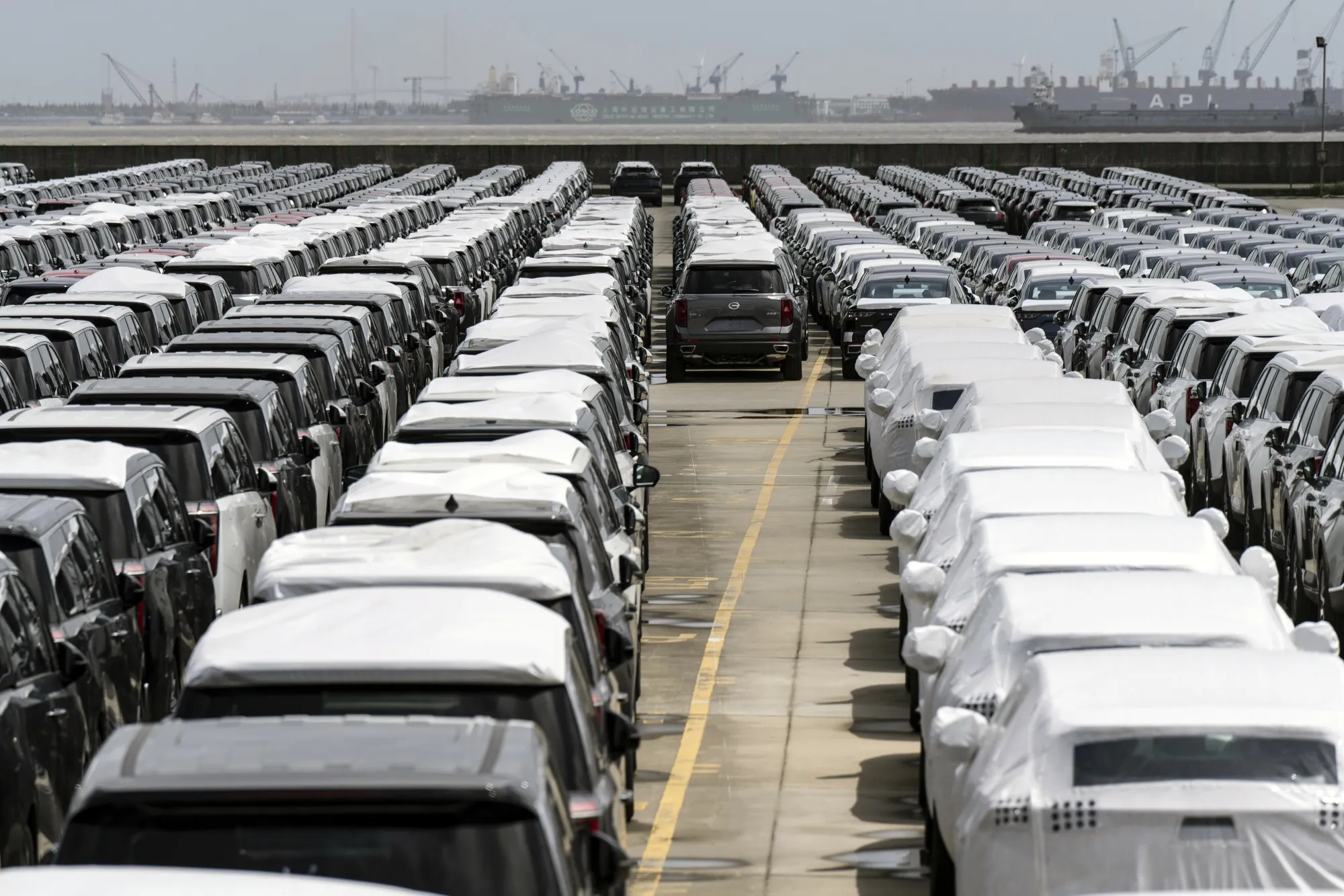
China's automotive export explosion—surging 88% in July 2024 and 71% in H1 2024—is creating an unprecedented logistics bottleneck that directly threatens cross-border e-commerce profitability. Chinese automakers (BYD, Geely, Chery) are aggressively pivoting overseas due to a 20% domestic sales collapse, with exports reaching 923,000 vehicles in July alone. This surge is consuming critical ro-ro (roll-on/roll-off) vessel capacity and port berths at Shanghai and Ningbo, creating a direct supply-demand crisis for general cargo shippers.
The immediate impact on cross-border sellers is severe and quantifiable: Freight rates for general cargo have experienced 15-25% increases in Q4 2024, with port congestion extending vessel turnaround times by 3-5 days on average. For sellers exporting from China to Europe, Southeast Asia, and Latin America—the same routes automotive cargo dominates—this translates to concrete cost increases. A typical 20-foot container from Shanghai to Rotterdam that cost $1,200-1,400 in Q3 2024 now commands $1,380-1,750 in Q4, directly compressing margins on electronics, apparel, and home goods categories. Turnaround delays mean sellers miss delivery windows, triggering Amazon FBA penalties and eBay seller rating impacts.
The root cause reveals a structural supply chain shift: Chinese automakers possess "excess manufacturing capacity, highly competitive supply chains, and strong economic incentive to find growth outside China," according to Automobility CEO Bill Russo. Chinese brands captured 16% of European market share (up from 3% in early 2022) and nearly 25% of EV shipments, signaling sustained export momentum through 2025. Shipping lines are deploying additional ro-ro capacity, but the supply-demand imbalance persists through early 2025, with industry analysts projecting continued pressure through mid-2025 before market rebalancing occurs as new vessel deliveries increase capacity.
For cross-border sellers, this creates a three-phase logistics crisis: Phase 1 (Now-Q1 2025): Elevated costs and delays persist; sellers face 15-25% freight premiums and 3-5 day delays. Phase 2 (Q1-Q2 2025): Gradual capacity additions begin stabilizing rates. Phase 3 (Mid-2025+): New vessel deliveries rebalance supply-demand, normalizing rates. However, infrastructure investments in port expansions and new shipping routes will eventually benefit general cargo logistics, creating a recovery window for sellers who position inventory strategically now.
Questions 8
What inventory actions should I take immediately before Q1 2025?
Execute three concrete actions by December 31, 2024: (1) Audit current inventory in China warehouses and calculate 90-day supply for top 20 SKUs by revenue. (2) Pre-position 2-3 months of fast-moving inventory (electronics, apparel, beauty) in regional fulfillment centers: EU 3PLs for European sellers, Southeast Asia 3PLs for regional sellers, US East Coast for North American sellers. Cost: $3-5/cubic meter/month in EU vs. $1-2 in China, but justified by avoiding 3-5 day delays. (3) Negotiate carrier contracts with freight forwarders offering priority booking through Q2 2025; expect 3-5% premium but guarantees vessel space. (4) Implement demand forecasting to reduce inventory holding costs during delays. For sellers shipping 20+ containers monthly, these actions can preserve $10,000-30,000 in Q1 margin impact.
How does this shipping crisis affect my Amazon FBA and eBay seller metrics?
Shipping delays directly impact seller performance: (1) Amazon FBA—late inventory arrivals trigger IPI (Inventory Performance Index) penalties; missing delivery commitments reduces Buy Box eligibility and seller rating. 3-5 day delays can cause 5-10% IPI score drops, limiting FBA inventory capacity. (2) eBay—late shipments increase defect rate; sellers with >2% defect rate lose Top Rated status, reducing visibility and conversion rates by 10-15%. (3) Both platforms—extended transit times increase inventory holding costs; FBA storage fees ($0.87/cubic foot/month for standard-size items) compound with delays. Mitigation: pre-position inventory in regional fulfillment centers to maintain on-time delivery rates. For sellers with 100+ active listings, this can preserve $5,000-15,000 in monthly platform penalties and visibility losses.