


Gaming Hardware Price Surge Signals DRAM Shortage Impact | Seller Opportunity Window Closes Sept 1
- $50 Nintendo Switch2 price increase effective September 1, 2025 creates urgent consumer buying window; DRAM shortage extends through 2027-2028, affecting electronics sellers across gaming, computing, and smart home categories





Overview
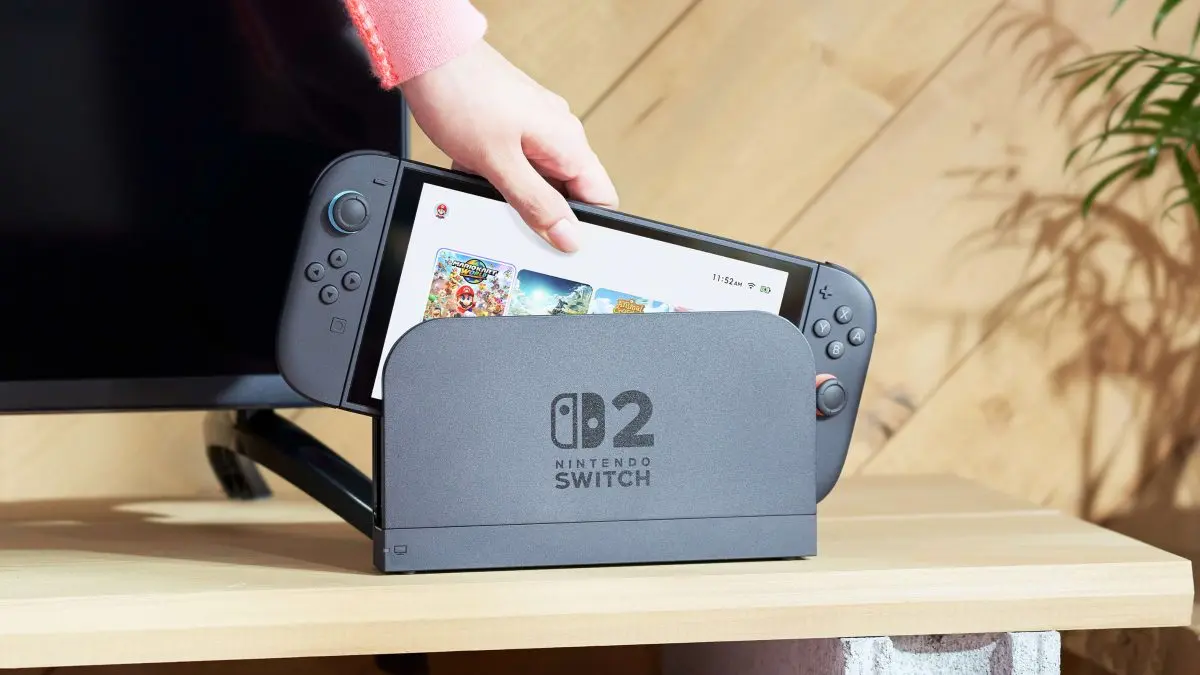
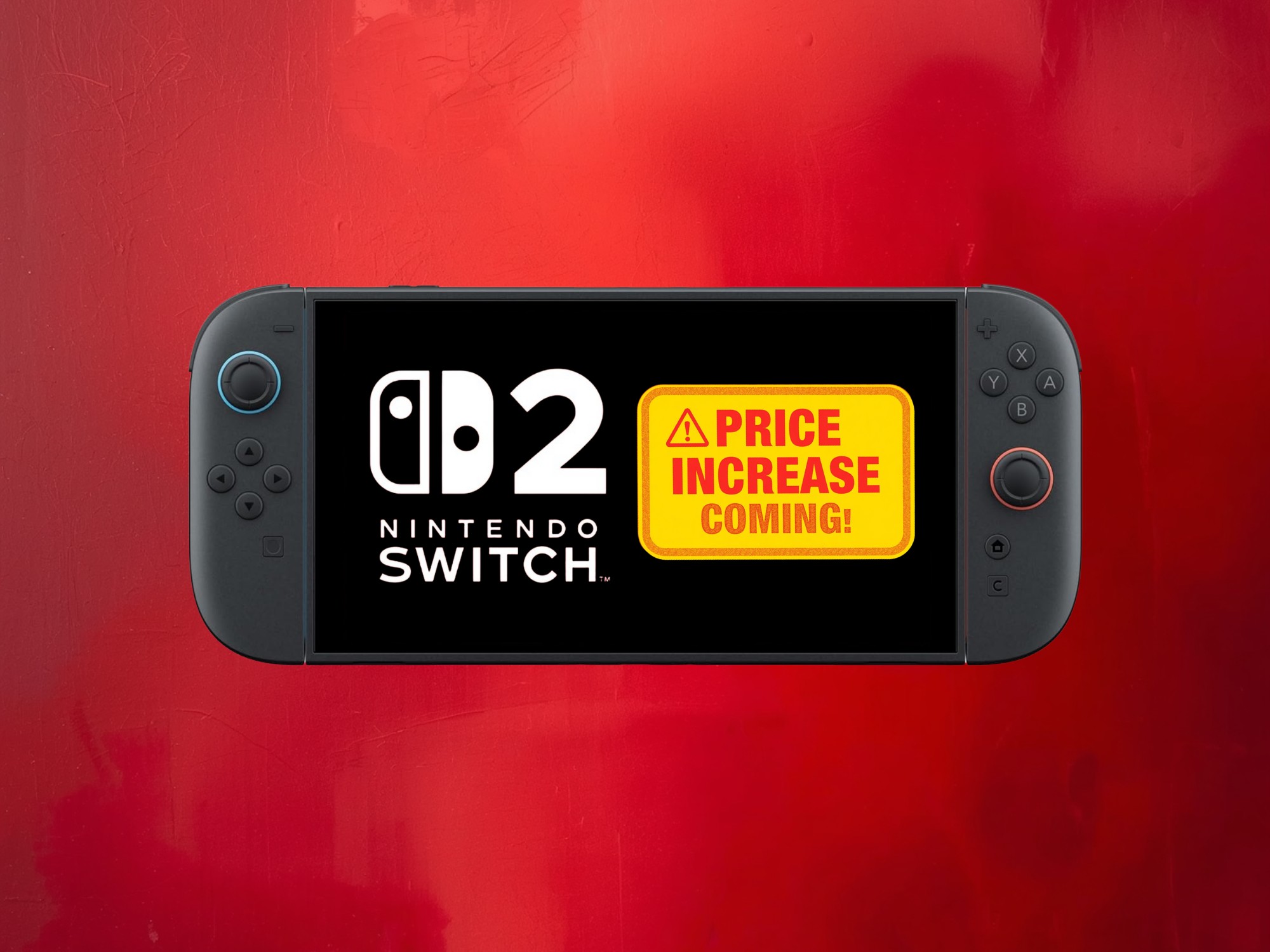
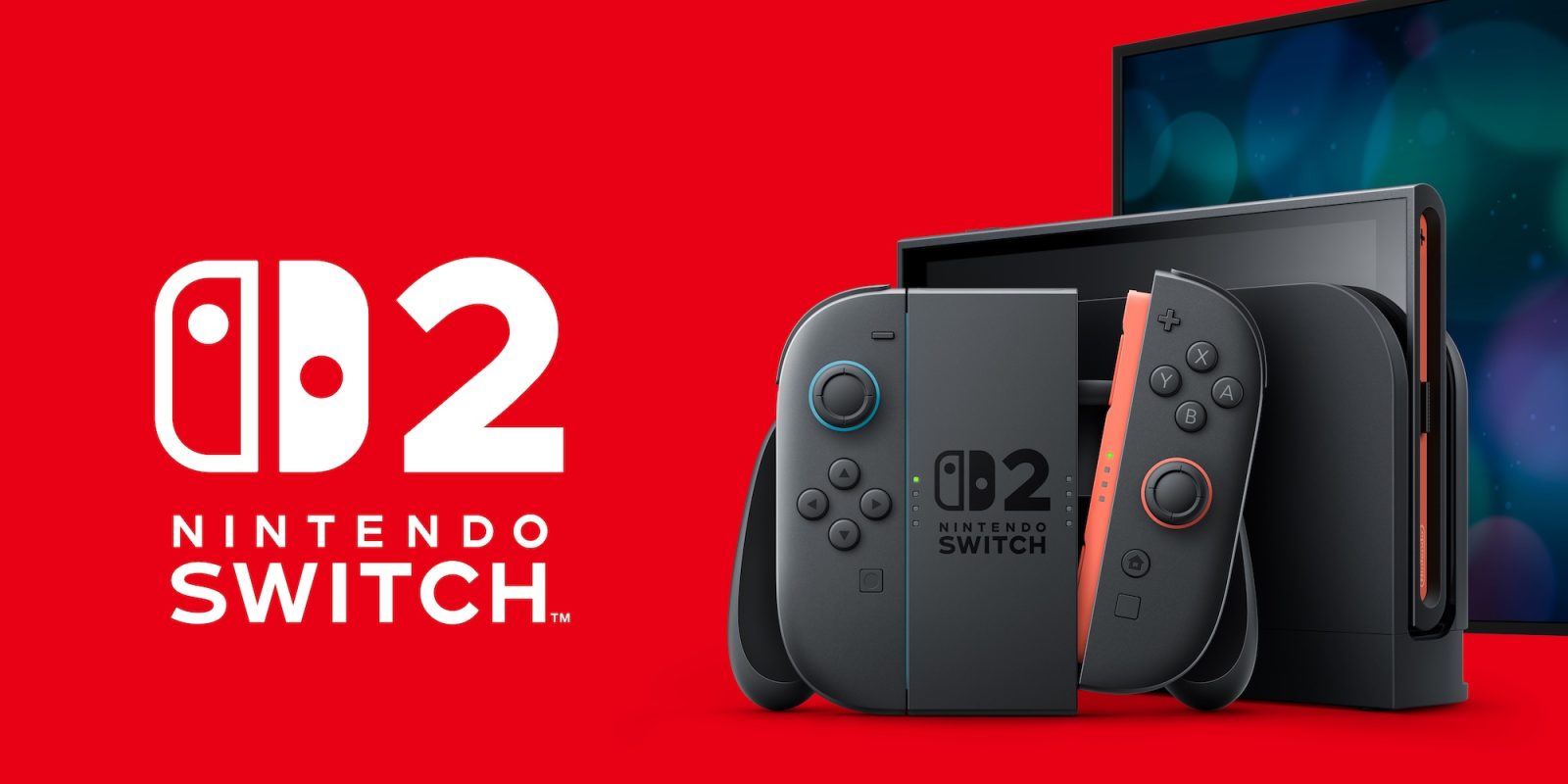
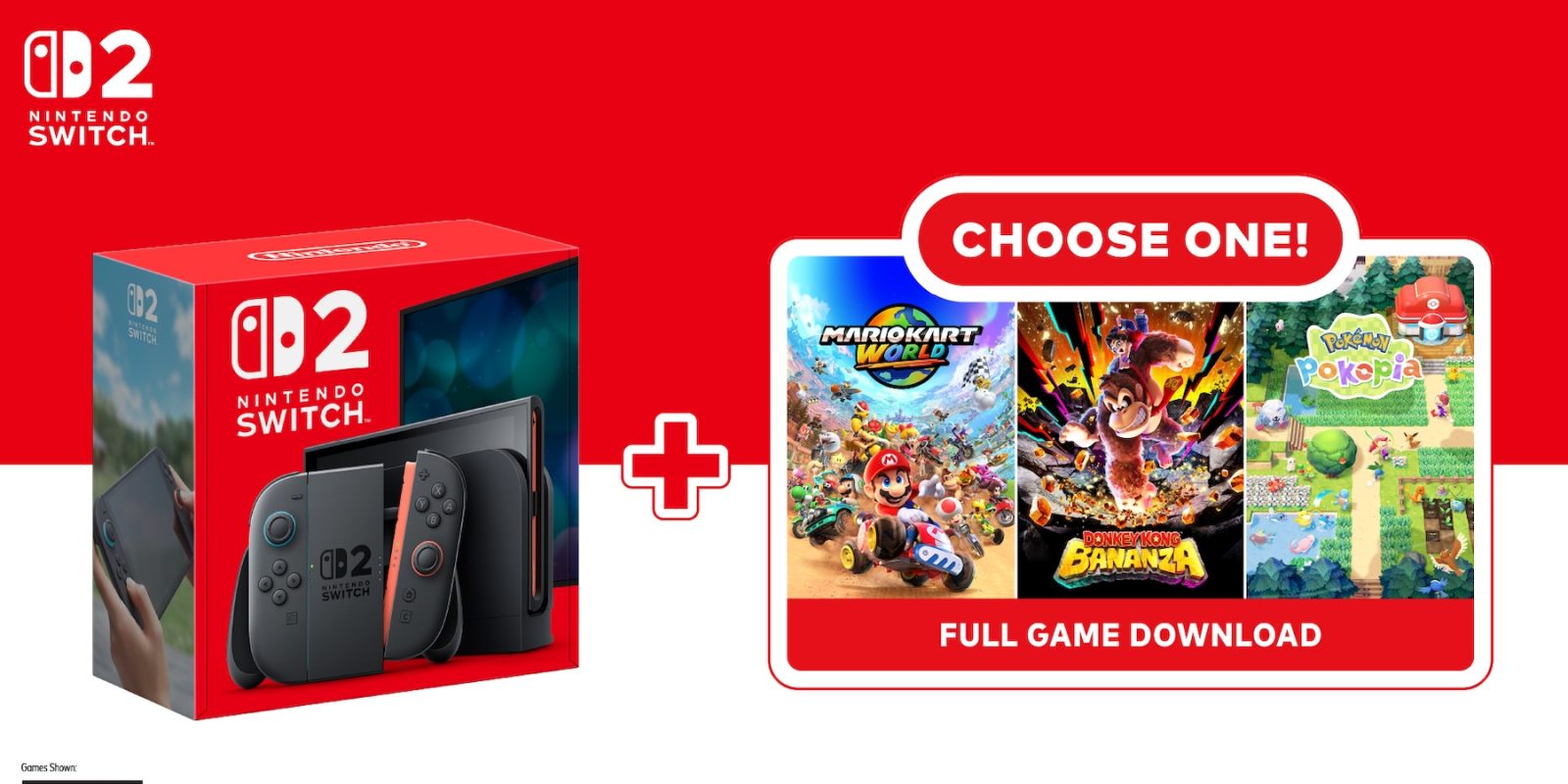
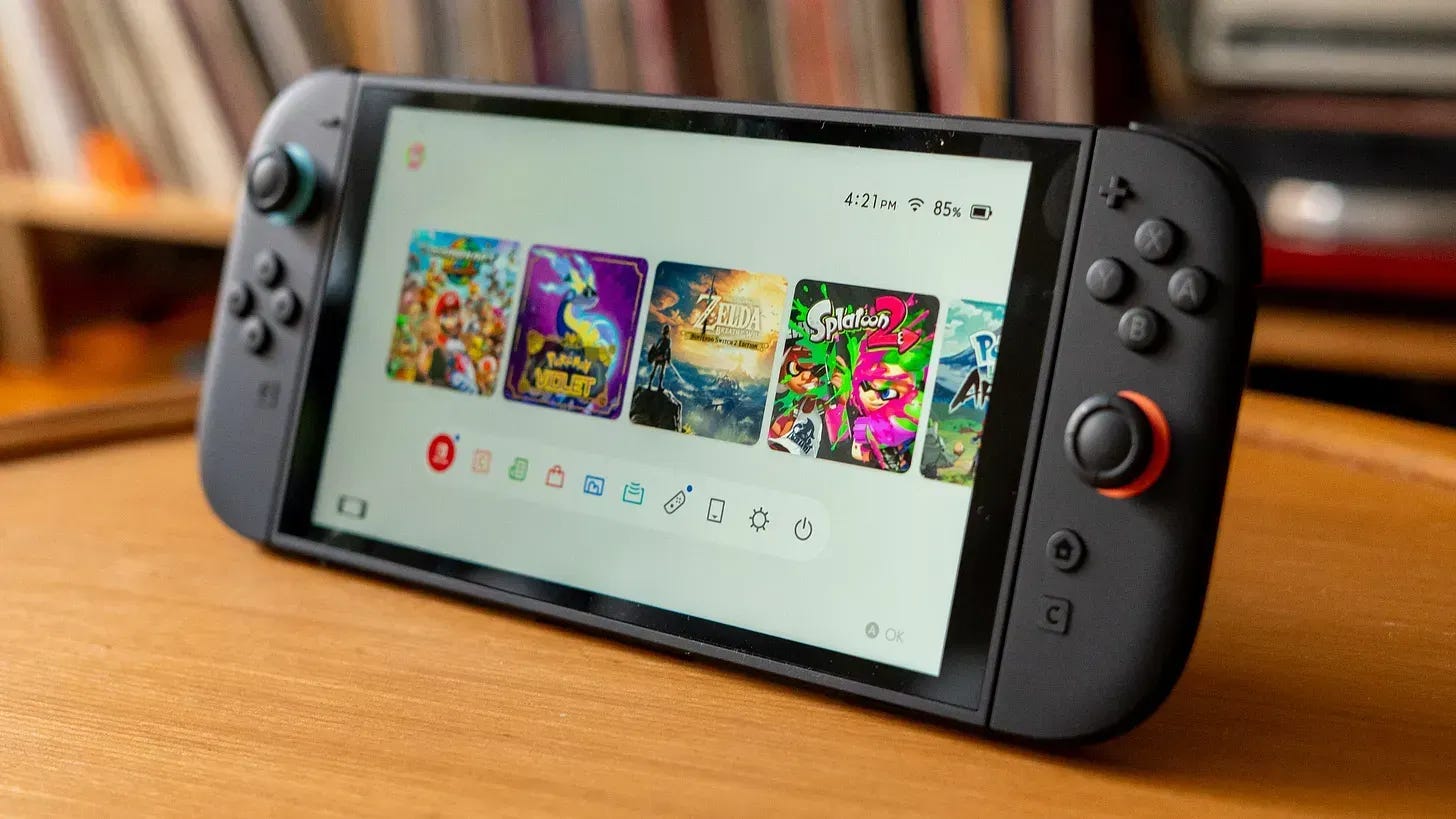
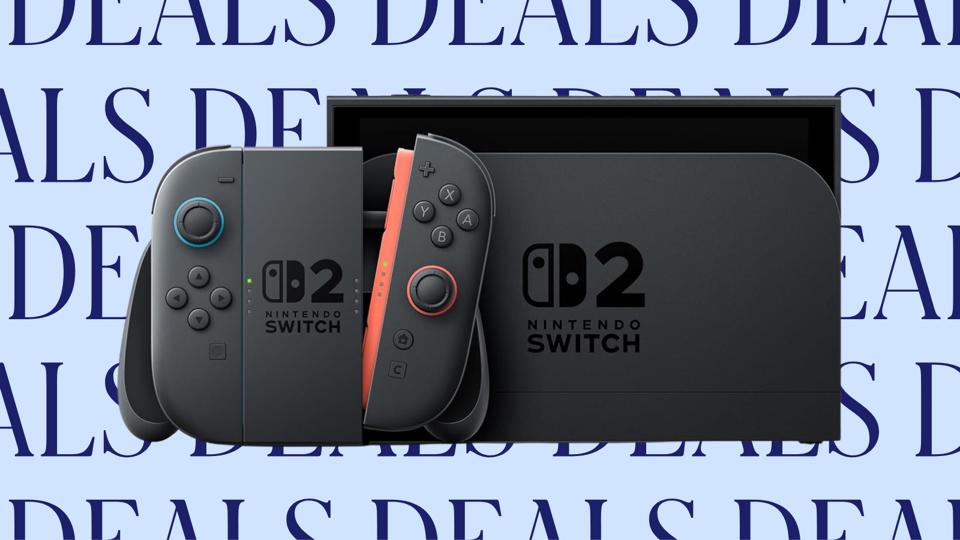
Nintendo's September 1, 2025 price increase for Switch2 ($449.99→$499.99 US, £395→£430 UK, $699.95→$769.95 AUD) signals a critical supply chain inflection point for electronics sellers globally. The $50 US price hike, while modest compared to PlayStation's $90 and Xbox's $150 increases, reflects a broader DRAM shortage that Samsung Electronics projects will persist through 2027-2028. This creates a compressed 2-3 week consumer buying window before the September 1 deadline—a classic scarcity marketing moment that drives urgency-based purchasing behavior.
For cross-border e-commerce sellers, this news reveals three critical opportunities: First, the DRAM shortage directly impacts inventory costs for gaming hardware, computing peripherals, and smart home devices. Sellers stocking Nintendo Switch2, PlayStation 5, Xbox Series X/S, or memory-intensive products should expect 8-15% component cost increases through 2027, compressing margins unless they adjust pricing proactively. Second, Nintendo's advance notification strategy—using in-store kiosks to signal the price increase—demonstrates that transparent communication about price changes maintains consumer trust and reduces negative sentiment. Reddit users praised Nintendo's approach versus competitors' silent price hikes, indicating that sellers using similar pre-announcement tactics on Amazon, eBay, and Shopify can mitigate customer backlash while driving pre-deadline sales spikes. Third, the September 1 deadline creates a measurable demand surge window: historical gaming hardware launches show 25-40% sales concentration in the 2-3 weeks before price increases, particularly in US and UK markets where the price hikes are most pronounced.
Operationally, sellers should recognize that DRAM constraints affect product categories beyond gaming consoles. Memory-dependent products—including laptops, tablets, smart TVs, security cameras, and IoT devices—will face similar cost pressures and potential price increases through 2028. Sellers with inventory in these categories should: (1) accelerate inventory turnover before September 1 to capture pre-increase demand, (2) monitor Samsung Electronics' supply forecasts quarterly to anticipate component cost changes, and (3) prepare pricing adjustments for Q4 2025 and beyond. The news also signals that platform-level transparency about supply chain challenges is becoming a competitive differentiator. Sellers who communicate proactively about price increases, supply constraints, or delivery delays through product listings, email marketing, and customer service will outperform competitors who implement silent price hikes.
Questions 8
What is the Nintendo Switch2 price increase and when does it take effect?
Nintendo is raising Switch2 prices effective September 1, 2025: US price increases from $449.99 to $499.99 (+$50), UK from £395 to £430 (+£35), and Australia from $699.95 to $769.95 AUD (+$70). Nintendo pre-notified consumers through in-store kiosks, creating a 2-3 week buying window before the increase. This is the second Nintendo price hike in 2025, following the original Switch price increase in August. The increase is attributed to global DRAM shortages affecting hardware manufacturers broadly, with Samsung projecting supply constraints through 2027-2028.
How does Nintendo's price increase compare to PlayStation and Xbox?
Nintendo's $50 US price increase is more modest than competitors: PlayStation raised prices by $90 and Xbox by $150. Industry analysts view these increases as industry-wide responses to component cost pressures rather than individual company pricing policies. Nintendo's advance notification strategy—signaling the price increase through in-store kiosks—received more positive consumer reaction on Reddit compared to competitors' silent price hikes. This transparency approach is emerging as a competitive differentiator in maintaining consumer trust during supply chain challenges.