






US Consumer Sentiment Crashes to 51 | Retail Sales Fall 0.6% | E-Commerce Demand Shift Alert
- Consumer sentiment index plummets 8.2% month-over-month; retail sales decline largest since May 2025; inflation expectations rise to 4.3%; vulnerable demographics (lower-income, older consumers, non-college educated) hit hardest; immediate impact on discretionary goods demand across Amazon, eBay, Shopify platforms























Overview
US consumer sentiment has collapsed to its lowest level in three months, signaling a critical demand shift for cross-border e-commerce sellers. On August 14, 2026, the University of Michigan's Consumer Sentiment Index fell sharply to 51 from July's 55.2—a decline of 8.2% that significantly undershot economist expectations of 55. Simultaneously, the Census Bureau reported US retail sales contracted 0.6% month-over-month in July 2025, the largest decline since May 2025, versus expectations of 0.1% growth. This represents a fundamental deterioration in consumer purchasing power and confidence that directly impacts e-commerce demand across discretionary categories.
The demographic breakdown reveals critical targeting implications for sellers. Survey director Joanne Hsu specifically noted that weakness was "particularly pronounced among older consumers, lower-income households, and those without college degrees"—demographics most vulnerable to inflation erosion. With year-ahead inflation expectations rising to 4.3% from 4.2%, and only 8% of consumers expecting income growth to outpace inflation, sellers face a bifurcated market: affluent consumers maintaining spending (supported by strong corporate earnings and AI-driven tech sector gains) versus mass-market consumers retreating from discretionary purchases. This creates immediate opportunities for value-oriented sellers and budget-friendly product categories while pressuring premium and non-essential goods.
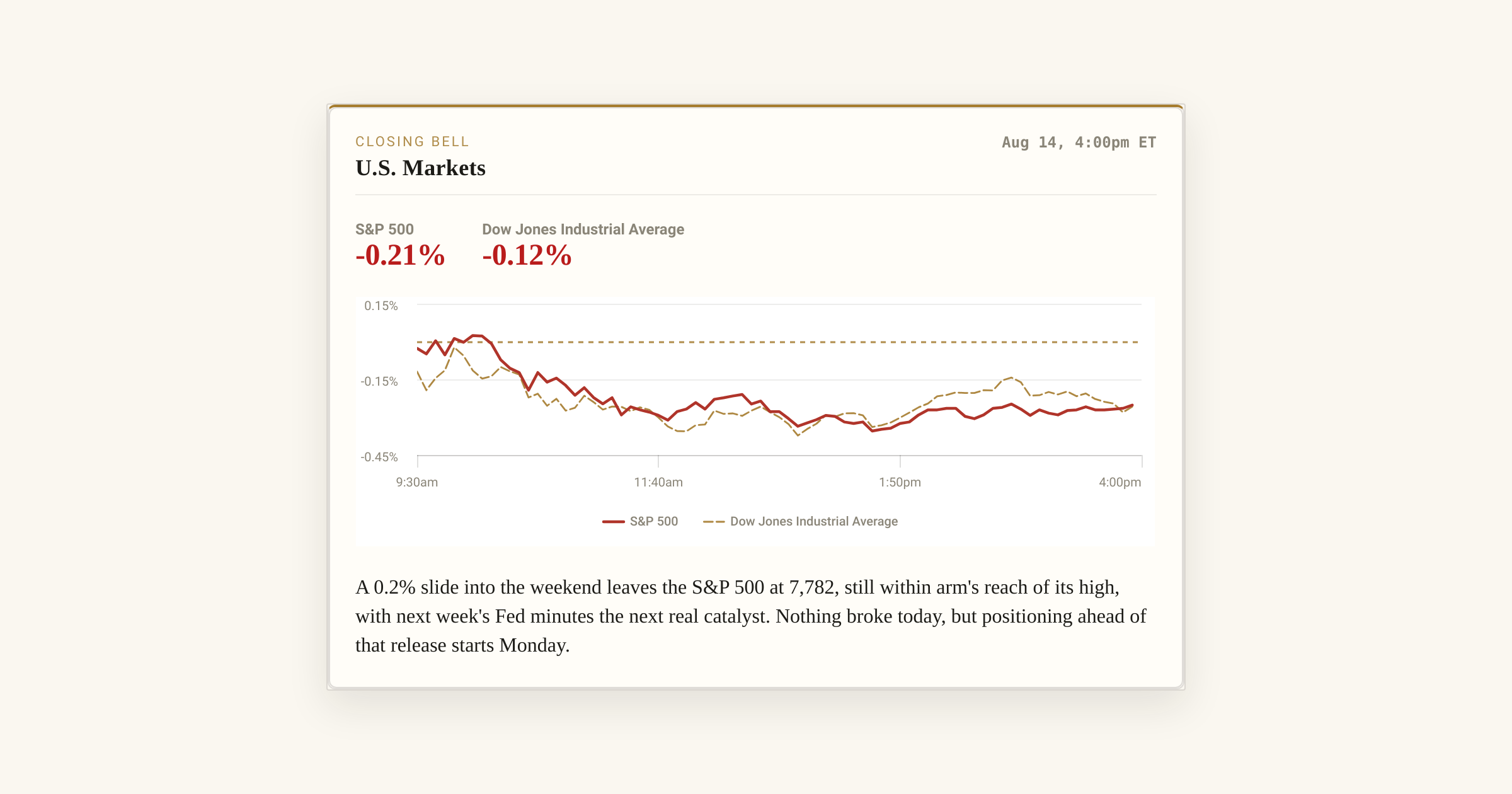
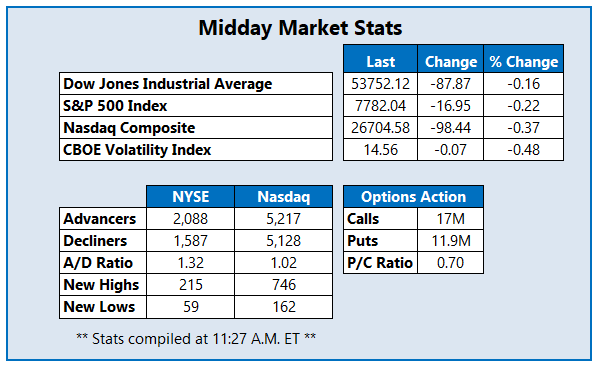
The market's resilience masks underlying consumer stress that will reshape e-commerce dynamics through Q4 2026. Despite Friday's pullback, the S&P 500 and Nasdaq paced for weekly gains, supported by strong earnings reports and expectations of steady Federal Reserve rates. However, this institutional confidence contrasts sharply with consumer behavior: retail sales weakness, declining sentiment, and inflation concerns indicate consumers are pulling back on discretionary spending. Cross-border sellers should expect demand compression in apparel, home décor, electronics accessories, and lifestyle categories—precisely the high-margin segments that drive profitability. Conversely, value categories (budget apparel, essential home goods, discount electronics) and necessity-driven purchases (health/wellness, basic supplies) may see relative resilience. Asian markets' strength (South Korea's KOSPI +2.4%, Japan's Nikkei +0.6%) suggests potential opportunities for sellers to shift inventory focus toward international markets while US demand softens.
Strategic implications for seller inventory and pricing: The divergence between corporate earnings strength and consumer sentiment weakness creates a 1-3 month window where sellers can reposition inventory before Q4 holiday season demand patterns emerge. Sellers holding premium inventory face margin compression risk; those with value-oriented SKUs positioned for lower-income demographics gain competitive advantage. Currency fluctuations tied to Fed policy uncertainty will impact sourcing costs from Asia, potentially offsetting some margin pressure for sellers with diversified supply chains.
Questions 8
What pricing strategies should sellers adopt as retail sales decline 0.6% and inflation expectations rise to 4.3%?
The combination of falling retail sales (-0.6% MoM) and rising inflation expectations (4.3%) creates margin compression. Sellers should: (1) Implement tiered pricing with bundle discounts to drive volume; (2) Reduce SKU complexity and focus on high-velocity items; (3) Avoid aggressive price increases despite inflation—only 8% of consumers expect income growth to outpace inflation, limiting price elasticity; (4) Consider promotional strategies (flash sales, seasonal discounts) to maintain sales velocity. Sellers maintaining premium pricing risk 15-25% volume loss; those implementing value positioning can offset margin compression through volume gains of 10-20%.
Which product categories should sellers prioritize given the demographic weakness in lower-income and older consumers?
Lower-income households and older consumers—hit hardest by inflation erosion—are retreating from discretionary purchases. Sellers should prioritize: (1) Value-oriented apparel and basics (budget fashion, essentials); (2) Health and wellness products (supplements, fitness, medical devices targeting older demographics); (3) Home essentials and maintenance products; (4) Discount electronics and refurbished goods. Avoid premium home décor, luxury apparel, high-end electronics, and lifestyle products targeting affluent consumers. Industry data shows value categories typically gain 3-8% market share during sentiment downturns, while premium segments lose 10-20%.