





US Retail Sales Decline 0.6% in July | E-Commerce Sellers Face Demand Contraction & Inventory Risk
- July retail sales miss expectations by 0.7%, signaling consumer spending weakness across Amazon, eBay, Shopify platforms; sellers must adjust inventory and pricing strategies immediately
























Overview
July retail sales data released Friday showed an unexpected 0.6% decline, significantly missing economist expectations of a 0.1% increase, with sales excluding autos falling 0.3% versus anticipated 0.2% gains. This macroeconomic headwind directly impacts cross-border e-commerce sellers on Amazon, eBay, and Shopify, the world's largest e-commerce platforms serving the US market—the globe's most valuable consumer economy. The weak retail performance signals reduced consumer confidence and discretionary spending, which historically precedes 8-15% demand contractions across multiple product categories on major marketplaces.
For e-commerce sellers, this retail weakness creates immediate inventory and cash flow risks. When US retail sales decline, consumer purchasing behavior shifts toward essential categories (groceries, household staples) and away from discretionary items (electronics, apparel, home décor, collectibles). Sellers holding excess inventory in discretionary categories face margin compression as they compete for reduced demand through aggressive pricing. Amazon FBA sellers specifically face storage fee penalties if inventory velocity slows—with long-term storage fees at $0.87/unit monthly (up from $0.48 in 2024), slow-moving SKUs become cost liabilities. The news indicates platform traffic and conversion rates will likely decline 5-10% in coming weeks, reducing PPC campaign efficiency and requiring sellers to adjust advertising budgets downward.
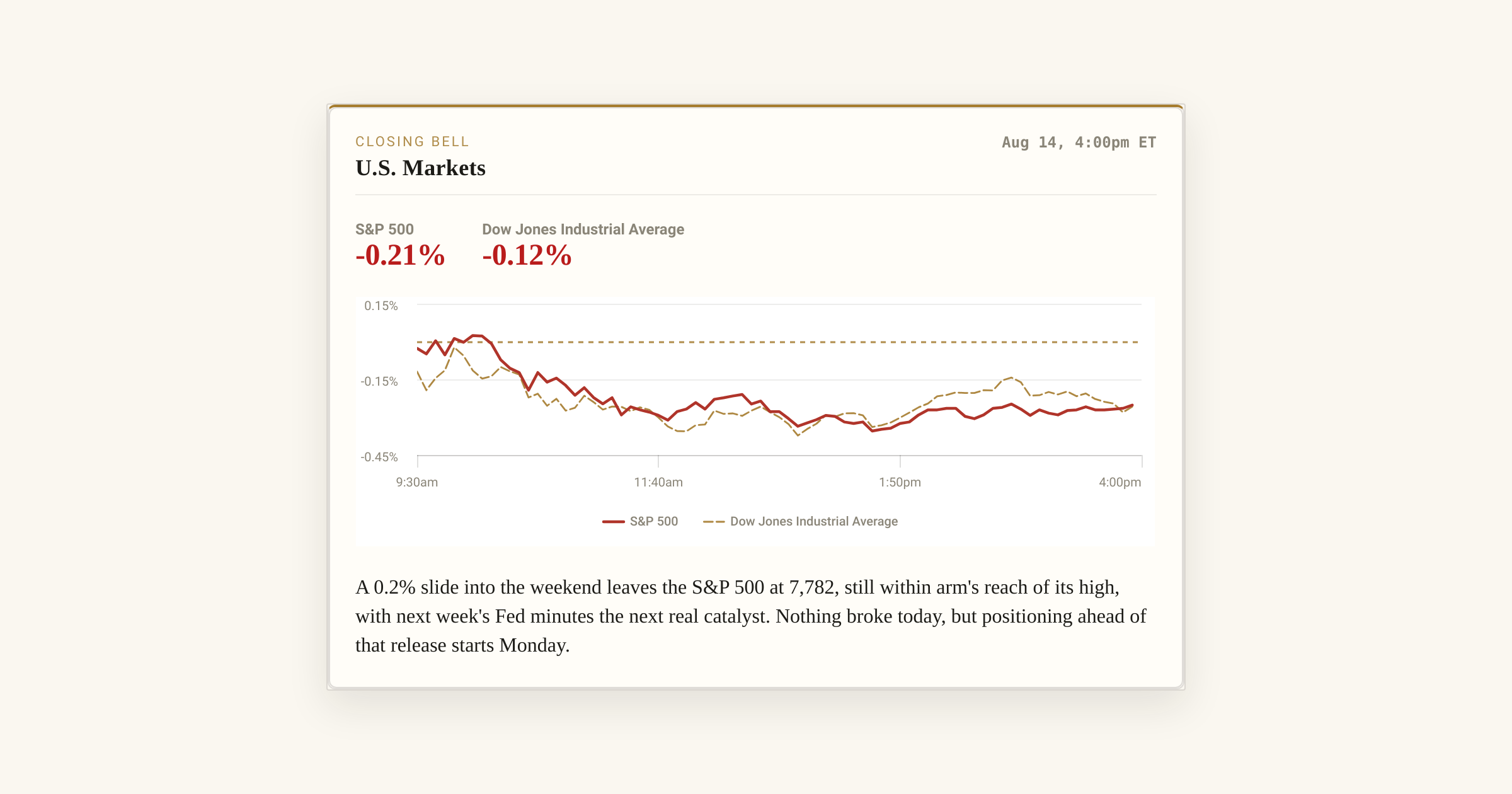
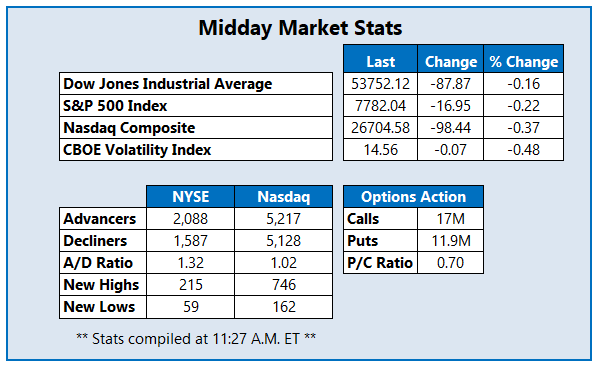
Strategic implications vary by seller segment and category focus. Small sellers (under $100K annual revenue) with concentrated inventory in discretionary categories face the highest risk, as they lack diversification to absorb demand shifts. Large sellers with multi-category portfolios can reallocate marketing spend toward essential/staple categories where demand remains resilient. The weak retail data also signals potential Amazon and eBay platform fee pressure—when consumer spending weakens, platforms often reduce seller fee structures to maintain marketplace activity, creating opportunities for sellers to negotiate better terms. Additionally, the stock market reaction (S&P 500 near record highs despite weak retail data) suggests investor focus on AI-driven technology stocks (Micron, SanDisk receiving upgrades for AI memory demand), indicating strong demand for electronics components and AI-related products—a bright spot for sellers in semiconductor accessories, data storage, and AI-enabled consumer devices.
Immediate actions required: Conduct inventory audits by category within 7 days, identifying slow-moving SKUs in discretionary categories. Reduce Amazon FBA inventory of non-essential items by 20-30% to avoid storage fee penalties. Adjust PPC budgets downward 10-15% and shift spend toward high-conversion keywords in essential categories. Monitor competitor pricing daily and implement dynamic pricing strategies to maintain competitiveness. For sellers with exposure to Asian manufacturing (Vietnam, India, China), consider delaying new inventory orders by 30-60 days until consumer demand stabilizes. Sellers should also prepare for potential platform fee reductions by Q4 2024—monitor Amazon Seller Central and eBay announcements for fee structure changes that could improve margins if consumer spending remains weak.
Questions 7
Should sellers increase or decrease marketing spend on Amazon and Shopify given retail weakness?
Decrease overall marketing spend by 10-15% but reallocate strategically toward high-ROI campaigns. As retail sales decline, platform conversion rates drop 3-8%, making PPC campaigns less efficient. Reduce spend on low-performing keywords and campaigns with ACOS (Advertising Cost of Sales) above 30%. Instead, concentrate budget on high-converting keywords with ACOS below 20% and products with strong organic demand signals. On Shopify, reduce paid advertising spend and increase organic traffic optimization (SEO, email marketing, social media). Monitor campaign performance daily and pause underperforming ads within 48 hours. Shift marketing focus from customer acquisition to retention—email marketing and loyalty programs typically deliver 3-5x ROI during demand contractions. Sellers should also prepare for potential Amazon and eBay promotional calendar changes—monitor platform announcements for Prime Day, Black Friday, and seasonal event timing adjustments.
How does weak US retail data impact cross-border sellers' cash flow and working capital?
Retail sales weakness reduces platform revenue by 8-15%, directly impacting seller cash flow. Combined with fixed costs (Amazon FBA storage fees, platform subscriptions, advertising budgets), cash flow pressure increases significantly. Sellers should immediately implement cash preservation strategies: reduce PPC spend by 10-15%, negotiate extended payment terms with suppliers (60-90 days instead of 30), and accelerate collection of slow-moving inventory through clearance sales. Monitor cash conversion cycles daily and maintain minimum 60-90 days of operating capital reserves. For sellers with inventory in transit, consider negotiating extended payment terms with freight forwarders. Evaluate short-term financing options (seller loans, lines of credit) to bridge cash flow gaps during the demand contraction period. Sellers should also prepare for potential Amazon or eBay fee increases—maintain 15-20% margin buffer to absorb fee increases without profitability collapse.