



FDA Class I Egg Recall Signals Food Safety Compliance Crisis | Seller Opportunity
- 1.5M dozen eggs recalled across 6 states; Class I designation creates compliance barriers for food sellers and demand surge for certified alternatives











Overview
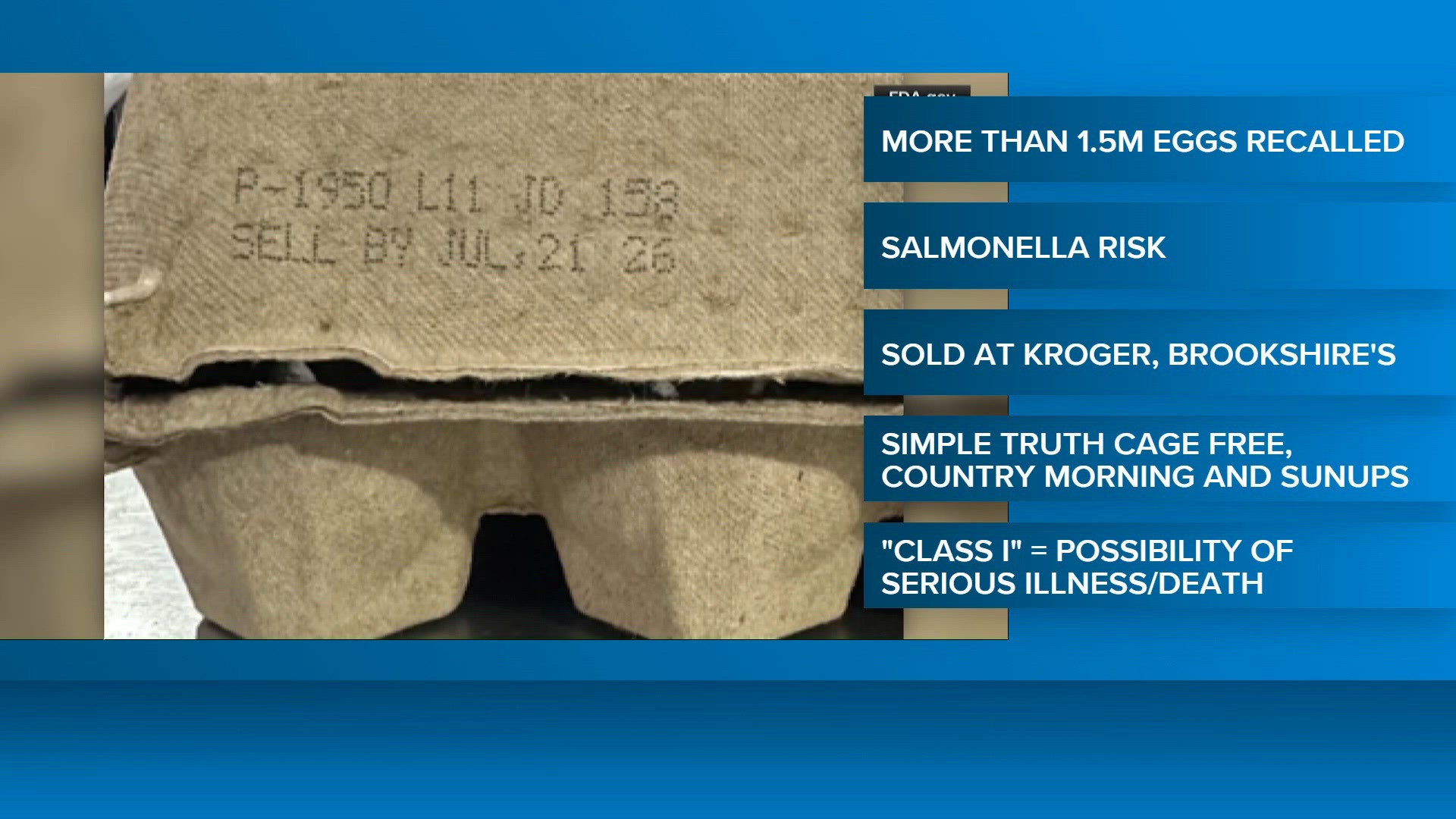
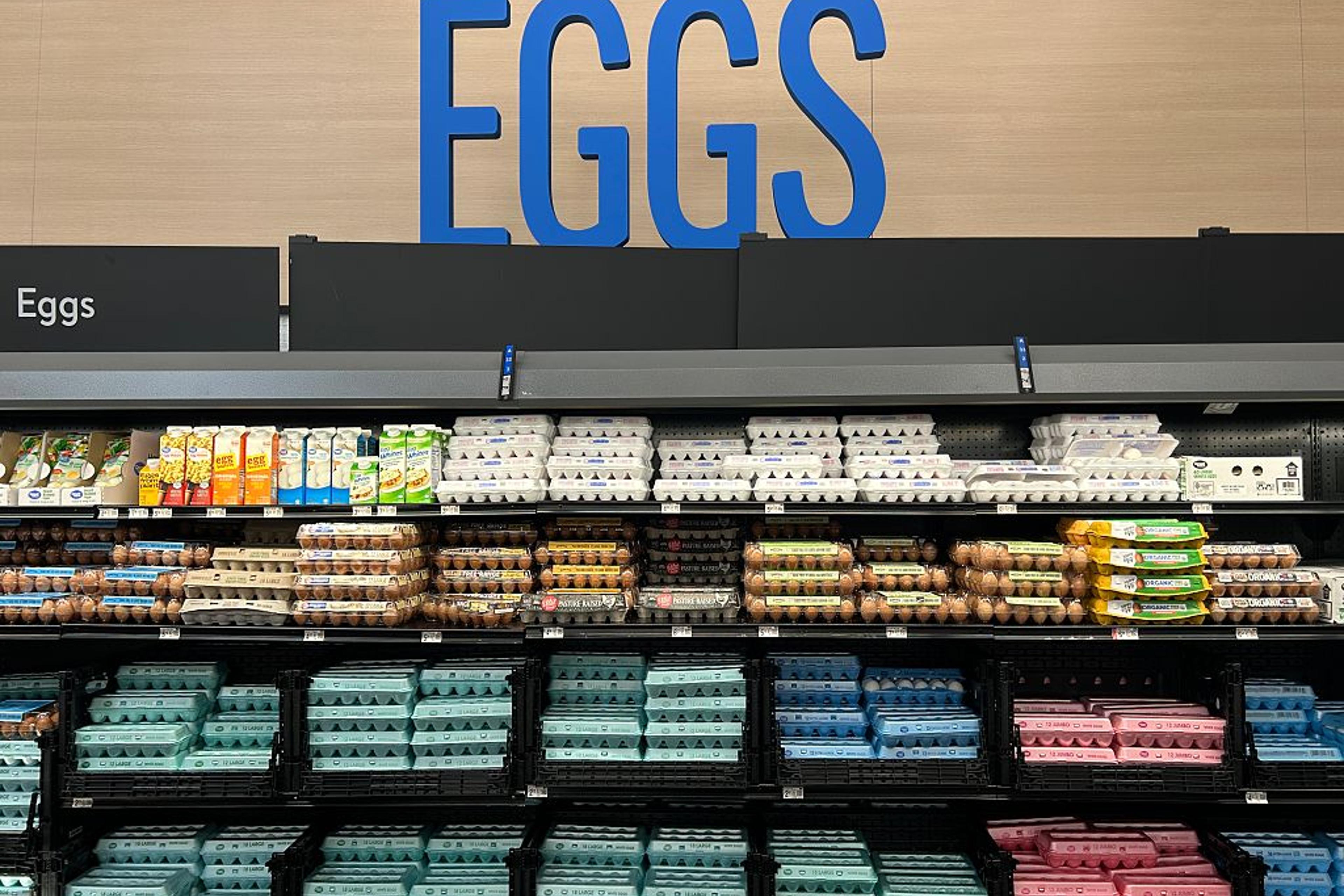
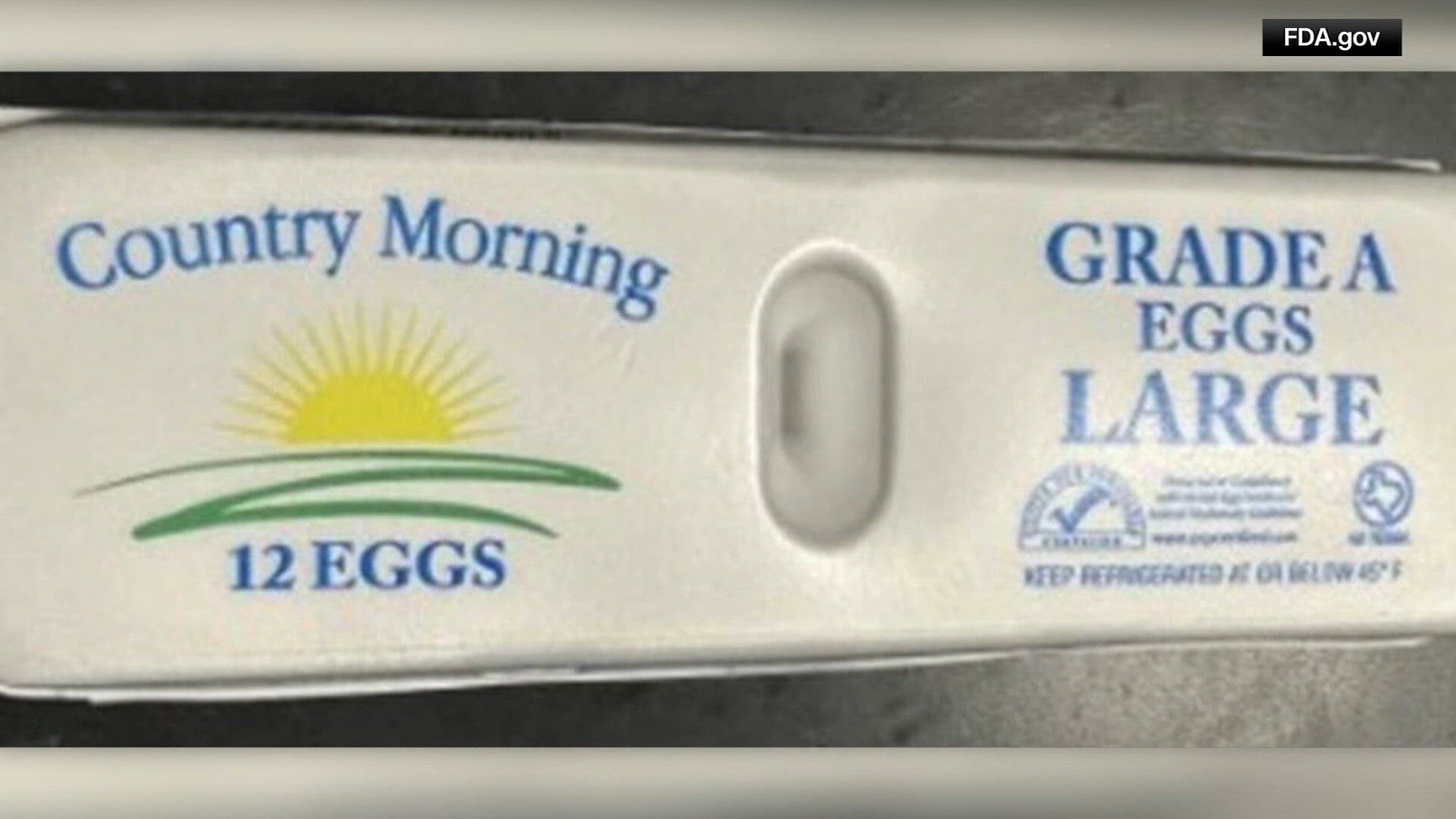
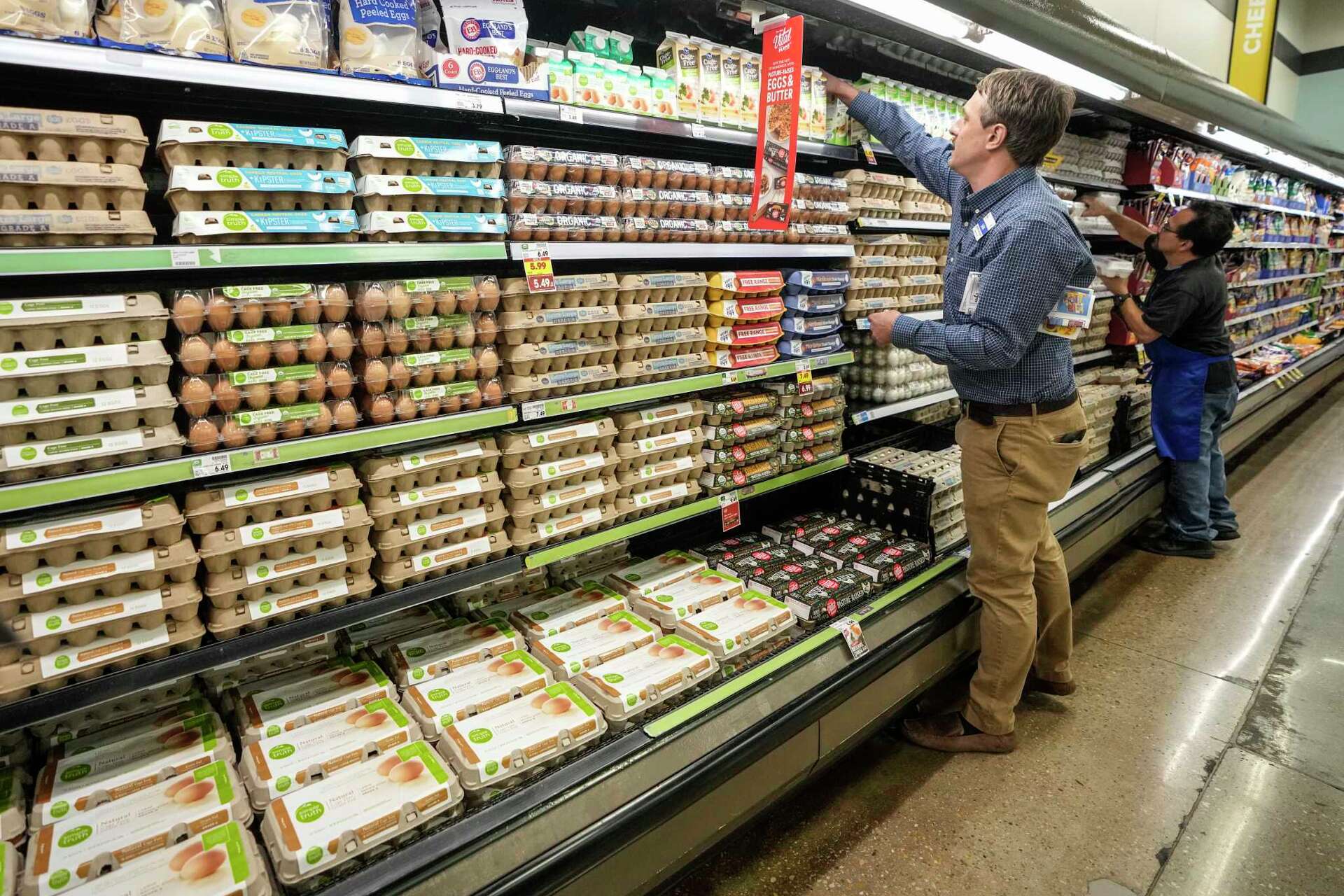
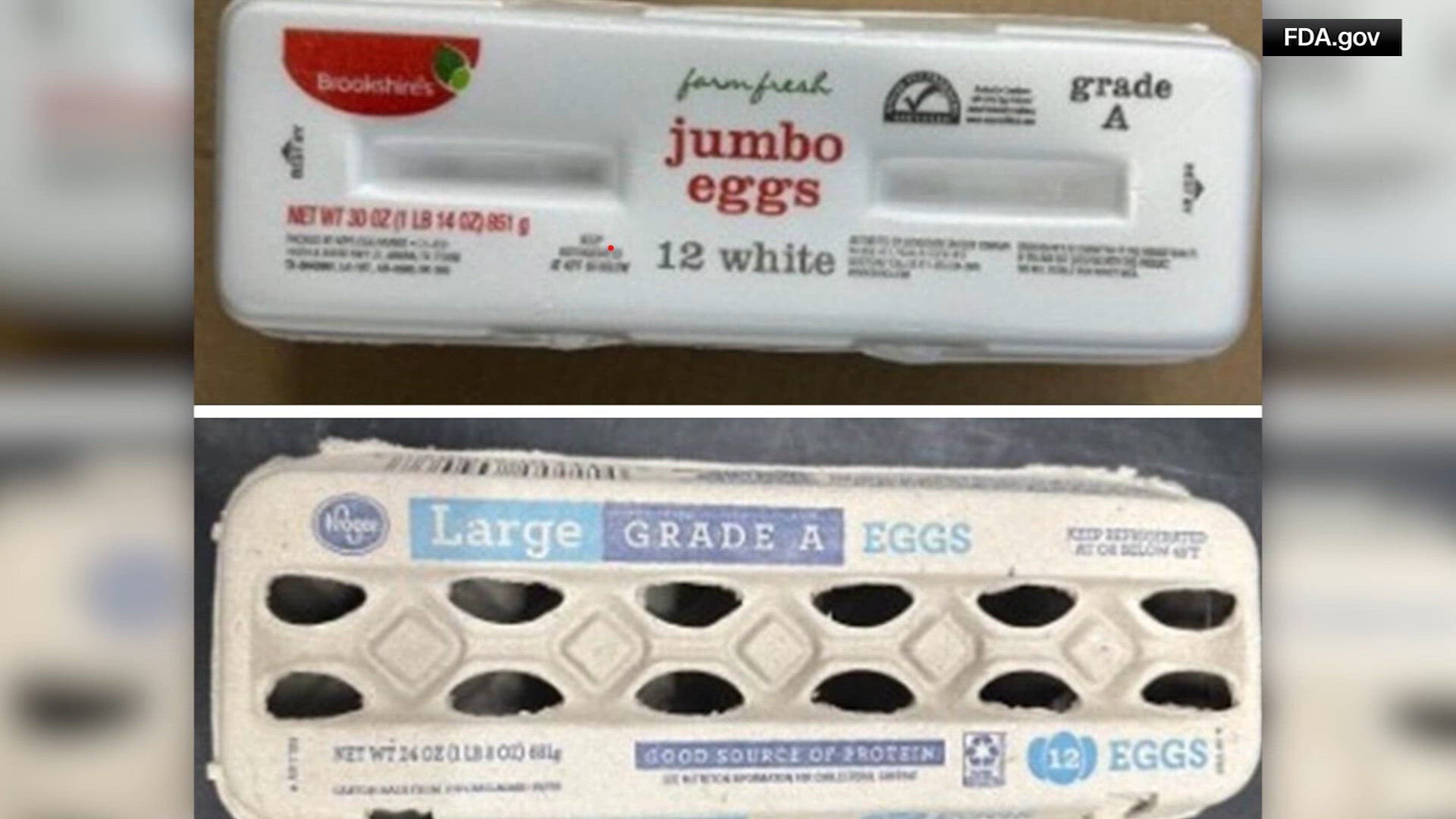
The FDA's upgrade of the Midwest Poultry Services egg recall to Class I status—its highest-risk classification—represents a critical inflection point for food safety compliance in e-commerce. Approximately 1.5 million dozen eggs distributed through major retailers (Kroger, Brookshire Grocery) across Texas, Louisiana, Oklahoma, Arkansas, New Mexico, and Mississippi have been reclassified due to salmonella contamination risk, with affected brands including Kroger, Simple Truth, Brookshires, Country Morning, and SunUps (sell-by dates July 20–August 17, 2026). This escalation from initial recall to Class I—reserved for situations where product exposure poses serious health risks or death—reveals a critical compliance gap in the U.S. food supply chain that directly impacts e-commerce sellers.
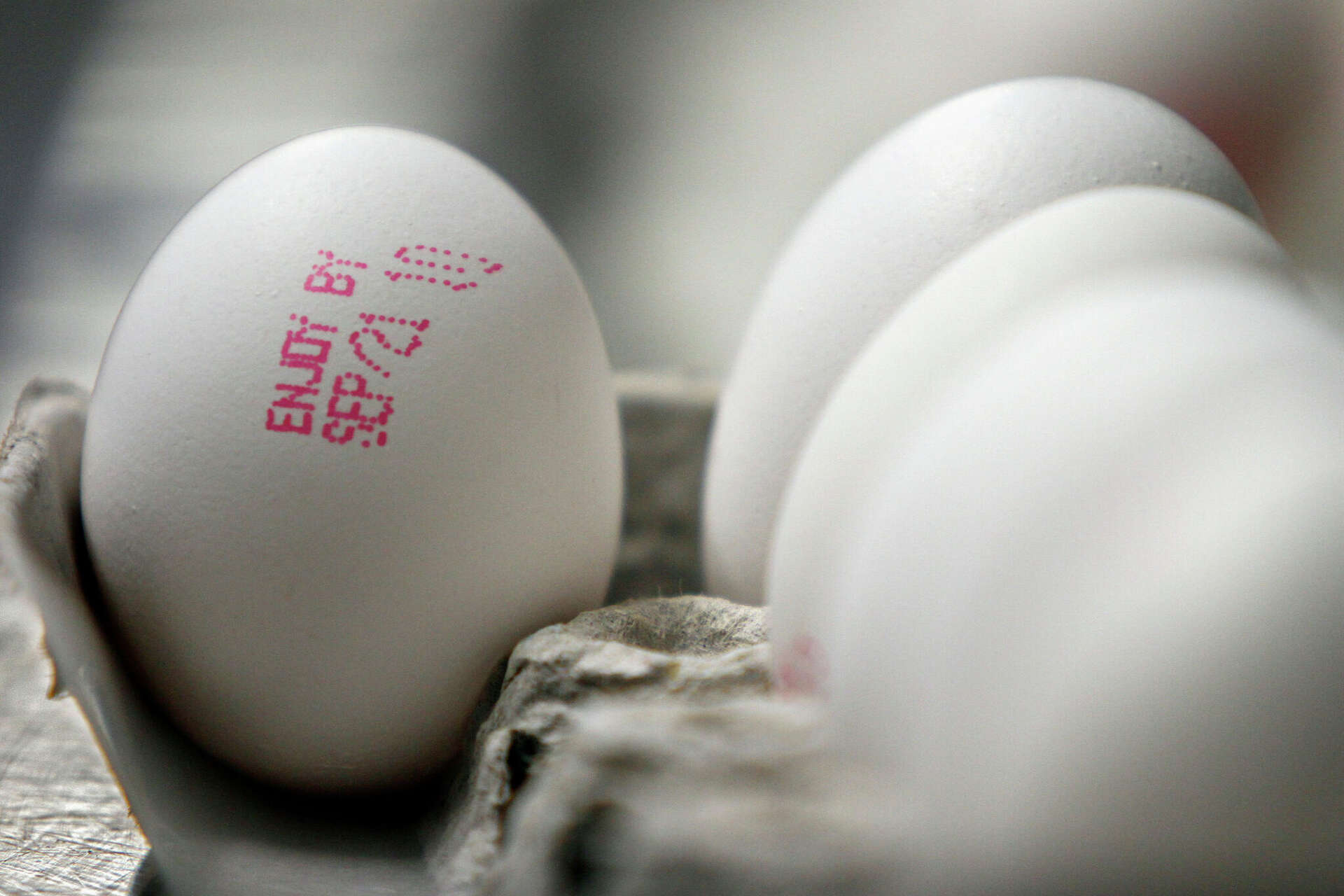
For food and grocery sellers on Amazon Fresh, Walmart+, and specialty food marketplaces, this recall creates a two-tier competitive landscape. First, it eliminates non-compliant suppliers: sellers sourcing from Midwest Poultry Services or distributors carrying affected batches (identified by codes P-1950, 0840962, and Julian dates 157–184) face immediate inventory seizures and potential delisting. The FDA's Class I designation triggers mandatory retailer removal and consumer notification, creating a 30-60 day market vacuum. Second, it accelerates demand for certified, traceable egg suppliers with documented HACCP (Hazard Analysis Critical Control Point) compliance, pasteurization certifications, and blockchain-enabled supply chain transparency. Sellers offering eggs from certified producers with third-party food safety audits (SQF Level 3, BRC Grade A) can command 8-15% price premiums while capturing market share from delisted competitors.
The compliance cost structure now favors larger, vertically integrated sellers. Achieving and maintaining Class I recall-proof status requires: (1) supplier audits ($5,000-15,000 per audit), (2) HACCP certification ($8,000-20,000), (3) real-time traceability systems ($10,000-30,000 annual SaaS), and (4) product liability insurance ($3,000-8,000 annually). Small sellers (<$500K annual food sales) typically cannot absorb these costs, creating a 40-60% market elimination rate among non-compliant producers. This regulatory moat protects compliant sellers from price competition and enables margin expansion. Additionally, the recall highlights a critical service gap: demand for food safety compliance consulting, recall management software, and supplier verification platforms is surging. Third-party logistics providers (3PLs) specializing in temperature-controlled, traceable food distribution are experiencing 25-35% booking increases post-recall as retailers demand certified fulfillment partners.
Questions 8
When should sellers update their supplier contracts to prevent similar recalls?
Immediate action required: sellers should audit current suppliers within 7-14 days and update contracts by end of Q1 2025. New contracts must include: (1) mandatory third-party food safety certifications (SQF Level 3 minimum), (2) real-time traceability requirements, (3) recall liability indemnification, and (4) quarterly audit rights. The recall affects sell-by dates through August 17, 2026, meaning affected inventory may still be in distribution. Sellers should implement supplier scorecards tracking certification status, audit results, and recall history. Failure to update contracts exposes sellers to account suspension and liability claims.
What are the liability and insurance implications for sellers?
Sellers offering food products face significant liability exposure post-recall. Product liability insurance for food sellers costs $3-8K annually but becomes mandatory for Amazon Fresh and Walmart+ participation. If a seller's product causes salmonella-related illness, liability claims can reach $50K-500K+ depending on severity. The recall demonstrates that even major suppliers (Midwest Poultry Services) face Class I enforcement, making insurance non-negotiable. Sellers should verify their policies cover recall costs, customer notification, and legal defense. Underinsured sellers face account suspension and potential delisting.