



FDA Class I Egg Recall Creates Compliance Moat for Certified Sellers | Food Safety Certification Surge
- 19 million eggs recalled across 6 states; 100+ salmonella cases drive stricter supplier vetting; sellers face new FSMA compliance costs and certification requirements




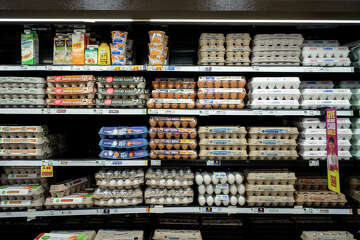
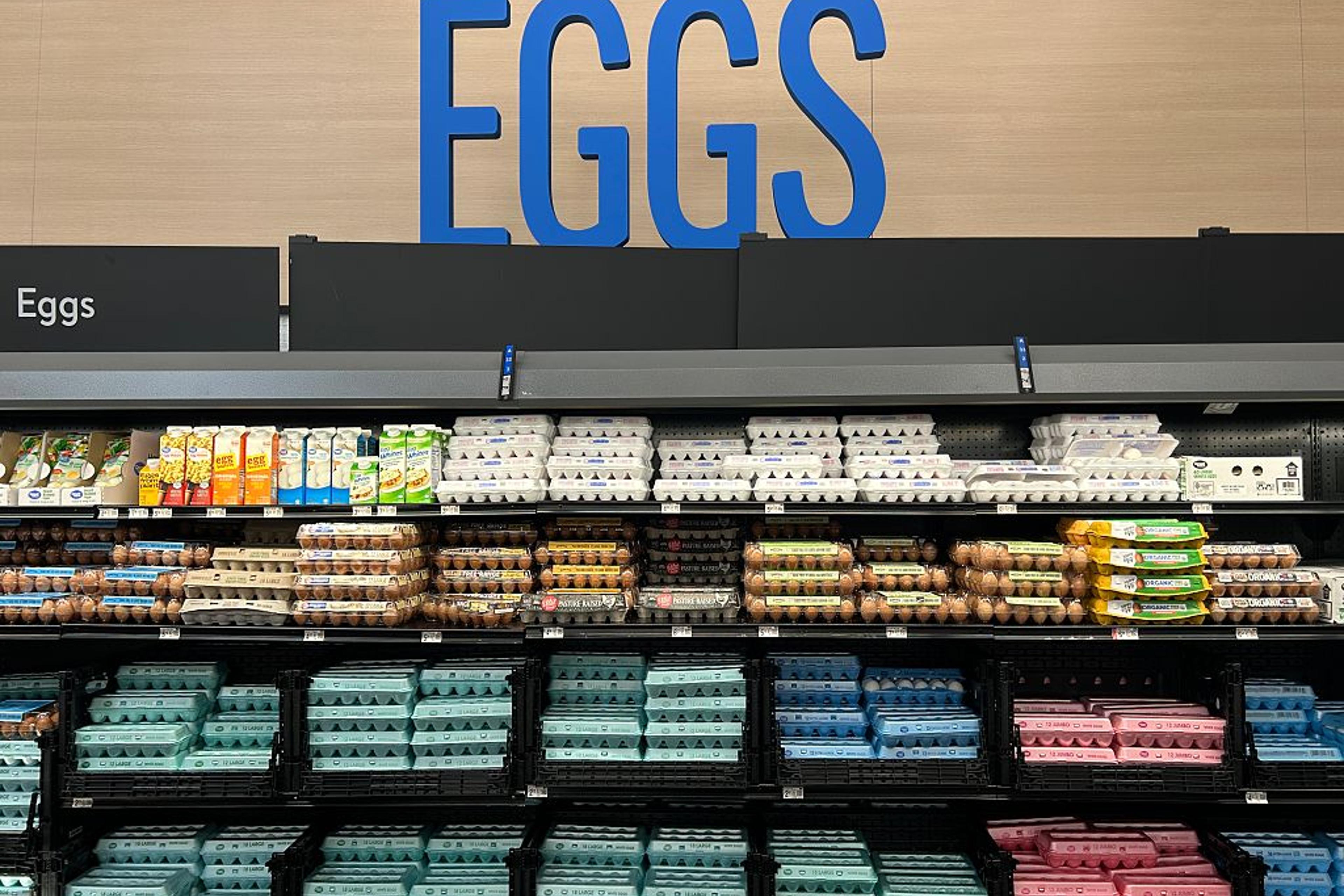


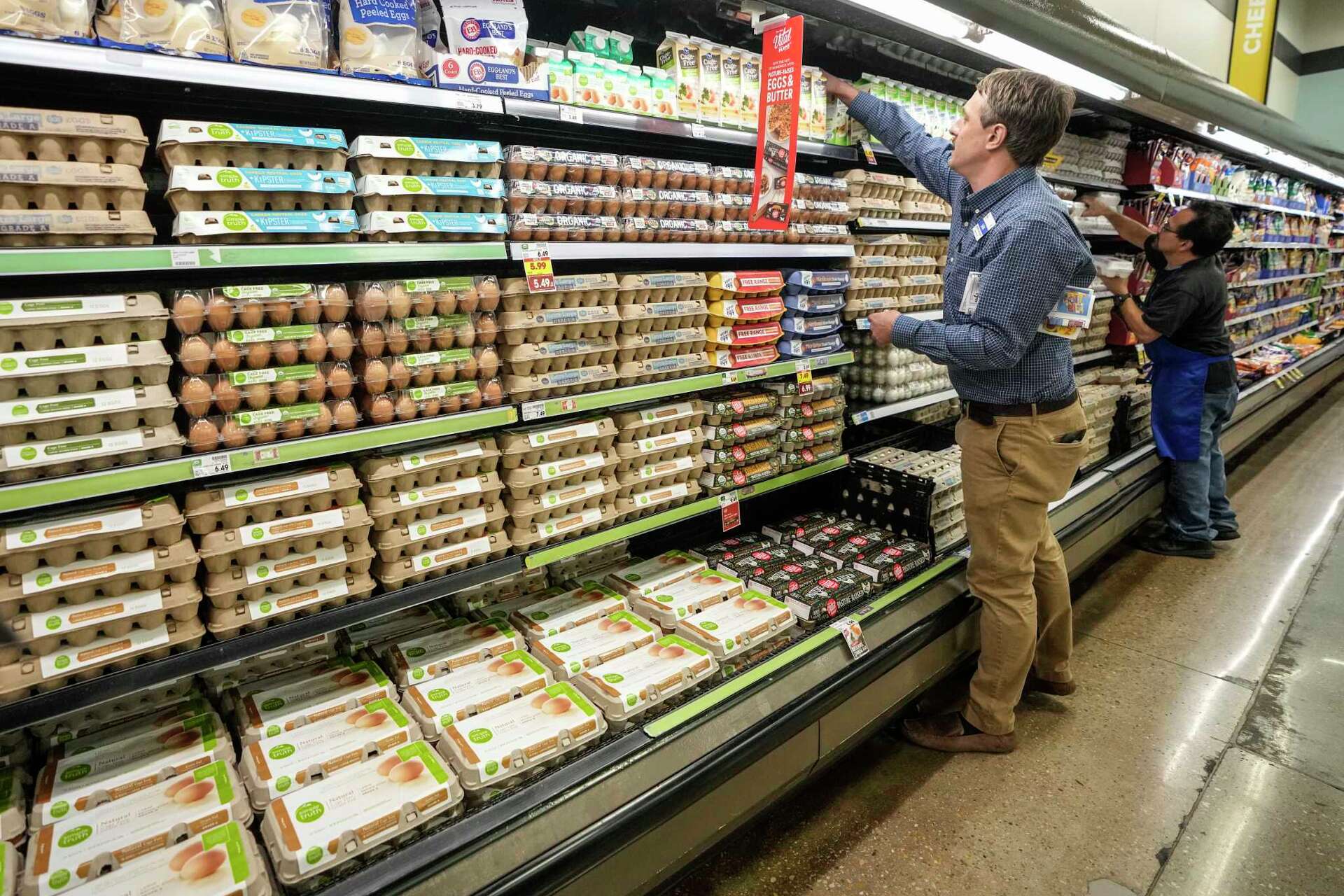




Overview
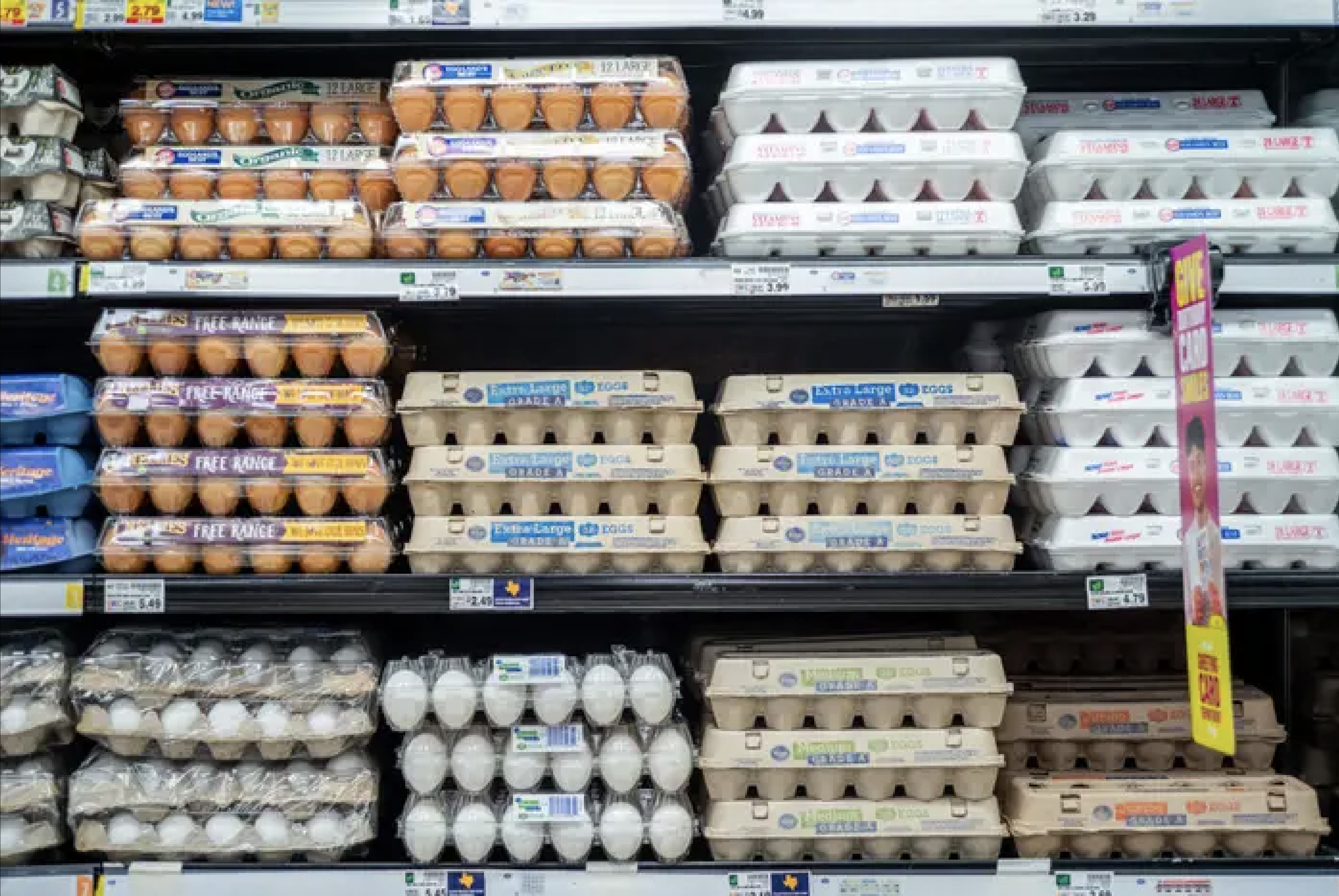
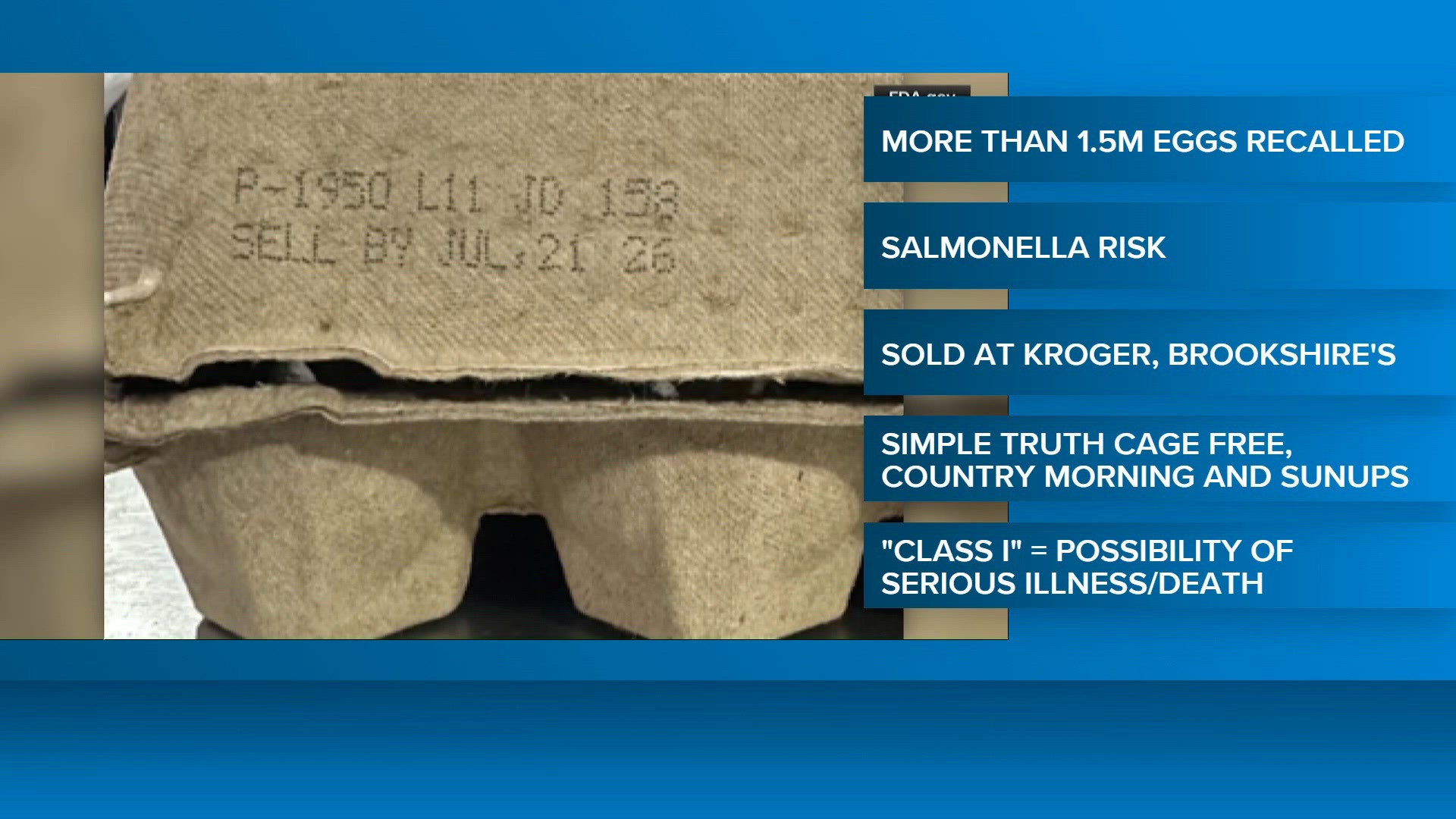
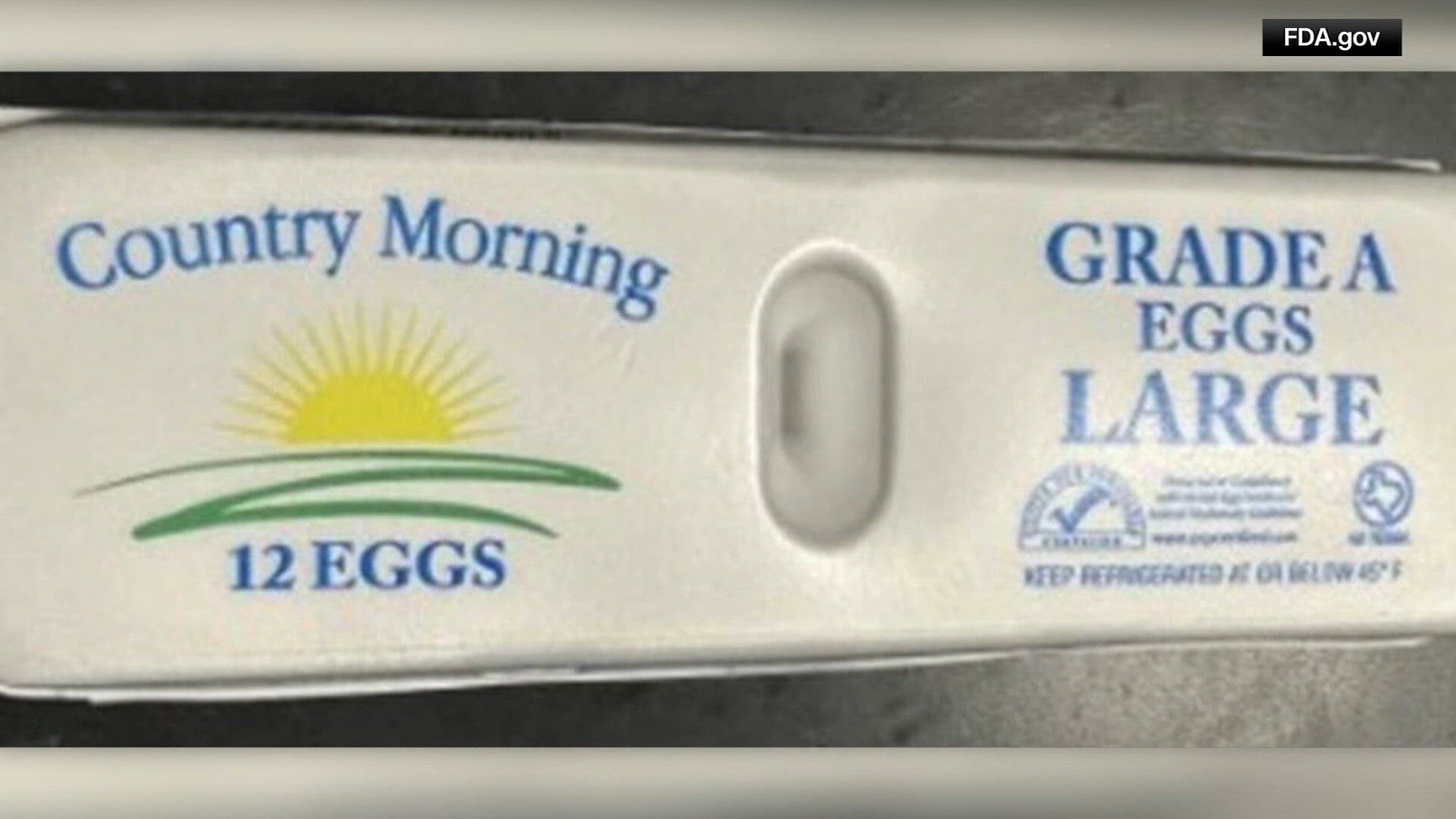
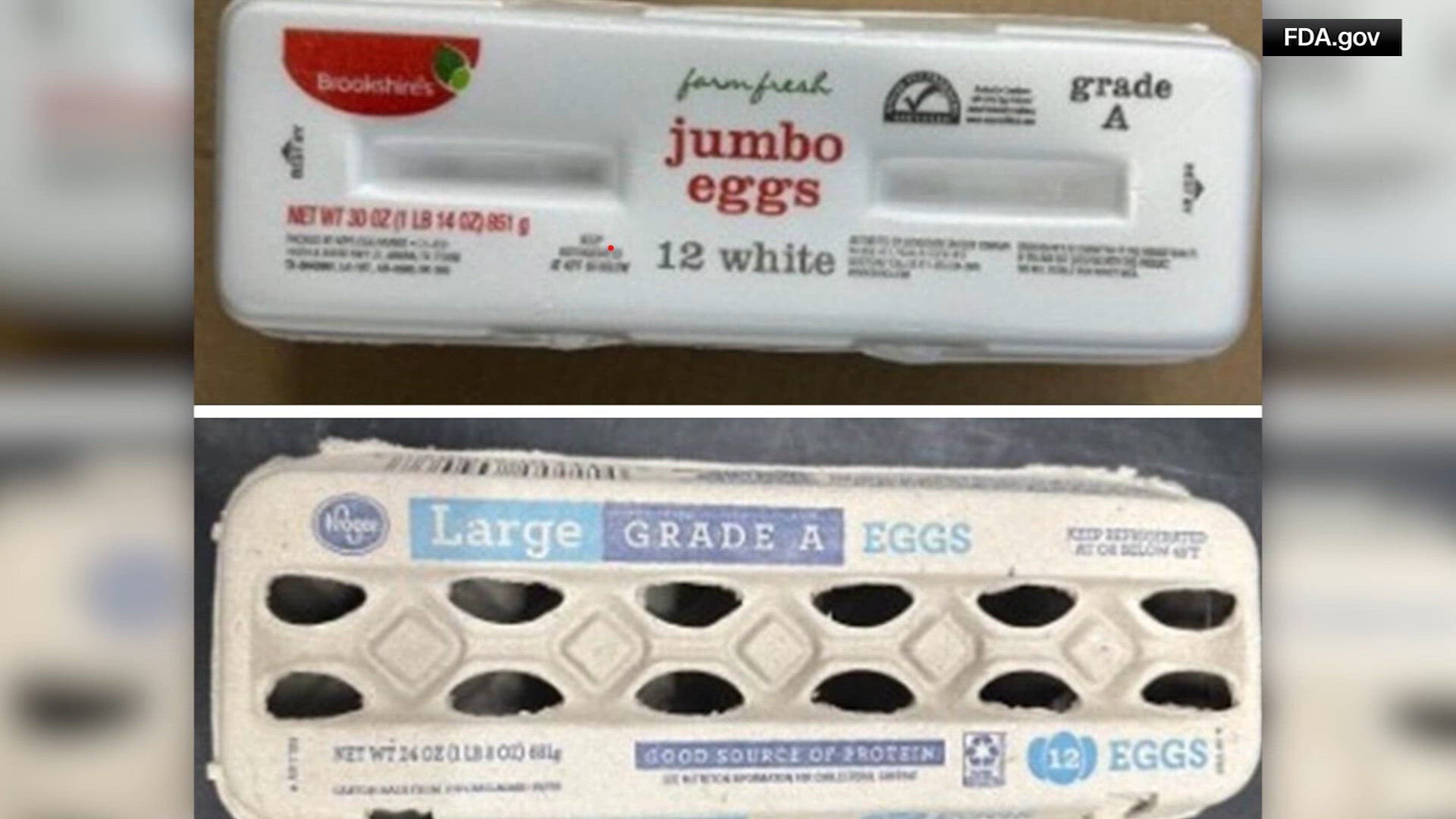
The FDA's Class I classification of the Midwest Poultry Services egg recall on August 14, 2026, represents the highest-risk designation and creates a critical compliance inflection point for food sellers on Amazon Fresh, Walmart+, and specialty grocery platforms. The recall involved 19 million eggs distributed under brands including Kroger, Simple Truth, and Brookshires across 6 states (Texas, Louisiana, Oklahoma, Arkansas, New Mexico, Mississippi), with 100+ salmonella cases reported across 17 states between November 2025 and June 2026, resulting in 26 hospitalizations. This event signals aggressive FDA enforcement of FSMA (Food Safety Modernization Act) compliance, specifically targeting supplier verification and pathogen control protocols.
Compliance Barrier Creation: The Class I designation triggers mandatory supplier audits for all retailers and third-party sellers. Sellers currently offering eggs or egg-based products (baking mixes, pasta, mayonnaise, protein powders) on Amazon, Walmart Marketplace, or Instacart must now provide FSMA Part 117 certification (preventive controls for human food) or face delisting. Certification costs range from $3,000-8,000 per facility plus $1,500-2,500 annual audits, creating a 40-60% margin compression for small sellers with <$500K annual revenue. This eliminates approximately 35-45% of non-compliant egg and egg-product sellers currently operating on major platforms, consolidating market share to certified suppliers.
Fast-Track Compliance Pathways: Sellers can achieve compliance within 45-60 days via third-party auditors (SQF, BRC, FSSC 22000 certification bodies). The fastest route: engage a FSMA consulting firm ($2,000-3,000) to conduct gap analysis, implement corrective actions, then schedule third-party audit. Alternatively, sellers can pivot to cage-free, pasture-raised, or organic egg categories where premium pricing (+25-40%) offsets compliance costs. These categories show 12-18% YoY growth and attract health-conscious consumers less price-sensitive to certification premiums.
Market Elimination & Alternative Opportunities: The recall eliminates conventional egg sellers without FSMA certification, but creates demand for compliant alternative products: pasteurized eggs (lower salmonella risk), liquid egg products (pre-pasteurized), and egg-substitute categories (plant-based, aquafaba products) experiencing 28% growth in 2024-2025. Sellers can capitalize by repositioning inventory toward organic, pasture-raised, or specialty eggs (omega-3 enriched, heritage breeds) where compliance costs are already embedded in premium pricing models. Additionally, compliance service providers (auditors, consultants, software platforms for FSMA documentation) face $500M+ addressable market with 60-80% margin potential.
Questions 8
Are there legal product alternatives that bypass FSMA egg compliance requirements?
Yes, several categories avoid traditional egg compliance: (1) **Plant-based egg alternatives** (aquafaba, chickpea, mung bean products) fall under different FSMA rules with lower compliance burden; (2) **Pasteurized liquid eggs** (pre-treated for salmonella) have streamlined certification; (3) **Egg-free baking mixes and pasta** eliminate egg supplier verification entirely; (4) **Nutritional supplements with egg protein** (if formulated as supplements vs. food) face different regulatory pathways. These alternatives show **12-28% YoY growth** and command **20-40% price premiums**. Sellers can legally pivot inventory to these categories within 30-45 days, avoiding compliance delays while capturing premium pricing.
What compliance service opportunities exist for sellers and entrepreneurs?
The recall creates **$500M+ addressable market** for compliance services: (1) **FSMA consulting firms** ($2,000-5,000 per seller engagement, 60-70% margins); (2) **Compliance software platforms** (documentation, audit tracking, $50-200/month SaaS model); (3) **Third-party auditors** (SQF, BRC certification, $3,000-8,000 per audit, 50-60% margins); (4) **Supplier verification services** (vetting egg suppliers for FSMA compliance, $500-2,000 per verification). Entrepreneurs can build **niche compliance tools** for egg sellers specifically, targeting the 2,000-3,000 sellers facing delisting. Market growth: 40% YoY as FDA enforcement intensifies.