



FDA Class I Egg Recall Triggers Food Safety Compliance Crisis | Sellers Must Verify Supply Chain Certification Now
- 19 million eggs recalled across 6 states; Class I designation signals stricter FDA enforcement; sellers face new traceability and certification requirements for food products













Overview
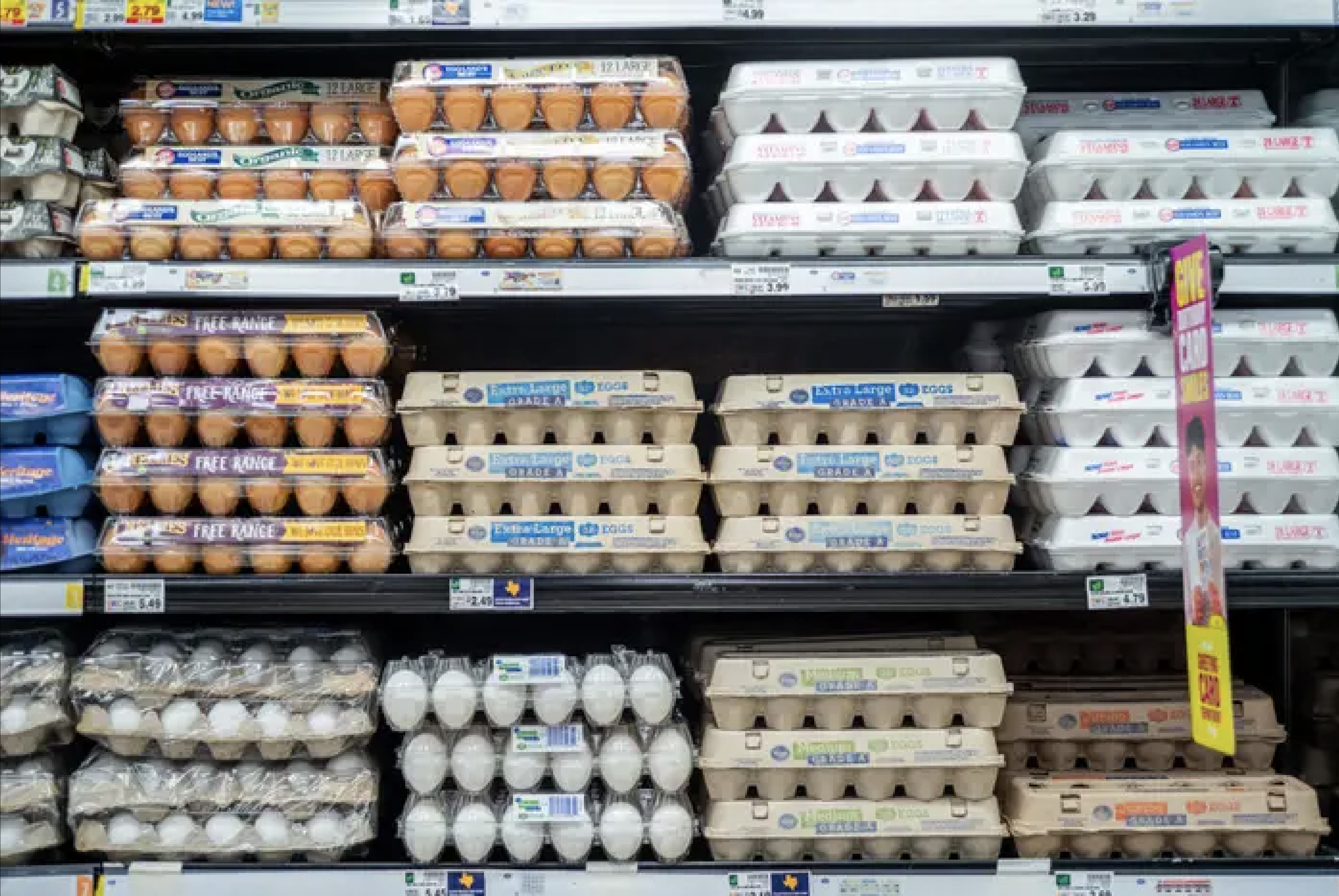
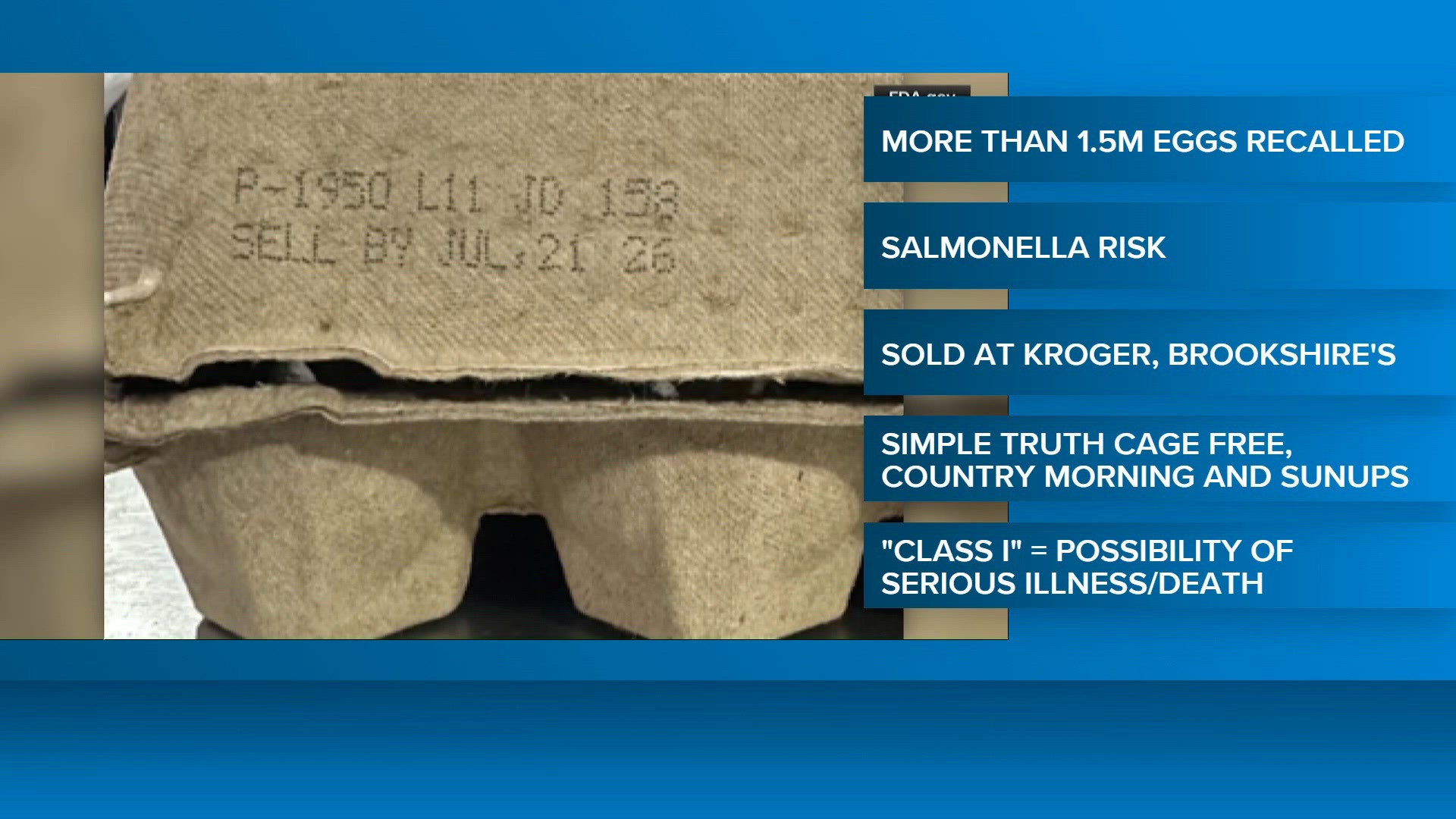
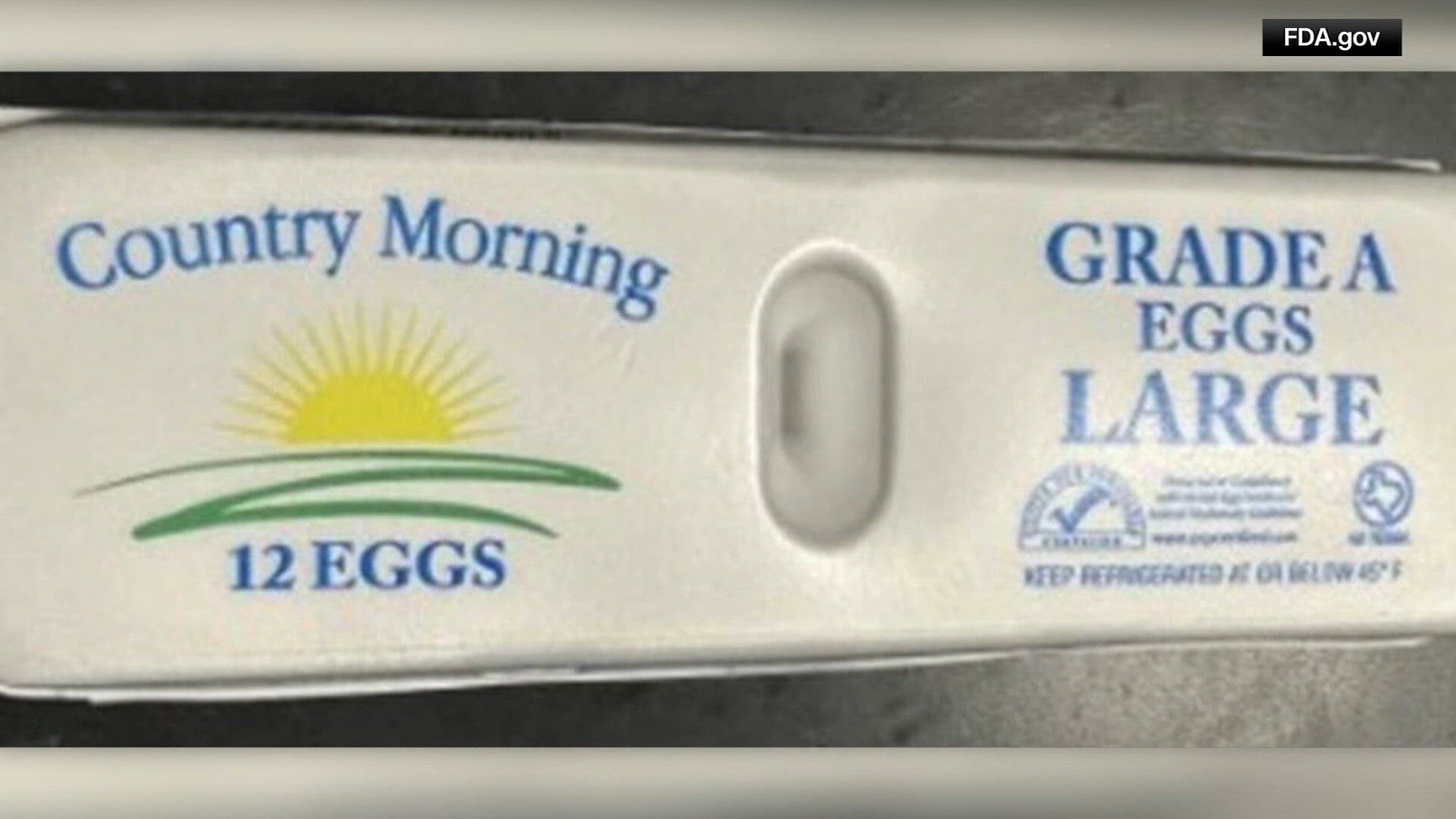
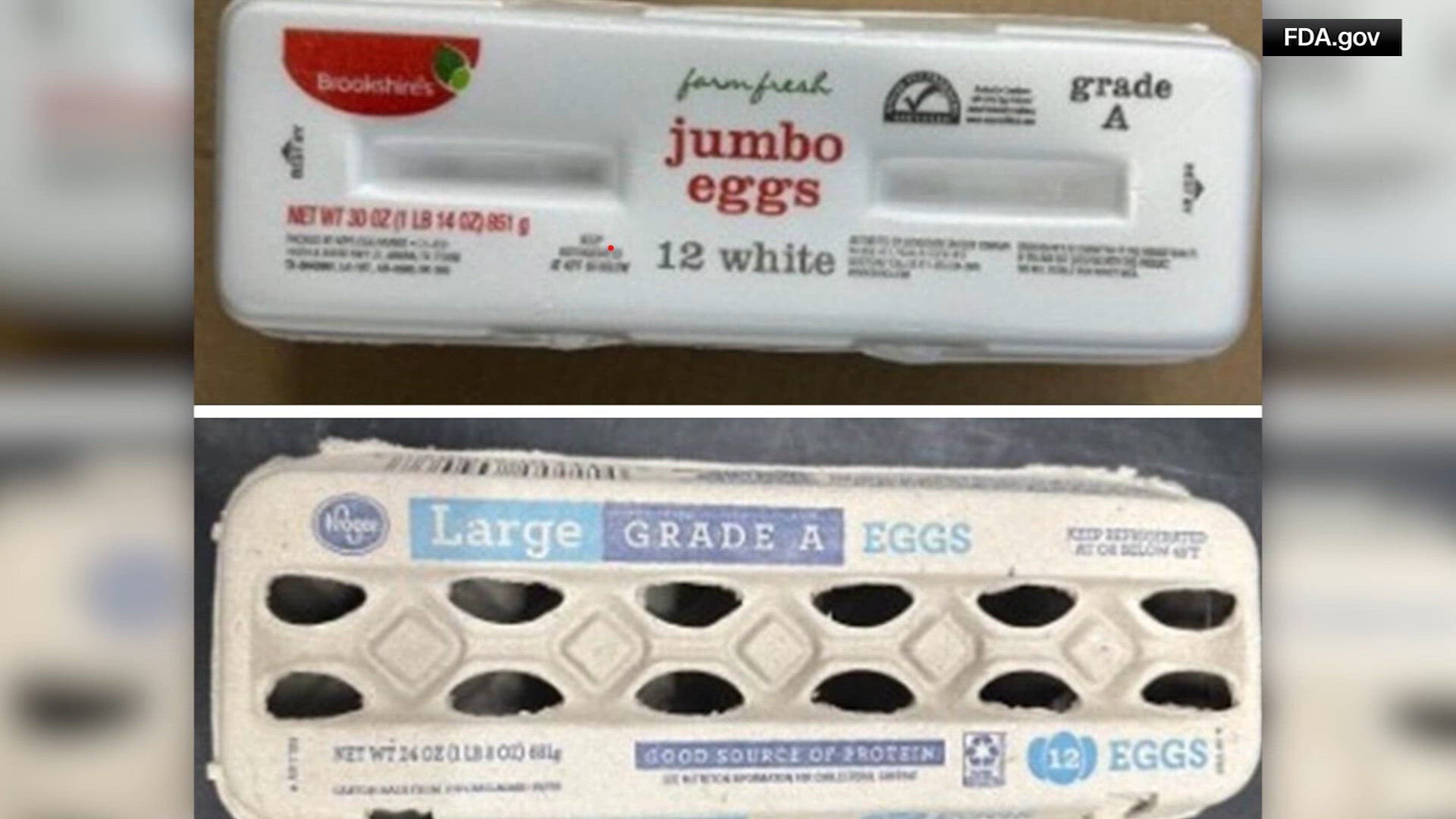
The FDA's August 14, 2026 Class I classification of Midwest Poultry Services' egg recall—affecting 1.5 million dozen eggs distributed under brands including Kroger, Simple Truth, and Brookshires—represents a critical regulatory inflection point for food sellers on e-commerce platforms. This highest-risk designation, triggered by salmonella contamination linked to nearly 100 illnesses across 17 states and 26 hospitalizations, signals that the FDA is intensifying enforcement scrutiny of agricultural supply chains. For cross-border and domestic food sellers, this creates immediate compliance barriers: sellers must now demonstrate full traceability documentation, implement FSMA (Food Safety Modernization Act) compliance protocols, and obtain third-party food safety certifications to maintain marketplace access.
Compliance Cost & Timeline Impact: Food sellers currently operating without formal FSMA compliance face 60-90 day certification timelines and $3,000-8,000 in compliance costs per facility. The recall's geographic footprint—spanning Texas, Louisiana, Oklahoma, Arkansas, New Mexico, and Mississippi—indicates FDA is conducting cross-state investigation, meaning sellers in these regions face heightened inspection probability. Retailers including Kroger and Brookshire Grocery have already removed affected inventory, demonstrating that major platforms now enforce stricter upstream supplier vetting. This creates a market winnowing effect: non-compliant egg producers and small sellers without traceability systems will face delisting from major retail channels and Amazon Fresh/Whole Foods integration.
Category Elimination & Compliant Alternative Opportunities: The Class I designation establishes a new compliance moat. Sellers offering cage-free, pasture-raised, or organic eggs with third-party certifications (Certified Humane, Global Animal Partnership) now have competitive advantage—these certifications require documented food safety protocols that exceed baseline FDA requirements. Sellers can capitalize on consumer shift toward premium, certified eggs by highlighting compliance credentials in product listings. Additionally, sellers of egg alternatives (plant-based, cultured) face reduced competitive pressure as traditional egg suppliers face delisting. The recall also creates demand for food safety compliance services: sellers need FSMA consulting, traceability software, and third-party audit services—currently underserved in the e-commerce supply chain.
Market Enforcement Signal: The FDA's reclassification from voluntary recall to Class I indicates investigation findings strengthened contamination concerns, suggesting ongoing enforcement intensity. Sellers must assume FDA will conduct expanded audits of egg suppliers through 2026-2027. This means sellers should immediately audit supplier certifications, implement lot-tracking systems, and prepare for potential marketplace audits. The 26 hospitalizations and 100+ illness cases create liability exposure—sellers face potential delisting if they cannot prove supply chain due diligence.
Questions 8
What are the fastest compliance paths for sellers entering the egg category after the recall?
Fastest path (30-45 days): Partner with pre-certified suppliers holding current FSMA certifications and third-party audits—this eliminates facility inspection delays. Cost: $1,500-3,000 for supplier verification and documentation. Second path (60-90 days): Obtain own FSMA certification through accredited consultants—costs $3,000-8,000 but provides long-term competitive advantage. The recall demonstrates that platforms now conduct retroactive compliance audits, so new sellers must have documentation ready before listing. Sellers should avoid direct sourcing from non-certified producers—the 26 hospitalizations and Class I designation show platforms will delist non-compliant suppliers immediately. Pre-certified supplier partnerships are now the market entry requirement.
How does the FDA Class I recall affect cross-border egg sellers importing to the US?
Cross-border sellers face additional compliance layers: FDA import requirements, FSMA Foreign Supplier Verification Program (FSVP) certification, and country-specific food safety standards. Import timelines extend to 120-150 days due to FDA inspection requirements. The Class I recall signals FDA will intensify import audits through 2026-2027, particularly for suppliers from regions with salmonella risk. Cross-border sellers must obtain FSVP certification ($2,000-5,000) and maintain documentation of foreign supplier audits. US-based sellers now have competitive advantage due to shorter compliance timelines and lower import risk. Cross-border sellers should prioritize FSVP certification immediately to avoid import delays and delisting.