




UK EV Mandate Weakening | Automotive Aftermarket & EV Accessories Sellers Face Major Demand Shift
- Government consultation to cut EV targets from 80% to 50% by 2030 reshapes UK automotive market; sellers of EV charging equipment, batteries, and petrol-dependent accessories face 18-36 month demand volatility window
















:format(auto):focal(center))




















Overview
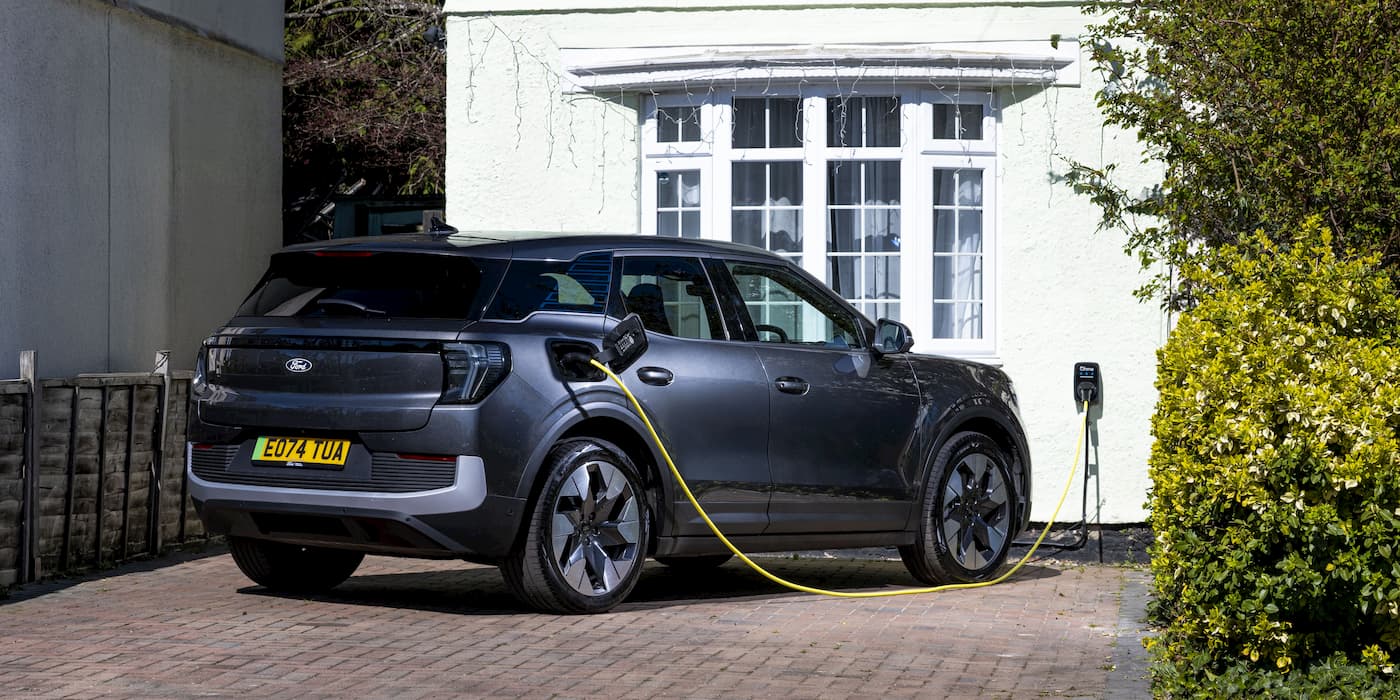
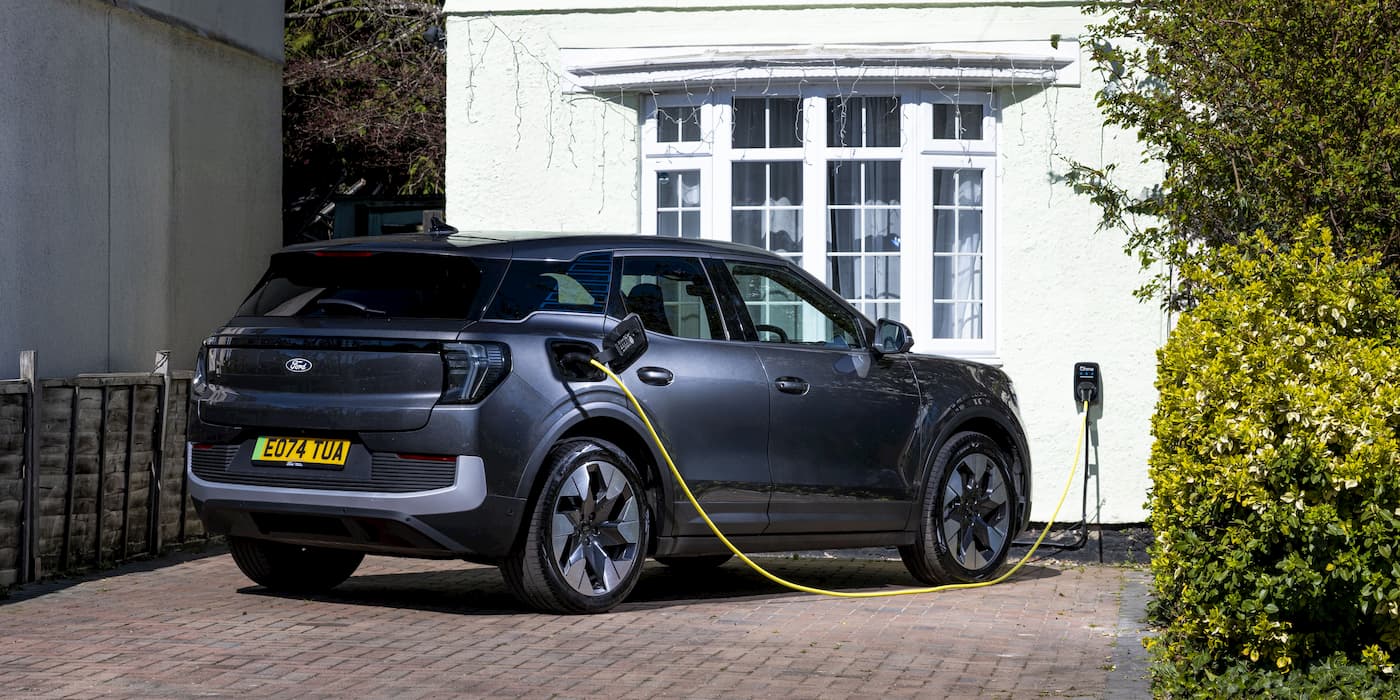
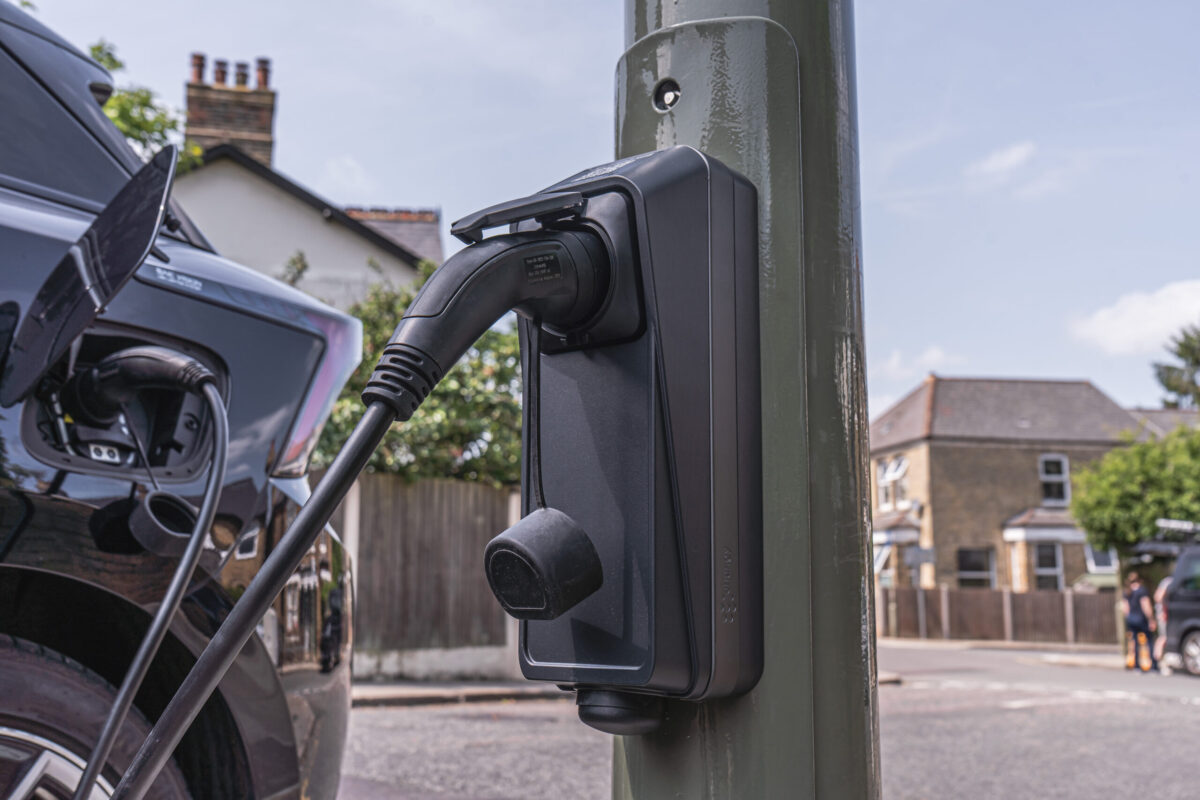
The UK government's formal consultation to potentially weaken electric vehicle sales targets from 80% to as low as 50% by 2030 creates a critical 18-month demand uncertainty window for cross-border sellers in automotive aftermarket categories. The consultation runs until October 23, 2024, with three policy options under consideration: maintaining 80% targets with extended flexibility until 2034, cutting to 70% or 60%, or reducing to 50% with hybrid allowances. This policy reversal directly impacts e-commerce sellers across multiple product categories: EV charging infrastructure (home chargers, portable units, charging cables), EV batteries and replacement components, automotive diagnostic tools, and petrol-dependent accessories (fuel additives, traditional engine parts, combustion-focused maintenance products).
Market volatility creates category-specific opportunities. Currently, UK EV sales represent 25% of new vehicle sales (first seven months 2024) with BEV sales up 44.5% year-over-year, yet the government is considering relaxation despite this momentum. If targets are cut to 50%, the Energy Climate Intelligence Unit projects 2.6 million fewer electric cars on UK roads by 2035—a demand cliff that directly reduces EV aftermarket product sales while extending the lifecycle of petrol/diesel vehicles. Sellers of traditional automotive parts (oil filters, spark plugs, fuel system components) face 18-36 months of uncertainty before policy finalization, making inventory planning extremely difficult. Conversely, EV charging equipment sellers have a 12-18 month window to capture market share before policy clarity emerges.
Competitive dynamics shift by seller segment and sourcing strategy. Large automotive suppliers with diversified product portfolios (both EV and traditional) can hedge policy risk through balanced inventory allocation. Small sellers specializing exclusively in EV accessories face margin compression if targets weaken—Amazon FBA sellers in EV charging category (HS codes 8504.40, 8507.80) should expect 15-25% demand reduction if 50% scenario materializes. Conversely, sellers of traditional automotive maintenance products sourced from China/Vietnam gain competitive advantage if policy weakens, as they can increase inventory without facing obsolescence risk. The consultation deadline of October 23, 2024 creates a critical decision point: sellers must decide whether to front-load EV inventory purchases before potential policy announcement (betting on 80% scenario) or maintain conservative stock levels (hedging against 50% scenario).
Cross-border sourcing implications are substantial. UK-based sellers importing EV charging equipment from China face 10-15% tariff rates under current trade agreements; if demand drops 20-30% due to policy weakening, unit economics deteriorate significantly. Sellers should monitor tariff changes on HS codes 8504.40 (power supply units for EVs) and 8507.80 (EV batteries) as policy uncertainty may trigger government tariff adjustments to protect domestic manufacturers. The consultation also signals potential government support for hybrid vehicles, which creates a secondary opportunity: sellers of hybrid-specific components (dual-fuel systems, hybrid batteries) may see 8-12% demand growth if 70% or 60% scenarios are adopted.
Questions 8
What inventory planning strategy should sellers use during the October 23 consultation deadline?
Sellers face a binary decision: (1) Front-load EV inventory purchases before October 23 if betting on 80% scenario continuation, or (2) Maintain conservative stock levels if hedging against 50% scenario. The optimal strategy is a 60/40 split: allocate 60% of inventory budget to EV products (assuming 80% scenario holds) and 40% to traditional/hybrid products (hedging against weakening). This approach limits downside risk to 12-15% margin compression while capturing upside if policy maintains current trajectory. Sellers should also monitor UK government announcements weekly starting September 2024—early signals about which scenario is favored will emerge 2-3 weeks before October 23 deadline. For Amazon FBA sellers, this means adjusting IPI (Inventory Performance Index) targets: reduce EV category targets from 90-95% to 75-80% to maintain flexibility for rapid rebalancing post-announcement.
How do tariff rates on EV components (HS 8504.40, 8507.80) compare to traditional automotive parts under UK trade policy?
EV-specific components face 10-15% tariff rates under current UK-EU trade agreements, while traditional automotive parts (HS 8421.23 oil filters, HS 8511.30 spark plugs) face 2-5% rates. This 5-10 percentage point differential creates sourcing cost advantages for sellers of traditional products if EV demand weakens. Sellers should check the UK Trade Tariff database (trade-tariff.service.gov.uk) for real-time rates by HS code. If the government adopts a 50% EV target scenario, tariff policy may shift to protect domestic EV manufacturers—watch for potential tariff increases on imported EV components to 15-20% as government stimulus. Conversely, tariffs on traditional automotive parts may decrease to 0-2% to support petrol vehicle market extension. Sellers should lock in current tariff rates by pre-importing inventory before any policy-driven tariff changes, which typically occur 30-60 days after policy announcement.