
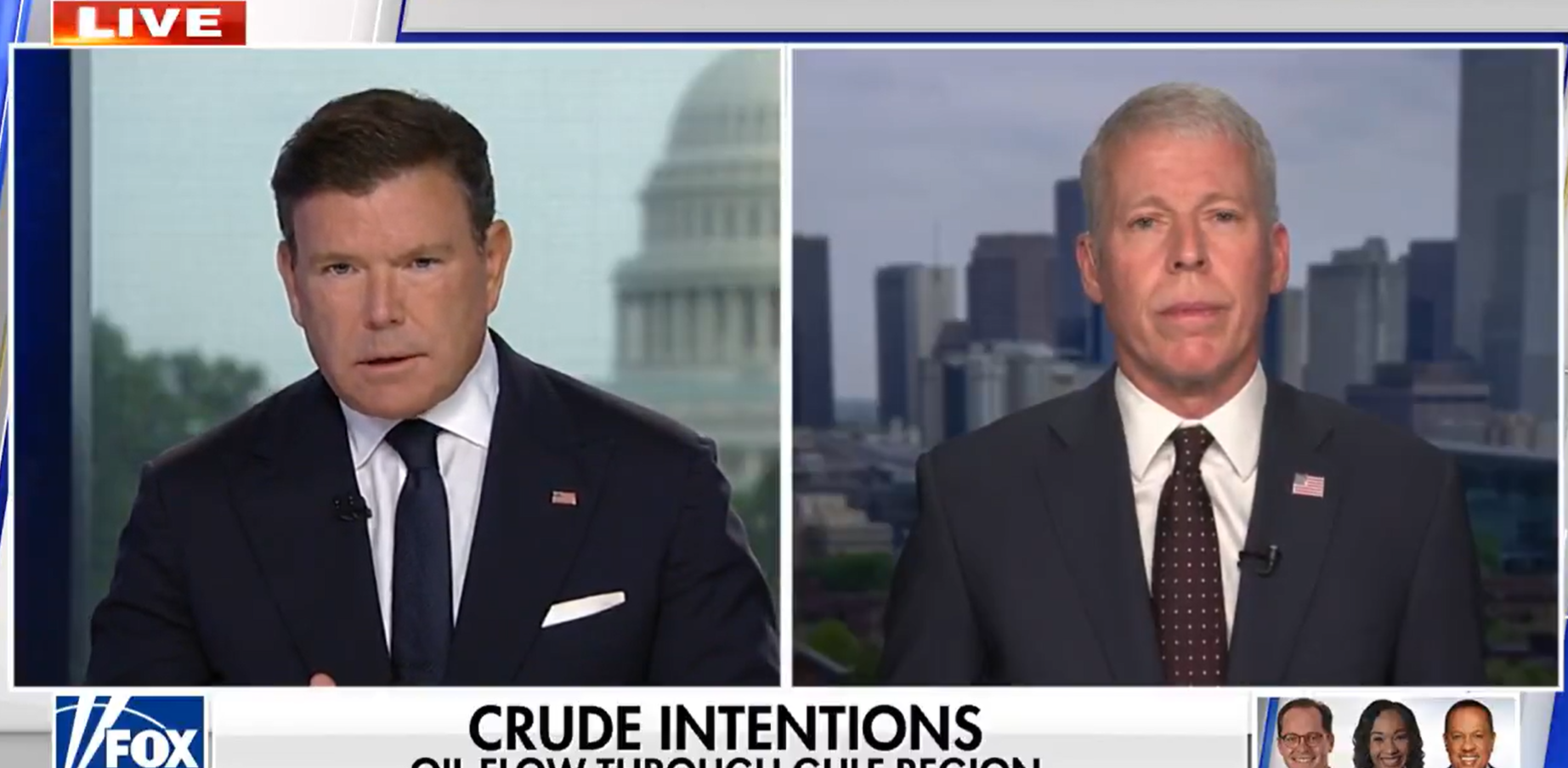


Strait of Hormuz Oil Crisis Reshapes Global Shipping Costs | Sellers Face 8-15% Logistics Price Surge
- Geopolitical tensions reduce oil flow 25% (20M to 15M barrels daily), triggering fuel surcharges affecting cross-border shipping costs for all e-commerce sellers within 30-60 days






Overview
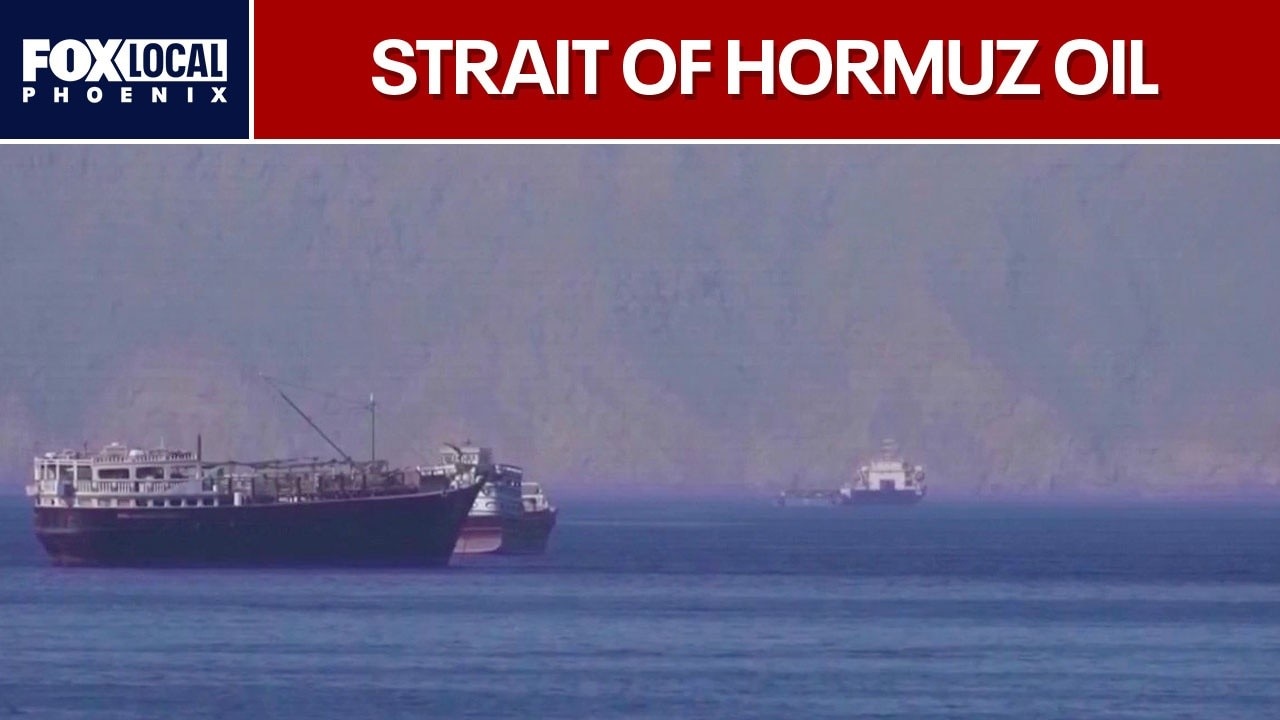
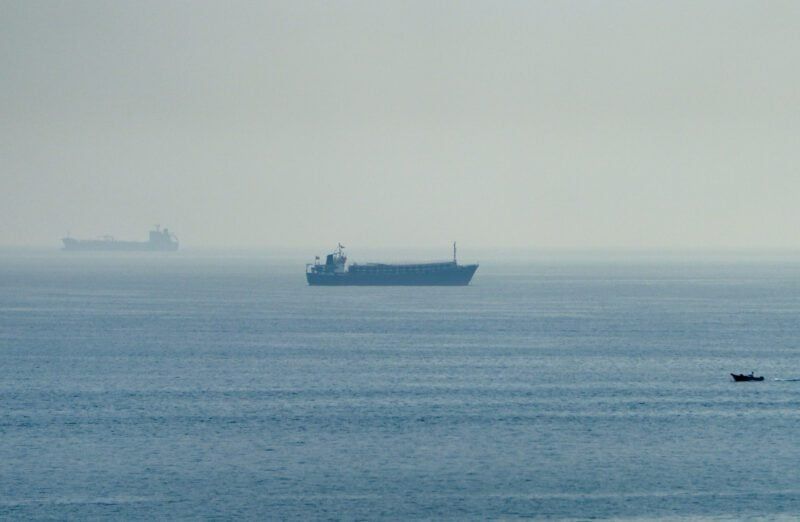
The escalating standoff between the U.S. and Iran over the Strait of Hormuz—a critical chokepoint controlling 21% of global oil transit—is creating immediate supply chain disruptions with direct cost implications for cross-border e-commerce sellers. Oil flows have declined from pre-conflict levels of 20 million barrels daily to approximately 15 million barrels daily (a 25% reduction), with independent researchers estimating even tighter constraints at 7-11 million barrels daily through the Strait itself. This supply deficit is forcing global shipping companies to implement fuel surcharges (bunker adjustment factors) that typically increase ocean freight costs by 8-15% within 30-60 days of sustained price volatility.
Immediate Shipping Cost Impact: Sellers using ocean freight from Asia (China, Vietnam, India) to North America and Europe face the most acute pressure. Standard 40-foot container costs from Shanghai to Los Angeles typically range $1,500-2,500; fuel surcharges could add $120-375 per container. For sellers shipping 50+ containers monthly, this represents $6,000-18,750 in additional monthly logistics costs. Air freight premiums are already rising 12-20% as shippers divert to faster routes to avoid Hormuz delays. Amazon FBA sellers and 3PL providers are absorbing these costs initially but will pass increases to sellers through higher fulfillment fees within Q1 2025.
Strategic Sourcing Implications: The blockade creates competitive advantages for sellers sourcing from non-Iranian Gulf producers (Iraq, UAE, Saudi Arabia) and alternative manufacturing hubs (Vietnam, India, Mexico) that bypass Middle Eastern shipping routes. Sellers currently dependent on China-to-Middle East-to-Europe supply chains face 2-4 week delays as vessels reroute around the Cape of Good Hope (adding 10-14 days transit time). This timing window creates arbitrage opportunities: sellers who shift sourcing to Vietnam or India can reduce shipping time by 40-50% and avoid fuel surcharge exposure, gaining competitive pricing advantages of 5-8% on landed costs. The Trump administration's strategy to maintain non-Iranian crude flows (9 million barrels daily) provides temporary relief, but sustained blockade enforcement suggests 6-12 month duration.
Category-Specific Vulnerabilities: High-volume, low-margin categories (electronics, home goods, apparel) face margin compression of 3-5% if shipping costs rise 10-12%. Premium categories (beauty, luxury goods, collectibles) can absorb surcharges through price increases. Sellers with inventory already in FBA warehouses face minimal immediate impact, but restocking orders placed now will reflect higher landed costs by March-April 2025. Sellers should audit supply chain geography immediately: those with 60%+ sourcing from China face highest risk; those with diversified sourcing (40% Vietnam, 30% India, 30% China) have natural hedges against route disruptions.
Questions 7
How will the Strait of Hormuz blockade affect my Amazon FBA shipping costs?
The 25% reduction in oil flow through the Strait (from 20M to 15M barrels daily) will trigger fuel surcharges on ocean freight within 30-60 days, increasing container costs by $120-375 per 40-foot unit. Amazon and 3PL providers typically pass these increases to sellers through higher fulfillment fees (2-4% increase) starting in Q1 2025. Sellers shipping 50+ containers monthly should expect $6,000-18,750 in additional monthly logistics costs. Monitor your FBA fee dashboard for surcharge notifications and consider pre-positioning inventory in US/EU warehouses before surcharges take effect.
Should I shift my sourcing from China to Vietnam or India to avoid shipping delays?
Yes, the blockade creates a 6-12 month window where Vietnam and India sourcing offers 40-50% faster shipping times (avoiding Cape of Good Hope reroutes) and 5-8% lower landed costs due to fuel surcharge avoidance. Vietnam-to-US shipping averages 18-22 days versus China-to-US via Hormuz at 28-35 days currently. However, evaluate your supplier relationships and MOQ requirements first. For sellers with 60%+ China sourcing, diversifying to 40% Vietnam/30% India/30% China creates natural hedges against route disruptions. This shift is most valuable for high-volume categories (electronics, home goods) where 2-4 week delays compress margins.