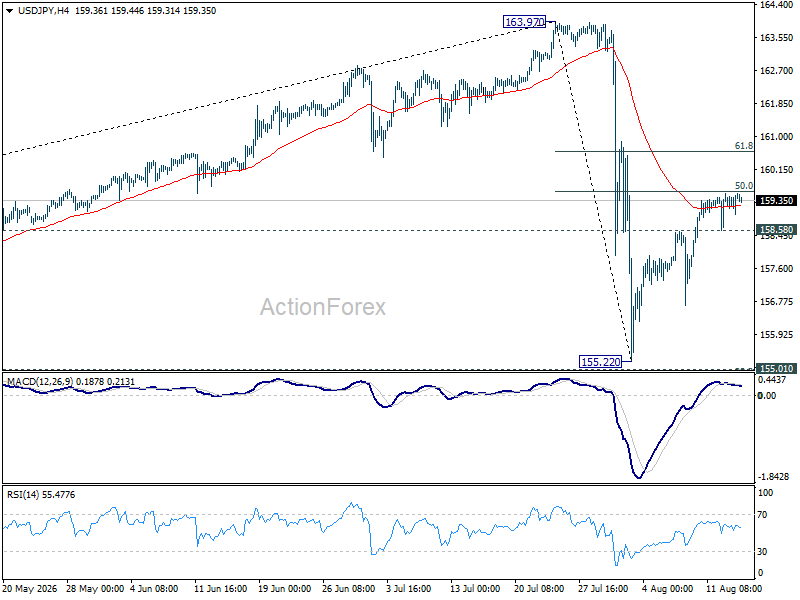



Currency traders are positioning aggressively for Japanese yen volatility, signaling significant FX movement ahead that directly impacts cross-border e-commerce sellers sourcing from Japan or selling to Japanese consumers. This financial markets positioning reflects macroeconomic uncertainty around Bank of Japan policy divergence with global central banks, creating both risks and opportunities for sellers managing JPY exposure.
Financial Impact for Sellers: Sellers sourcing electronics, apparel, beauty, and home goods from Japan face immediate margin compression of 8-15% if the yen weakens against USD/EUR. Conversely, sellers with JPY revenue streams (Amazon.jp, Rakuten sellers) benefit from yen strength. The key financial optimization opportunity lies in payment method selection and FX hedging timing. Sellers currently paying JPY invoices via traditional bank transfers (2-3% fees + unfavorable rates) can reduce costs 40-60% by switching to specialized cross-border payment providers like Wise, OFX, or Remitly, which offer real-time JPY rates and flat fees of 0.5-1.5%. For sellers with monthly JPY payments exceeding $10,000, invoice financing providers like Tradeshift or Fintech platforms can lock in current FX rates while accelerating cash conversion cycles by 15-30 days.
Cash Flow Acceleration Strategy: Sellers should immediately audit their JPY payment flows and implement dynamic hedging. For inventory-heavy sellers (electronics, home goods), forward contracts through HSBC, Citibank, or fintech providers like Kantox lock in rates for 30-90 days at costs of 0.3-0.8%, protecting against adverse moves. Sellers with existing JPY receivables can use supply chain financing to convert invoices to immediate cash at 2-4% discount rates—significantly cheaper than traditional working capital loans at 8-12% APR. The timing is critical: trader positioning suggests volatility peaks within 4-8 weeks, making immediate hedging decisions essential.
Regional Payment Optimization: Japan-based sellers exporting to US/EU markets should prioritize multi-currency accounts (Wise Business, Payoneer, Stripe Connect) to avoid double FX conversion losses. US/EU sellers importing from Japan should negotiate payment terms with suppliers to extend to 60-90 days, allowing time to sell inventory and convert customer payments to JPY at more favorable rates. Amazon sellers in Japan face particular urgency: JPY weakness directly compresses margins on FBA fees (charged in JPY), making inventory velocity optimization critical. Sellers should reduce SKU count by 15-20% and focus on high-velocity items to minimize storage cost exposure during volatile periods.
Japan-based sellers exporting to US/EU markets face double FX conversion losses (JPY→USD→EUR) through traditional banking. Multi-currency accounts (Wise Business, Payoneer, Stripe Connect) eliminate intermediate conversions, reducing FX costs from 3-4% to 0.5-1%. For example, a ¥10M invoice converted to EUR via traditional bank costs ¥300K-400K in FX losses; Wise reduces this to ¥50K-100K. Japan-based sellers should: (1) Open Wise Business accounts to receive USD/EUR directly from international customers; (2) Hold multi-currency balances and convert strategically; (3) Negotiate supplier terms to extend payment to 60-90 days, allowing time to convert customer payments at favorable rates. US/EU sellers importing from Japan should: (1) Negotiate extended payment terms (60-90 days) with suppliers; (2) Use forward contracts to lock rates at invoice date, not payment date; (3) Implement invoice financing to convert JPY invoices to immediate USD/EUR. Combined approach saves 40-60% on FX costs and improves cash conversion cycles by 20-30 days.
Supply chain finance products outperform traditional working capital loans for JPY-exposed sellers. Invoice factoring (Tradeshift, Fintech platforms) converts JPY invoices to immediate USD/EUR at 2-4% discount rates—significantly cheaper than bank loans at 8-12% APR. For example, a $50,000 JPY invoice factored at 3% costs $1,500 but provides immediate cash, enabling faster inventory replenishment. Purchase order financing (Shopify Capital, Fundbox) offers 6-18% APR for inventory purchases, better than traditional loans but more expensive than factoring. Trade finance products (HSBC, Citibank) provide 0.5-2% rates for forward contracts and letters of credit, ideal for locking FX rates. Recommendation: Prioritize invoice factoring for variable JPY invoices (2-4% cost) and forward contracts for predictable payments (0.3-0.8% cost). Combined approach typically costs 1-2% vs. 8-12% for traditional loans, saving $4,000-10,000 annually for mid-sized sellers. Timing: Implement within 2 weeks before volatility peaks.
Yen volatility creates immediate margin compression for sellers importing electronics, apparel, and home goods from Japan. When the yen strengthens against USD/EUR, supplier invoices become more expensive—a 10% yen appreciation increases JPY-denominated costs by 10% without corresponding revenue increases. For example, a seller paying ¥1M monthly invoices faces an additional $1,000-1,500 cost per 5% yen move. The financial impact is immediate: sellers must either absorb margin loss (2-5% compression) or raise prices (risking sales velocity). Immediate action: Lock in FX rates via forward contracts for 60-90 days at 0.3-0.8% cost, or switch payment providers to reduce FX spread from 2-3% to 0.5-1%.
Specialized cross-border payment providers significantly outperform traditional banks for JPY transfers. Wise Business offers real-time mid-market JPY/USD rates with 0.5-1.5% flat fees (vs. banks' 2-3% spreads + hidden markups). OFX and Remitly provide similar rates for monthly volumes under $50,000. For larger volumes ($50K+/month), forward contracts through HSBC or Citibank lock rates at 0.3-0.8% cost, protecting against adverse moves. Supply chain finance platforms like Tradeshift or Fintech providers convert JPY invoices to immediate USD/EUR at 2-4% discount—cheaper than working capital loans at 8-12% APR. Recommendation: Audit current payment flows; switching providers typically saves 40-60% on FX costs ($500-2,000/month for mid-sized sellers).
Three hedging approaches suit different seller profiles: (1) Forward contracts lock JPY rates for 30-90 days at 0.3-0.8% cost—ideal for sellers with predictable monthly JPY payments; (2) Multi-currency accounts (Wise, Payoneer) allow sellers to hold JPY balances and convert opportunistically, reducing forced conversion losses; (3) Invoice financing converts JPY receivables to immediate USD/EUR at 2-4% discount, eliminating FX timing risk. For Amazon.jp sellers, the most effective hedge is inventory velocity optimization—reducing SKU count by 15-20% and focusing on high-turnover items minimizes JPY-denominated FBA fees exposure. Timing is critical: trader positioning suggests volatility peaks within 4-8 weeks, making immediate hedging decisions essential. Cost-benefit: $200-500 hedging cost protects against $2,000-5,000 margin loss.
Supply chain finance unlocks 15-30 day cash conversion improvements while protecting against FX risk. Invoice factoring platforms (Tradeshift, Fintech providers) convert JPY supplier invoices to immediate USD/EUR at 2-4% discount rates—significantly cheaper than traditional working capital loans at 8-12% APR. For sellers with monthly JPY payments exceeding $10,000, this creates immediate working capital relief: a $50,000 monthly payment factored at 3% costs $1,500 but frees $50,000 cash immediately, enabling faster inventory replenishment or debt reduction. Multi-currency accounts (Wise Business, Stripe Connect) reduce settlement delays from 3-5 days to 1-2 days, improving cash velocity. Recommendation: Implement dynamic hedging—use forward contracts for predictable payments and factoring for variable invoices. Combined approach typically improves cash conversion cycles by 20-30 days while reducing FX costs by 40-60%.
Traders' aggressive positioning signals volatility peaks within 4-8 weeks, requiring immediate action: (1) Audit JPY payment flows—identify monthly JPY exposure and current FX costs; (2) Lock rates via forward contracts for 60-90 days at 0.3-0.8% cost if monthly JPY payments exceed $5,000; (3) Switch payment providers from banks to Wise/OFX to reduce FX spreads from 2-3% to 0.5-1%; (4) Implement invoice financing for variable JPY invoices to accelerate cash conversion; (5) For Amazon.jp sellers, reduce SKU count by 15-20% to minimize FBA fee exposure. Deadline: Complete FX hedging decisions within 2 weeks before volatility peaks. Cost-benefit: $300-800 hedging investment protects against $3,000-8,000 margin loss. Sellers delaying action face 8-15% margin compression if yen moves adversely.
Amazon.jp sellers face dual FX exposure: (1) JPY-denominated FBA fees (storage, fulfillment) increase when yen strengthens, compressing margins by 2-5%; (2) JPY revenue converts to USD/EUR at unfavorable rates if sellers don't actively manage currency. A 10% yen appreciation increases FBA costs by 10% without corresponding revenue increases. Immediate impact: sellers with 1,000+ units in FBA storage face $500-2,000 monthly fee increases during yen strength. Mitigation strategy: (1) Reduce SKU count by 15-20% to minimize storage fee exposure; (2) Focus on high-velocity items (BSR <10,000) to reduce storage duration; (3) Use Wise Business or similar multi-currency accounts to hold JPY revenue and convert opportunistically; (4) Implement forward contracts to lock FBA fee rates for 60-90 days. Timing: Implement changes within 2 weeks before volatility peaks. Expected savings: 3-8% margin improvement through inventory optimization + FX management.
Japan-based sellers exporting to US/EU markets face double FX conversion losses (JPY→USD→EUR) through traditional banking. Multi-currency accounts (Wise Business, Payoneer, Stripe Connect) eliminate intermediate conversions, reducing FX costs from 3-4% to 0.5-1%. For example, a ¥10M invoice converted to EUR via traditional bank costs ¥300K-400K in FX losses; Wise reduces this to ¥50K-100K. Japan-based sellers should: (1) Open Wise Business accounts to receive USD/EUR directly from international customers; (2) Hold multi-currency balances and convert strategically; (3) Negotiate supplier terms to extend payment to 60-90 days, allowing time to convert customer payments at favorable rates. US/EU sellers importing from Japan should: (1) Negotiate extended payment terms (60-90 days) with suppliers; (2) Use forward contracts to lock rates at invoice date, not payment date; (3) Implement invoice financing to convert JPY invoices to immediate USD/EUR. Combined approach saves 40-60% on FX costs and improves cash conversion cycles by 20-30 days.
Supply chain finance products outperform traditional working capital loans for JPY-exposed sellers. Invoice factoring (Tradeshift, Fintech platforms) converts JPY invoices to immediate USD/EUR at 2-4% discount rates—significantly cheaper than bank loans at 8-12% APR. For example, a $50,000 JPY invoice factored at 3% costs $1,500 but provides immediate cash, enabling faster inventory replenishment. Purchase order financing (Shopify Capital, Fundbox) offers 6-18% APR for inventory purchases, better than traditional loans but more expensive than factoring. Trade finance products (HSBC, Citibank) provide 0.5-2% rates for forward contracts and letters of credit, ideal for locking FX rates. Recommendation: Prioritize invoice factoring for variable JPY invoices (2-4% cost) and forward contracts for predictable payments (0.3-0.8% cost). Combined approach typically costs 1-2% vs. 8-12% for traditional loans, saving $4,000-10,000 annually for mid-sized sellers. Timing: Implement within 2 weeks before volatility peaks.
Yen volatility creates immediate margin compression for sellers importing electronics, apparel, and home goods from Japan. When the yen strengthens against USD/EUR, supplier invoices become more expensive—a 10% yen appreciation increases JPY-denominated costs by 10% without corresponding revenue increases. For example, a seller paying ¥1M monthly invoices faces an additional $1,000-1,500 cost per 5% yen move. The financial impact is immediate: sellers must either absorb margin loss (2-5% compression) or raise prices (risking sales velocity). Immediate action: Lock in FX rates via forward contracts for 60-90 days at 0.3-0.8% cost, or switch payment providers to reduce FX spread from 2-3% to 0.5-1%.
Specialized cross-border payment providers significantly outperform traditional banks for JPY transfers. Wise Business offers real-time mid-market JPY/USD rates with 0.5-1.5% flat fees (vs. banks' 2-3% spreads + hidden markups). OFX and Remitly provide similar rates for monthly volumes under $50,000. For larger volumes ($50K+/month), forward contracts through HSBC or Citibank lock rates at 0.3-0.8% cost, protecting against adverse moves. Supply chain finance platforms like Tradeshift or Fintech providers convert JPY invoices to immediate USD/EUR at 2-4% discount—cheaper than working capital loans at 8-12% APR. Recommendation: Audit current payment flows; switching providers typically saves 40-60% on FX costs ($500-2,000/month for mid-sized sellers).
Three hedging approaches suit different seller profiles: (1) Forward contracts lock JPY rates for 30-90 days at 0.3-0.8% cost—ideal for sellers with predictable monthly JPY payments; (2) Multi-currency accounts (Wise, Payoneer) allow sellers to hold JPY balances and convert opportunistically, reducing forced conversion losses; (3) Invoice financing converts JPY receivables to immediate USD/EUR at 2-4% discount, eliminating FX timing risk. For Amazon.jp sellers, the most effective hedge is inventory velocity optimization—reducing SKU count by 15-20% and focusing on high-turnover items minimizes JPY-denominated FBA fees exposure. Timing is critical: trader positioning suggests volatility peaks within 4-8 weeks, making immediate hedging decisions essential. Cost-benefit: $200-500 hedging cost protects against $2,000-5,000 margin loss.
Supply chain finance unlocks 15-30 day cash conversion improvements while protecting against FX risk. Invoice factoring platforms (Tradeshift, Fintech providers) convert JPY supplier invoices to immediate USD/EUR at 2-4% discount rates—significantly cheaper than traditional working capital loans at 8-12% APR. For sellers with monthly JPY payments exceeding $10,000, this creates immediate working capital relief: a $50,000 monthly payment factored at 3% costs $1,500 but frees $50,000 cash immediately, enabling faster inventory replenishment or debt reduction. Multi-currency accounts (Wise Business, Stripe Connect) reduce settlement delays from 3-5 days to 1-2 days, improving cash velocity. Recommendation: Implement dynamic hedging—use forward contracts for predictable payments and factoring for variable invoices. Combined approach typically improves cash conversion cycles by 20-30 days while reducing FX costs by 40-60%.
Traders' aggressive positioning signals volatility peaks within 4-8 weeks, requiring immediate action: (1) Audit JPY payment flows—identify monthly JPY exposure and current FX costs; (2) Lock rates via forward contracts for 60-90 days at 0.3-0.8% cost if monthly JPY payments exceed $5,000; (3) Switch payment providers from banks to Wise/OFX to reduce FX spreads from 2-3% to 0.5-1%; (4) Implement invoice financing for variable JPY invoices to accelerate cash conversion; (5) For Amazon.jp sellers, reduce SKU count by 15-20% to minimize FBA fee exposure. Deadline: Complete FX hedging decisions within 2 weeks before volatility peaks. Cost-benefit: $300-800 hedging investment protects against $3,000-8,000 margin loss. Sellers delaying action face 8-15% margin compression if yen moves adversely.
Amazon.jp sellers face dual FX exposure: (1) JPY-denominated FBA fees (storage, fulfillment) increase when yen strengthens, compressing margins by 2-5%; (2) JPY revenue converts to USD/EUR at unfavorable rates if sellers don't actively manage currency. A 10% yen appreciation increases FBA costs by 10% without corresponding revenue increases. Immediate impact: sellers with 1,000+ units in FBA storage face $500-2,000 monthly fee increases during yen strength. Mitigation strategy: (1) Reduce SKU count by 15-20% to minimize storage fee exposure; (2) Focus on high-velocity items (BSR <10,000) to reduce storage duration; (3) Use Wise Business or similar multi-currency accounts to hold JPY revenue and convert opportunistically; (4) Implement forward contracts to lock FBA fee rates for 60-90 days. Timing: Implement changes within 2 weeks before volatility peaks. Expected savings: 3-8% margin improvement through inventory optimization + FX management.
Japan-based sellers exporting to US/EU markets face double FX conversion losses (JPY→USD→EUR) through traditional banking. Multi-currency accounts (Wise Business, Payoneer, Stripe Connect) eliminate intermediate conversions, reducing FX costs from 3-4% to 0.5-1%. For example, a ¥10M invoice converted to EUR via traditional bank costs ¥300K-400K in FX losses; Wise reduces this to ¥50K-100K. Japan-based sellers should: (1) Open Wise Business accounts to receive USD/EUR directly from international customers; (2) Hold multi-currency balances and convert strategically; (3) Negotiate supplier terms to extend payment to 60-90 days, allowing time to convert customer payments at favorable rates. US/EU sellers importing from Japan should: (1) Negotiate extended payment terms (60-90 days) with suppliers; (2) Use forward contracts to lock rates at invoice date, not payment date; (3) Implement invoice financing to convert JPY invoices to immediate USD/EUR. Combined approach saves 40-60% on FX costs and improves cash conversion cycles by 20-30 days.
Supply chain finance products outperform traditional working capital loans for JPY-exposed sellers. Invoice factoring (Tradeshift, Fintech platforms) converts JPY invoices to immediate USD/EUR at 2-4% discount rates—significantly cheaper than bank loans at 8-12% APR. For example, a $50,000 JPY invoice factored at 3% costs $1,500 but provides immediate cash, enabling faster inventory replenishment. Purchase order financing (Shopify Capital, Fundbox) offers 6-18% APR for inventory purchases, better than traditional loans but more expensive than factoring. Trade finance products (HSBC, Citibank) provide 0.5-2% rates for forward contracts and letters of credit, ideal for locking FX rates. Recommendation: Prioritize invoice factoring for variable JPY invoices (2-4% cost) and forward contracts for predictable payments (0.3-0.8% cost). Combined approach typically costs 1-2% vs. 8-12% for traditional loans, saving $4,000-10,000 annually for mid-sized sellers. Timing: Implement within 2 weeks before volatility peaks.