
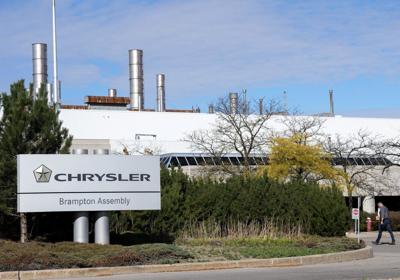



Stellantis Brampton Plant Closure | Tariff-Driven Supply Chain Disruption Reshapes North American Auto Manufacturing
- 2,200 job losses and production halt signal broader tariff impact on cross-border logistics, automotive parts sourcing, and 3PL networks serving North American e-commerce sellers





















Overview
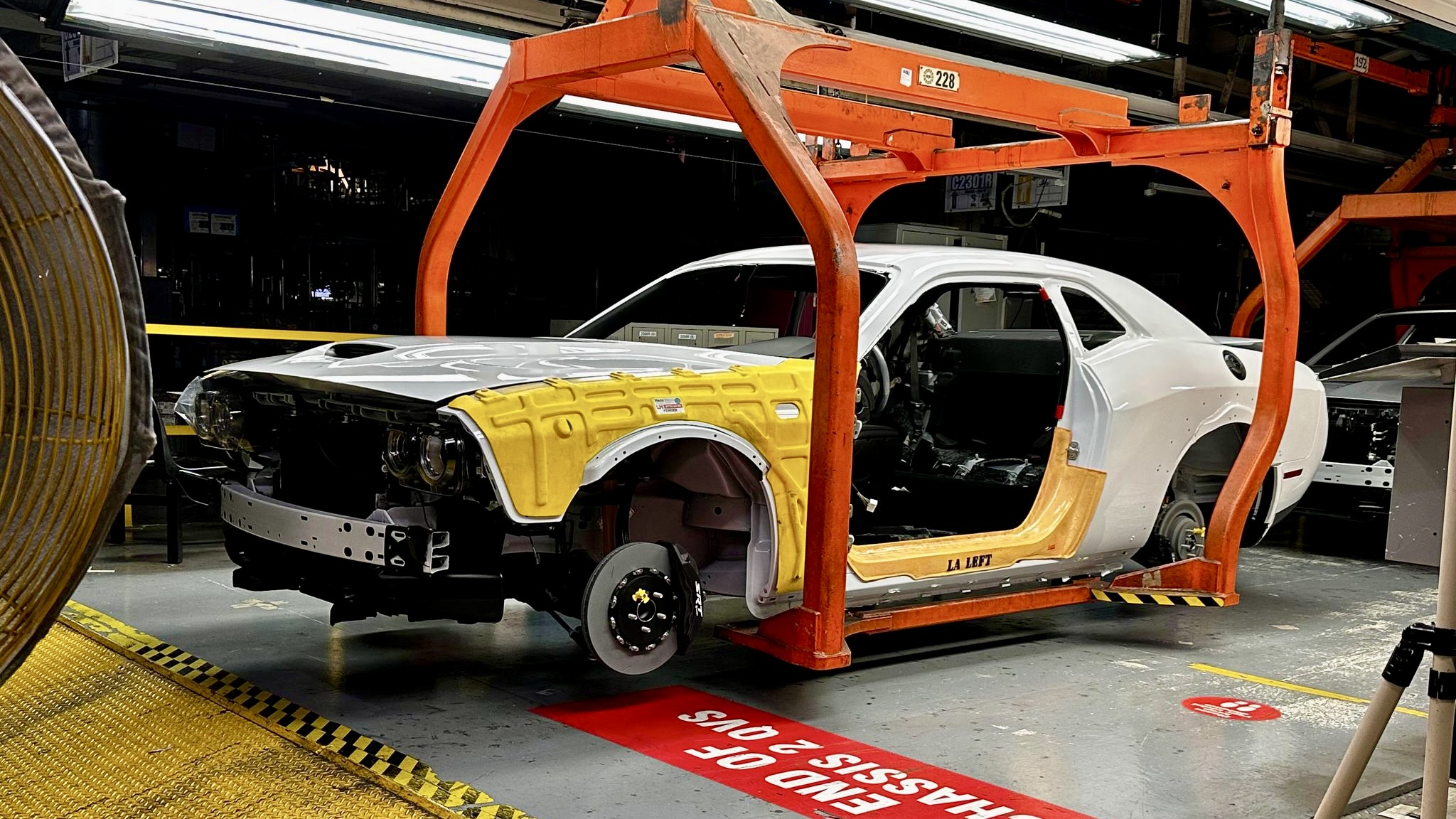
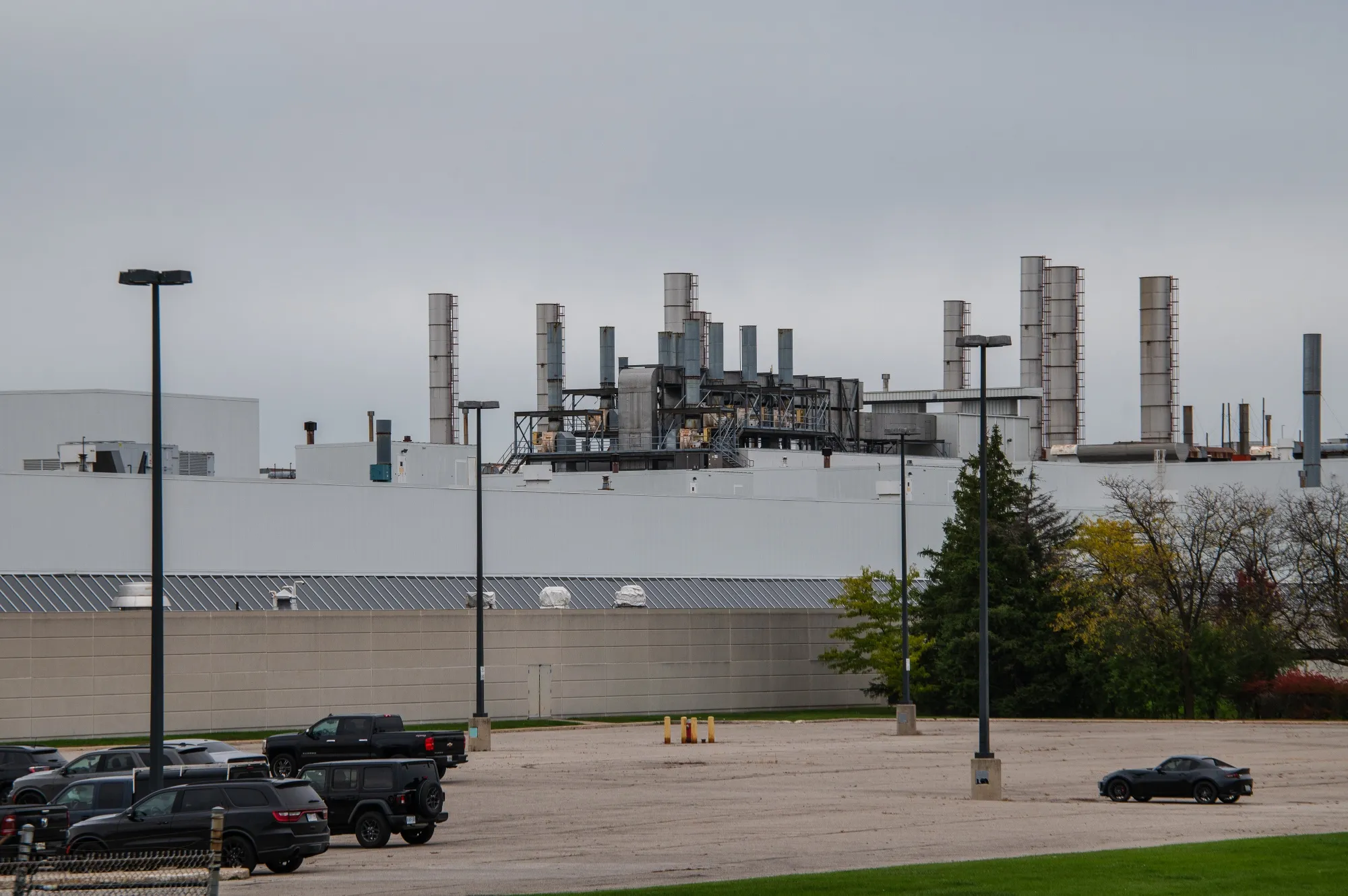
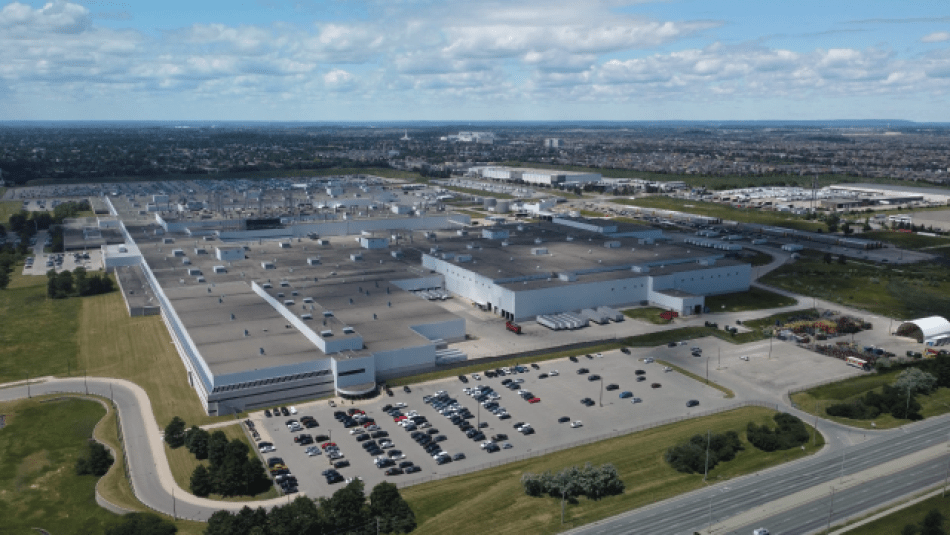
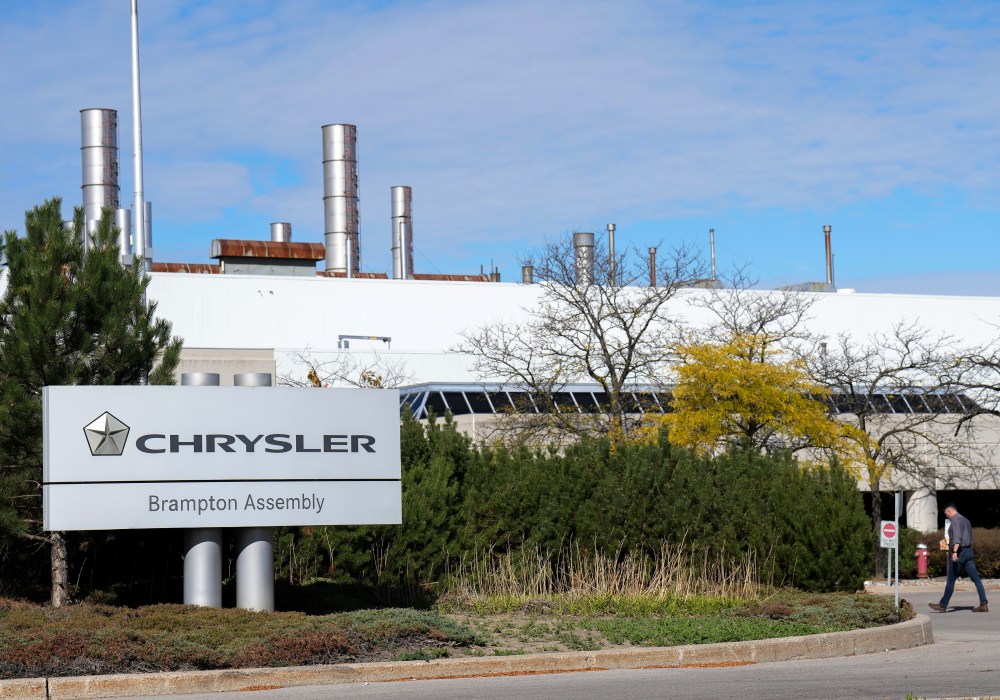
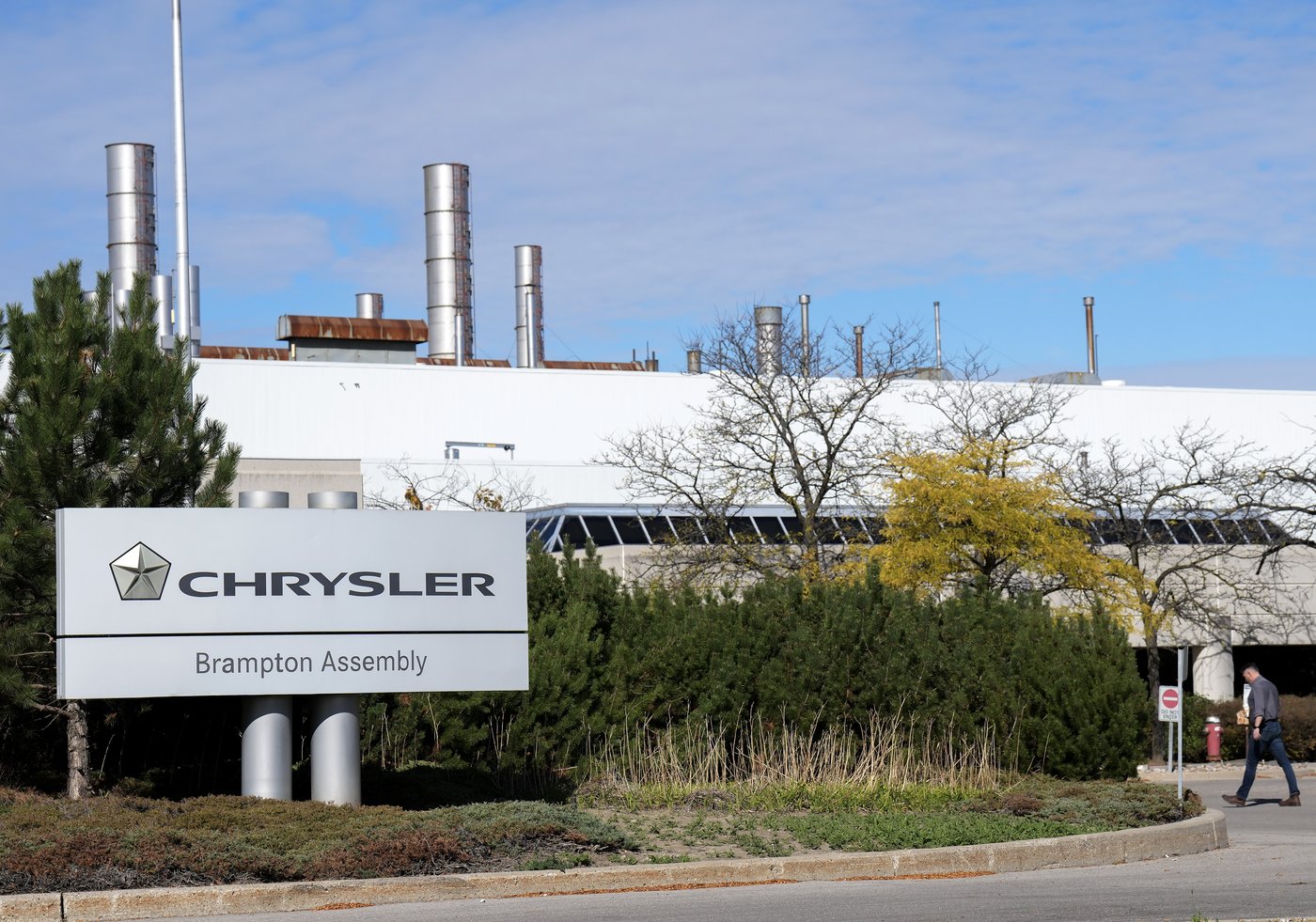
Stellantis' potential closure of its Brampton, Ontario assembly plant represents a critical inflection point in North American automotive manufacturing, directly triggered by U.S. tariffs on Canadian goods imposed by President Trump. The plant, which employed 2,200 workers before halting operations in 2024, has now paused retooling efforts in 2025, with Stellantis relocating future Jeep Compass production to Illinois. This consolidation reflects a broader tariff-driven reshaping of manufacturing geography that extends far beyond automotive OEMs to impact cross-border e-commerce logistics networks.
For e-commerce sellers, the immediate supply chain implications are substantial. The closure signals accelerating production shifts from Canada to the U.S., which will compress tariff-exposed supply chains and increase logistics costs through North American distribution networks. Sellers relying on Canadian 3PL providers, cross-border fulfillment centers, or automotive parts sourcing will face 8-15% cost increases as manufacturers consolidate operations and reduce Canadian manufacturing footprint. The Unifor contract expiration in September 2025 creates additional uncertainty—labor cost negotiations may trigger further facility rationalization across the automotive supply chain, affecting parts suppliers that feed e-commerce logistics operations.
The tariff arbitrage opportunity is shifting decisively toward U.S.-based manufacturing and sourcing. With Stellantis moving Jeep Compass production to Illinois and signaling broader Canadian divestment, sellers should anticipate: (1) reduced Canadian sourcing competitiveness for automotive-adjacent categories (vehicle accessories, parts, tools), (2) increased logistics costs for sellers using Canadian distribution hubs (expect 5-8% rate increases by Q2 2025), and (3) accelerated consolidation of 3PL networks toward U.S. regional hubs. The trade deadline negotiations between U.S. and Canada will determine tariff rates through 2025—sellers must monitor outcomes to adjust sourcing strategies. Zhejiang Leapmotor Technology's proposed EV partnership with Stellantis (now uncertain due to plant closure) signals that Chinese manufacturing partnerships are being deprioritized in favor of U.S. production, reducing tariff exposure but limiting cost arbitrage opportunities for sellers sourcing from Asia.
Strategic positioning requires immediate action on three fronts. First, sellers with Canadian fulfillment dependencies should begin diversifying to U.S. regional 3PL providers before Q2 2025 rate increases take effect. Second, automotive parts and accessories sellers should evaluate U.S. sourcing alternatives to offset tariff increases on Canadian imports. Third, monitor the September 2025 Unifor contract negotiations—if labor costs spike, expect further manufacturing consolidation and potential tariff rate increases on automotive categories (HS codes 8704-8708). The window for tariff arbitrage through Canadian sourcing is closing; sellers must shift to U.S.-based supply chains within 90 days to maintain margin competitiveness.
Questions 8
How does Stellantis closing Brampton plant affect e-commerce sellers' logistics costs?
The Brampton closure directly impacts sellers using Canadian 3PL providers and cross-border fulfillment networks. With Stellantis relocating Jeep Compass production to Illinois and pausing Canadian retooling, logistics providers will consolidate Canadian operations, reducing capacity and increasing rates by 5-8% through 2025. Sellers shipping automotive parts, accessories, or tools through Canadian distribution hubs should expect cost increases of $200-400 monthly for standard fulfillment volumes (1,000-5,000 units). The closure signals broader Canadian manufacturing decline, making U.S.-based 3PL providers more competitive. Sellers should audit their fulfillment network by March 2025 and begin transitioning to U.S. regional hubs before Q2 rate increases take effect.
What tariff opportunities exist as Stellantis shifts production from Canada to Illinois?
The production shift creates tariff arbitrage advantages for sellers sourcing from U.S. manufacturers instead of Canadian suppliers. Automotive parts and accessories (HS codes 8704-8708) currently face tariffs on Canadian imports; shifting sourcing to U.S. suppliers eliminates these tariffs entirely. Sellers can expect 3-7% cost savings on automotive parts by sourcing from Illinois-based suppliers instead of Canadian alternatives. However, this window is closing—as Stellantis consolidates U.S. production, supplier capacity will tighten and prices may increase by Q3 2025. Sellers should lock in U.S. supplier contracts by April 2025 before capacity constraints emerge. The Zhejiang Leapmotor EV partnership uncertainty also signals reduced Chinese manufacturing partnerships, making U.S. sourcing the dominant strategy through 2026.