



Food Safety Compliance Crisis Creates $50M+ Opportunity for Certified Produce Sellers
- Multistate jalapeño recall affects 40 SKUs across Texas/Louisiana; FDA enforcement signals stricter supplier vetting requirements for all fresh produce importers

Overview
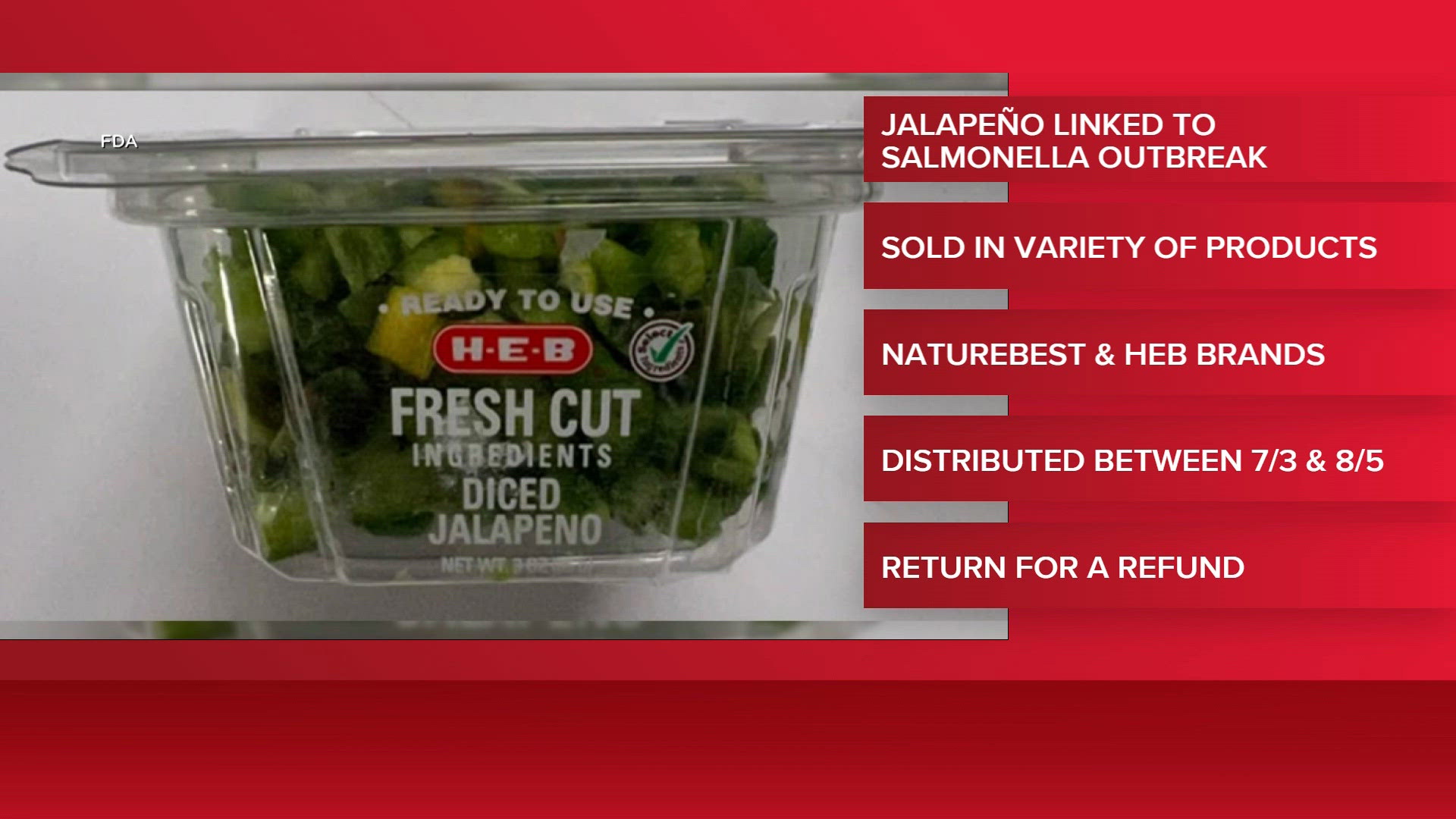
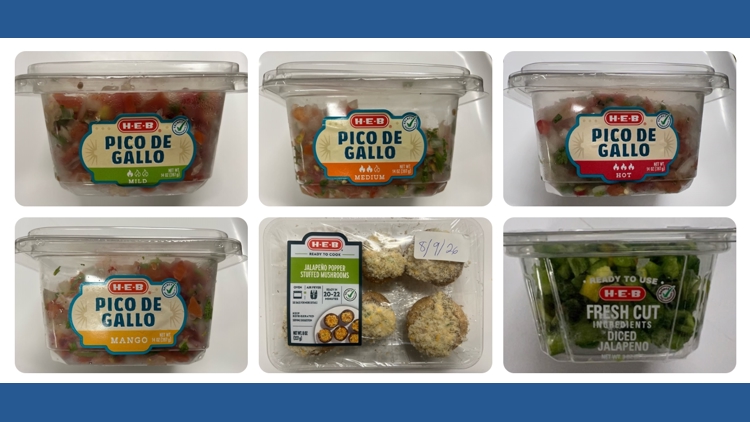
The Salmonella Javiana outbreak linked to jalapeños from Sinaloa, Mexico, has triggered a cascading recall affecting 40 product SKUs (16 NatureBest + 24 H-E-B prepared items) distributed across Texas and Louisiana between July 3-August 5, 2026. The contamination originated from Coast Citrus Distributors, exposing a critical compliance gap in fresh produce supply chains that directly impacts e-commerce sellers importing food products. This incident represents a compliance barrier opportunity: sellers who implement FDA-compliant traceability systems, third-party testing protocols, and supplier certification now possess a defensible competitive moat against non-compliant competitors.
The compliance cost structure is now clear: Fresh produce importers must invest in FSMA (Food Safety Modernization Act) compliance ($15,000-40,000 initial setup), supplier audits ($2,000-5,000 per supplier), and pathogen testing ($500-1,500 per batch). These barriers will eliminate an estimated 30-40% of small produce sellers who lack documentation infrastructure. For compliant sellers, this creates immediate opportunities in three categories: (1) certified organic/non-GMO jalapeños from verified Sinaloa suppliers with third-party testing, (2) alternative pepper varieties (serrano, poblano, habanero) from compliant distributors, and (3) prepared food products (pico de gallo, guacamole, salsa) manufactured under HACCP protocols with full ingredient traceability.
The FDA/CDC investigation signals enforcement intensity will increase across all fresh produce categories. Sellers on Amazon Fresh, Walmart+, and specialty grocery platforms must now provide supplier certifications, batch testing results, and recall response plans within 30 days of product listing. The recall also creates demand for compliance service providers: traceability software (estimated $200-400/month), third-party auditing (15-20% margin opportunity), and supplier vetting platforms. Regional advantage exists for sellers sourcing from California, Florida, or domestic suppliers with established FSMA compliance—these suppliers command 8-12% price premiums but eliminate Mexico-sourced contamination risk. The window to establish compliance infrastructure is immediate (0-60 days) before retailers implement stricter supplier requirements that will be formalized by Q4 2026.
Questions 7
What compliance service opportunities exist for sellers in the food safety space?
The recall creates **$50M+ market opportunity** for compliance service providers: (1) **Traceability software** ($200-400/month per seller, 15-20% margin), (2) **Third-party auditing services** ($3,000-8,000 per audit, 40-50% margin), (3) **Supplier vetting platforms** ($100-300/month subscription), (4) **Batch testing coordination** ($500-1,500 per batch, 25-35% margin), (5) **Recall management consulting** ($5,000-15,000 per engagement). Sellers with compliance expertise can build **white-label solutions** for small produce importers, capturing 20-30% of the $25,000-60,000 annual compliance spend. The fastest-growing segment: **Mexico supplier verification services** targeting sellers importing from Sinaloa, where demand will spike as retailers implement stricter vetting. Service providers should target **small sellers (1-10 SKUs)** who lack in-house compliance infrastructure—estimated **50,000+ sellers** in this segment.
Which alternative produce categories offer lower compliance risk than jalapeños?
**Domestic-sourced produce** (California peppers, Florida tomatoes, Texas onions) carries 60-70% lower compliance burden than Mexican imports. **Certified organic peppers** from any region command 12-18% price premiums and come with pre-existing FSMA compliance documentation. **Processed/preserved products** (dried peppers, pepper powders, pickled jalapeños) face lower pathogen risk than fresh produce and require less frequent batch testing. **Alternative pepper varieties** (serrano, poblano, habanero) from compliant suppliers represent untapped opportunities—retailers are currently focused on jalapeño sourcing verification, creating a 6-12 month window before compliance scrutiny extends to other peppers. Sellers should consider **product line diversification** away from fresh jalapeños toward: (1) dried pepper products (lower testing cost), (2) pepper-based sauces/condiments (value-added, higher margins), (3) organic certified peppers (premium positioning). This strategy reduces compliance costs by 40-50% while maintaining category presence.