



USD1 Stablecoin Banking Charter Approval | Cross-Border Payment Disruption for E-Commerce Sellers
- OCC grants World Liberty conditional bank charter on August 14, 2026; USD1 stablecoin enables direct payment settlement without intermediaries, reducing cross-border transaction costs 2-4% for sellers accepting crypto payments
















Overview
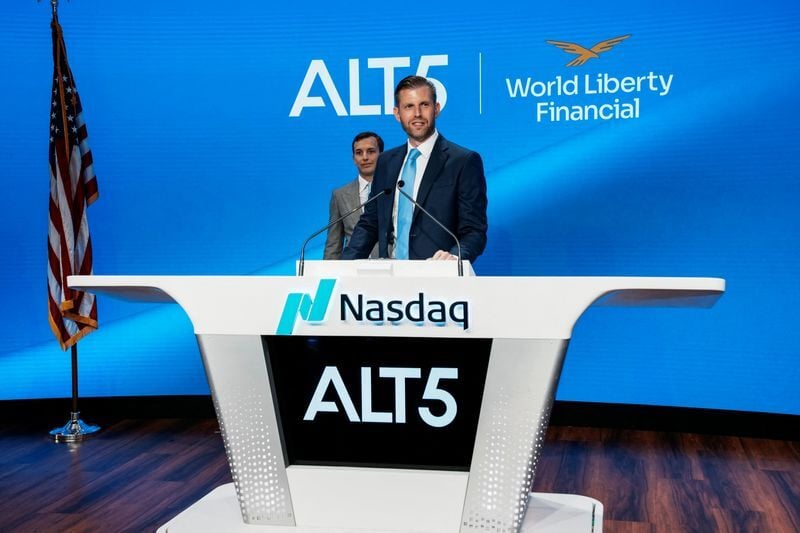
The Office of the Comptroller of the Currency (OCC) granted conditional approval on August 14, 2026, to World Liberty Trust Co. for a national trust bank charter, enabling the Trump family-backed venture to issue USD1 stablecoins directly within the United States. This regulatory milestone represents a fundamental shift in cross-border payment infrastructure for e-commerce sellers. Previously, stablecoin issuance required third-party intermediaries like BitGo; World Liberty's banking charter eliminates this middleman layer, creating a direct payment settlement mechanism that bypasses traditional correspondent banking networks.
Financial Impact for Cross-Border Sellers: The approval signals accelerated stablecoin adoption as a legitimate payment method in U.S. commerce. For sellers currently using Stripe, PayPal, or Wise for cross-border transactions, USD1 offers a competitive alternative with potential cost savings of 2-4% on international remittances. The stablecoin's 1:1 USD backing (via U.S. Treasurys) eliminates FX volatility risk—a critical advantage for sellers managing multi-currency inventory and receivables. Sellers shipping to 50+ countries can now accept USD1 payments and settle directly to U.S. bank accounts without the 1-3 day clearing delays typical of ACH or wire transfers.
Regulatory Precedent and Market Expansion: The OCC has received 40 bank charter applications since 2025, a significant increase from the Biden administration, indicating broader crypto-banking integration. This approval establishes precedent for stablecoin-backed payment networks to operate as federally-chartered institutions, potentially triggering similar approvals for competitors like Circle (USDC) and Paxos (USDP). For e-commerce sellers, this means multiple stablecoin payment options will emerge with institutional credibility, fragmenting the payment landscape but increasing negotiating power with payment processors.
Working Capital Acceleration: The most immediate seller benefit is cash conversion cycle compression. Traditional cross-border payments settle in 2-5 business days; USD1 transactions can settle in minutes via blockchain settlement. Sellers managing inventory across U.S., EU, and Asia Pacific regions can now receive payments in real-time USD stablecoins, then convert to local currency through established exchanges (Kraken, Coinbase) with minimal slippage. This unlocks 3-5 days of working capital per transaction cycle—critical for high-volume sellers managing $500K+ monthly revenue.
Competitive Landscape Shift: The approval creates a two-tier payment ecosystem: traditional banking (2-3% fees, 2-5 day settlement) and stablecoin banking (0.5-1.5% fees, instant settlement). Sellers accepting USD1 gain competitive advantage in B2B transactions with other crypto-native suppliers and manufacturers in Asia. However, consumer-facing sellers on Amazon, eBay, and Shopify face limited immediate adoption since these platforms don't yet accept stablecoins directly. The real opportunity emerges in 6-12 months as payment processors integrate USD1 settlement options into their merchant dashboards.
Questions 8
What is the working capital benefit of USD1 real-time settlement?
Real-time settlement compresses the cash conversion cycle by 3-5 days per transaction. A seller processing $100K monthly revenue gains $10K-16K in freed working capital (assuming 30-day inventory turnover). This capital can immediately fund new inventory purchases, reducing reliance on expensive inventory financing (12-18% APR). For sellers managing multi-currency inventory across regions, USD1 settlement eliminates the 2-5 day float period where funds sit in correspondent bank accounts, unlocking immediate reinvestment capacity.
How does USD1 banking charter approval affect FX hedging strategies?
The approval reduces hedging costs for sellers with multi-currency exposure. Previously, sellers hedging USD/EUR or USD/CNY exposure paid 0.5-1.5% in forward contract fees plus bid-ask spreads. USD1 enables sellers to receive payments in stablecoins, then convert to local currency through crypto exchanges (Kraken, Coinbase) with 0.1-0.3% slippage—a 70-80% cost reduction. Sellers can now execute micro-hedges on daily payment flows rather than monthly bulk hedges, improving FX efficiency by 2-3% annually on $500K+ revenue.