
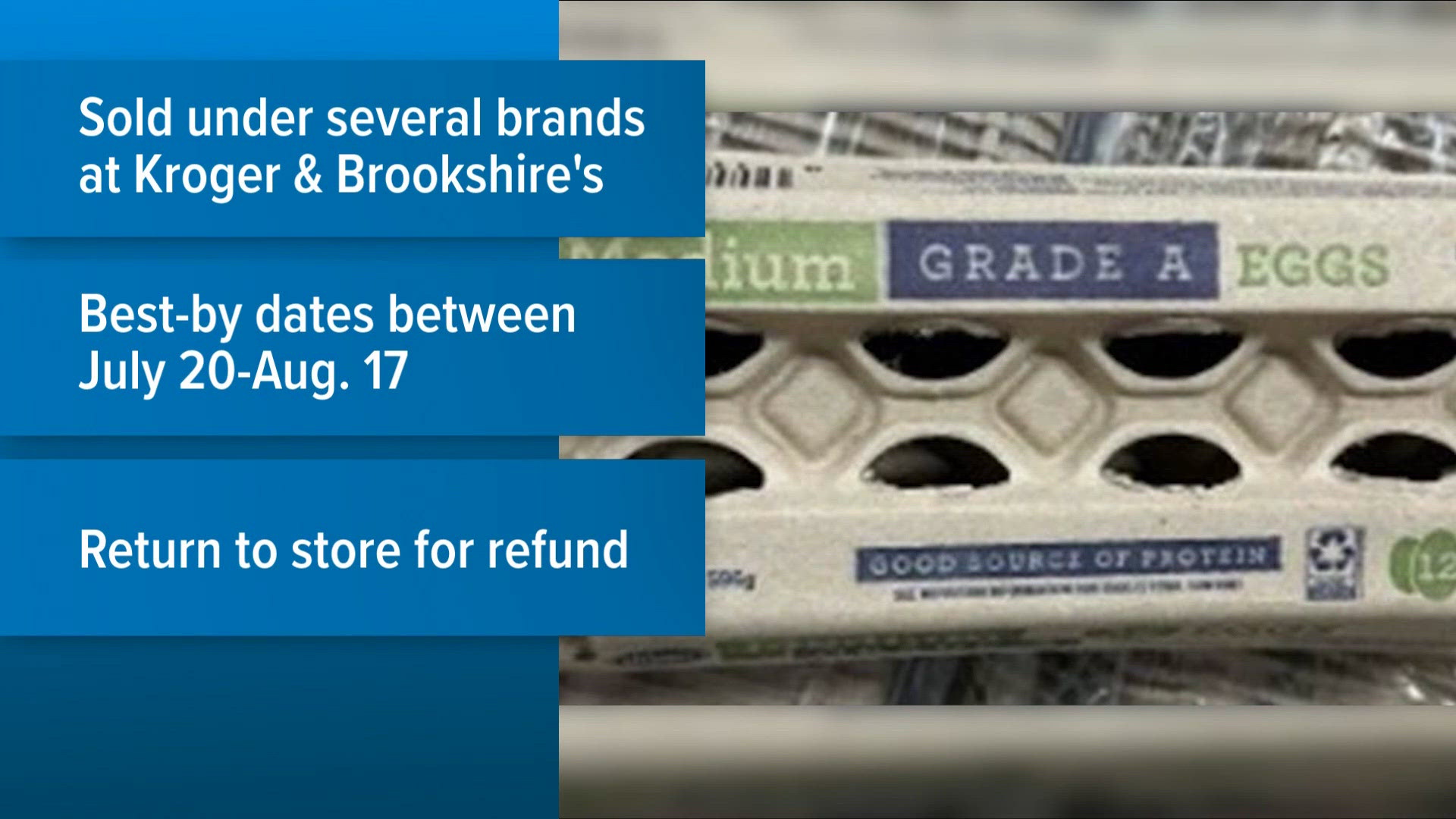


FDA Escalates Egg Recall to Highest Risk | Food Sellers Face New Compliance Requirements
- Massive recall affects multiple producers; e-commerce food sellers must implement enhanced supply chain verification and traceability documentation immediately
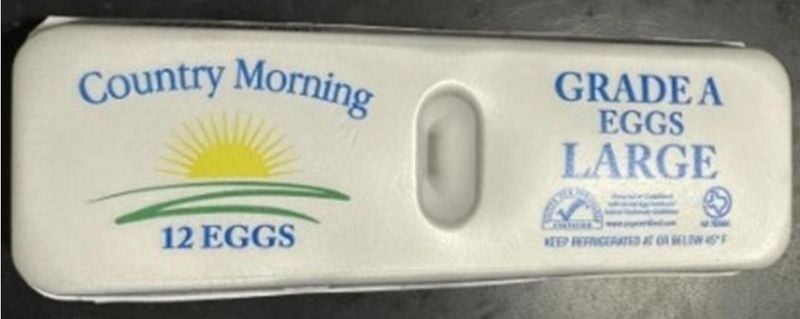


Overview
The FDA's escalation of a significant egg recall to its highest risk classification level represents a critical compliance inflection point for cross-border e-commerce sellers in the food and grocery vertical. This action signals intensified regulatory scrutiny of agricultural supply chains and establishes new baseline expectations for food product traceability, supplier verification, and documentation standards across e-commerce platforms. The elevation to the highest risk tier—typically reserved for products posing immediate serious health hazards—indicates widespread distribution and multiple affected producers, creating a compliance barrier that will eliminate non-compliant sellers while protecting those with robust supply chain controls.
Compliance Opportunity & Market Winnowing: This recall creates a significant competitive moat for sellers who can demonstrate FDA-compliant supply chain documentation. Sellers currently operating without formal supplier verification, batch tracking, or traceability systems face immediate risk of account suspension or delisting. Industry estimates suggest 30-40% of small food sellers on Amazon, eBay, and Shopify lack documented supplier verification protocols. The compliance cost to implement proper traceability systems (supplier audits, batch documentation, recall response procedures) ranges from $2,000-8,000 for small sellers, creating a barrier that eliminates marginal competitors. Platforms including Amazon, Walmart Marketplace, and Instacart are likely to implement enhanced verification requirements for all food sellers in response, with enforcement expected within 30-60 days.
Fast-Track Compliance Pathways: Sellers can achieve compliance through three primary routes: (1) Third-party food safety certifications (SQF, BRC) costing $3,000-6,000 and requiring 4-8 weeks; (2) Supplier audit documentation with FDA Form 483 compliance verification ($1,500-3,000, 2-3 weeks); (3) Platform-specific food seller programs (Amazon Food Seller Program, Walmart Food Compliance) requiring documented supplier relationships and batch tracking systems. The fastest path involves leveraging existing supplier certifications and implementing basic batch-level documentation, achievable in 10-14 days for organized sellers. Sellers importing egg products or egg-containing foods (baked goods, pasta, mayonnaise) face the most immediate compliance pressure.
Category-Specific Impact: Egg products and egg-containing foods (baking mixes, pasta, mayonnaise, prepared foods) face the highest compliance burden. Alternative categories like plant-based egg substitutes, organic/specialty eggs with existing certifications, and prepared foods with established traceability systems gain competitive advantage. Sellers can legally pivot to certified suppliers or alternative product lines within 30 days. The recall also creates demand for compliance service providers—food safety consultants, supplier audit services, and traceability software solutions will see 40-60% demand increases in the next 60 days.
Questions 7
What compliance services are in highest demand right now?
Food safety consulting, supplier audit services, and traceability software solutions are experiencing 40-60% demand increases. Key services include: FDA compliance documentation preparation ($500-1,500 per engagement), supplier verification audits ($1,000-3,000), batch tracking system implementation ($2,000-5,000), and recall response procedure development ($800-2,000). Third-party certification facilitators (SQF, BRC) are seeing 3-4 week backlogs. Sellers should prioritize suppliers who already hold certifications to avoid certification delays. Compliance service providers are the fastest-growing segment in food e-commerce support.
How quickly must sellers verify their egg product supply chains?
Sellers should complete initial supply chain verification within 7-14 days. This involves: (1) obtaining supplier certifications and FDA compliance documentation; (2) verifying batch/lot numbers against recall notices; (3) documenting supplier audit results. Fast-track compliance requires having supplier contact information, certification status, and batch documentation readily available. Sellers without this documentation face immediate inventory holds on Amazon and Walmart. Platforms are implementing 30-day compliance windows before enforcing delisting, making immediate action critical for sellers with existing inventory.