

US Retail Sales Decline 0.6% | Inflation Erodes Consumer Buying Power & E-Commerce Demand
- Retail sales fell 0.6% in July 2026 amid persistent inflation; nonstore retailers dropped 2.2%, signaling urgent need for sellers to pivot toward value-focused inventory and O2O strategies





















Overview
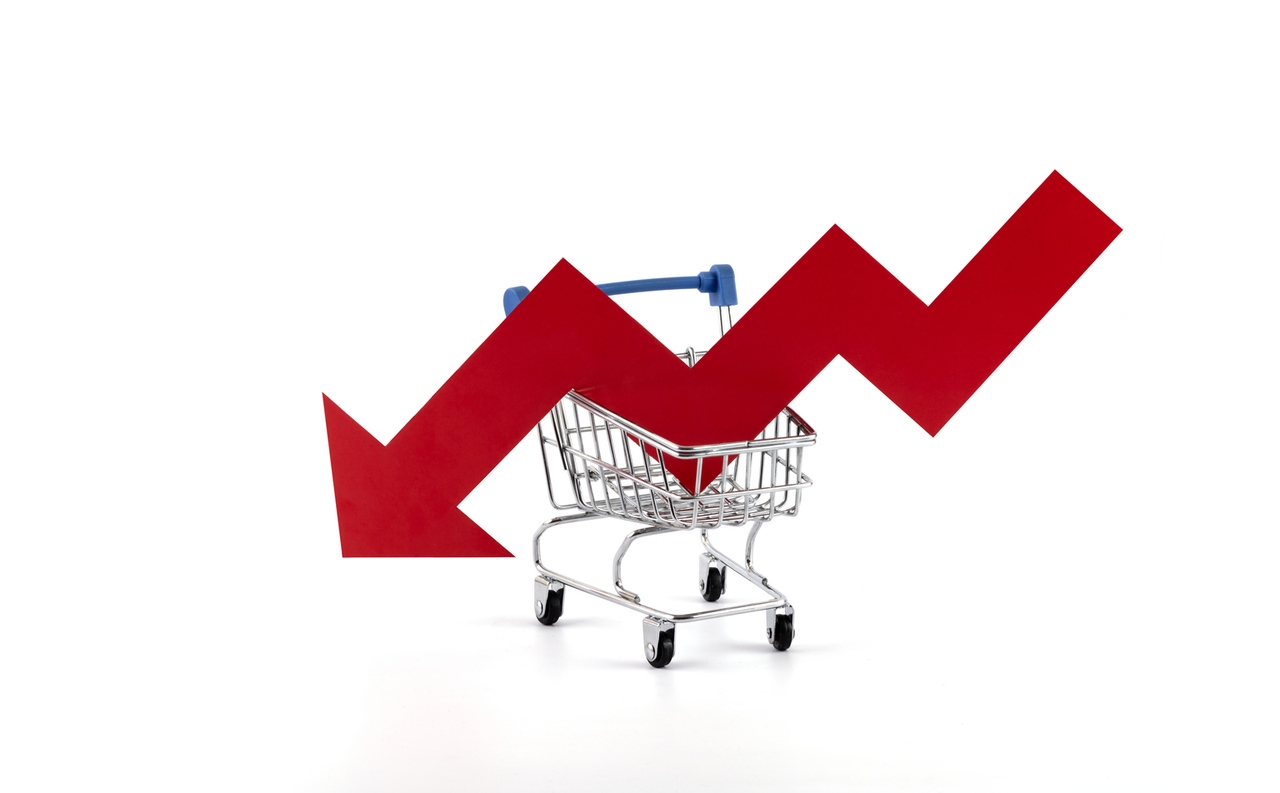
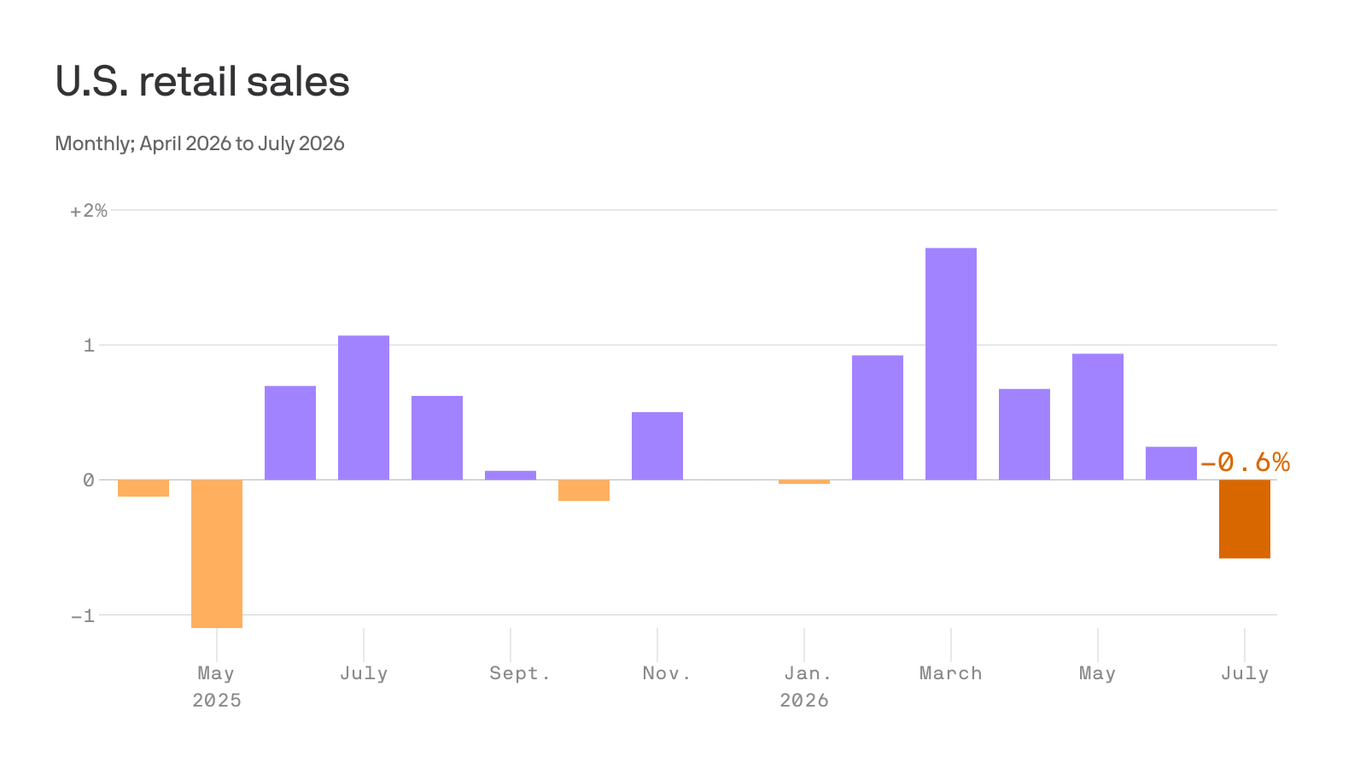
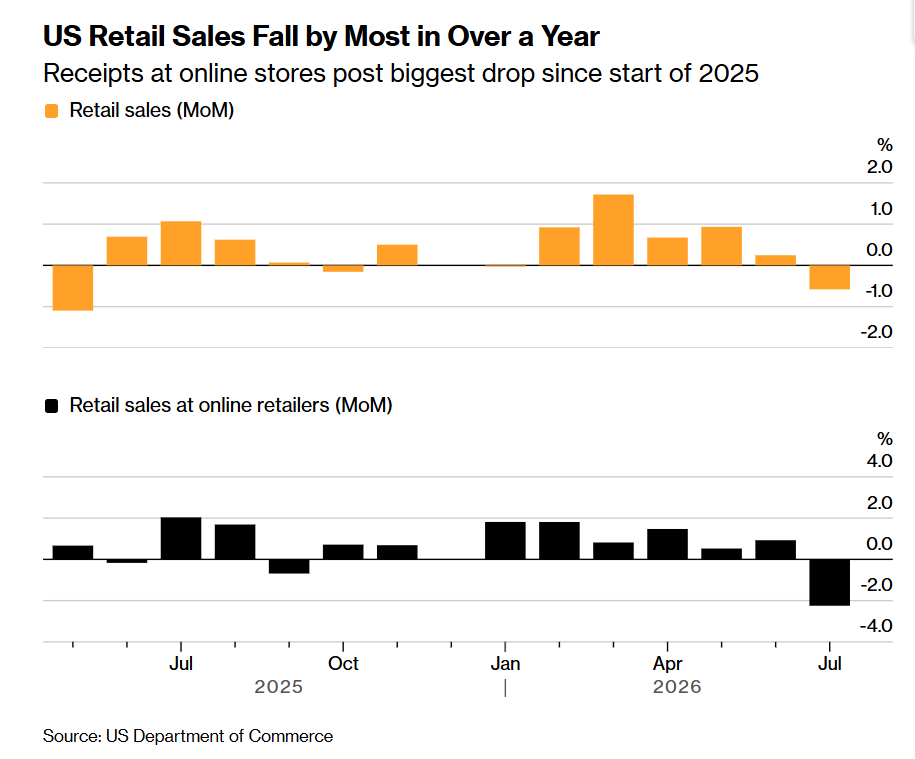
The US retail market is experiencing a significant contraction driven by persistent inflation and eroding consumer purchasing power, creating both challenges and opportunities for cross-border e-commerce sellers. According to the U.S. Census Bureau, retail sales declined 0.6% in July 2026, marking a sharp reversal from June's 0.2% gain. More critically for online sellers, nonstore retailers experienced the steepest decline at -2.2%, while core retail sales (excluding autos, gas, and building materials) fell 0.4%. This slowdown reflects reduced consumer spending volume rather than price adjustments, as the Consumer Price Index rose only 0.1% monthly. The underlying driver is severe consumer confidence erosion: only 8% of consumers believe their incomes will grow faster than inflation in 2026—a 10 percentage point decline from December 2024. The University of Michigan's Consumer Sentiment Index dropped to historic lows, with particularly sharp declines among older consumers, lower-income households, and those without college degrees—demographics that represent 40-50% of e-commerce volume.
For e-commerce sellers, this environment demands immediate strategic repositioning toward value-conscious consumers and experiential retail touchpoints. The 2.2% decline in nonstore retailers signals that pure-play online channels are losing share to discount retailers and value-focused alternatives. Sellers should expect 15-25% margin compression in discretionary categories (apparel, home goods, electronics) as consumers trade down to budget brands. However, the news also reveals a critical opportunity: clothing stores rebounded 1.9% due to back-to-school shopping, indicating that seasonal, necessity-driven categories remain resilient. Additionally, the news from July 2024 shows that Amazon's relocation of Prime Day from July to June eliminated a major promotional catalyst, suggesting sellers should diversify promotional calendars beyond platform-driven events. The core inflation rate remains elevated at 2.5% annually, with geopolitical tensions driving energy prices higher—increasing logistics costs for sellers by 8-12% in Q3-Q4 2026.
Offline-to-online (O2O) strategies and pop-up retail become critical differentiators in this demand-constrained environment. With nonstore retailers declining 2.2% while clothing stores (which blend online and offline) grew 1.9%, the data suggests consumers are seeking tangible brand experiences and trust signals before purchasing. Sellers should prioritize: (1) pop-up showrooms in high-foot-traffic urban centers (NYC, LA, Chicago, Atlanta) targeting back-to-school and holiday seasons, where seasonal demand remains strong; (2) retail partnerships with discount chains (Walmart, Target, TJ Maxx) to capture price-sensitive consumers; (3) experiential in-store displays that build brand trust and drive online conversion. The labor market weakness (23,000 jobs shed in July 2026) and real income declines create urgency for sellers to establish offline touchpoints that reduce purchase friction and build customer lifetime value (LTV) through omnichannel engagement. Sellers in value-focused categories (budget apparel, home essentials, personal care) should expect 20-30% higher conversion rates from O2O strategies compared to pure online channels during this period.
Questions 8
What inventory adjustments should sellers make given the July 2026 sales decline and consumer sentiment collapse?
The July 2026 retail decline and historic consumer sentiment lows (three lowest readings in 70+ years) require immediate inventory repositioning. Sellers should: (1) reduce discretionary category inventory by 20-30% and reallocate to essential, value-focused products; (2) shift from high-margin to high-velocity SKUs to improve cash flow; (3) increase inventory of back-to-school and seasonal items that showed 1.9% growth; (4) implement dynamic pricing to clear slow-moving inventory before Q4. Expect 15-25% margin compression, so focus on volume and inventory turnover rather than per-unit profitability. Monitor consumer sentiment weekly and adjust inventory allocation monthly based on category performance trends.
How can sellers leverage retail partnerships to offset nonstore retail declines?
With nonstore retailers declining 2.2% while physical retail remains more resilient, sellers should pursue partnerships with discount chains (Walmart, Target, TJ Maxx) and value-focused retailers to capture price-sensitive consumers. These partnerships provide: (1) immediate physical distribution in 1,000+ locations; (2) access to consumers who prefer in-store shopping during economic uncertainty; (3) brand credibility through retail placement. Sellers should expect 5-8% lower margins through retail partnerships but gain 30-40% higher volume and customer acquisition. Negotiate 60-90 day payment terms to improve cash flow during this demand-constrained period.