


Google Play Points Loyalty Strategy Reshapes Premium Device Sales | Seller Opportunity in Ecosystem Lock-In
- Google's tiered discount structure ($150-$175 off Pixel 11 series) drives direct-to-consumer sales through loyalty program, bypassing traditional retail channels and creating new competitive dynamics for electronics sellers










Overview
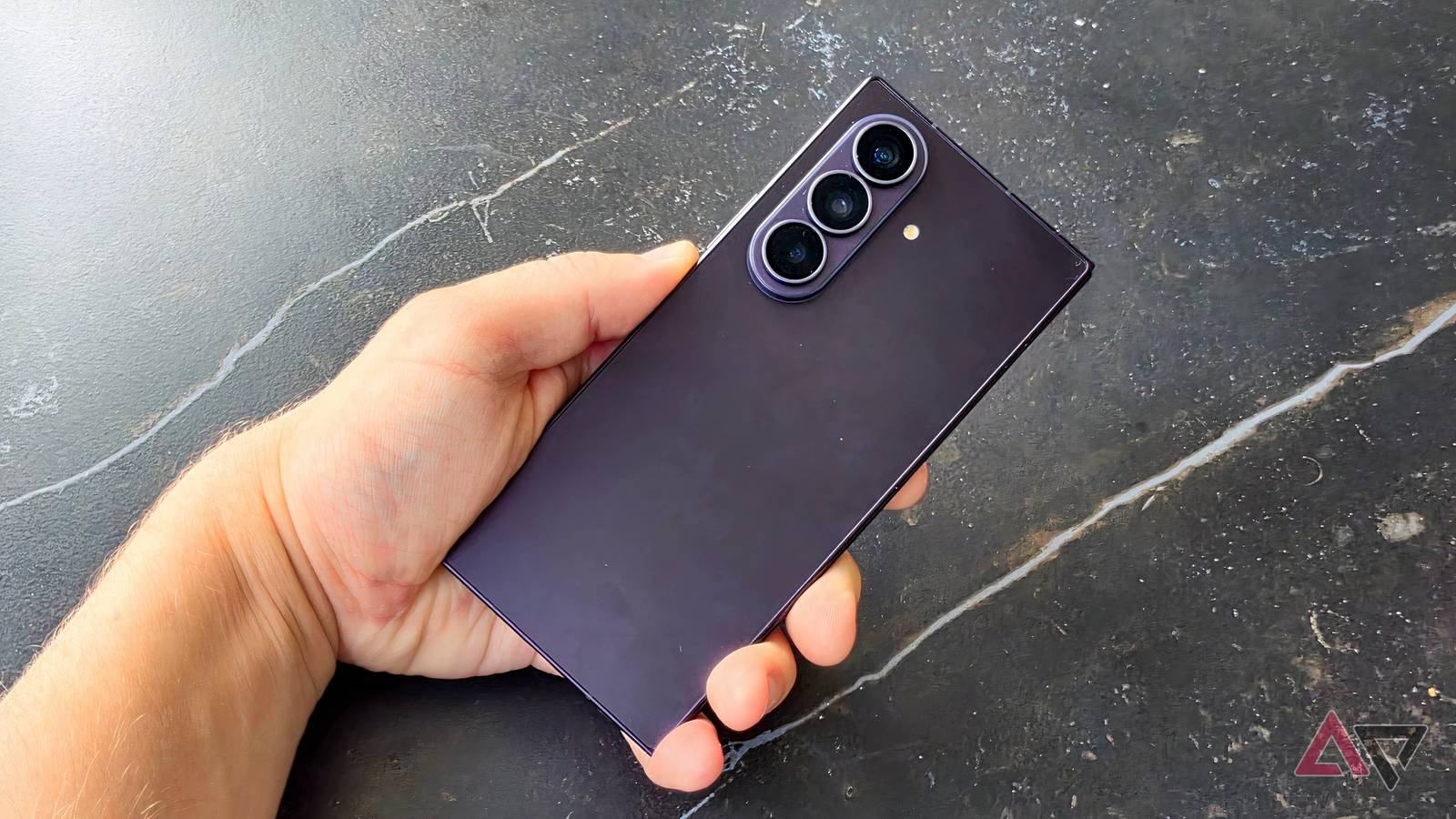
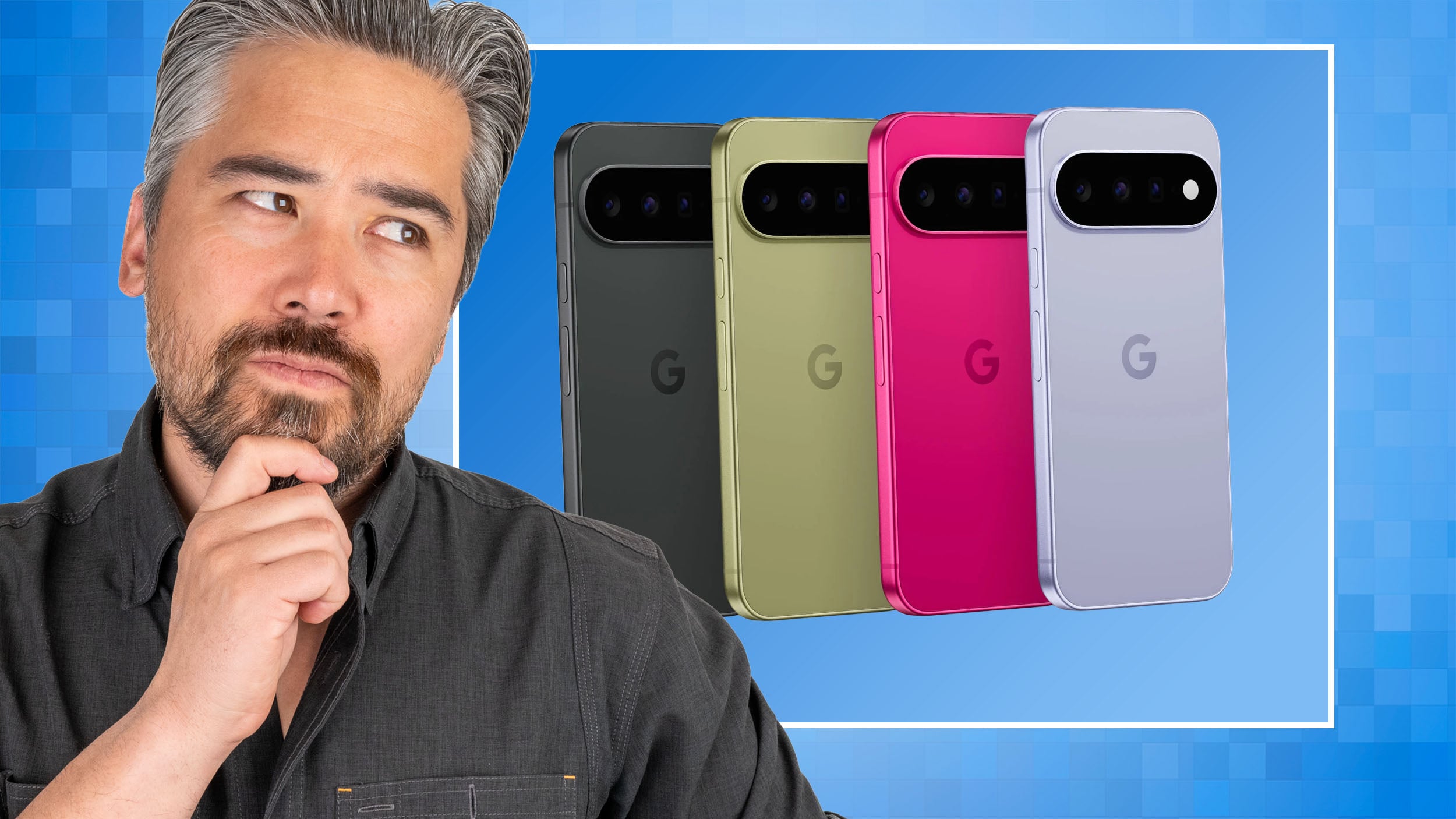
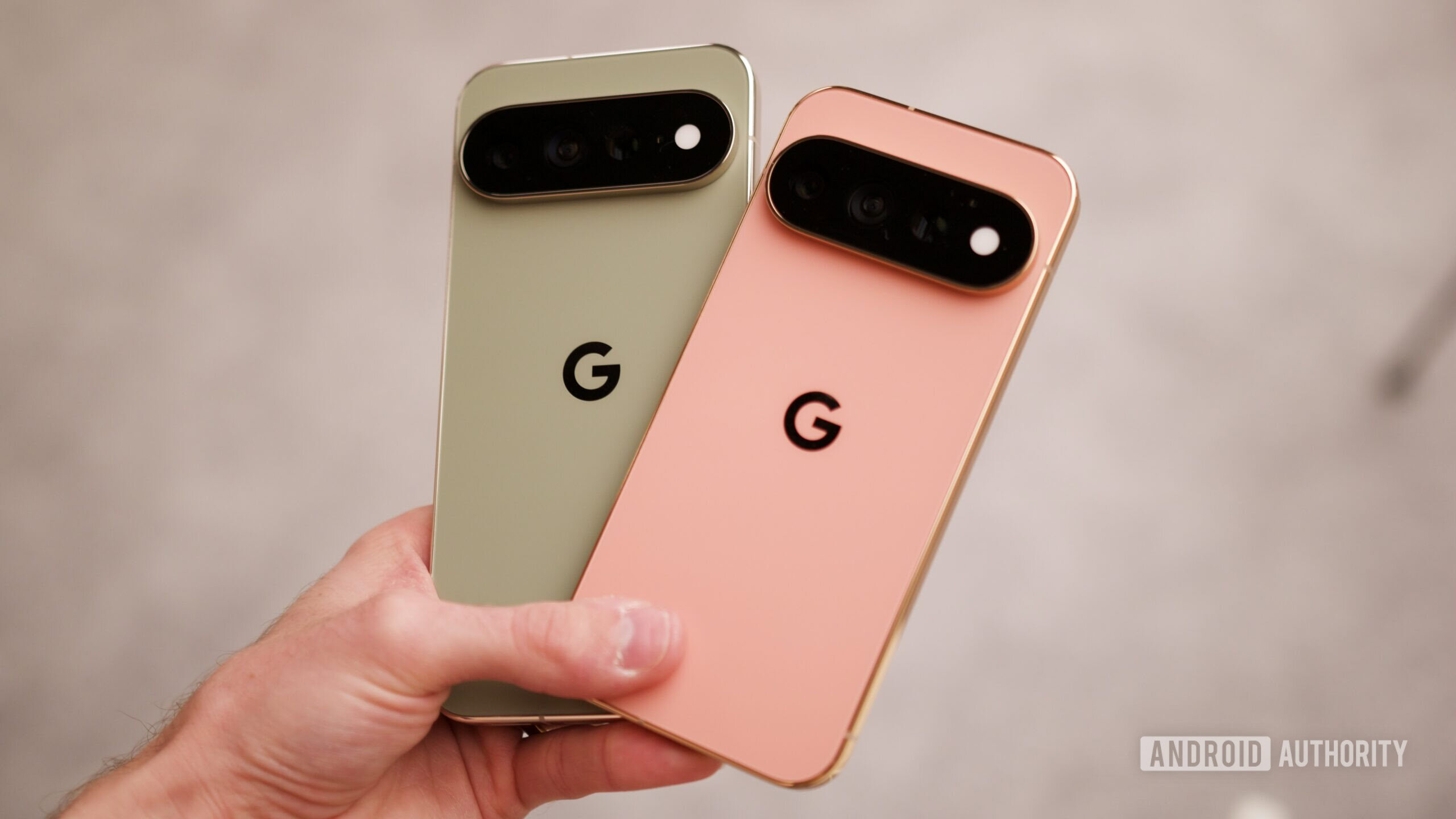
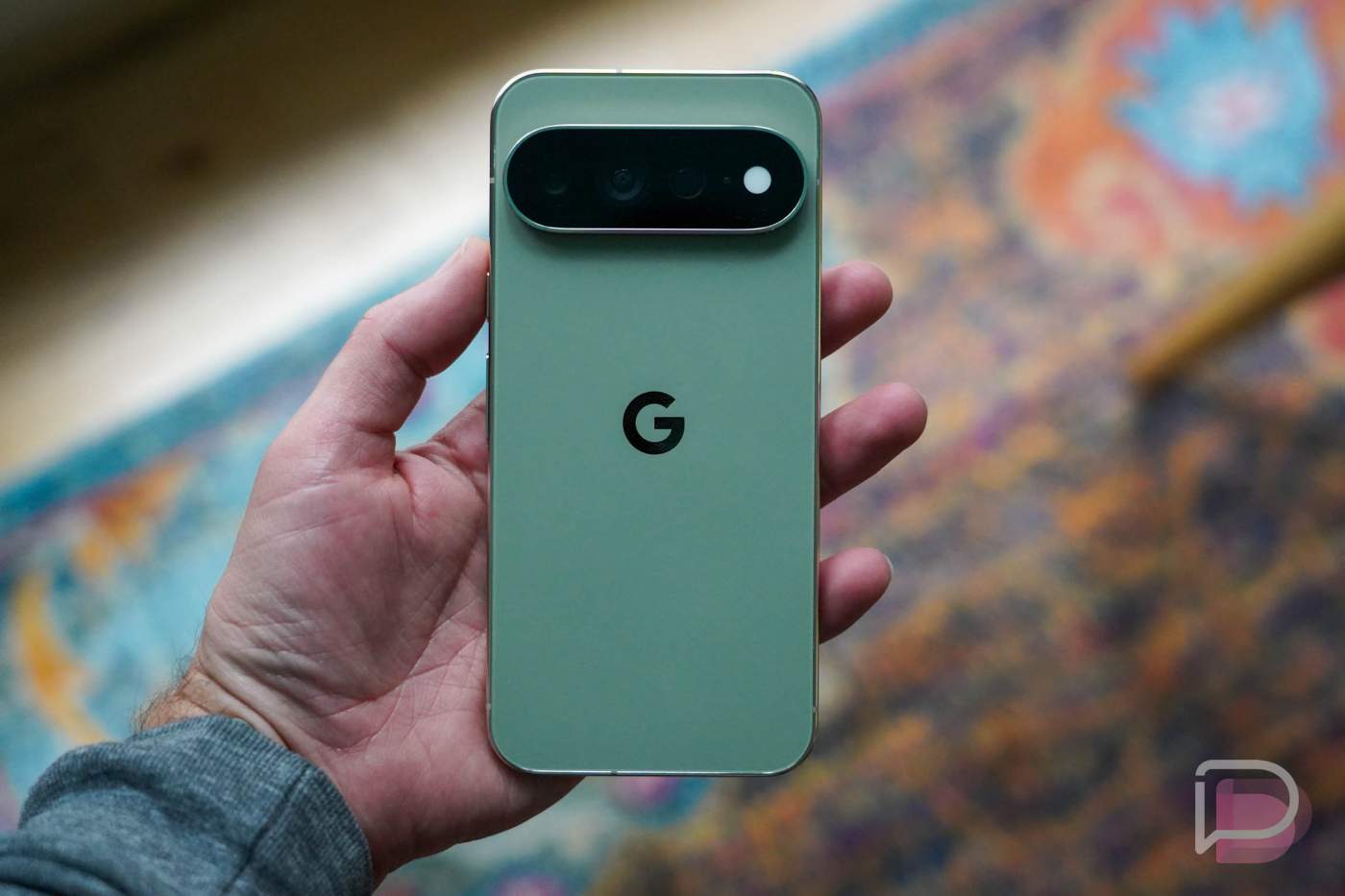
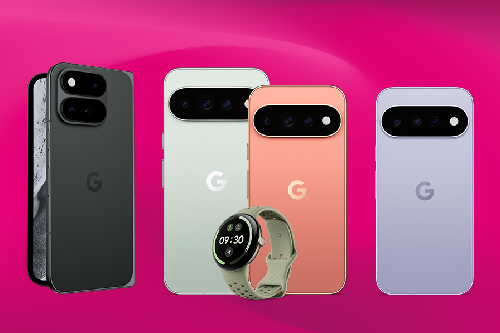
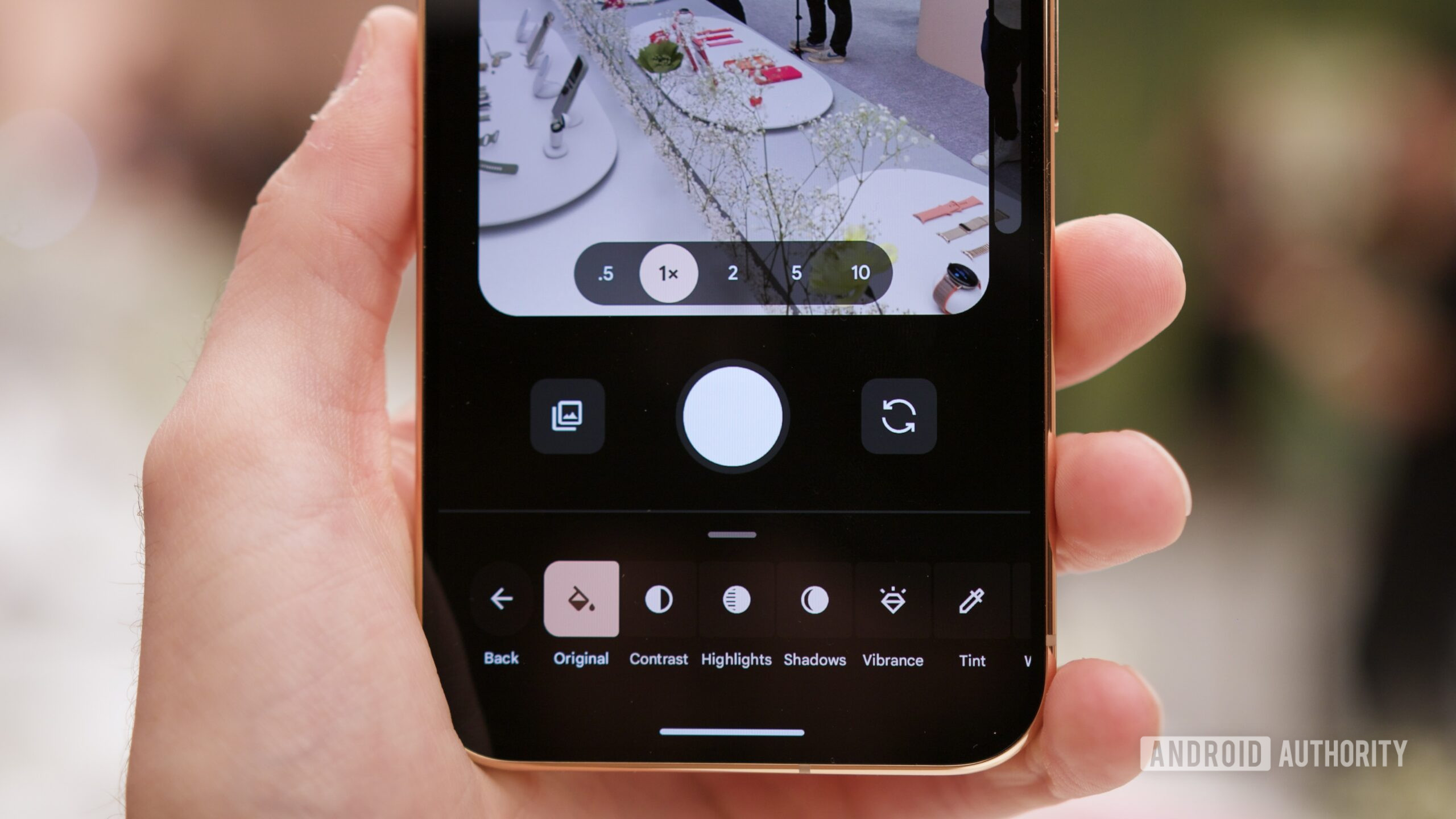
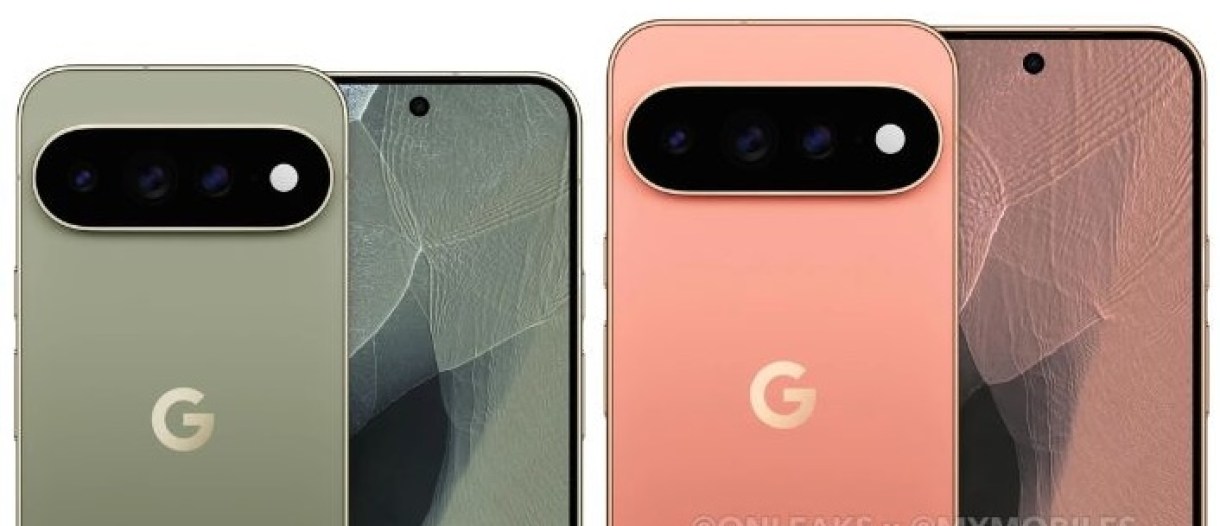
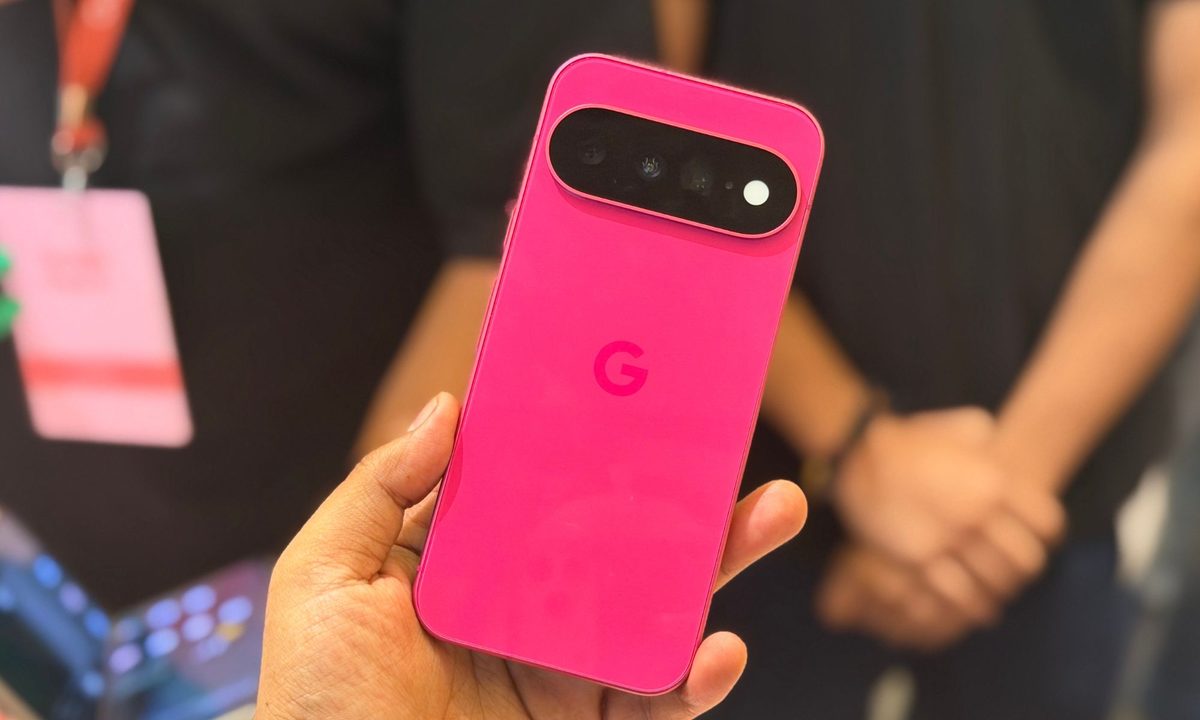
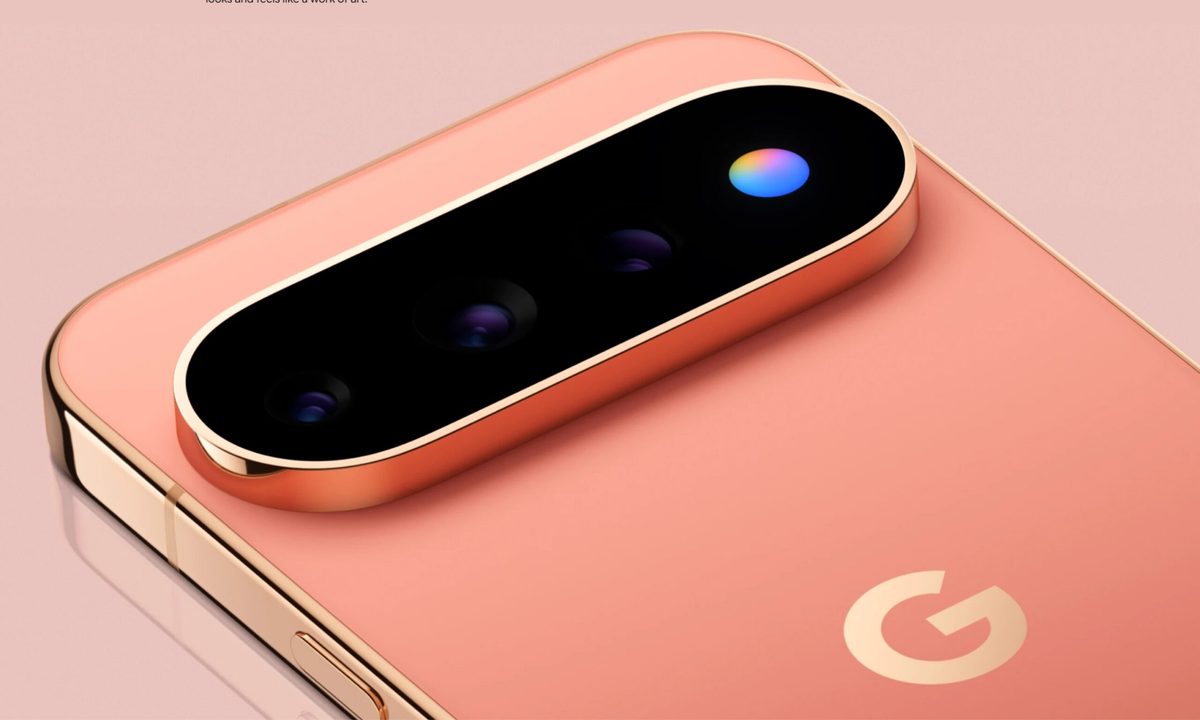
Google's strategic deployment of Play Points loyalty program to distribute Pixel 11 and Pixel Watch 5 discounts represents a fundamental shift in how premium tech brands drive consumer acquisition and channel preference. The company is offering Platinum members discount codes worth $150 off Pixel 11, $175 off Pixel 11 Pro Fold, and $75 off Pixel Watch 5—with a critical August 30, 2025 deadline creating urgency. These discounts stack with existing trade-in offers, maximizing perceived value while maintaining direct control over the customer relationship and data.
For cross-border electronics sellers, this signals three critical market dynamics: First, ecosystem lock-in is becoming the primary competitive moat. Google isn't competing on price alone; it's leveraging 100M+ Play Store users with accumulated Play Points balances to create switching costs. Sellers on Amazon, eBay, or Shopify face pressure as consumers discover hidden discounts within apps they already use daily. Second, tiered loyalty structures are fragmenting the market. By offering differentiated discounts based on Platinum membership status, Google creates urgency for consumers to increase engagement—a playbook that Amazon Prime, Walmart+, and Target Circle are replicating. Third, direct-to-consumer channels are cannibalizing marketplace share. Google's decision to ship directly from the Google Store rather than through retail partners indicates major brands are increasingly bypassing marketplaces entirely, reducing inventory opportunities for third-party sellers.
The promotional pattern mirrors Google's $200-$400 Pixel 10 discounts from months earlier, suggesting this is a recurring strategy rather than a one-time promotion. The August 30 deadline creates a compressed sales window—typical of scarcity-driven marketing that drives 15-25% higher conversion rates than open-ended offers. For sellers, this reveals consumer behavior: engaged users with accumulated loyalty points are price-sensitive and responsive to time-limited offers. The stacking of discounts with trade-in programs indicates Google is optimizing for customer lifetime value, not just transaction volume.
Actionable implications: Electronics sellers should monitor how brand-direct loyalty programs fragment marketplace traffic. Consider whether your category (smartphone accessories, protective cases, chargers, screen protectors) benefits from increased Pixel 11 adoption, or whether you need to diversify away from device-dependent categories. The August 30 deadline also signals peak demand for Pixel-compatible accessories in late August—a timing opportunity for sellers with relevant inventory.
Questions 7
What are the implications of Google shipping directly from the Google Store rather than through retail partners?
Direct shipping indicates Google is optimizing for customer data, repeat purchases, and ecosystem engagement rather than maximizing immediate transaction volume. This removes inventory opportunities for third-party logistics providers and retail partners who traditionally handled device fulfillment. For sellers, this signals that major brands are increasingly vertical integrating their supply chains. Sellers should expect fewer wholesale opportunities with premium brands and should focus on building direct-to-consumer channels through Shopify, TikTok Shop, or independent platforms where they retain customer relationships and can implement their own loyalty programs.
How should sellers differentiate their strategy between marketplace channels and brand-direct competition?
Sellers should recognize that brand-direct loyalty programs are fragmenting the market into three tiers: (1) brand-loyal consumers using Play Points/Prime/Circle discounts, (2) price-sensitive shoppers comparing across marketplaces, and (3) convenience-first buyers using same-day delivery. Rather than competing on price with brand-direct offers, sellers should focus on complementary categories (accessories, extended warranties, bundles) and underserved segments (international markets, older device models). Consider shifting 20-30% of inventory to 3PL fulfillment on Shopify or independent platforms where you control pricing and customer data.