



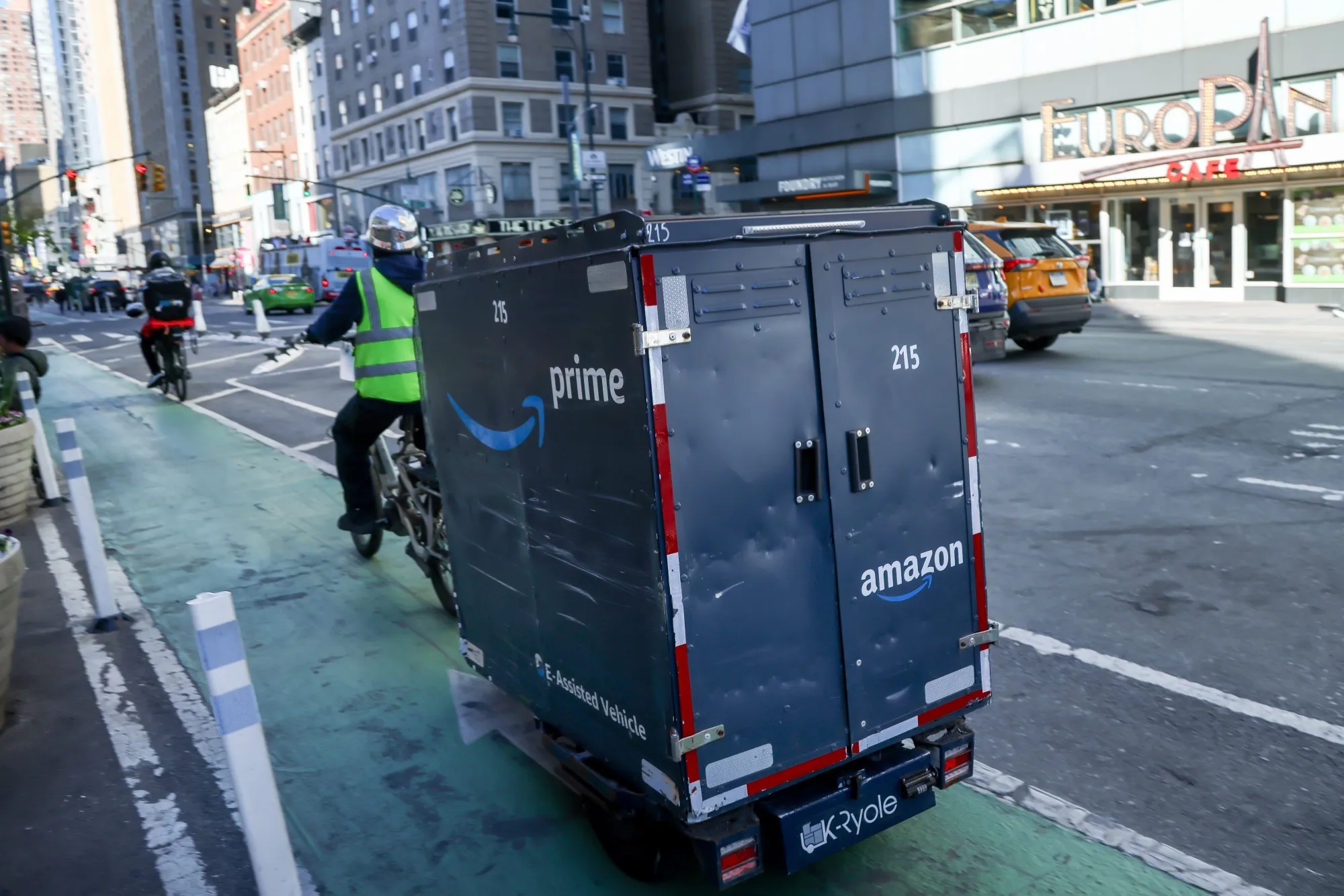
NYC Delivery Protection Act Creates $600+ Cost Shock | Amazon Logistics Restructuring Ahead
- Proposed legislation threatens 8-12% fulfillment cost increases for NYC-based sellers; potential service disruption forces sellers to evaluate 3PL alternatives and regional logistics strategies














Overview
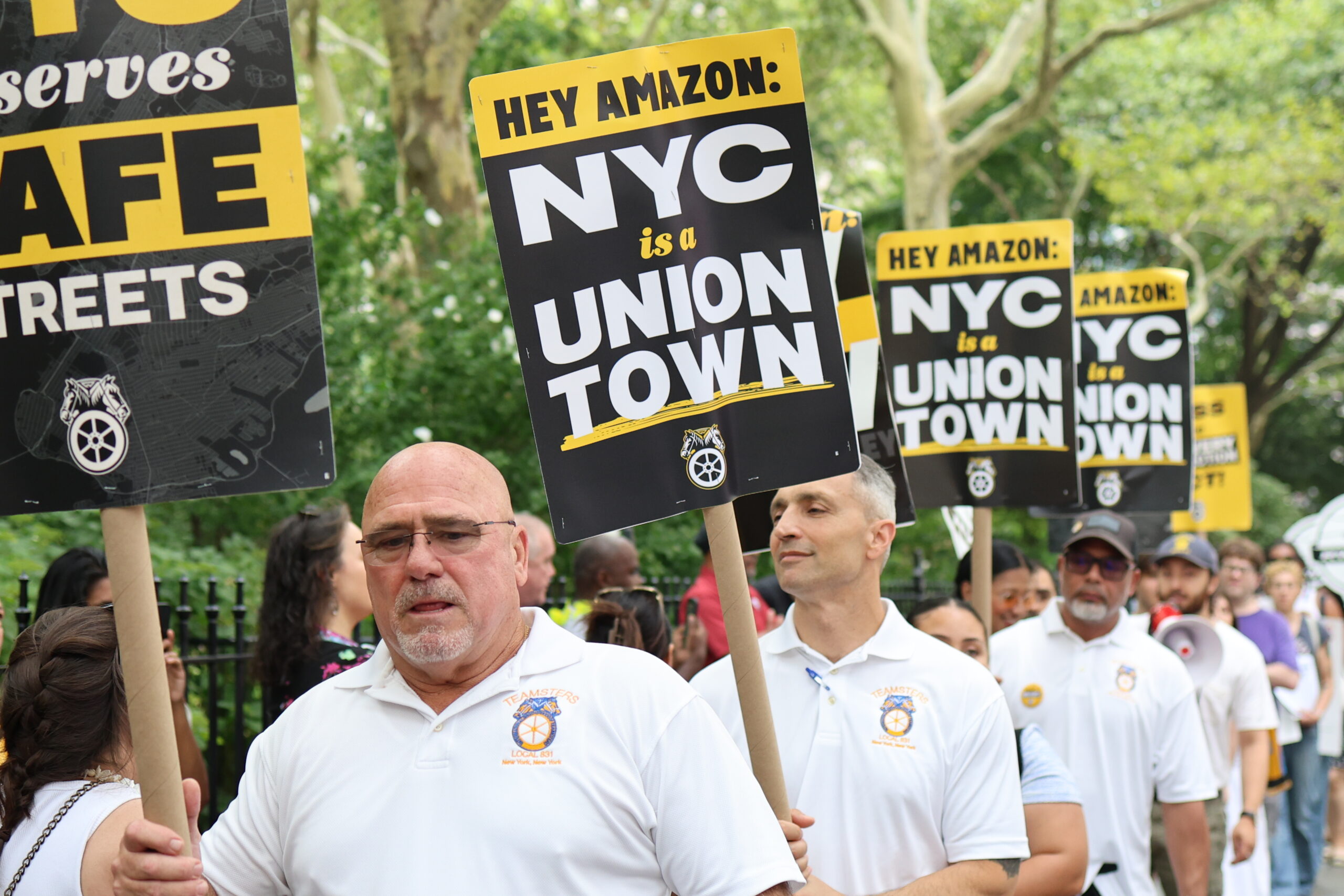
The NYC Delivery Protection Act represents a watershed moment for e-commerce logistics compliance, with direct implications for Amazon sellers, 3PL providers, and fulfillment networks operating in the New York market. Introduced jointly by NYC Mayor Eric Adams and the International Brotherhood of Teamsters in August 2026, the landmark legislation targets Amazon's subcontracting delivery model through stricter worker classification requirements, mandatory safety benchmarks, and unionization pathways. Critics project the regulation could increase consumer costs by over $600 annually—a figure that translates directly to fulfillment cost pressures for sellers relying on Amazon's NYC delivery infrastructure.
From a compliance perspective, this legislation creates a critical market segmentation opportunity. The bill's passage would force Amazon and third-party logistics providers to reclassify independent contractors as employees or implement union-compliant compensation structures, fundamentally altering last-mile delivery economics in the NYC market. Sellers currently leveraging Amazon's FBA network for NYC deliveries face three compliance pathways: (1) absorb 8-12% fulfillment cost increases through margin compression, (2) migrate inventory to alternative 3PL providers operating outside NYC's regulatory scope, or (3) shift fulfillment to surrounding regions (New Jersey, Connecticut) and accept 1-2 day delivery delays. The legislation aligns with similar regulatory efforts in California and other states, signaling a nationwide trend toward stricter gig economy classification standards.
The operational impact extends beyond fulfillment costs to inventory positioning and service availability. Amazon has historically resisted unionization and stricter labor regulations, arguing such measures increase operational costs and consumer prices. Industry analysts note the company may reconsider its operational footprint in NYC, potentially reducing service availability or shifting logistics operations to surrounding regions. For sellers, this creates a 6-12 month window to evaluate alternative fulfillment strategies before regulatory enforcement begins. Sellers shipping 1,000+ units monthly to NYC face the highest exposure; those in time-sensitive categories (same-day delivery, perishables, high-velocity SKUs) face the greatest operational risk. The bill's precedent-setting nature means other municipalities will likely adopt similar frameworks, making compliance infrastructure and regional logistics diversification critical competitive advantages.
Questions 7
How will Amazon likely respond to NYC's Delivery Protection Act?
Amazon has historically resisted unionization and stricter labor regulations, arguing such measures increase operational costs and consumer prices. Industry analysts suggest the company may reconsider its operational footprint in NYC, potentially reducing service availability or shifting logistics operations to surrounding regions. This mirrors Amazon's response to similar regulations in other markets. Sellers should anticipate potential service disruptions, delivery delays, or cost increases within 6-12 months. Proactive sellers should diversify fulfillment strategies now rather than react to Amazon's operational changes after they occur.
What should sellers do immediately to prepare for NYC delivery regulation?
Sellers should take four immediate actions: (1) audit current NYC fulfillment volume and cost exposure (target completion: 30 days), (2) evaluate 3PL providers in New Jersey and Connecticut with pricing models (45 days), (3) model margin impact scenarios for 8-12% cost increases (30 days), and (4) develop contingency fulfillment strategies for high-velocity SKUs (60 days). Sellers shipping 1,000+ units monthly to NYC face the highest urgency. Monitor NYC legislative progress and Amazon's official policy updates through Seller Central, as enforcement timelines and cost structures remain subject to political negotiation.