


$100B Tariff Refund Wave Unlocks Seller Margin Recovery | Cross-Border Import Cost Relief
- Trump administration distributes $100B+ in tariff refunds; Amazon, FedEx, Nike among major recipients; 0.2% GDP boost signals sustained consumer spending momentum for Q3-Q4 2024

Overview
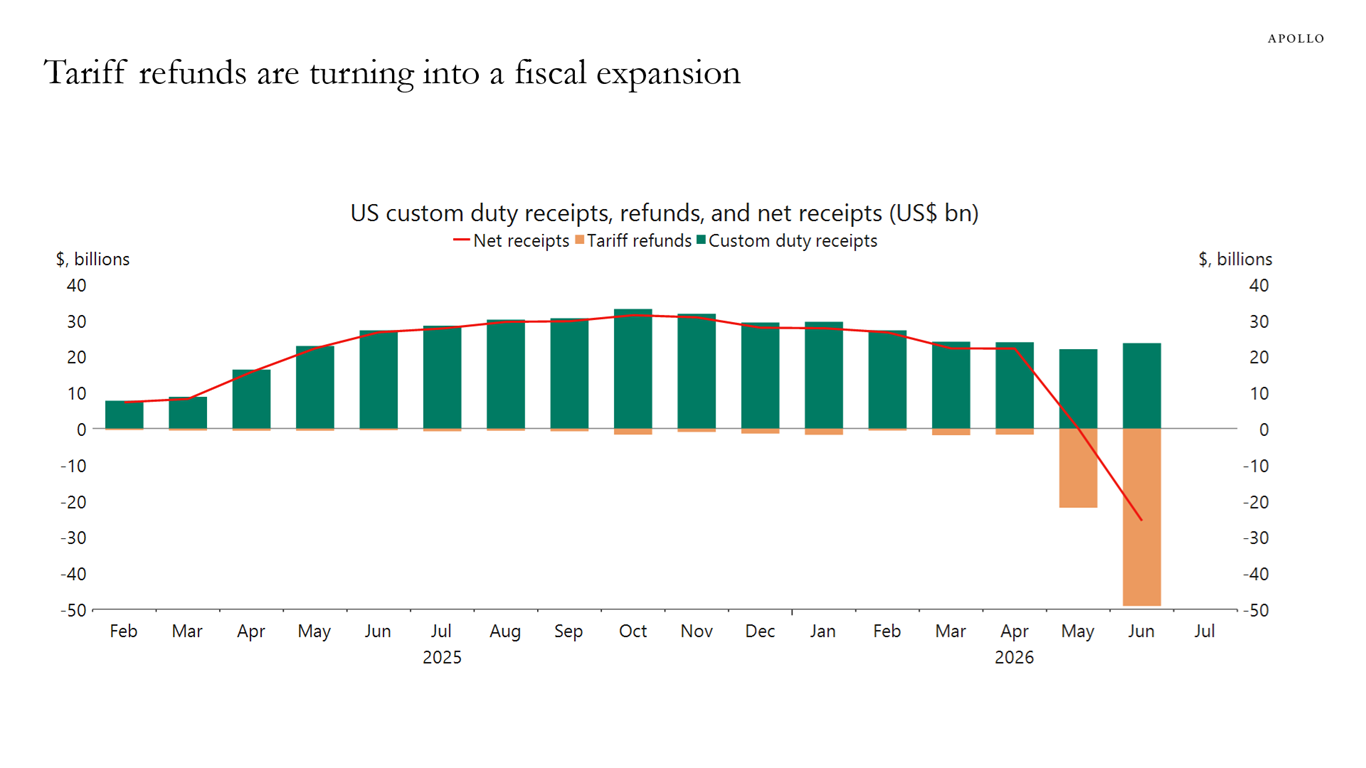
The Trump administration's distribution of over $100 billion in tariff refunds to U.S. businesses and importers represents a critical inflection point for cross-border e-commerce sellers. According to Wall Street Journal data, 40 S&P 500 companies have collectively received $9.6 billion in refunds, with major logistics and retail players like Amazon, FedEx, and UPS committing to pass refunds to customers. This policy reversal—triggered by the Supreme Court's February 2024 strike-down of the International Emergency Economic Powers Act—addresses approximately 60% of the $166 billion collected under tariff policies, creating immediate cost recovery opportunities for sellers importing goods subject to duties.
For cross-border e-commerce sellers, this refund program directly impacts profitability calculations and cash flow management. Sellers who paid tariffs on inventory, raw materials, or finished goods imported under Trump's trade policies may be eligible for refunds through U.S. Customs and Border Protection. The refund initiative signals a fundamental shift in tariff policy enforcement, suggesting reduced future tariff burden on imported merchandise. Bank of America analysts note that retailers are strategically deploying returned funds to finance promotional campaigns, offset supply-chain costs, and negotiate better terms with brands—creating a competitive advantage window for sellers who secure refunds quickly. The refund distribution is contributing approximately 0.2 percentage points to Q3 GDP growth, with overall growth projected at 4.3%, indicating sustained consumer purchasing power and demand for imported goods across electronics, apparel, home goods, and consumer discretionary categories.
The operational impact extends beyond immediate cost recovery to strategic sourcing decisions. Sellers engaged in cross-border trade should immediately audit tariff payment records and documentation to determine eligibility, as the exact application process and timeline remain fluid. The refund program may influence future tariff policy decisions, potentially creating a window for sellers to recalibrate sourcing strategies before tariff policies stabilize. Jobless claims remain stable at approximately 200,000 weekly with job openings rising over the past six months, supporting sustained consumer spending momentum. This economic tailwind—combined with ongoing AI spending, tax cuts from the One Big Beautiful Bill Act, and U.S. manufacturing reshoring initiatives—creates favorable conditions for sellers to reinvest refunds in inventory expansion, technology infrastructure, or competitive pricing strategies to capture market share during the Q3-Q4 selling season.
Questions 7
How do tariff refunds impact seller profitability and pricing strategy?
Tariff refunds directly improve seller profitability by reducing cost of goods sold (COGS) on imported merchandise. Bank of America analysts note that retailers are using returned funds to finance promotional campaigns, offset supply-chain costs, and negotiate better terms with brands. For sellers, this creates a strategic window to either reinvest refunds in inventory expansion, reduce product prices to capture market share, or improve margins. The refund distribution is contributing approximately 0.2 percentage points to Q3 GDP growth, with overall growth projected at 4.3%, indicating sustained consumer purchasing power. Sellers can leverage improved margins to invest in technology infrastructure, expand product catalogs, or enhance competitive positioning during the Q3-Q4 selling season.
What is the application process for tariff refunds?
The exact eligibility criteria, application process, and timeline for refund distribution remain under development by U.S. Customs and Border Protection (CBP) and the Commerce Department. Sellers engaged in cross-border trade should monitor official announcements from CBP and Commerce Department websites for detailed program guidelines. Companies like Amazon, FedEx, and UPS have committed to returning funds to customers, suggesting a structured refund mechanism will be established. Sellers should compile comprehensive tariff payment documentation, including entry numbers, HS codes, tariff classifications, and duty amounts paid. The refund program may operate through CBP's existing trade remedy programs or a dedicated portal—details will be announced through official government channels.