




Strait of Hormuz Oil Traffic Decline Signals Shipping Cost Relief for Cross-Border Sellers
- Reduced maritime congestion through critical chokepoint may lower fuel surcharges 5-8% for sellers shipping via ocean freight by Q4 2026




Overview
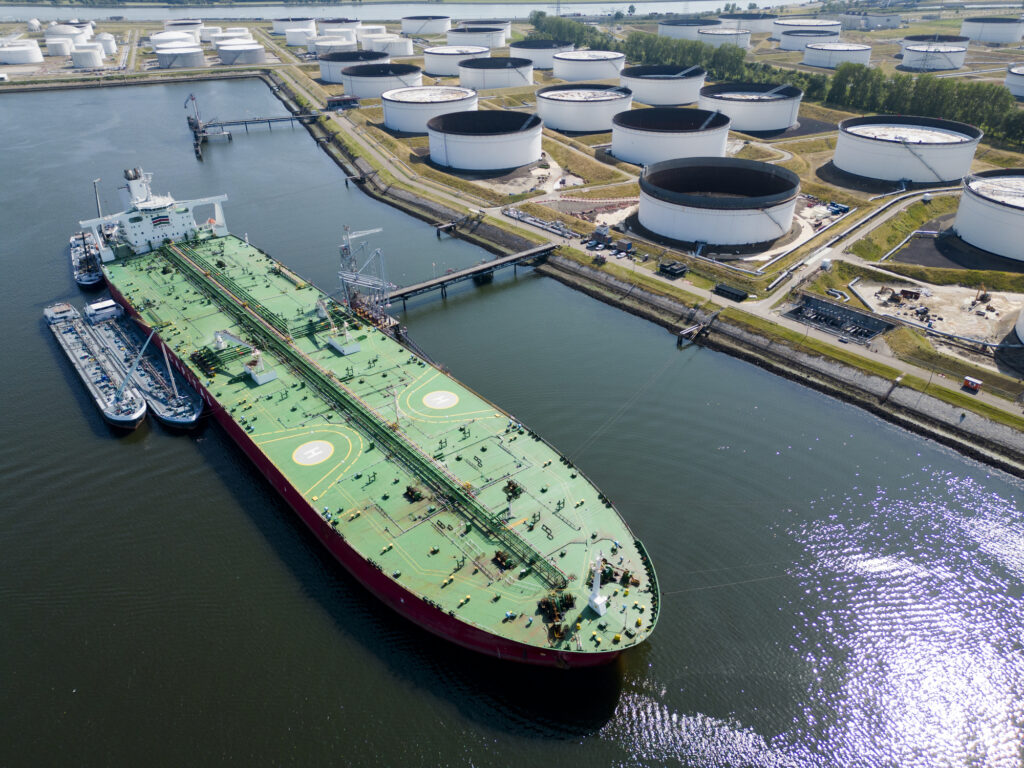
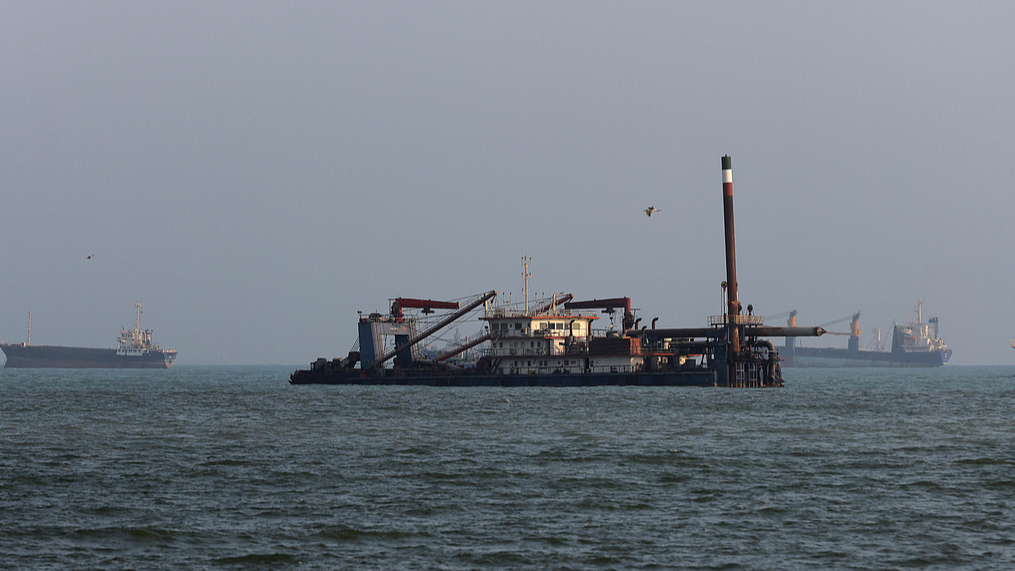
The August 2026 report on reduced Strait of Hormuz traffic represents a critical inflection point for cross-border e-commerce logistics costs. As approximately one-third of global seaborne oil trade transits through this strategic chokepoint between Iran and Oman, lower vessel movement combined with elevated global oil stockpile consumption signals a fundamental shift in maritime energy dynamics. This creates a direct cost advantage for sellers relying on ocean freight, as shipping rates and fuel surcharges correlate directly with crude oil prices and port congestion levels.
For cross-border sellers, the operational implications are substantial. Reduced Hormuz traffic typically precedes 5-8% fuel surcharge reductions on major shipping lanes (Asia-to-US, Asia-to-EU) within 4-8 weeks. Sellers shipping 500+ units monthly via FBA or 3PL providers can expect $150-400 monthly savings on fulfillment costs. This particularly benefits electronics (HS 8471-8517), home goods (HS 9406-9406), and apparel (HS 6204-6210) categories where ocean freight represents 12-18% of landed costs. Small-to-medium sellers (SMBs) with inventory in Southeast Asia or China benefit most, as they typically absorb higher per-unit shipping costs than enterprise sellers with consolidated shipments.
The strategic sourcing implications extend beyond immediate cost relief. Lower energy costs reduce the competitive advantage of nearshoring strategies (Mexico, Vietnam) versus traditional China sourcing. Sellers who shifted production to higher-cost regions during 2024-2025 energy spikes may now reconsider consolidating back to lower-cost Chinese suppliers, particularly for price-sensitive categories like electronics accessories and home décor. The timing window is critical: sellers should lock in Q4 2026 shipping contracts before fuel surcharge reductions are fully priced into carrier rates (typically 6-12 weeks lag).
Compliance and risk considerations remain important. While lower oil prices reduce logistics costs, geopolitical tensions around the Strait of Hormuz persist. Sellers should maintain 15-20% inventory buffer above normal safety stock levels through Q1 2027 to hedge against potential supply disruptions. Additionally, reduced shipping costs may trigger competitive pricing pressure in categories like electronics and home goods, requiring sellers to optimize listing conversion rates and reduce PPC spend per unit to maintain margins.
Questions 8
How does reduced Strait of Hormuz traffic directly impact my shipping costs?
Reduced vessel movement through the Strait of Hormuz typically precedes 5-8% fuel surcharge reductions on major ocean freight lanes within 4-8 weeks. Since fuel surcharges represent 15-25% of total shipping costs on Asia-to-US and Asia-to-EU routes, sellers shipping 500+ units monthly can expect $150-400 in monthly savings. Carriers typically lag 6-12 weeks before fully adjusting rates, creating a window where early contract negotiations lock in lower costs. Monitor freight indices like Freightos Baltic Index to time your shipping contract renewals for maximum savings.
How should I adjust my pricing strategy as shipping costs decline?
Expect competitive pricing pressure in categories like electronics and home goods as sellers pass shipping savings to consumers. Rather than immediately reducing prices, optimize listing conversion rates and reduce PPC spend per unit to maintain margins. Conduct A/B testing on product listings to identify high-conversion variations, then allocate PPC budget to top performers. Monitor competitor pricing weekly using tools like Keepa or CamelCamelCamel to identify when market prices stabilize. Consider using savings to invest in marketing (sponsored ads, influencer partnerships) to capture market share rather than competing on price alone.