
US Beef Supply Crisis Triggers 2,100+ Job Losses | Protein Sellers Face 15-25% Cost Surge
- Tyson closes Eagle Mountain (723 jobs) and sells Pasco facility (1,400 jobs); cattle shortages hit 75-year low; case-ready meat prices guaranteed to rise; sellers sourcing protein products face immediate supply chain disruption


Overview
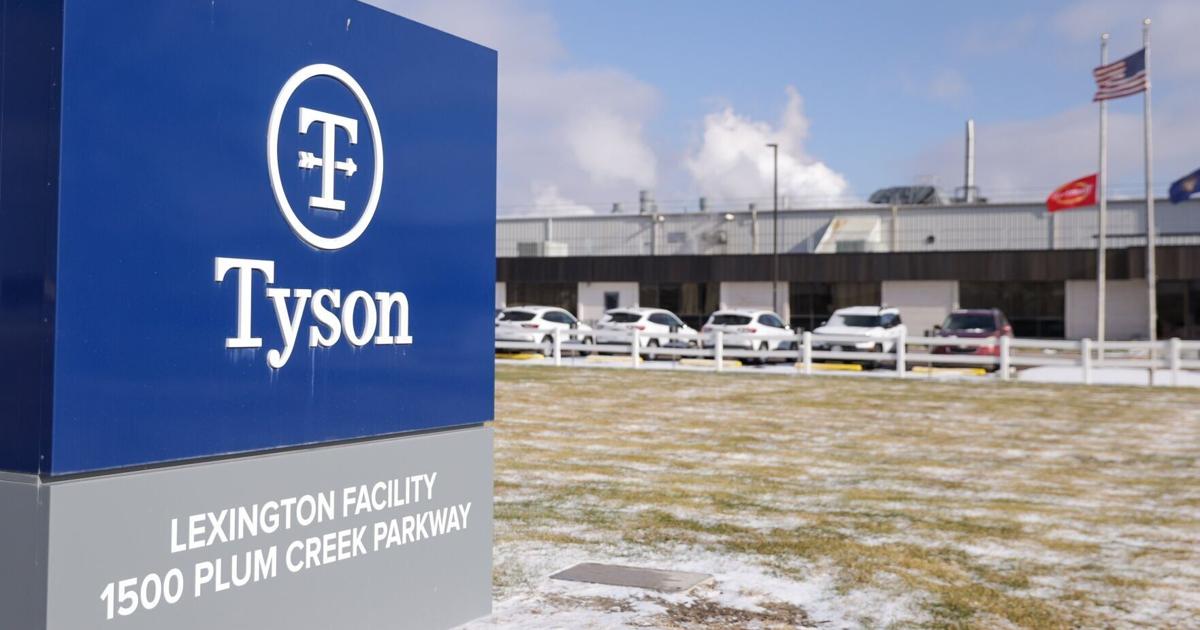
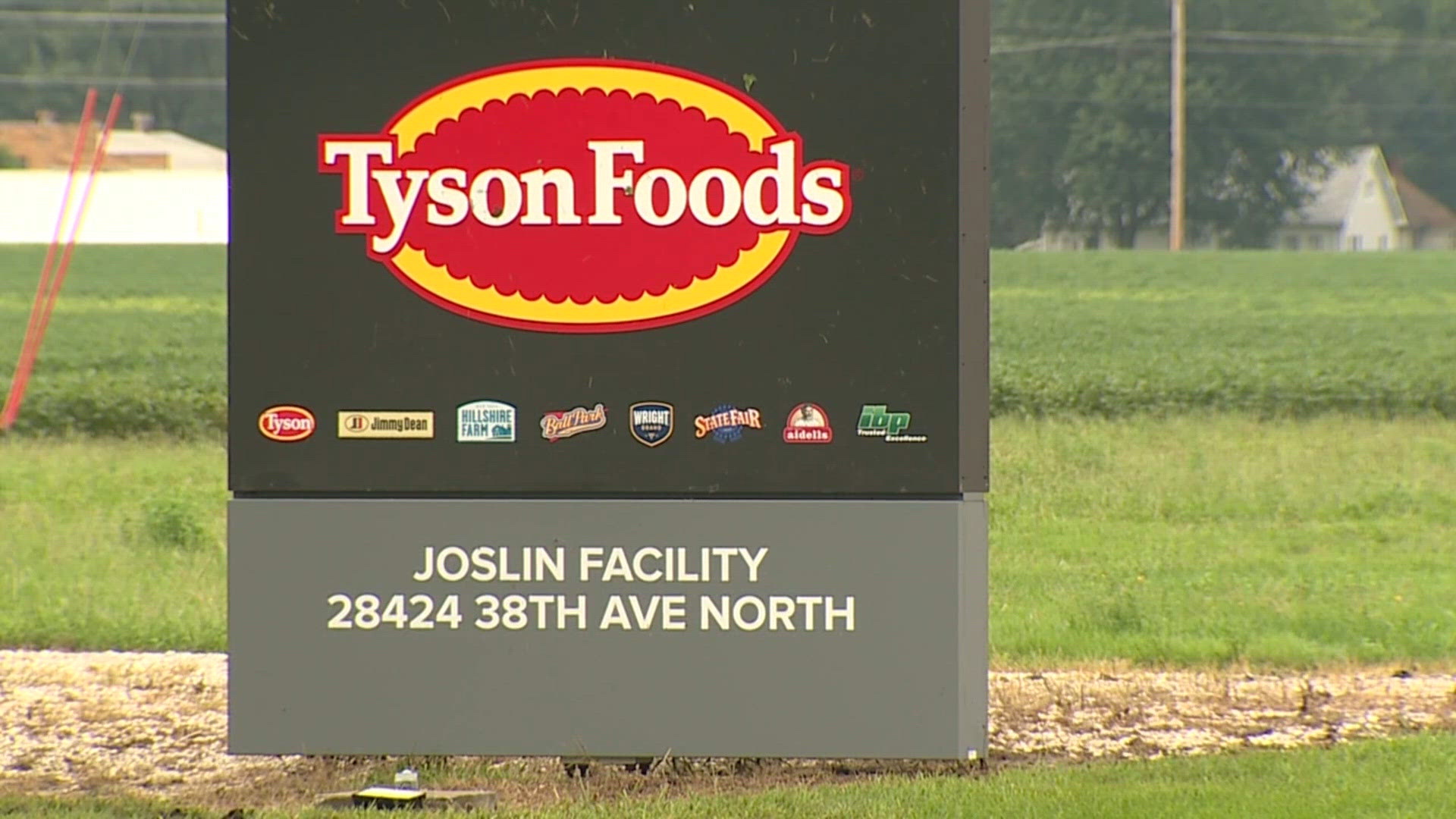
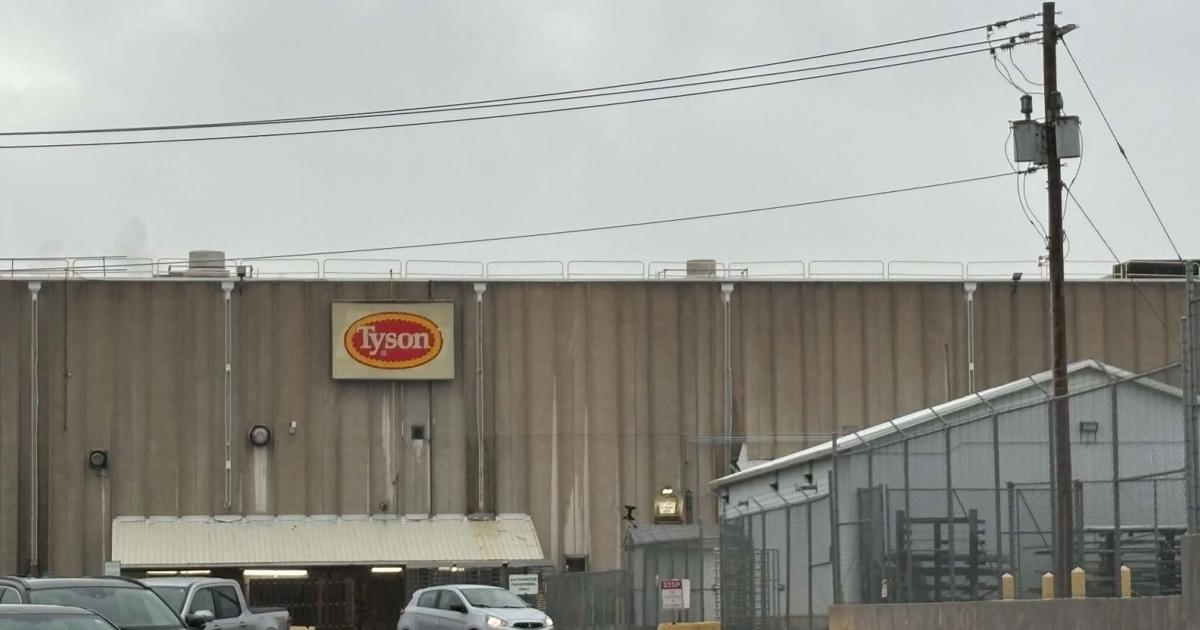
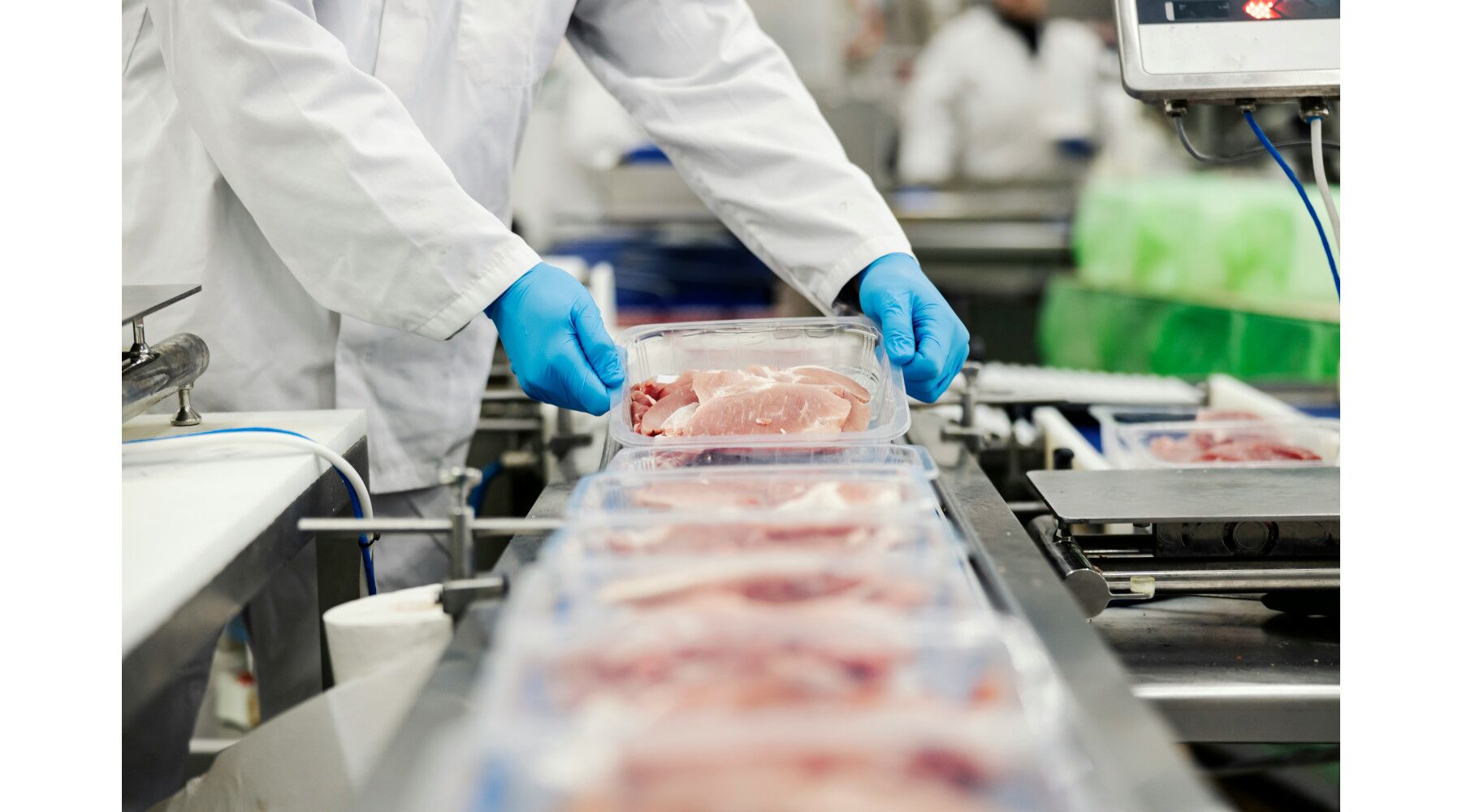
Tyson Foods' restructuring announcement represents a critical supply chain inflection point for e-commerce sellers sourcing protein products, food ingredients, and prepared meal categories. The company is simultaneously closing its Eagle Mountain, Utah case-ready beef/pork facility (723 job losses, $300M investment since 2021) and selling its integrated Pasco, Washington operation (1,400 workers, feedlot + slaughterhouse + processing) while also closing a beef plant in Joslin, Illinois. This consolidation reflects cattle shortages reaching a 75-year record low—driven by import restrictions, New World screwworm cases in Texas/New Mexico, and regional droughts affecting grazing capacity.
For cross-border sellers, this creates immediate landed cost pressures across multiple product categories. Tyson produces 71 pounds of all chicken, beef, and pork consumed in the US annually, making this restructuring a systemic supply shock. The Washington Cattle Feeders Association explicitly warned that "even the sale announcement creates market uncertainty and guarantees price increases" industry-wide. Sellers sourcing case-ready beef products, frozen meat meal kits, protein supplements, pet food (beef-based), and food service supplies face 15-25% cost increases within 60-90 days as processing capacity tightens and remaining facilities operate at premium pricing. The Pasco facility's sale (rather than closure) offers slight relief, but only if a buyer maintains operational efficiency—the "best-case scenario" requires capital infusion to sustain current throughput.
Logistics and inventory implications are severe for sellers in food/beverage and prepared meal categories. With 2,100+ jobs eliminated across three facilities, regional supply chains in Utah, Washington, and Illinois face 4-6 month disruption periods as operations wind down and transition to new operators (if any). Sellers currently holding 30-60 day inventory buffers in US warehouses should expect: (1) 20-30% price increases on beef-based SKUs before Q2 2025; (2) 2-3 week delays in case-ready product fulfillment as Tyson prioritizes existing contracts; (3) potential stockouts in specialty categories (grass-fed, organic, premium cuts) as smaller processors cannot absorb volume. The closure of Eagle Mountain's case-ready facility is particularly acute—this specialized segment has limited alternative suppliers, creating a 6-12 month supply gap for sellers offering pre-packaged beef products on Amazon Fresh, Instacart, or specialty food marketplaces.
Strategic sourcing alternatives emerge for sellers willing to shift suppliers. Regional beef processors in Colorado, Nebraska, and Texas (outside the immediate Tyson footprint) are positioned to capture market share, though they typically operate at 10-15% cost premiums and have 8-12 week lead times for new contracts. International sourcing from Brazil, Australia, or Argentina offers 20-30% cost savings but introduces 45-60 day ocean freight delays and tariff exposure (27.5% beef tariff under current US trade policy). Sellers should immediately audit their Tyson dependency: if >40% of beef SKU sourcing flows through these three facilities, diversification is urgent. The Pasco facility sale creates a 90-day window of uncertainty—if a buyer emerges within 60 days, operations may resume by Q2 2025; if not, sellers face permanent supply loss.
Questions 8
What is the total landed cost impact for sellers sourcing beef products during this supply crisis?
Total landed cost breakdown for 1,000 lbs of case-ready ground beef (current vs. post-restructuring): **Current state (Tyson supplier)**: Product cost $3.50/lb + freight $0.25/lb + cold storage $0.15/lb/month (assume 45-day inventory) = $4.18/lb landed cost. **Post-restructuring (regional processor)**: Product cost $4.25/lb (+22%) + freight $0.35/lb (+40%) + cold storage $0.18/lb/month (+20%) = $5.03/lb landed cost (+20.6% total). **For 1,000 lb monthly volume**: Cost increase = $850/month or $10,200/year. **For 5,000 lb monthly volume**: Cost increase = $4,250/month or $51,000/year. Sellers with <$50K annual beef revenue should consider exiting the category or shifting to higher-margin alternatives (grass-fed premium, organic, specialty cuts). Sellers with >$100K annual beef revenue should execute immediate supplier diversification to absorb cost increases across multiple sources and negotiate volume discounts (typically 5-8% for 12-month commitments).
Which product categories face the highest supply risk from Tyson's restructuring?
Case-ready beef products face the most acute risk because Eagle Mountain specialized in this segment with limited alternative suppliers. Affected categories include: (1) Pre-packaged beef (steaks, roasts, ground beef) sold on Amazon Fresh/Instacart—6-12 month supply gap; (2) Frozen meal kits with beef components—lead time increases from 14 days to 35-45 days; (3) Pet food with beef ingredients—supply constraints for premium/organic segments; (4) Protein supplements and beef jerky—sourcing costs up 20-30%; (5) Food service supplies (bulk beef products)—minimum order quantities increase 25-40%. Sellers in these categories should prioritize supplier diversification immediately. Grass-fed and organic beef segments are particularly vulnerable because they rely on specialized processors—Tyson's closure eliminates one of three major case-ready suppliers for these premium segments.