






Economic Slowdown & Consumer Spending Shift | Critical Seller Strategy Update for Q3-Q4 2024
- Inflation cooling to 3.4% but wage growth lags; online retail drops 2.2% June-July; lower-income households shift spending patterns—sellers must pivot inventory and pricing strategies immediately
















Overview
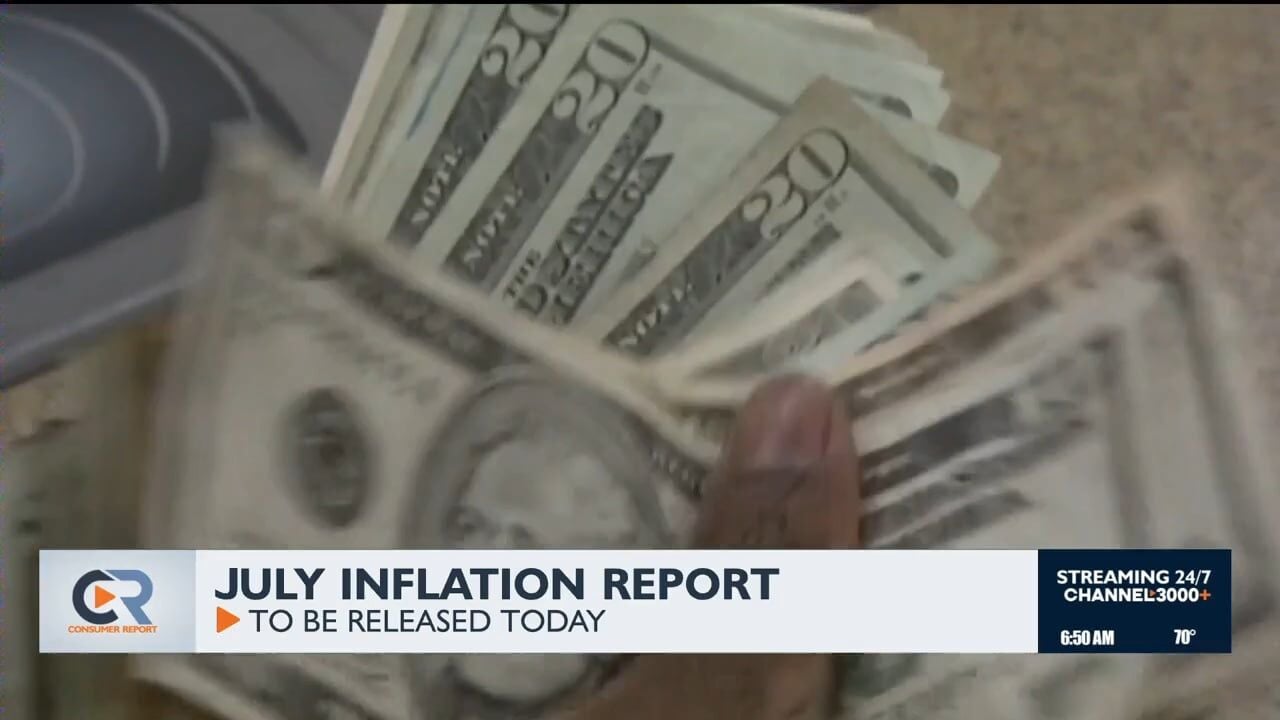
Critical Economic Inflection Point for E-Commerce Sellers: Recent government data reveals a significant economic slowdown that directly impacts cross-border e-commerce profitability and consumer demand patterns. Inflation has decelerated to 3.4% annually with consumer prices rising only 0.1% month-over-month (June-July), marking the second consecutive month of cooling. However, this positive inflation trend masks a troubling labor market deterioration: wage growth has slowed to 3.2% annually and now lags inflation again after outpacing it from mid-2023 through early 2026. This wage-inflation reversal signals reduced consumer purchasing power—a critical risk factor for sellers relying on discretionary spending.
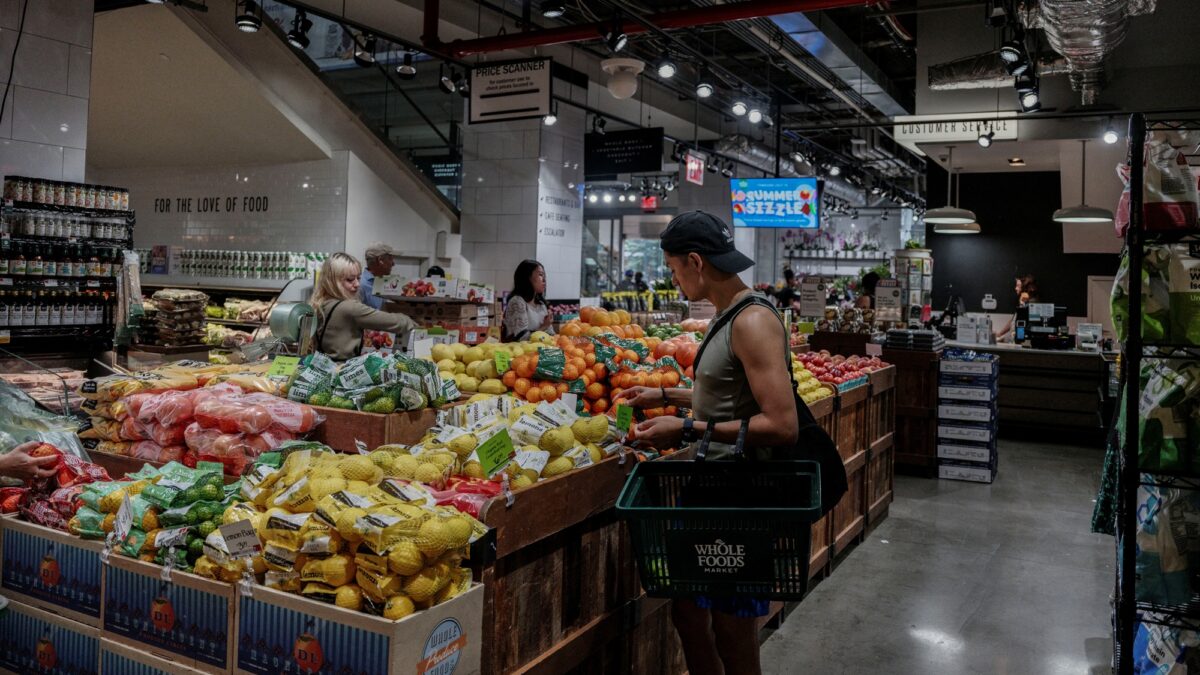
Immediate Demand Shock Signals: Retail sales declined 0.6% in July, with online retail experiencing a sharper 2.2% drop from June to July. While Amazon Prime Day (occurring in June) partially explains the shift, the magnitude indicates genuine demand softening beyond seasonal patterns. Gasoline prices remain elevated at 25% year-over-year despite recent monthly declines, continuing to compress logistics margins for sellers shipping via ground transportation. Grocery prices show mixed signals: beef remains elevated while chicken and eggs are cheaper, suggesting consumers are actively trading down to lower-cost proteins—a behavioral shift sellers should monitor across food and household categories.
Consumer Segmentation Reversal Creates Opportunity Windows: Bank of America data reveals a dramatic reversal of the "K-shaped economy" trend. Lower-income households increased expenditures in July while upper-income spending declined—a complete inversion of pandemic-era patterns. This shift indicates lower-income consumers are gaining confidence (possibly from wage growth earlier in 2024-2025) and increasing discretionary purchases, particularly in restaurant spending. For sellers, this signals opportunity in value-oriented categories (budget home goods, affordable apparel, discount electronics) while premium segments face headwinds. Credit card and auto loan debt grew 1.7% year-over-year, suggesting consumers are financing purchases rather than paying cash—indicating both confidence and financial stress.
Macro Headwinds Threaten Long-Term Demand: Federal government borrowing has reached critical levels with deficits projected to exceed $2 trillion annually and cumulative debt approaching $40 trillion. Rising Treasury yields have driven mortgage rates to nearly two-decade highs, creating severe headwinds for the housing market. This macro deterioration will likely suppress home-related category demand (furniture, appliances, home improvement) in Q4 2024 and beyond. Sellers should expect continued pressure on discretionary spending as consumers prioritize debt servicing and housing costs over non-essential purchases.
Questions 8
When should sellers make major inventory and pricing decisions based on this economic data?
Act immediately on three fronts: (1) By August 31, 2024: Reduce Q3-Q4 inventory orders by 10-15% and shift mix toward value categories; (2) By September 15, 2024: Lock in Q4 shipping rates and finalize pricing strategy adjustments (3-5% increases or value repositioning); (3) By October 1, 2024: Monitor Walmart, Target, Home Depot, Lowe's earnings reports for additional demand signals before finalizing holiday inventory. The 2.2% online retail decline and wage-inflation reversal create urgency—delays in inventory adjustment will result in excess stock and margin compression. Conversely, sellers who pivot quickly to value categories and lower-income demographics will capture market share from competitors still targeting premium segments.
How should sellers respond to mixed grocery price signals (beef up, chicken/eggs down)?
Grocery prices show mixed signals: beef remains elevated while chicken and eggs are cheaper, indicating consumers are actively trading down to lower-cost proteins. This behavioral shift extends beyond groceries to all consumer categories. Sellers should: (1) Expand budget product lines and value SKUs; (2) Reduce premium product inventory by 20-30%; (3) Highlight 'budget-friendly' and 'value' positioning in product titles and descriptions; (4) Consider bundling strategies to increase average order value without raising per-unit prices. This trade-down behavior typically persists for 6-12 months once established, creating a sustained opportunity in value categories through 2025.