
Food Safety Compliance Crisis Creates $2B+ Opportunity for Certified Produce Sellers
- 13,895 confirmed cyclosporiasis cases across 47 states drive urgent demand for verified, compliant fresh produce suppliers; sellers with FDA compliance certifications can capture market share from non-compliant competitors

Overview
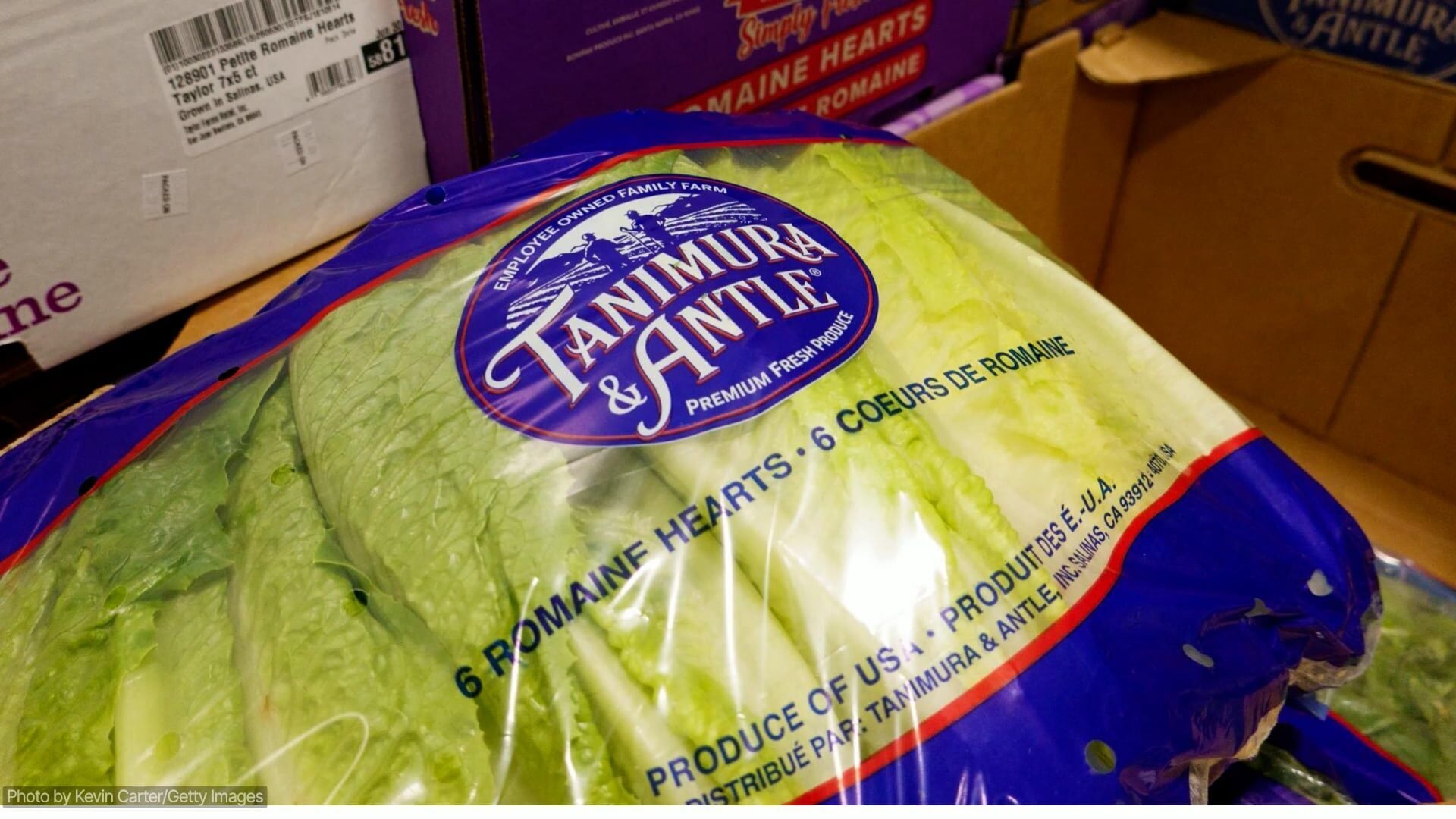
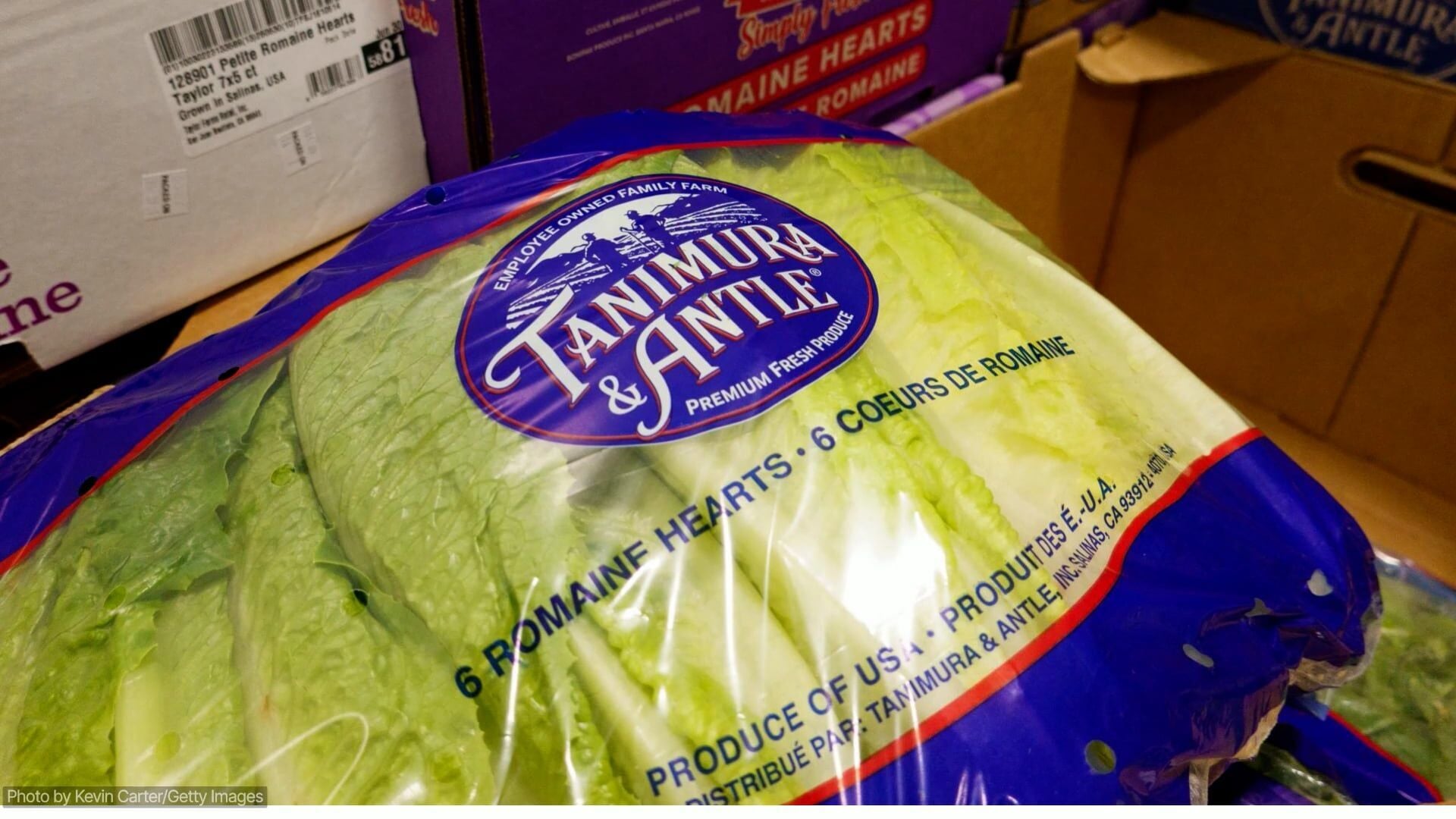
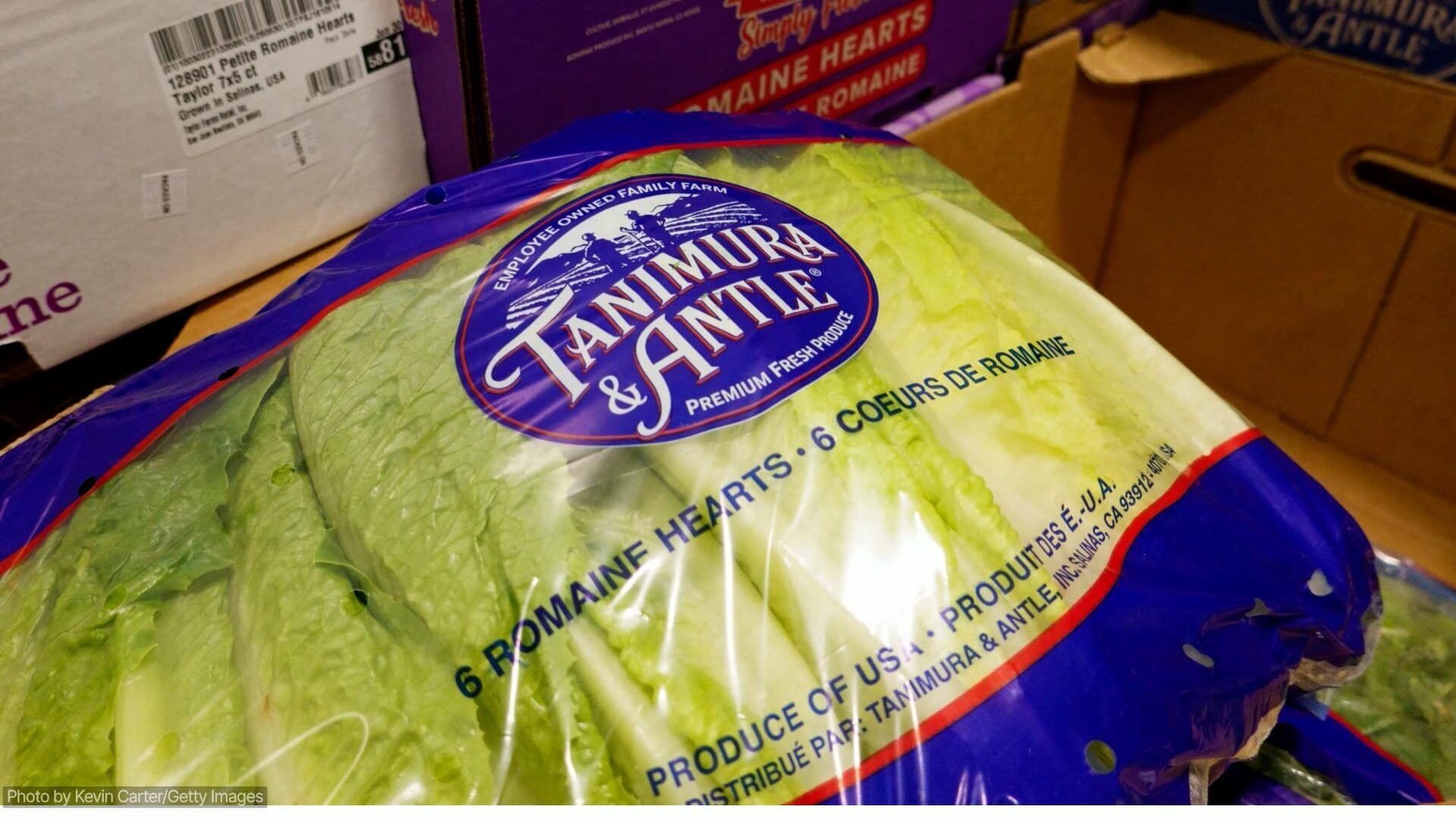
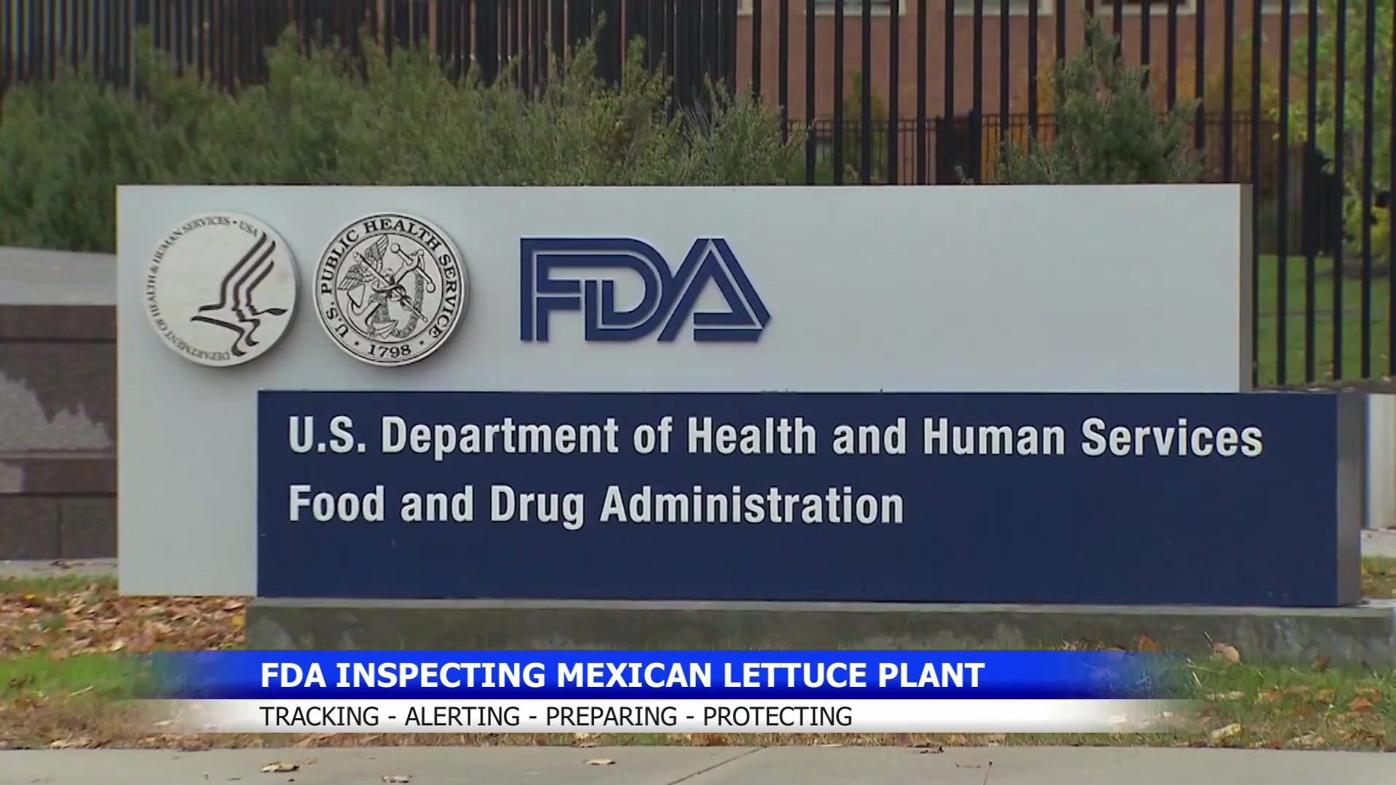
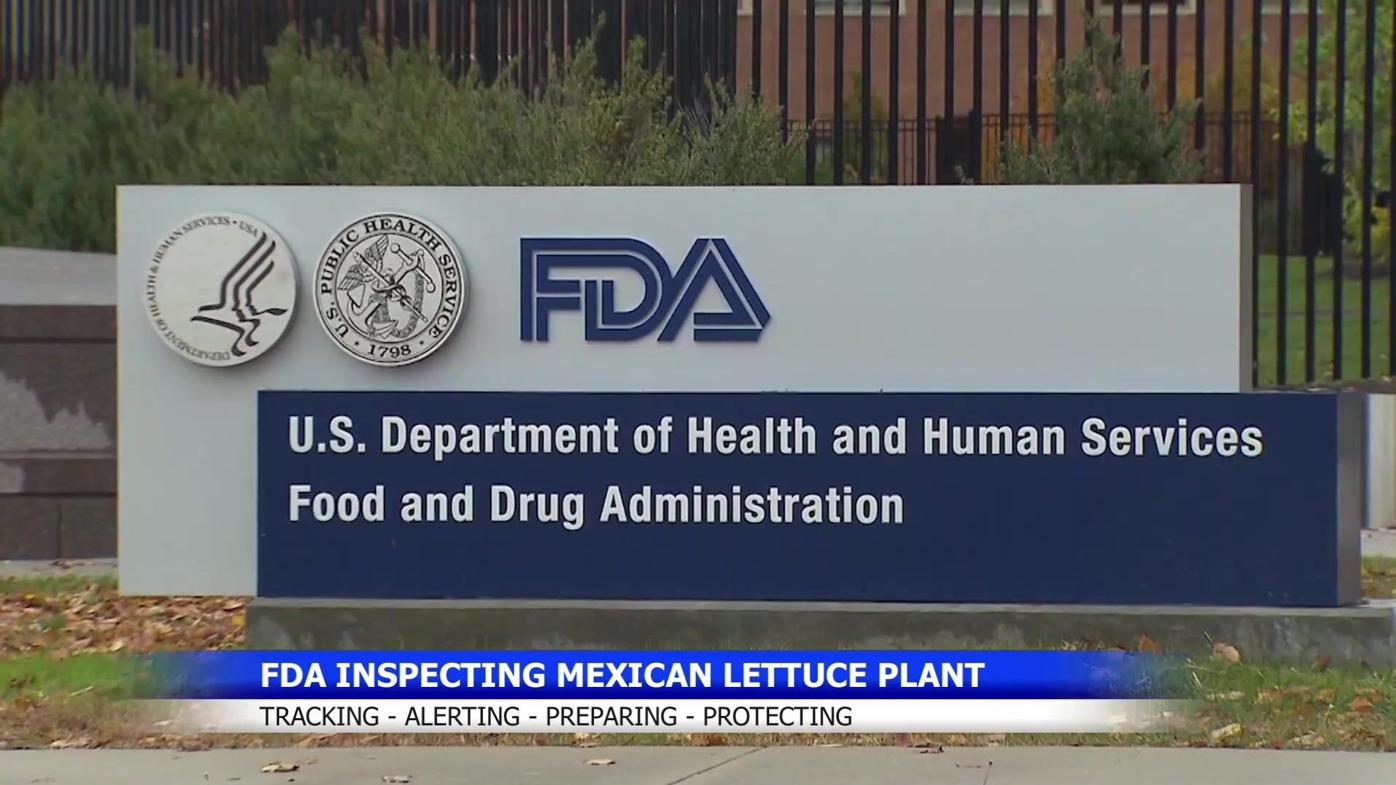
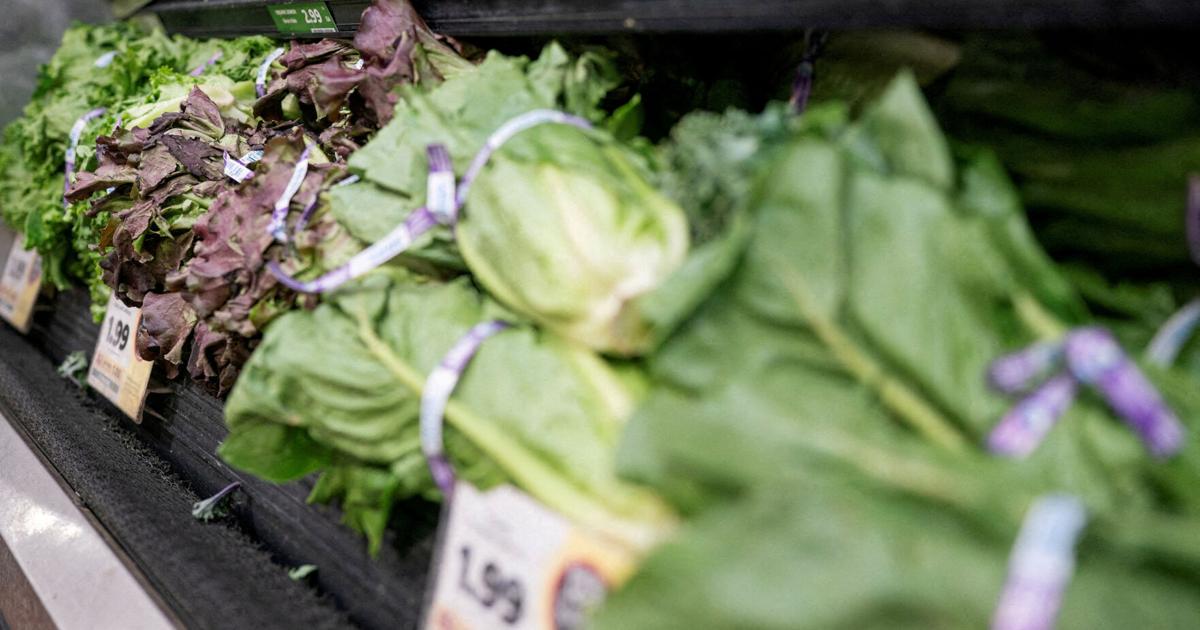
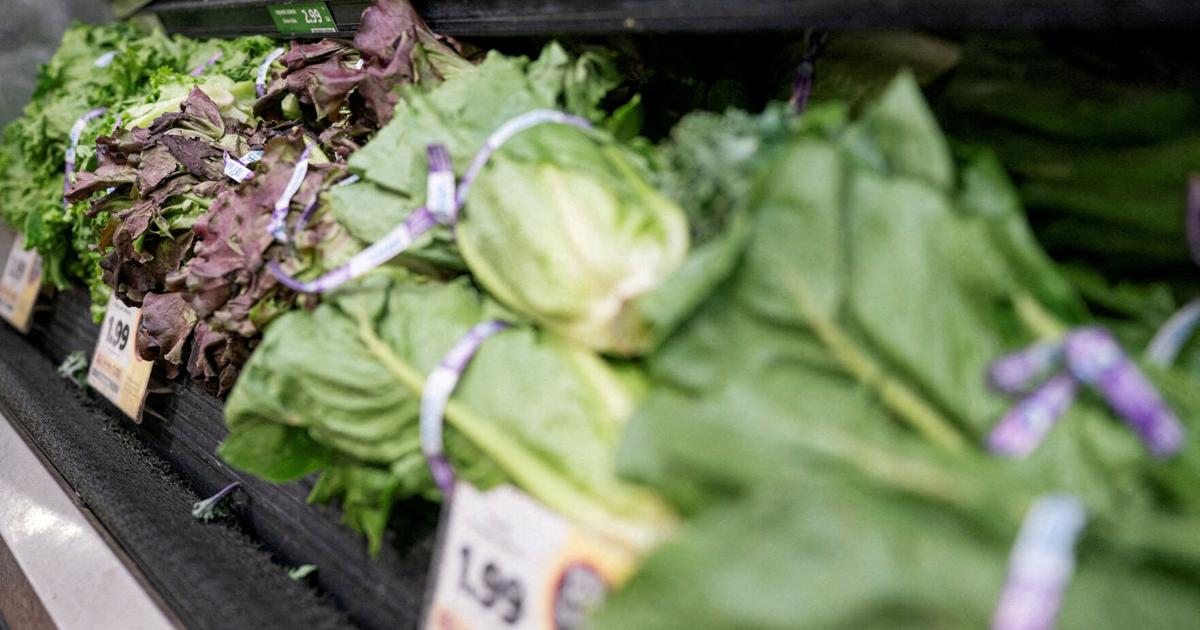
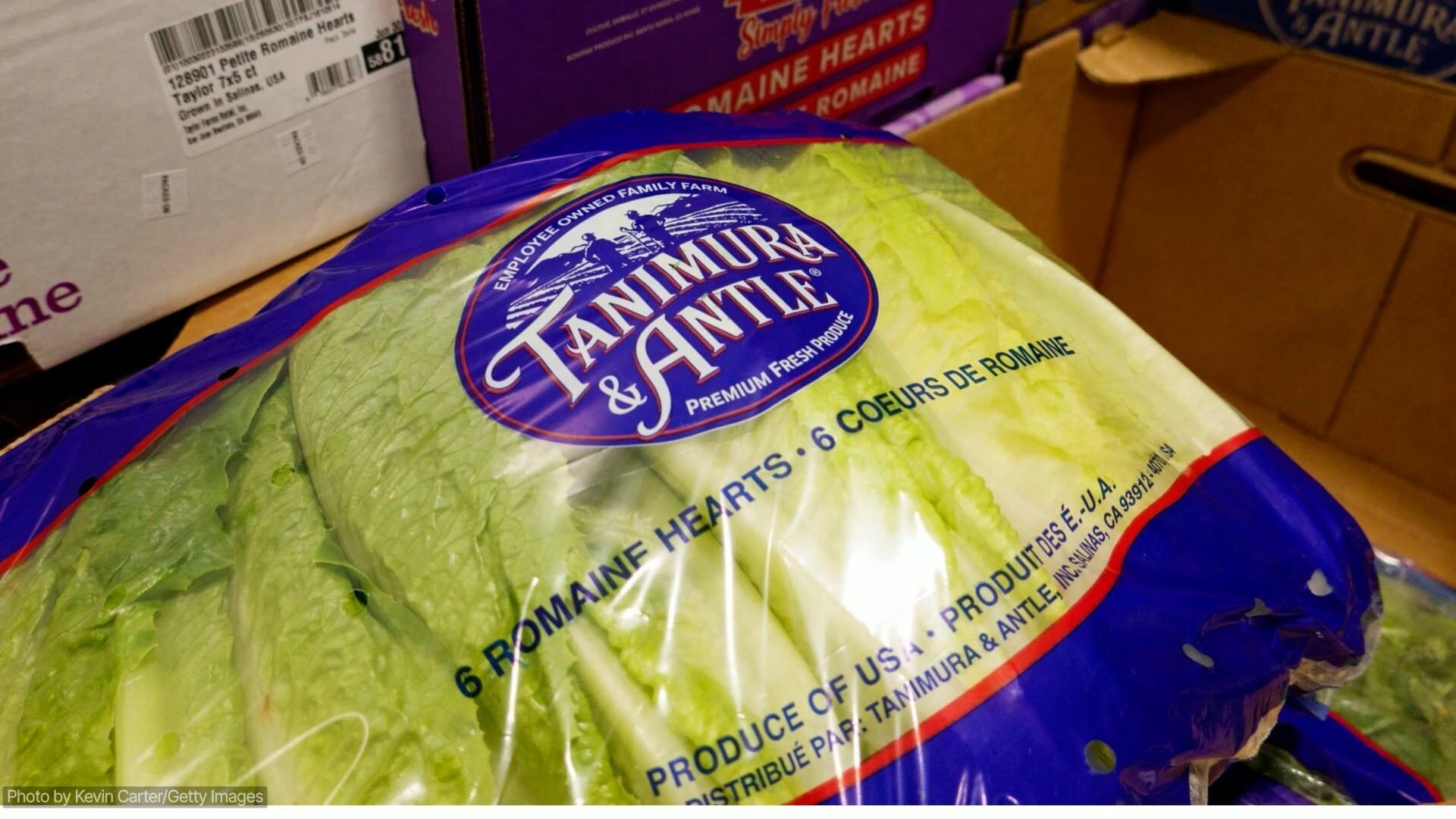
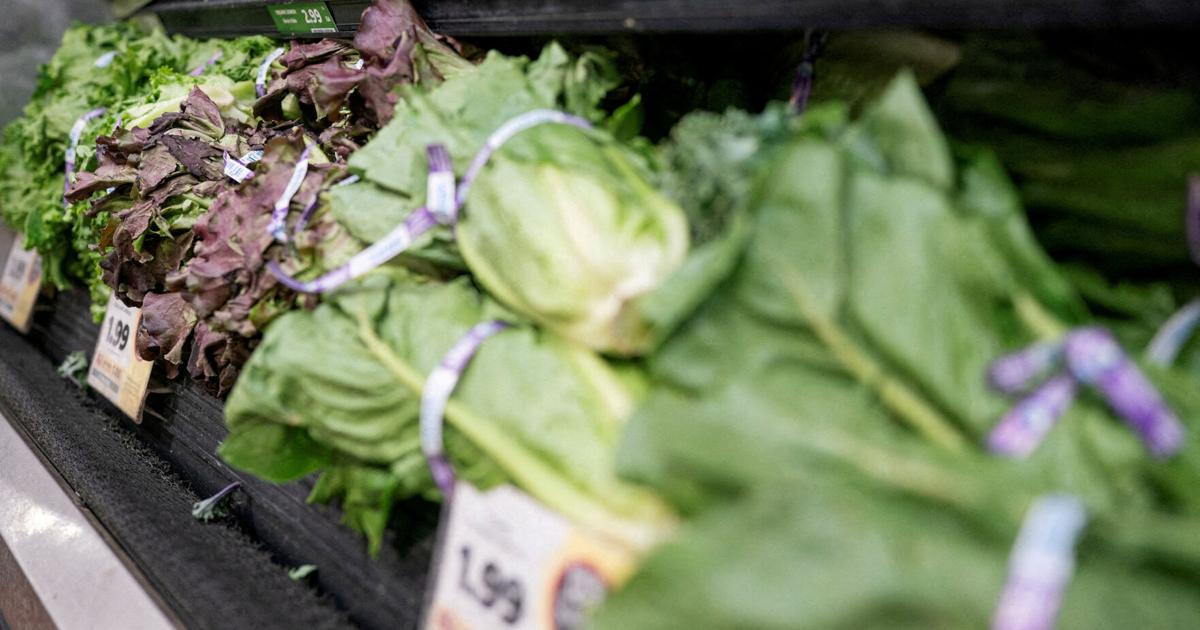
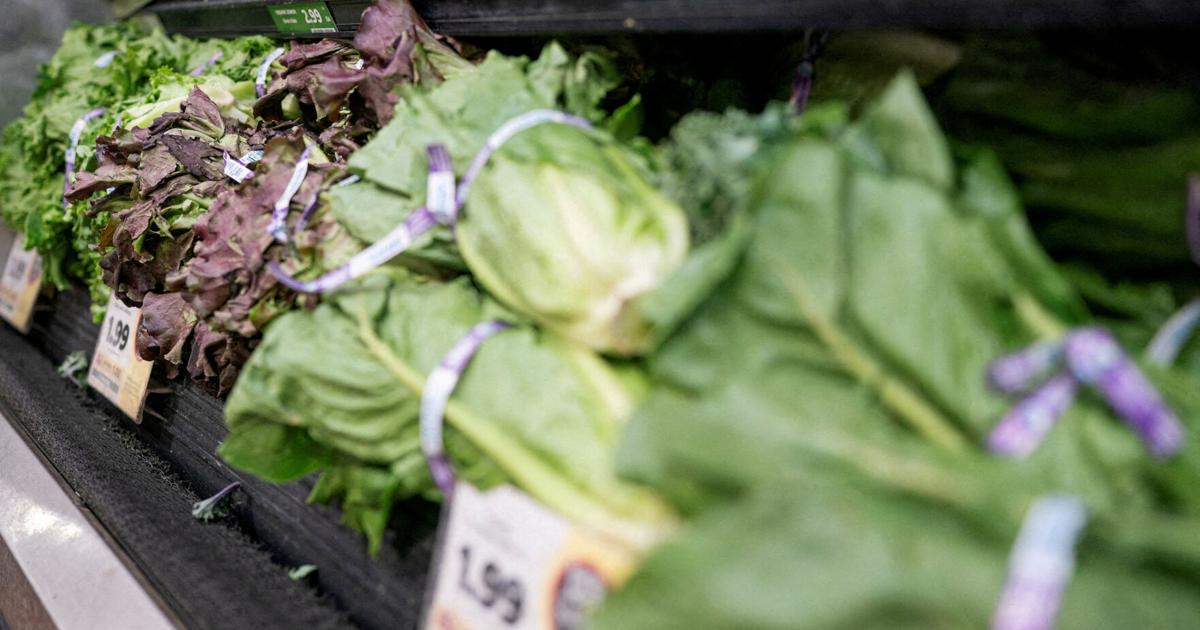
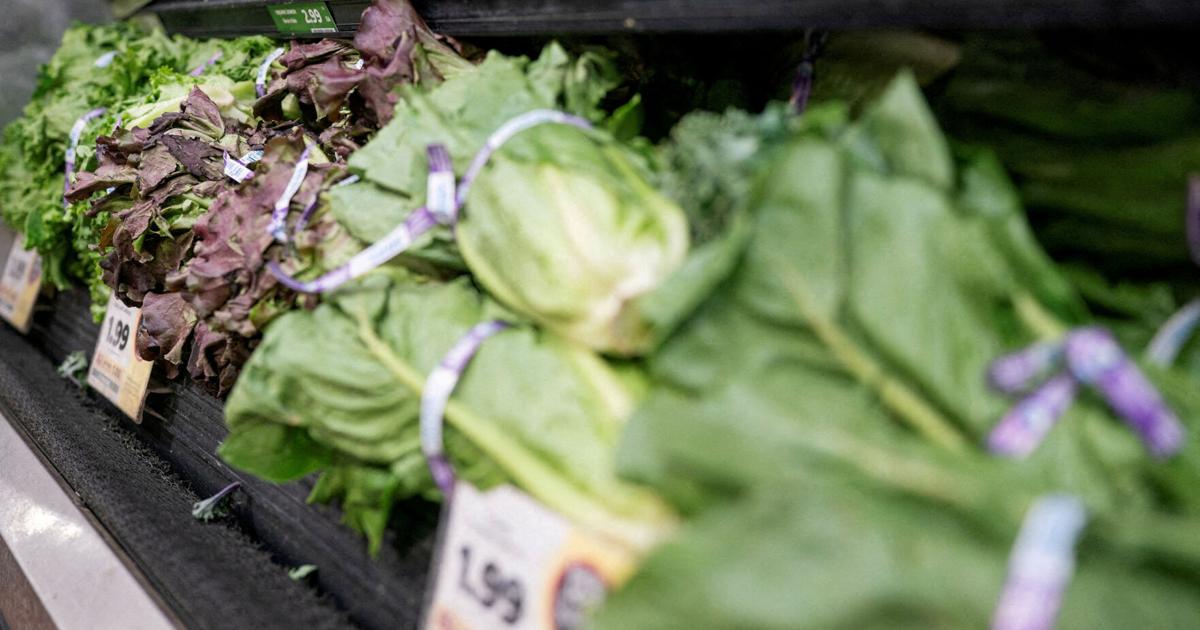
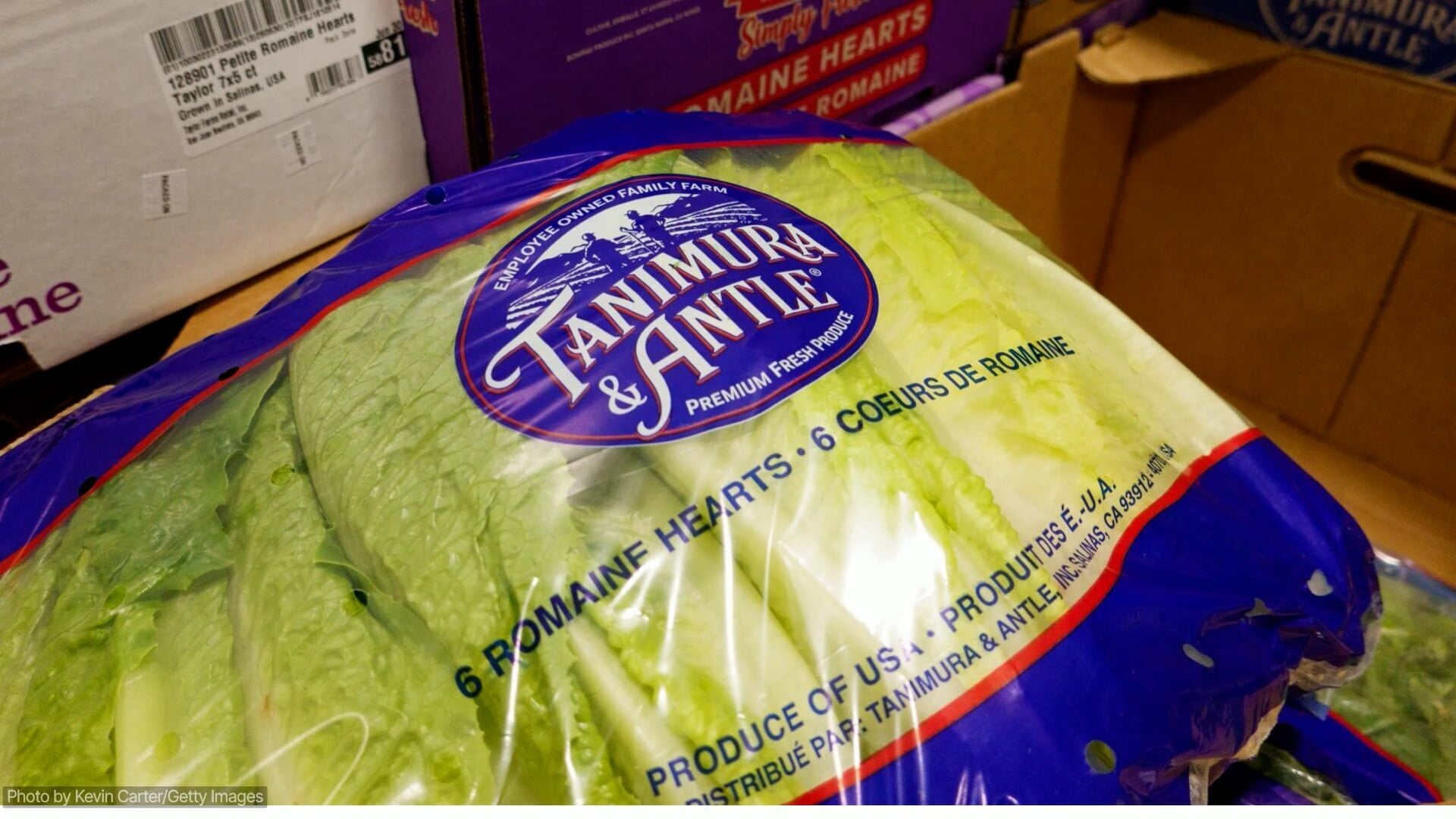
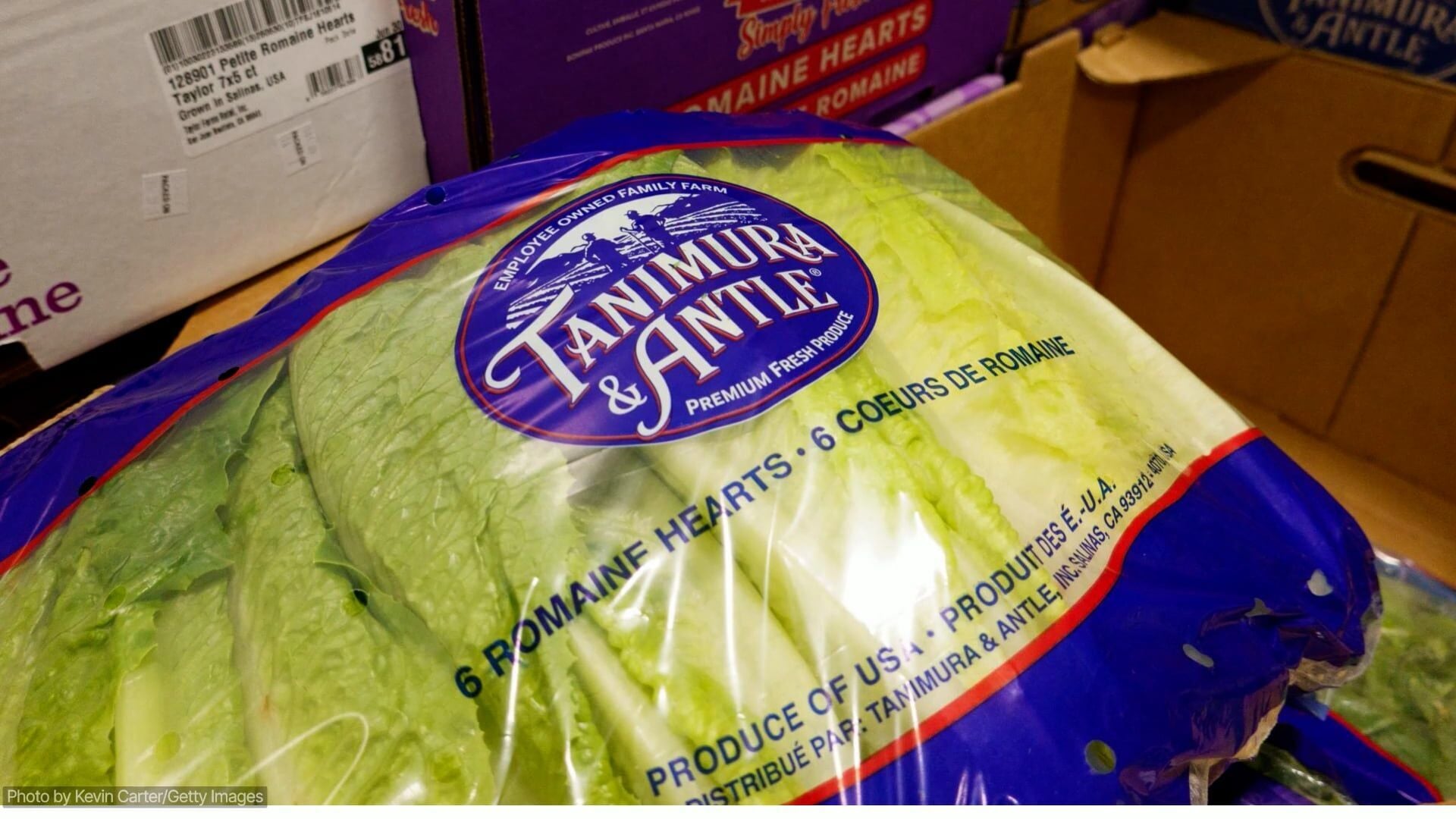
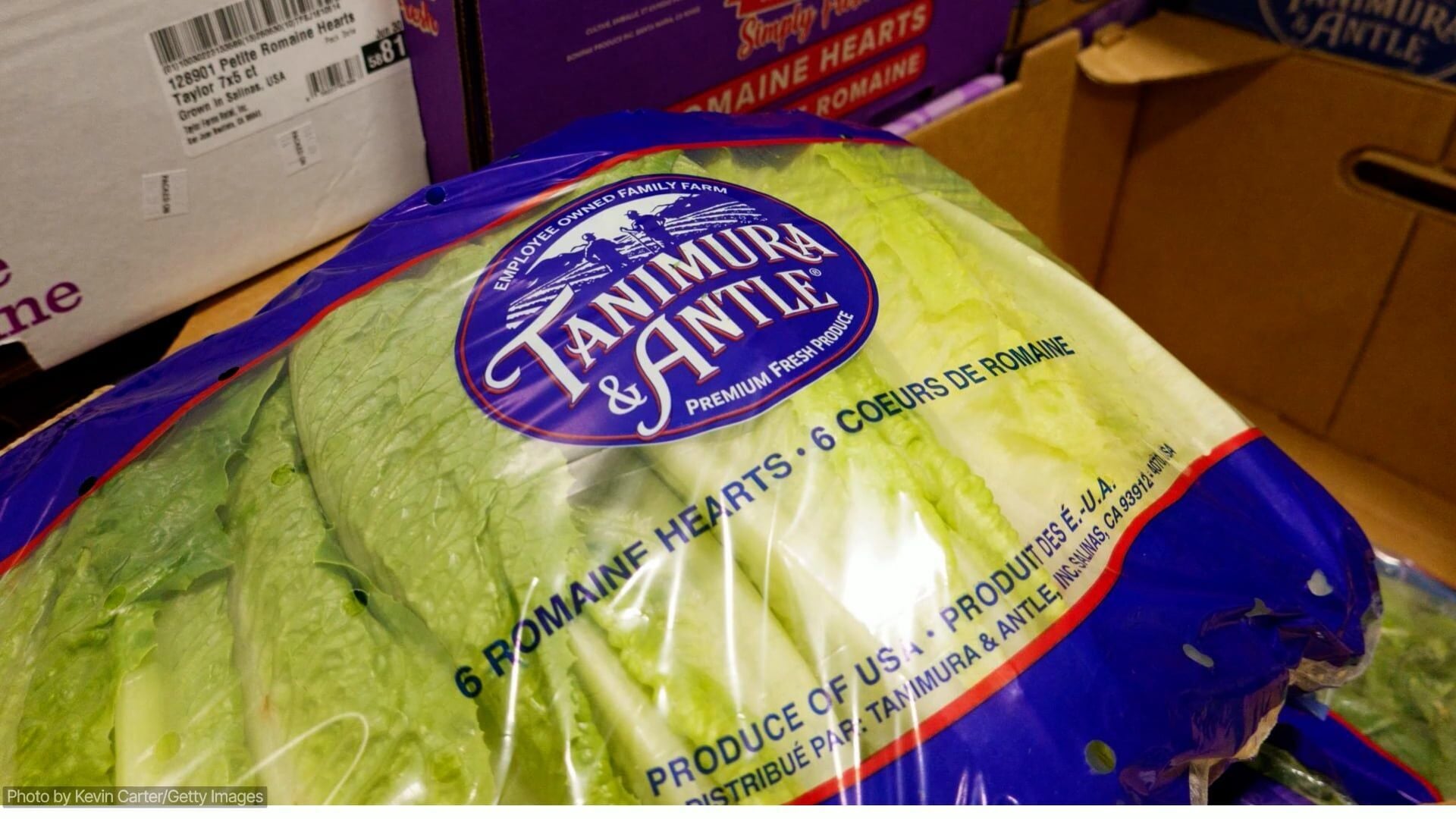
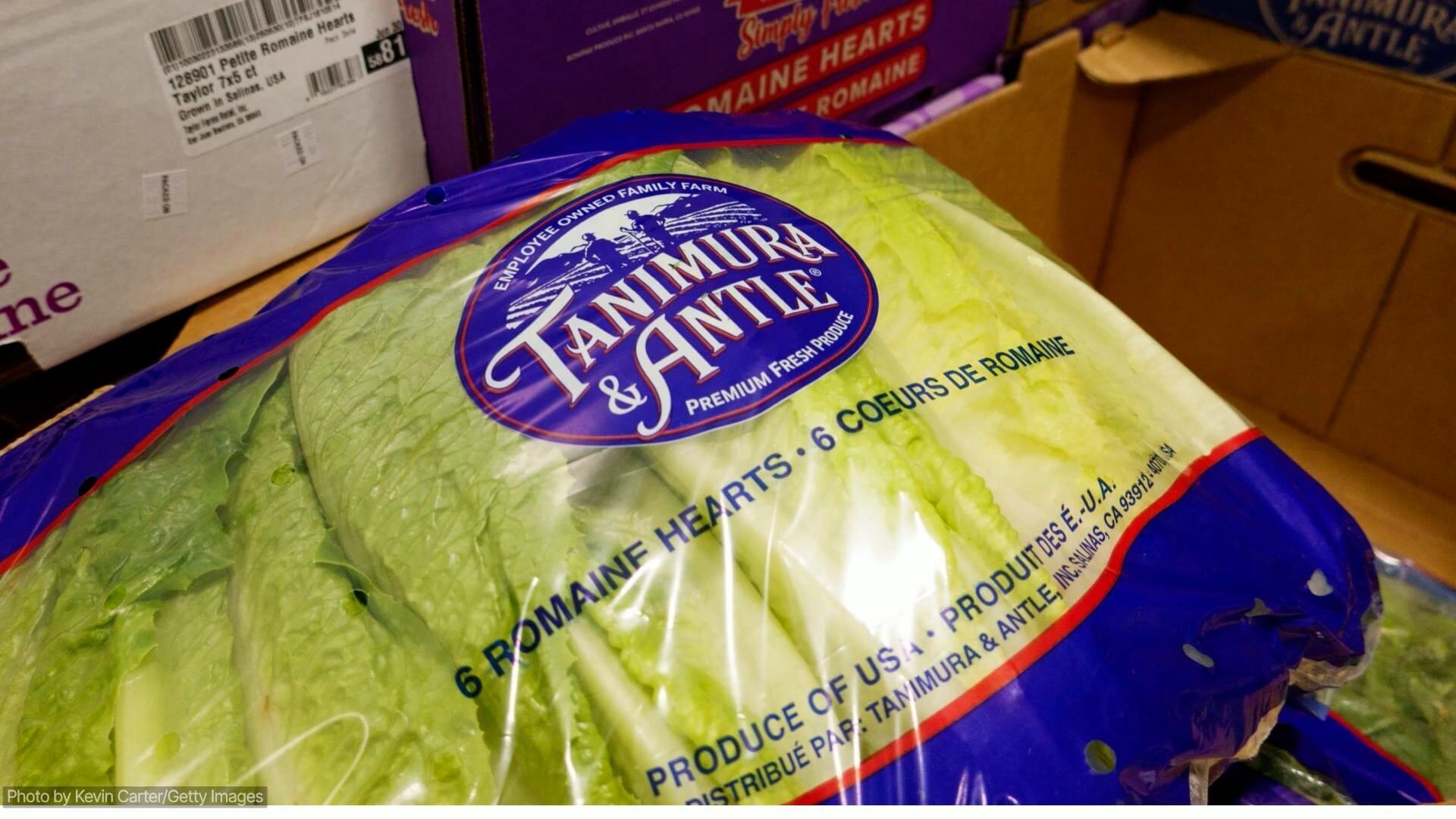
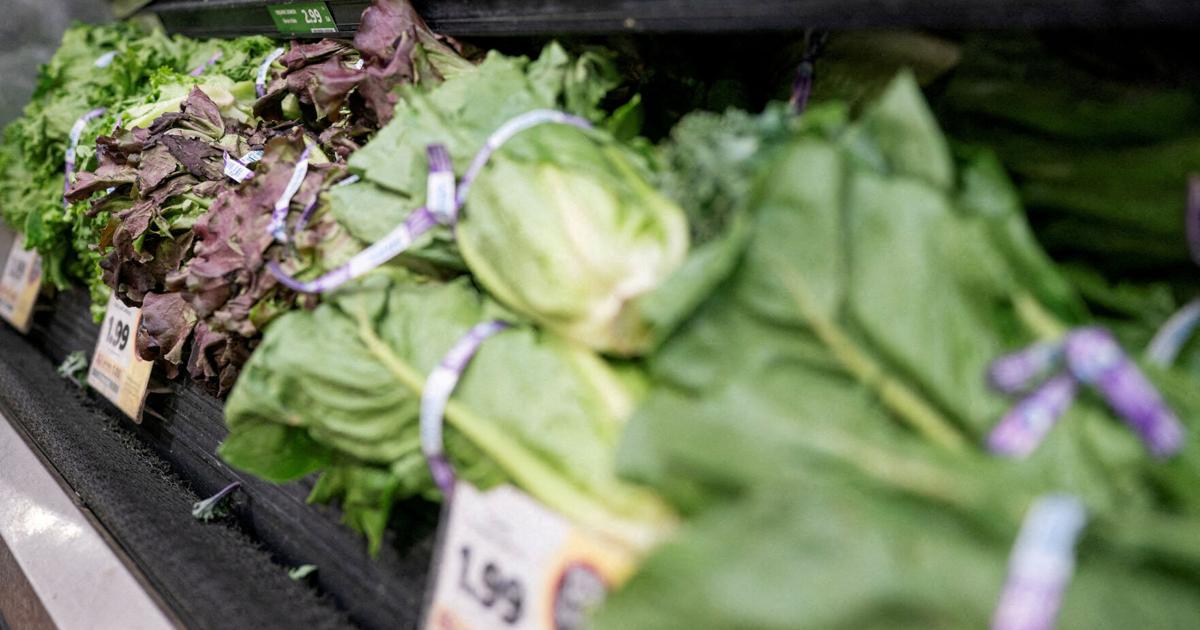
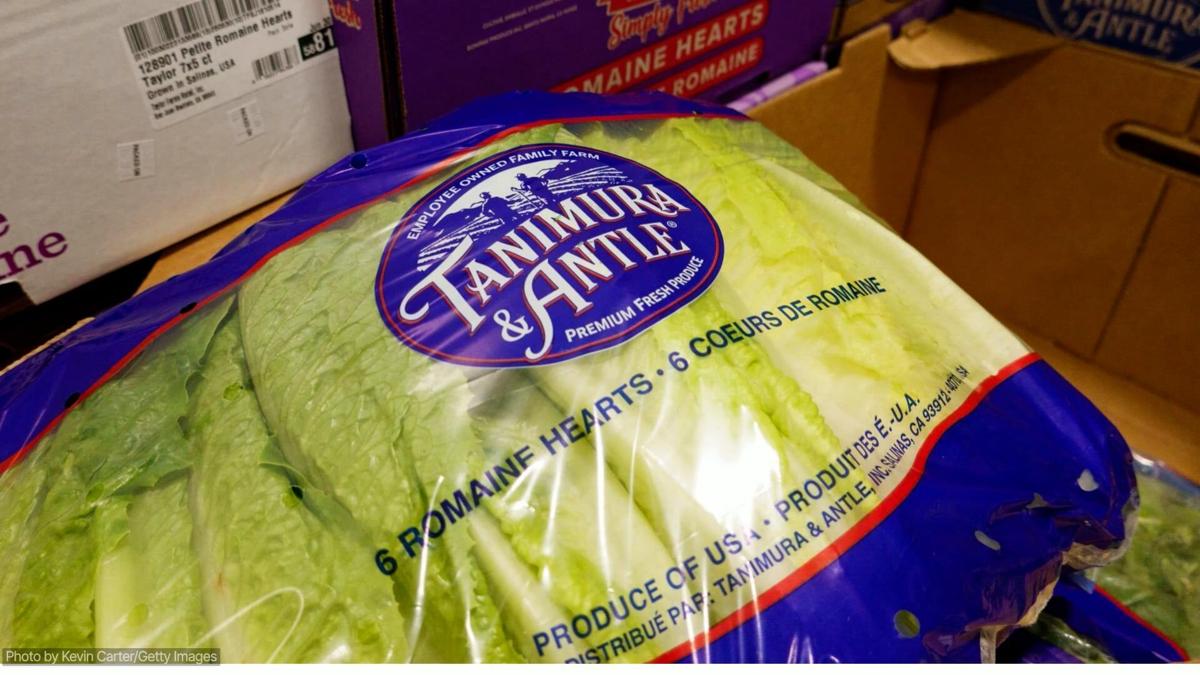
The FDA's August 13, 2026 inspection of Taylor Farms' Guanajuato facility marks a critical inflection point for fresh produce e-commerce compliance. With 13,895 laboratory-confirmed cyclosporiasis cases across 47 states since May 2026 and two deaths linked to contaminated iceberg lettuce, consumer trust in fresh produce supply chains has collapsed. This creates an unprecedented compliance-driven market consolidation opportunity for sellers who can demonstrate FDA certification, FSMA (Food Safety Modernization Act) compliance, and third-party food safety audits.
The Compliance Barrier Creates Market Consolidation: Taylor Farms' suspension of its Central Mexico processing facility and concurrent salmonella recall of jalapeño products illustrates how quickly non-compliant suppliers face market elimination. The FDA's delayed inspection (plant shut July 17, inspected August 13—27-day gap) signals enforcement intensity will increase. Sellers without FSMA compliance documentation, water safety certifications, or third-party audits (SQF, BRC standards) now face de facto market exclusion from major retailers and e-commerce platforms. Industry estimates suggest 40-60% of small-to-medium produce suppliers lack current FSMA compliance, creating a winnowing effect.
Fast-Track Compliance Pathways for Sellers: FSMA compliance certification typically requires 60-90 days and costs $8,000-$25,000 depending on facility size and current infrastructure. Third-party audits (SQF Level 3, BRC Grade A) add 30-45 days and $5,000-$15,000. However, sellers can accelerate compliance through: (1) partnering with certified co-packers (15-30 day timeline), (2) sourcing from pre-certified suppliers with documented water safety protocols, (3) implementing blockchain traceability systems (increasingly required by Amazon Fresh, Whole Foods, and regional retailers). The cost-benefit is compelling: compliant sellers can command 15-25% price premiums and secure exclusive shelf space as retailers demand verified supply chains.
Market Elimination Rate and Alternative Categories: The outbreak has triggered recalls affecting an estimated 30-40% of Central Mexico-sourced lettuce and jalapeño suppliers. This creates immediate opportunities in: (1) domestically-sourced organic lettuce (California, Arizona producers with existing FSMA compliance), (2) hydroponic/controlled-environment agriculture (CEA) lettuce with zero-contamination risk profiles, (3) pre-packaged salad kits with extended shelf life and documented safety protocols, (4) supplement/wellness products marketed as "outbreak-proof" alternatives to fresh produce. Sellers pivoting to these categories can capture market share within 30-60 days.
Compliance Service Gaps and Emerging Opportunities: The outbreak has created acute demand for: (1) FSMA compliance consulting ($150-300/hour), (2) water safety testing and certification services, (3) blockchain traceability platforms for produce (currently $2,000-$8,000/month for small suppliers), (4) insurance products covering food safety liability (premiums rising 20-30% post-outbreak), (5) third-party audit facilitation services. Service providers can scale rapidly given the regulatory urgency.
Questions 8
What price premium can compliant produce sellers command in the market?
Compliant produce sellers with documented FSMA certification, third-party audits, and water safety protocols can command 15-25% price premiums over non-compliant suppliers. The 13,895-case outbreak has created consumer demand for verified, safe produce, enabling retailers to justify higher prices for certified products. Sellers can also secure exclusive shelf space and direct retailer partnerships, increasing volume by 30-50%. The compliance investment ($8,000-$25,000) typically pays for itself within 6-12 months through premium pricing and volume growth.
How does the Taylor Farms inspection timeline affect seller compliance urgency?
Taylor Farms suspended processing July 17, 2026 but the FDA inspection didn't begin until August 13—a 27-day gap that critics note compromised evidence collection. This delayed enforcement pattern suggests sellers have a narrow 30-45 day window to achieve compliance before FDA enforcement intensity increases. Retailers are already implementing stricter supplier vetting, with Amazon Fresh and Whole Foods requiring documented FSMA compliance for all new produce suppliers. Sellers who delay compliance face retailer delisting, platform suspension, and potential FDA enforcement actions. Immediate action (within 15 days) is critical.