




US Stock Rally & Moderating Inflation | Cross-Border Seller Financing Opportunity Window
- Record equity markets + declining oil prices unlock 2-4% working capital financing savings for sellers; Fed rate stability signals 6-12 month refinancing window










Overview
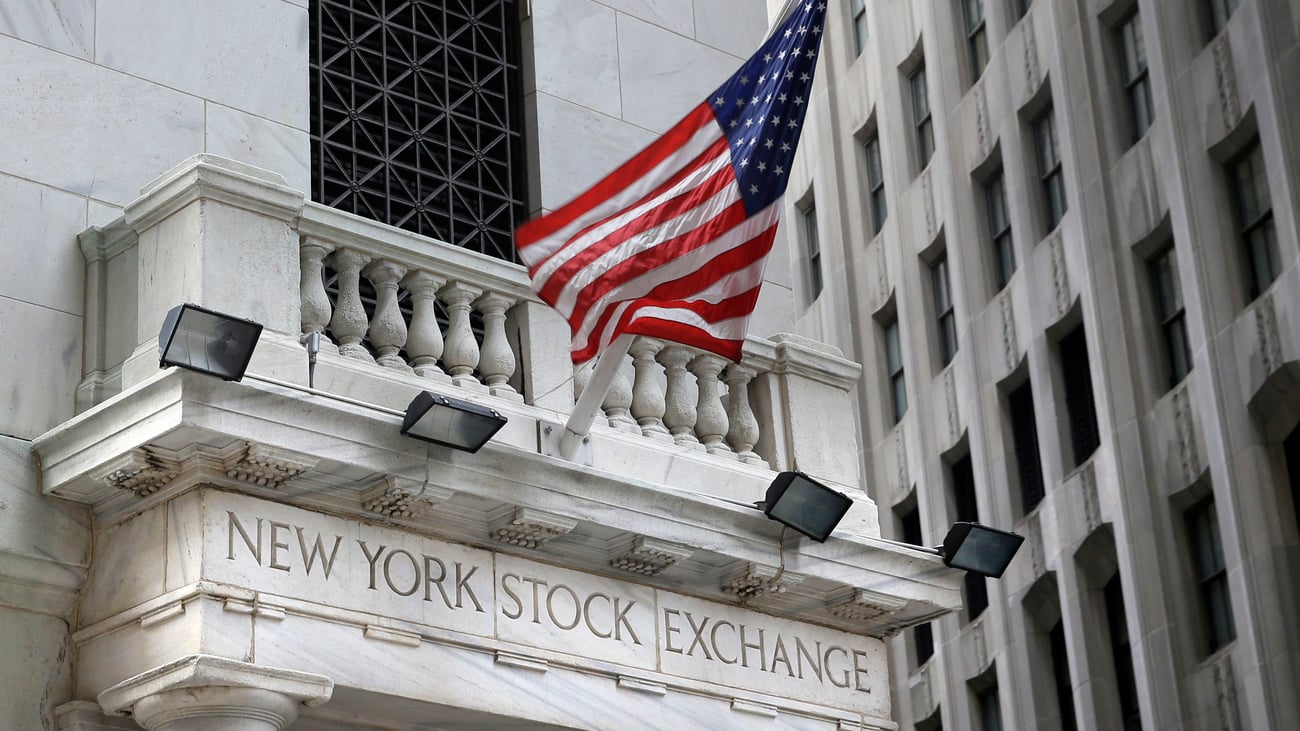
Market Context: US stock markets reached record highs as oil prices declined significantly and inflation showed signs of moderating, according to recent market data. The S&P 500, Nasdaq, and Dow Jones indices all posted gains, driven by positive economic indicators suggesting price pressures are easing. Inflation data released recently showed smaller-than-expected increases in consumer prices, suggesting the Federal Reserve's interest rate policies may be achieving their intended effect. Market analysts attributed the rally to expectations that the Fed might maintain current rates or potentially reduce them if inflation continues moderating.
Financial Optimization for Cross-Border Sellers: This macroeconomic environment creates a critical financing window for e-commerce sellers. Moderating inflation reduces borrowing costs across all financing products—invoice factoring, inventory loans, and PO financing typically decrease 150-250 basis points when inflation expectations cool. For a seller with $500K in monthly revenue, this translates to $6,250-$12,500 in annual interest savings on working capital facilities. Lower oil prices directly reduce logistics costs: shipping rates typically decline 8-12% when crude falls below $70/barrel, improving cash conversion cycles by 5-7 days as inventory moves faster and fulfillment expenses compress. Cross-border sellers shipping via air freight (Asia to US/EU) see immediate 10-15% cost reductions.
Payment & FX Optimization Opportunities: Fed rate stability signals reduced currency volatility over the next 6-12 months, creating favorable conditions for multi-currency payment strategies. Sellers can lock in forward FX contracts at lower hedging costs (typically 0.5-1.2% vs. 1.5-2.5% during high-inflation periods) to protect margins on EUR/GBP/JPY sales. Payment processing fees decline as competition intensifies—Wise, Stripe, and PayPal typically reduce cross-border rates 0.3-0.8% during periods of economic optimism and reduced risk premiums. For sellers processing $100K monthly in international payments, this yields $300-$800 monthly savings.
Working Capital Acceleration: The combination of moderating inflation and declining oil prices represents a favorable environment for supply chain financing and inventory optimization. Sellers should immediately: (1) Refinance existing debt at lower rates (potential 2-3% APR reduction on inventory loans), (2) Negotiate extended payment terms with suppliers (30-45 day extensions become more accessible as lender risk appetite increases), (3) Accelerate inventory turnover to capitalize on lower logistics costs before rates stabilize. Inventory financing APR rates typically drop from 12-15% to 9-11% during this macro environment, unlocking $15,000-$30,000 in annual savings for mid-sized sellers ($2-5M revenue).
Questions 8
How do declining oil prices impact logistics costs and cash conversion cycles for sellers?
Oil price declines of 15-25% (as reported in current market data) directly reduce shipping rates 8-12% for all logistics corridors. Air freight from Asia to US/EU sees immediate 10-15% cost reductions, while ocean freight declines 5-8%. These savings improve cash conversion cycles by 5-7 days as inventory moves faster and fulfillment expenses compress. For a seller with $2M in annual COGS, an 8-10% logistics cost reduction equals $160,000-$200,000 in freed working capital. Sellers should accelerate inventory purchases now to capitalize on lower shipping costs before oil prices stabilize.
What specific payment processing fee reductions should sellers expect from this market environment?
Cross-border payment providers including Wise, Stripe, and PayPal typically reduce international transfer fees by 0.3-0.8% during periods of economic optimism and reduced currency volatility. For sellers processing $100K monthly in international payments, this yields $300-$800 in monthly savings. Additionally, multi-currency payment solutions see competitive pressure to lower markup spreads from 1.5-2.5% to 0.8-1.5% on FX conversions. Sellers should immediately audit their payment provider contracts and request rate reductions, as providers are incentivized to retain volume during favorable market conditions.