



ChatGPT Computer History Automates Seller Workflows | AI-Powered Task Automation for E-Commerce Operations
- OpenAI launches macOS activity tracking for ChatGPT Pro/Business/Enterprise; enables workflow automation, task discovery, and operational efficiency gains for e-commerce teams managing multi-channel operations
















Overview
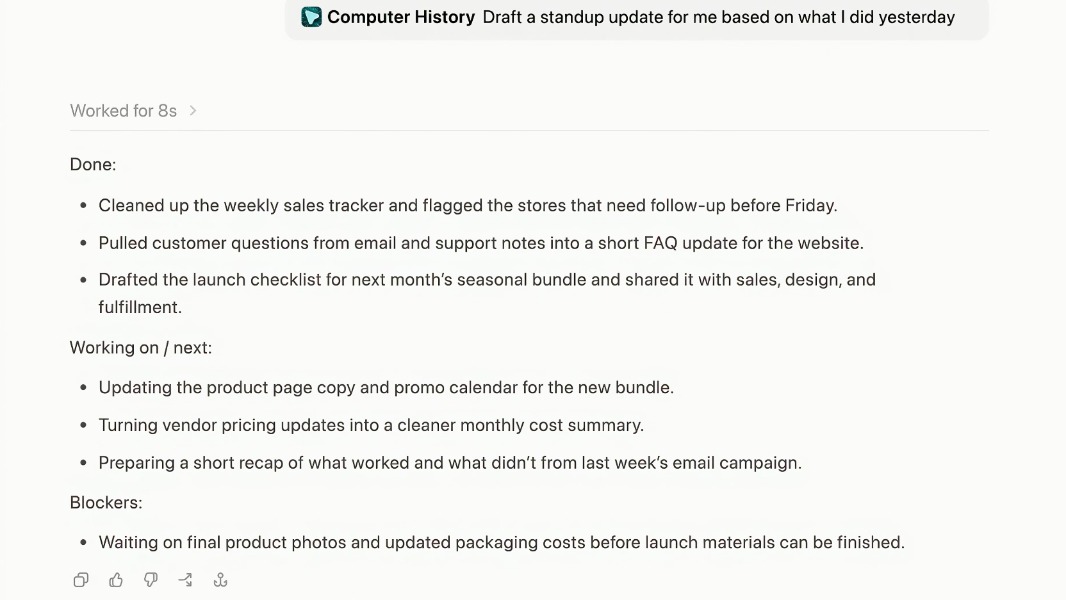
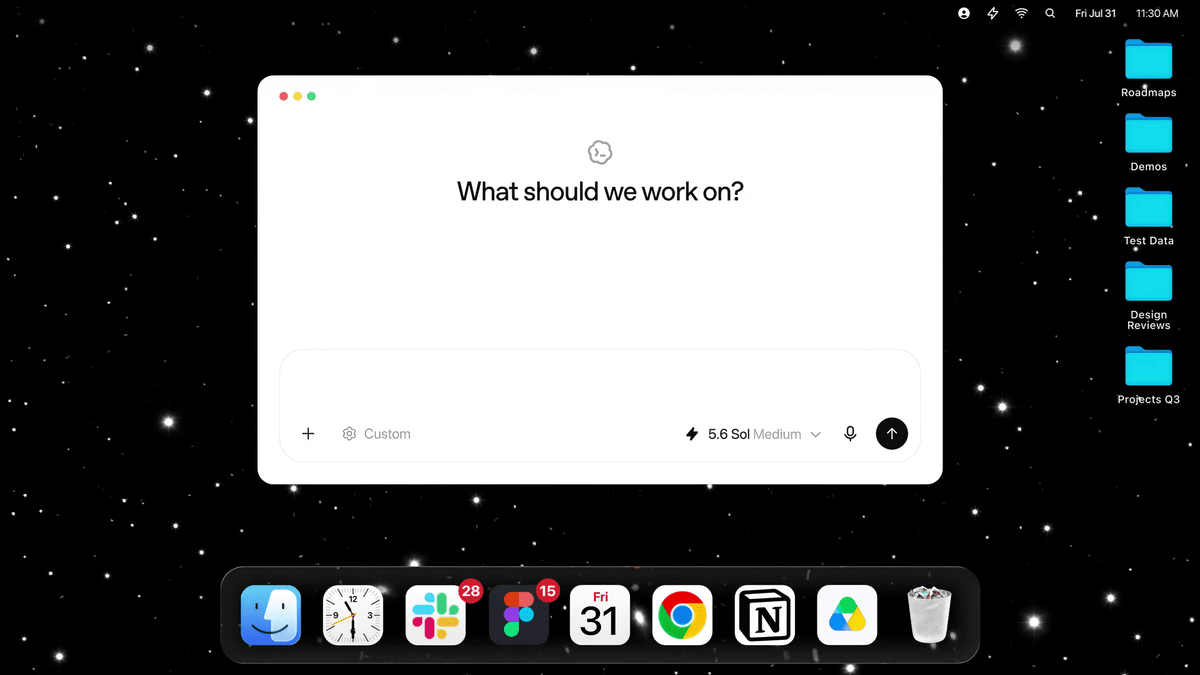
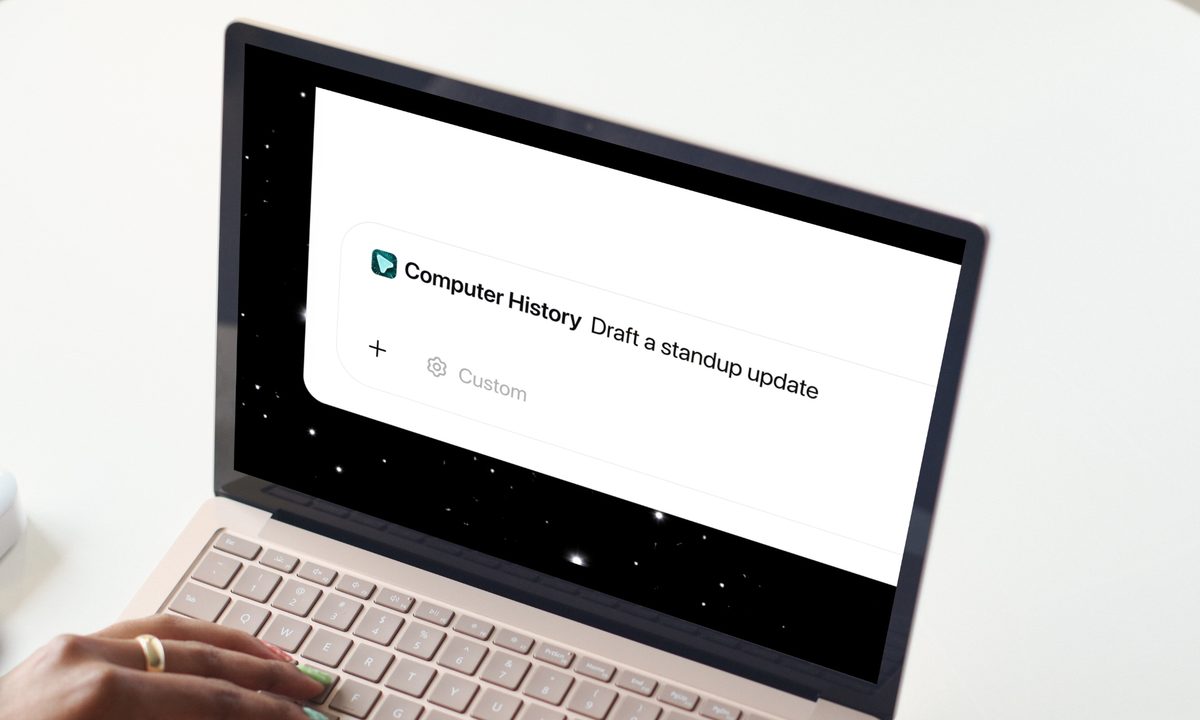
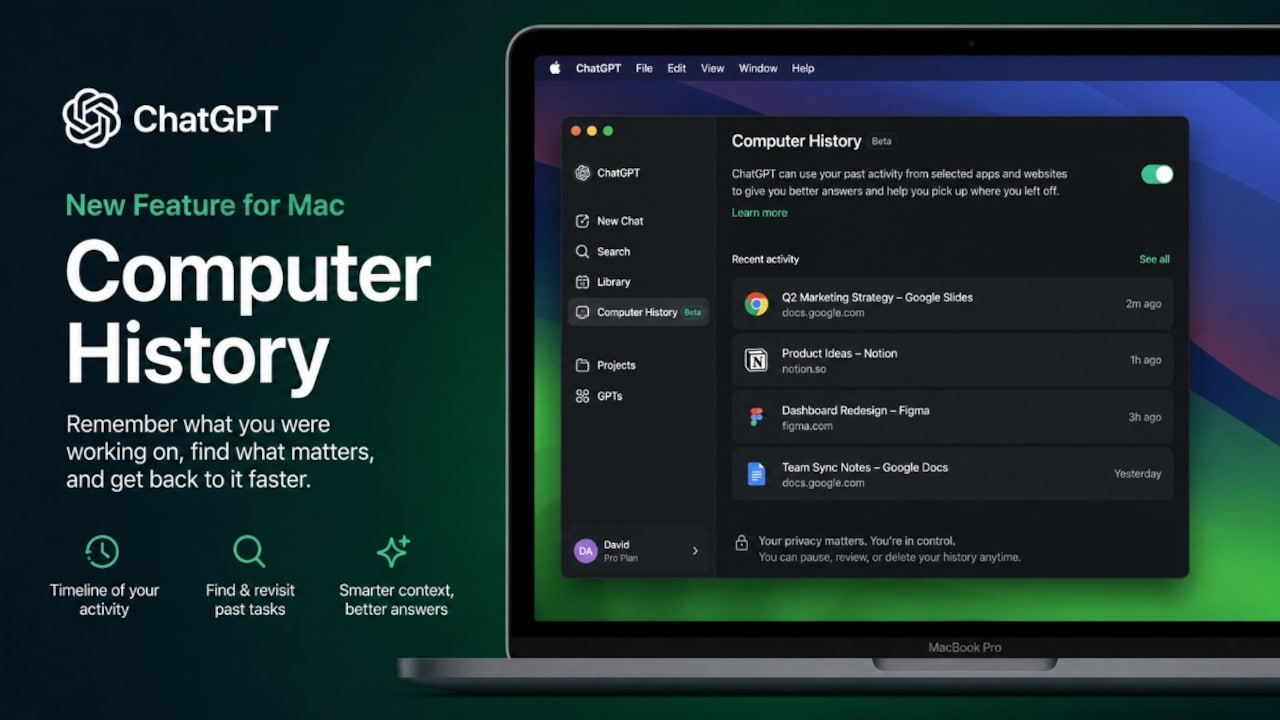
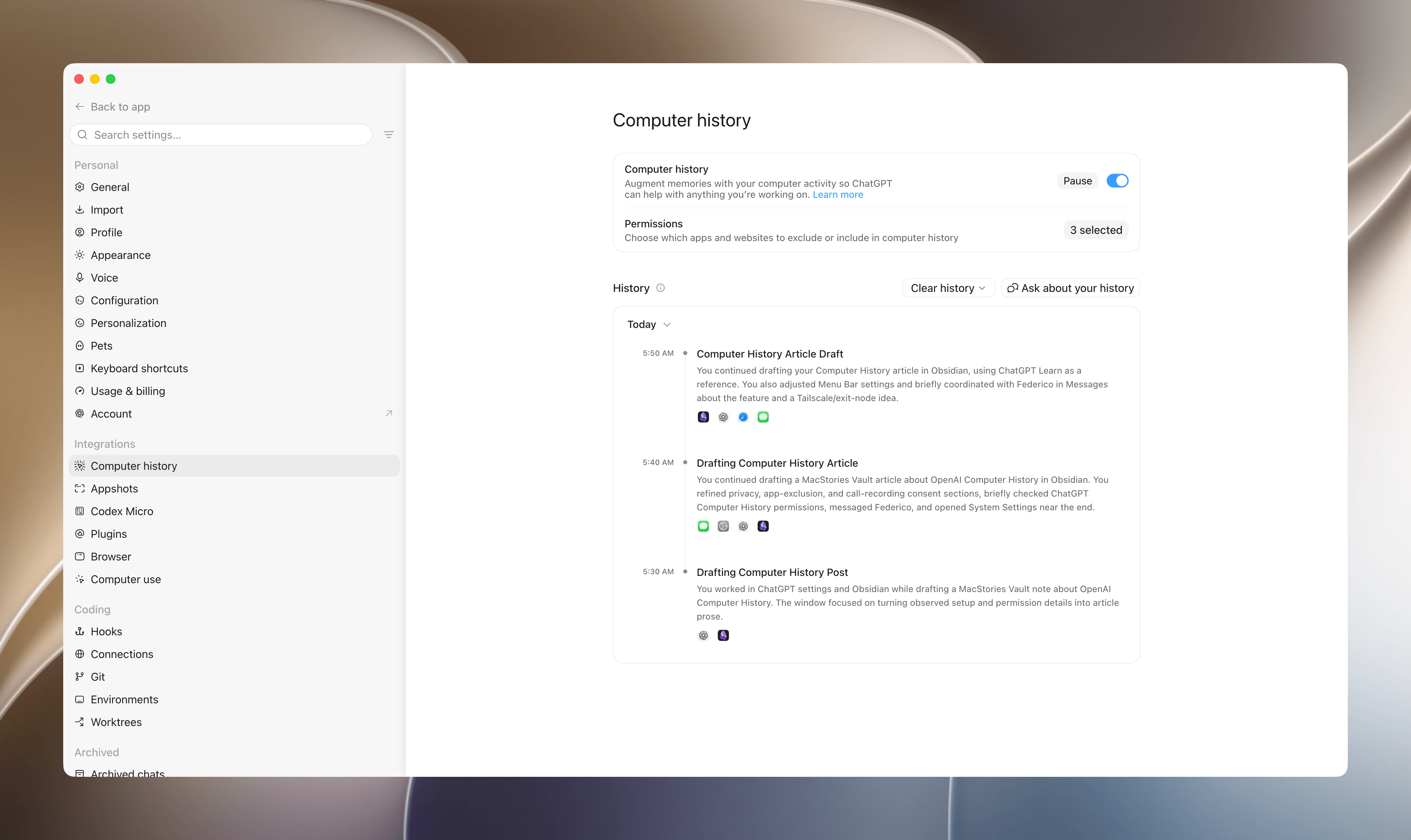
OpenAI's Computer History feature represents a critical productivity breakthrough for e-commerce sellers managing complex, repetitive workflows across multiple platforms and applications. Launched this week for ChatGPT Pro, Business, and Enterprise subscribers on macOS, Computer History tracks user interactions (clicks, typing, app switches, keyboard shortcuts) across permitted applications and websites, converting activity into searchable timelines and AI-generated summaries. The feature enables ChatGPT to understand seller workflows, surface automation opportunities, and execute repeatable tasks—directly addressing the operational bottleneck that costs e-commerce teams 10-15 hours weekly in manual task management.
For e-commerce sellers, Computer History unlocks immediate automation wins across three critical areas: (1) Inventory & Listing Management: Sellers can ask ChatGPT to "summarize my product research from today" or "list all SKUs I updated this week," enabling AI to track Amazon Seller Central, eBay, Shopify, and Etsy activities simultaneously and generate consolidated reports—saving 3-5 hours weekly on manual documentation. (2) Order & Customer Service Workflows: The feature captures customer email threads, support ticket interactions, and refund processing sequences, allowing ChatGPT to identify patterns (e.g., "I process returns on Mondays") and automate routine responses or flag high-priority issues—reducing CS response time by 25-40%. (3) Pricing & Competitive Intelligence: Sellers monitoring competitor prices across multiple marketplaces can leverage Computer History to track price-checking activities, enabling ChatGPT to automatically update pricing rules or alert sellers to market shifts—compressing pricing analysis from 2 hours to 15 minutes daily.
The competitive advantage window is immediate but time-limited. Early adopters using Computer History to automate product research, listing optimization, and customer service workflows will gain 5-8 hours weekly of freed capacity—equivalent to hiring a part-time operations assistant at $15-20/hour. This translates to $39,000-52,000 annual value per seller. However, the feature currently excludes EU/UK/Switzerland markets (rollout pending), limiting adoption for European sellers until Q1 2025. Additionally, Computer History consumes ChatGPT tokens during summarization (increasing operational costs by 15-25% for heavy users), and unencrypted local storage creates compliance risks for sellers handling customer PII or financial data—requiring careful application exclusion (health, financial, personal information apps must be disabled). The 48-hour temporary memory retention window means sellers must actively prompt ChatGPT to preserve insights, or risk losing automation opportunities.
Immediate seller actions: Enable Computer History in ChatGPT Settings > Integrations for macOS users managing 5+ daily applications; exclude payment processors, customer databases, and email containing PII; test automation on low-risk workflows (pricing research, competitor monitoring) before deploying to customer-facing processes. Strategic sellers should map their top 3 repetitive tasks (estimated 5-10 hours weekly) and design ChatGPT prompts to automate them within 30 days, capturing the early-mover advantage before competitors adopt the feature.
Questions 8
When will Computer History be available for Windows and mobile sellers?
OpenAI has not announced a timeline for Windows or mobile app availability. Computer History is currently exclusive to macOS, limiting adoption to sellers using Apple computers. The feature is also unavailable in EU/UK/Switzerland markets, with rollout expected in the following weeks. Sellers using Windows systems should monitor OpenAI announcements for Windows Recall integration or alternative AI automation tools. For now, Computer History adoption is restricted to macOS-based sellers in US and most non-EU regions. This creates a competitive advantage window for Mac-using sellers to establish automation workflows before broader platform availability.
How should sellers configure Computer History to maximize automation while minimizing risks?
Sellers should enable Computer History through ChatGPT Settings > Integrations > Computer History and selectively choose which applications and websites to track. Best practices: (1) Include low-risk applications (Amazon Seller Central, Shopify admin, pricing tools, competitor research sites); (2) Exclude payment processors, customer databases, email, and financial applications; (3) Pause collection during sensitive communications or when discussing customer data; (4) Review and delete history entries regularly (48-hour temporary retention for sensitive data); (5) Enable macOS disk encryption for additional protection. Test automation on non-critical workflows first (pricing research, competitor monitoring) before deploying to customer-facing processes. Monitor token consumption weekly and adjust tracking scope if costs exceed 20% of ChatGPT budget.