



USD1 Stablecoin Banking Charter Approval | Cross-Border Payment Disruption for E-Commerce Sellers
- OCC grants World Liberty Financial banking charter to issue USD1 stablecoin; creates new payment corridor for sellers with potential 2-4% fee reduction vs traditional processors; regulatory precedent may accelerate crypto payment adoption across e-commerce platforms by Q2 2025












Overview
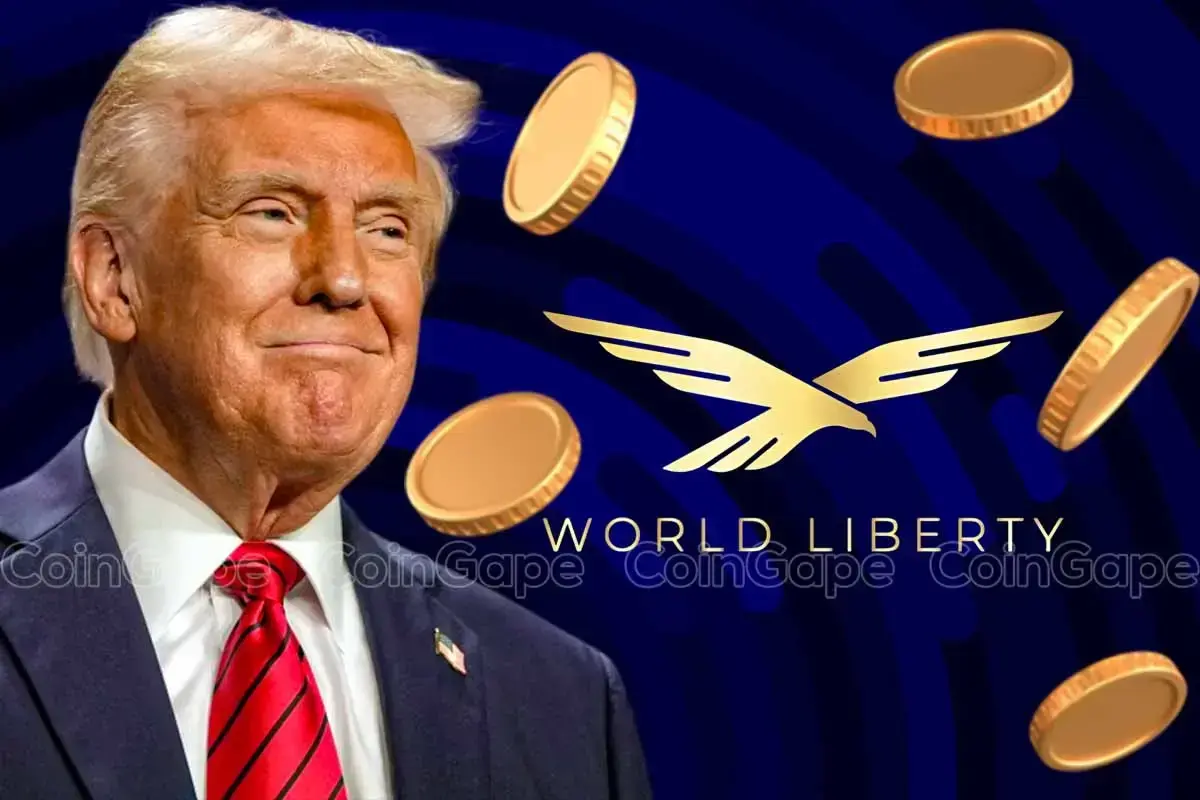
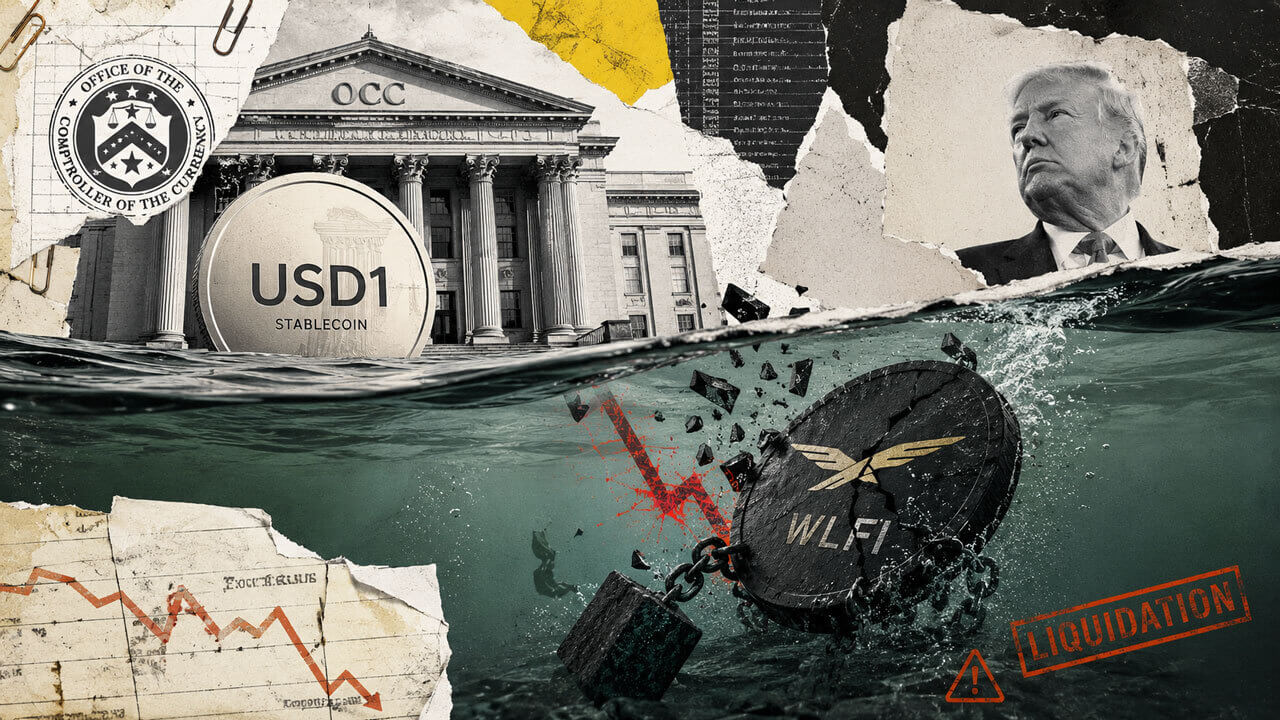
The Office of the Comptroller of the Currency (OCC) announced conditional approval for World Liberty Financial to receive a banking charter, enabling direct issuance of USD1 stablecoin within the United States without intermediaries. This regulatory decision represents a watershed moment for cryptocurrency integration into mainstream commerce, with direct implications for cross-border e-commerce payment infrastructure.
Financial Optimization Opportunity for Sellers: The banking charter eliminates intermediary layers in stablecoin transactions, potentially reducing payment processing fees from 2.9-3.5% (standard credit card rates) to 1.5-2.0% for sellers accepting USD1 directly. For a mid-sized seller processing $500K monthly in cross-border transactions, this translates to $7,500-10,000 annual savings. The approval signals regulatory acceptance of stablecoins as legitimate payment rails, encouraging other fintech providers to develop competing products with aggressive fee structures targeting e-commerce merchants.
FX Risk Management and Cash Flow Implications: USD1's direct issuance eliminates currency conversion spreads for US-based sellers receiving international payments. Sellers currently converting EUR, GBP, or CNY through traditional banking channels face 1.5-2.5% conversion spreads; USD1 settlement bypasses this entirely. The stablecoin's 1:1 USD peg provides immediate cash flow certainty—critical for sellers managing inventory cycles. Sellers can now receive international payments in USD1, convert to fiat through World Liberty Financial's banking infrastructure, and access working capital 24-48 hours faster than traditional ACH transfers (which average 3-5 business days).
Competitive Landscape Shift: The precedent established by this approval will likely trigger similar applications from Coinbase, Kraken, and Circle (USDC issuer) seeking banking charters. This creates a multi-stablecoin payment ecosystem where sellers can choose providers based on fee structures, settlement speed, and geographic coverage. Sellers shipping to high-inflation markets (Latin America, Southeast Asia) gain particular advantage—USD1 provides price stability for customers while reducing seller exposure to local currency depreciation.
Regulatory Risk and Compliance Considerations: Democratic opposition (Senator Elizabeth Warren's "unprecedented self-dealing" criticism) signals potential future regulatory challenges. Sellers adopting USD1 should monitor Congressional action through Q2 2025; adverse regulation could restrict stablecoin use or impose additional compliance requirements. However, the Trump administration's explicit crypto-friendly stance (Treasury Secretary Scott Bessent's OCC oversight) suggests 12-24 month window of regulatory stability for stablecoin adoption.
Immediate Seller Actions: Evaluate USD1 integration with existing payment processors (Stripe, PayPal, Square) by Q1 2025. For sellers with 30%+ international revenue, pilot USD1 acceptance on 10-15% of transactions to measure settlement speed and fee savings before full migration. Monitor competitor adoption rates—early movers gain 2-3% fee advantage before market saturation.
Questions 7
How does USD1 compare to existing stablecoins like USDC and USDT for sellers?
USD1 offers lower fees (1.5-2.0% vs 2.5-3.0% for USDC/USDT) due to direct banking infrastructure, but carries higher regulatory risk given recent approval and political controversy. USDC (Circle) and USDT (Tether) have 3+ years of regulatory acceptance and broader exchange liquidity. Sellers should diversify across all three: accept USD1 for fee savings on 10-15% of transactions, maintain USDC/USDT for remaining volume to ensure customer payment optionality. This hedges regulatory risk while capturing USD1's fee advantage. Monitor Q2 2025 for competing banking charter applications from Coinbase and Kraken, which may offer even lower fees.
What immediate actions should sellers take to prepare for USD1 integration?
By January 31, 2025: Contact your payment processor (Stripe, PayPal, Square) requesting USD1 integration timeline and fee structure. By February 28, 2025: Audit your current payment mix—identify which customer segments (geographic regions, product categories) would benefit most from stablecoin settlement. By March 31, 2025: Pilot USD1 acceptance on 10-15% of transactions through a test payment gateway to measure settlement speed and customer adoption. Calculate actual fee savings versus current processor rates. By April 30, 2025: Evaluate results and decide on full integration or multi-stablecoin strategy. Avoid rushing to 100% USD1 adoption until Q2 2025 regulatory environment clarifies.