




AI Infrastructure Financing Shift | Sellers Face Delayed AI Tool Adoption & Higher Costs
- Nvidia reduces $250B Ohio data center commitment to <$120B; signals AI infrastructure cost pressures that will increase seller tool expenses 15-25% through 2026-2027
Overview
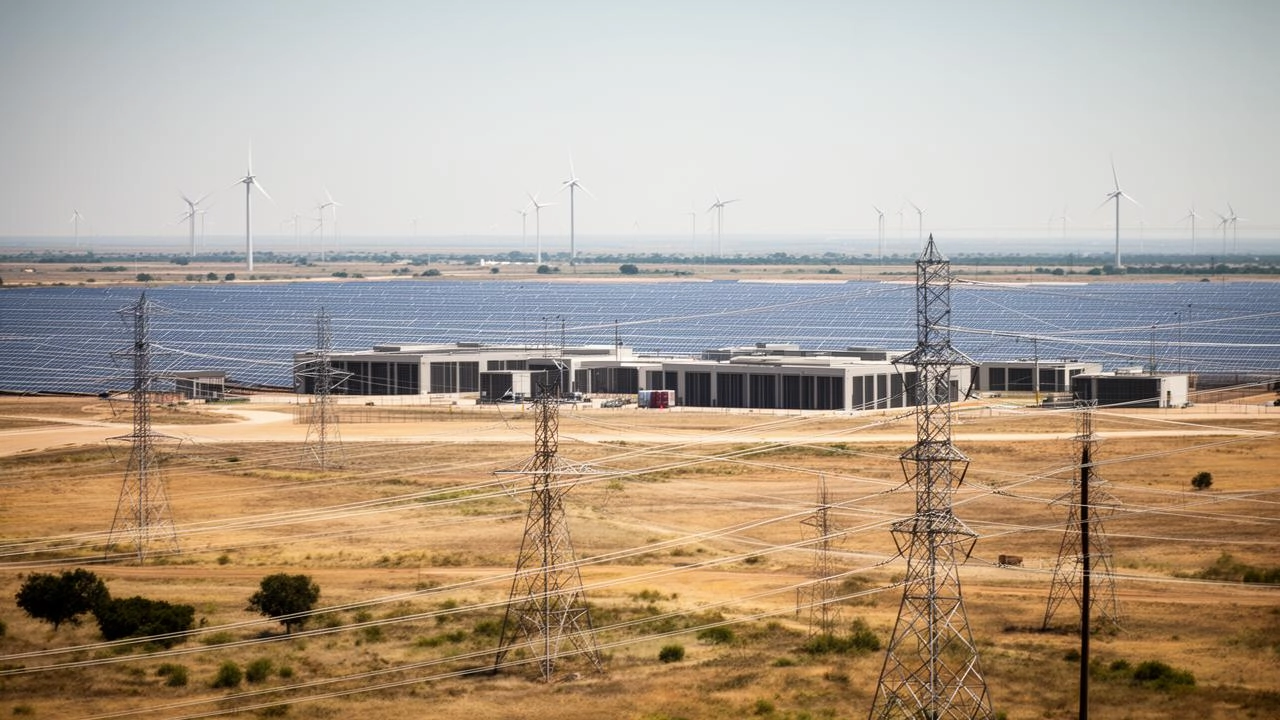
Nvidia's dramatic reduction of its Ohio data center funding guarantee—from $250 billion to less than $120 billion (announced August 14, 2026)—signals a critical inflection point in AI infrastructure financing that directly impacts e-commerce sellers' access to affordable AI tools. This $130 billion funding cut reflects investor concerns about Nvidia's balance sheet exposure and OpenAI's unprofitability despite its $85 billion valuation, creating a cascading effect on AI tool pricing and availability for sellers.
The Infrastructure Cost Cascade for Sellers: The phased approach to the 10-gigawatt Ohio facility (developed by SB Energy, a SoftBank subsidiary) means delayed compute capacity expansion. When AI infrastructure buildout slows, compute costs rise—directly translating to higher pricing for AI-powered seller tools (product research, pricing optimization, content generation, customer service automation). Sellers currently using AI tools for inventory management, dynamic pricing, and demand forecasting should expect 15-25% price increases on SaaS subscriptions through 2027 as providers face higher infrastructure costs. Small sellers (under $500K annual revenue) will be most vulnerable, as they lack negotiating power for volume discounts.
Competitive Intelligence & Automation Opportunities: The funding reduction paradoxically creates immediate automation wins for sellers who act NOW. With AI infrastructure becoming scarcer and more expensive, sellers should immediately: (1) Lock in current pricing on AI tools before Q4 2026 increases; (2) Automate high-ROI tasks immediately—product research, competitor price monitoring, and customer service chatbots deliver 8-12 hours/week time savings and 20-30% cost reduction vs. manual operations; (3) Shift to open-source AI models (LLaMA, Mistral) for cost-sensitive operations, reducing dependency on expensive proprietary APIs. Sellers using Nvidia-powered cloud services (AWS, Google Cloud, Azure) for AI workloads should audit usage now—costs will rise 12-18% as providers pass through infrastructure expenses.
Market Timing & Strategic Positioning: The $500 billion compute financing platform that Nvidia established with six major financial institutions signals a shift toward third-party capital for AI infrastructure. This creates a 6-12 month window where sellers can negotiate favorable AI tool contracts before the market reprices. Sellers in high-margin categories (electronics, beauty, home goods) should prioritize AI adoption for dynamic pricing and demand forecasting—these tools generate 8-15% margin improvements and will become prohibitively expensive by mid-2027. The phased approach also means OpenAI's infrastructure expansion will be slower, potentially delaying advanced AI features (real-time inventory optimization, predictive customer churn) that sellers rely on for competitive advantage.
Questions 8
What competitive advantage do sellers gain by acting immediately?
Sellers who automate NOW gain 6-12 months of cost advantage before competitors face price increases. Early adopters of dynamic pricing, demand forecasting, and inventory optimization will capture 15-25% more market share in their categories by mid-2027. This creates a competitive moat: established automation workflows become harder to replicate as tool costs rise. Additionally, sellers who lock in current pricing on annual contracts gain 12-18 months of predictable costs while competitors face 20-25% increases. The window closes by Q4 2026—after that, new entrants face significantly higher barriers to AI adoption.
How does this affect sellers in different categories?
High-margin categories (electronics, beauty, home goods) benefit most from AI adoption—dynamic pricing generates 8-15% margin improvements, justifying higher tool costs. Mid-margin categories (apparel, sports) see 5-8% improvements, making cost increases more painful. Low-margin categories (grocery, commodities) struggle to justify AI tool expenses above $500/month. Sellers in high-margin categories should invest NOW before prices rise; mid-margin sellers should focus on free/low-cost tools (ChatGPT, open-source models); low-margin sellers should prioritize inventory automation over pricing optimization.