



AWS AI Infrastructure Costs Rise 2-3x | Sellers Face Higher Cloud Computing Expenses
- Amazon's extended data center payback periods (2-3 years) signal rising AI compute costs that will increase seller tool expenses by 15-25% through 2025













Overview
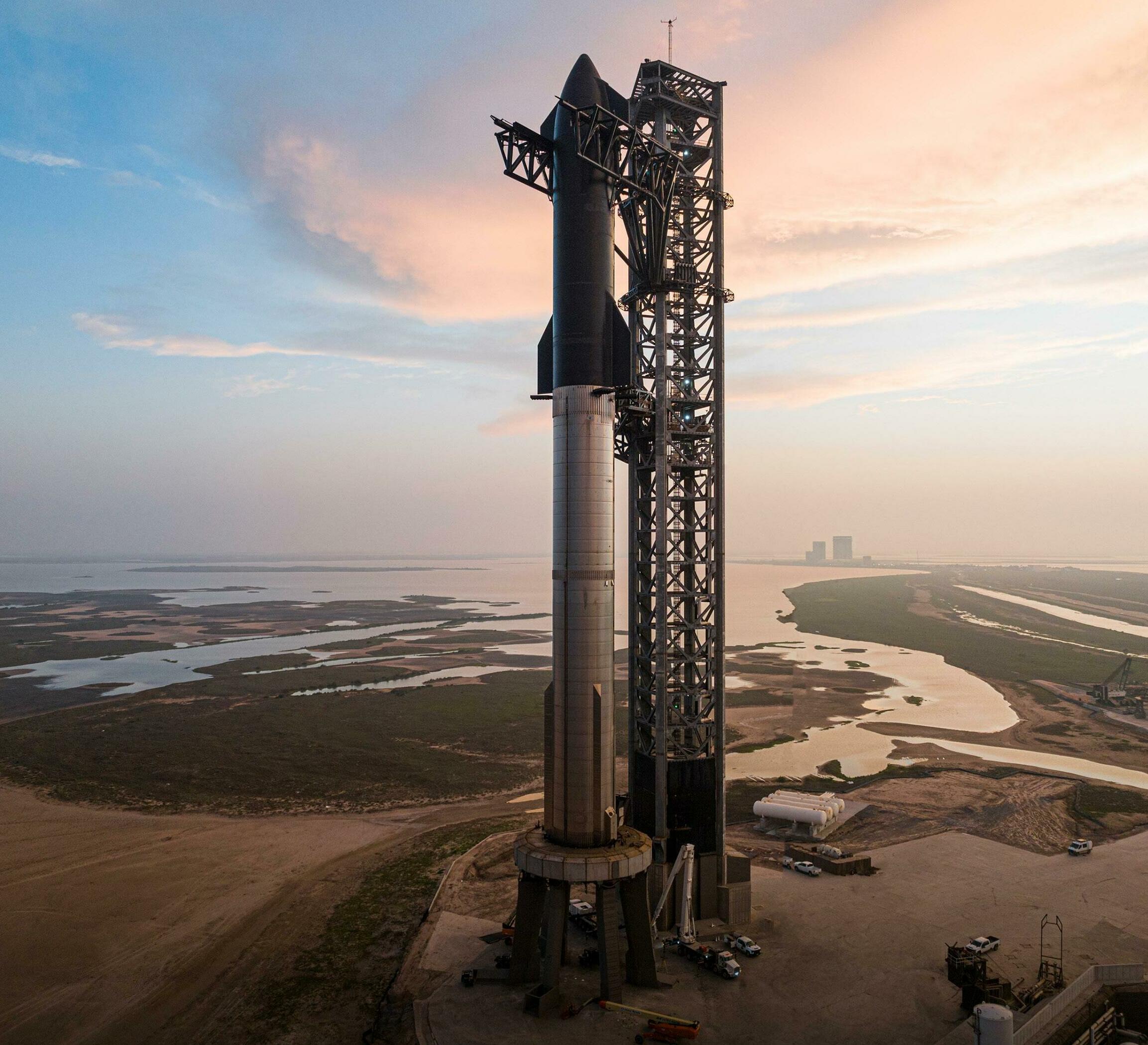
The competitive dynamics between SpaceX and hyperscalers like Amazon, Google, and Microsoft reveal critical infrastructure cost trends that directly impact e-commerce sellers. Amazon's disclosure that new data centers require 2 years to monetize and nearly 3 years to break even on server equipment—compared to SpaceX's claimed <1-year payback—signals that AWS compute costs will rise significantly as Amazon recovers these extended capital investments. This matters to sellers because Amazon's AI-powered tools (product recommendations, demand forecasting, pricing optimization, customer service automation) run on AWS infrastructure, and cost increases inevitably flow downstream to seller fees and tool pricing.
AI Infrastructure Cost Implications for Sellers: The $15.8 billion SpaceX capex investment and Amazon/Google/Microsoft's 3x higher collective spending indicate an acute AI compute shortage driving infrastructure costs upward. Sellers relying on AI-powered tools—from Helium 10 and Jungle Scout (which use AWS backends) to Amazon's own AI features in Seller Central—will face 15-25% price increases as SaaS providers pass through infrastructure costs. Small sellers (1-10 SKUs) using basic AI tools may see $50-150/month increases, while mid-market sellers (100-500 SKUs) could face $300-800/month additions. This creates a competitive moat for large sellers who can absorb costs and negotiate volume discounts with tool providers.
Automation Opportunity Window: The 2-3 year AWS payback period creates a 12-18 month window where sellers can lock in current pricing on AI tools before cost increases propagate. Sellers should immediately audit their tech stack and commit to multi-year contracts with AI-powered tools (Helium 10, Jungle Scout, Sellics, Keepa) at current rates before Q2 2025 price increases. This is a time-sensitive arbitrage: sellers who commit now avoid 20-30% price increases that will hit the market as hyperscalers monetize their infrastructure investments. The competitive advantage accrues to sellers who automate product research, pricing optimization, and inventory forecasting NOW—before tool costs rise and smaller competitors are priced out.
Strategic Positioning: SpaceX's temporary advantage in compute efficiency (leveraging existing infrastructure) mirrors how early-adopter sellers gain advantages by deploying AI automation before costs rise. Sellers who implement AI-driven dynamic pricing, automated competitor monitoring, and predictive inventory management in the next 6 months will operate at lower cost bases than competitors who wait. The news indicates that AWS's extended payback periods will eventually force Amazon to increase seller fees or reduce AI feature availability—making this a critical moment to maximize automation ROI before the cost structure shifts.
Questions 8
How can sellers use this infrastructure news to gain competitive advantage?
The competitive advantage comes from early automation adoption before costs rise. Sellers who implement AI-driven dynamic pricing, automated competitor monitoring, and predictive inventory management in the next 6 months will operate at lower cost bases than competitors who wait. This creates a 12-18 month window where automation ROI is highest (before tool prices increase 20-30%). Sellers who lock in current pricing on multi-year tool contracts now gain a sustainable advantage: lower per-unit automation costs, faster decision-making, and better inventory efficiency. This advantage persists even after competitors eventually adopt similar tools at higher costs.
Should sellers switch to SpaceX compute services or stay with AWS?
SpaceX's compute advantage is temporary and limited to large-scale AI workloads (Anthropic, Google). For typical e-commerce sellers, AWS remains the practical choice because: (1) SpaceX lacks proven SaaS tools for seller use cases, (2) SpaceX's infrastructure is optimized for AI training, not seller applications, (3) AWS has established seller integrations and ecosystem. However, monitor SpaceX's commercial offerings—if they launch seller-focused AI tools by 2025, they could offer 20-30% cost savings. For now, focus on optimizing AWS-based tools (Helium 10, Jungle Scout) rather than switching providers.