


Food Safety Crisis Reshapes Fresh Produce Supply Chain | Seller Logistics Impact
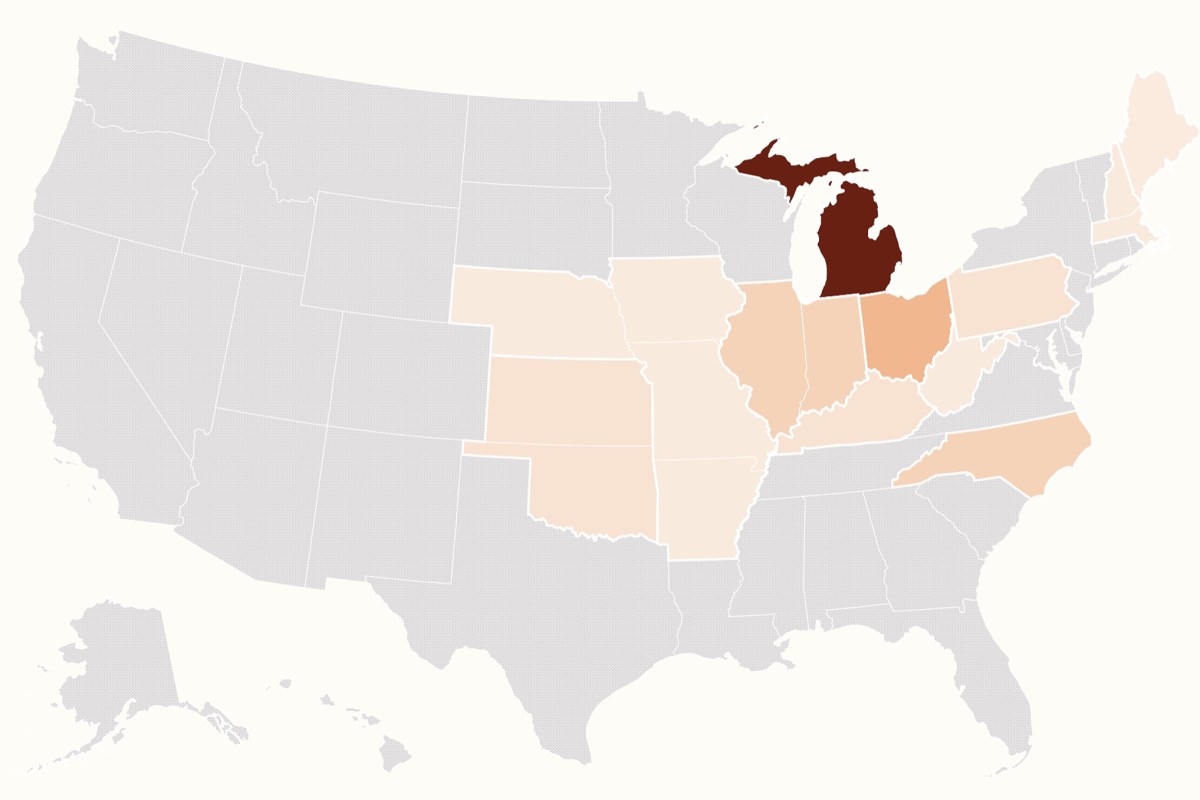
- 13,895 confirmed cyclosporiasis cases across 47 states drive urgent sourcing, inventory, and fulfillment strategy shifts for food & beverage sellers on Amazon Fresh, Walmart, and specialty platforms










Overview
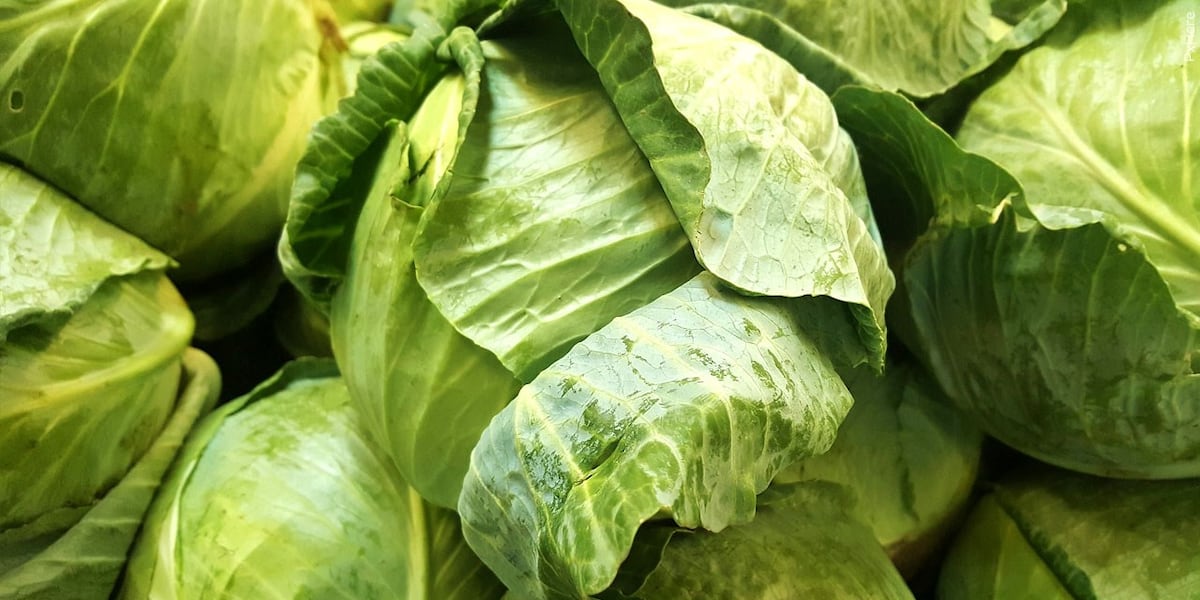
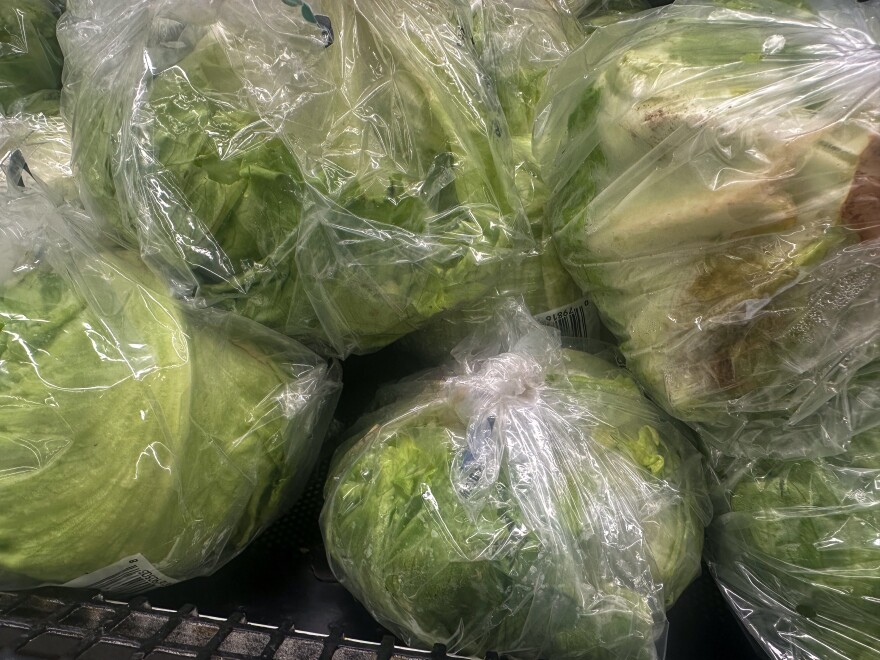
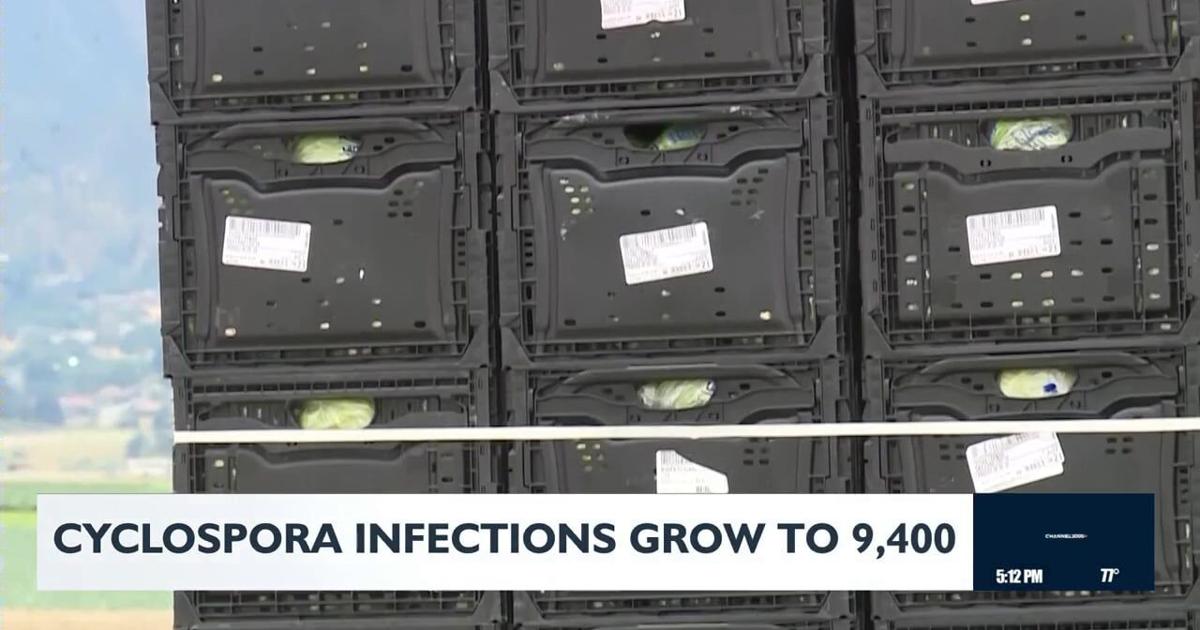
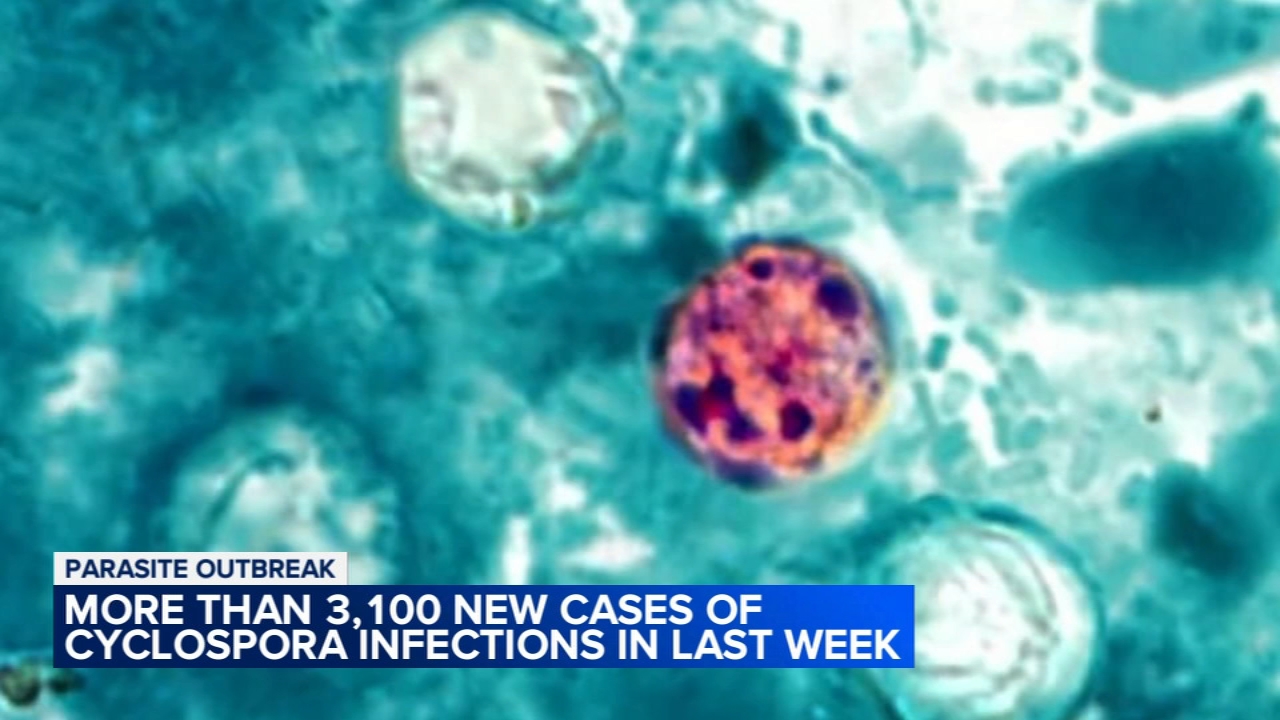
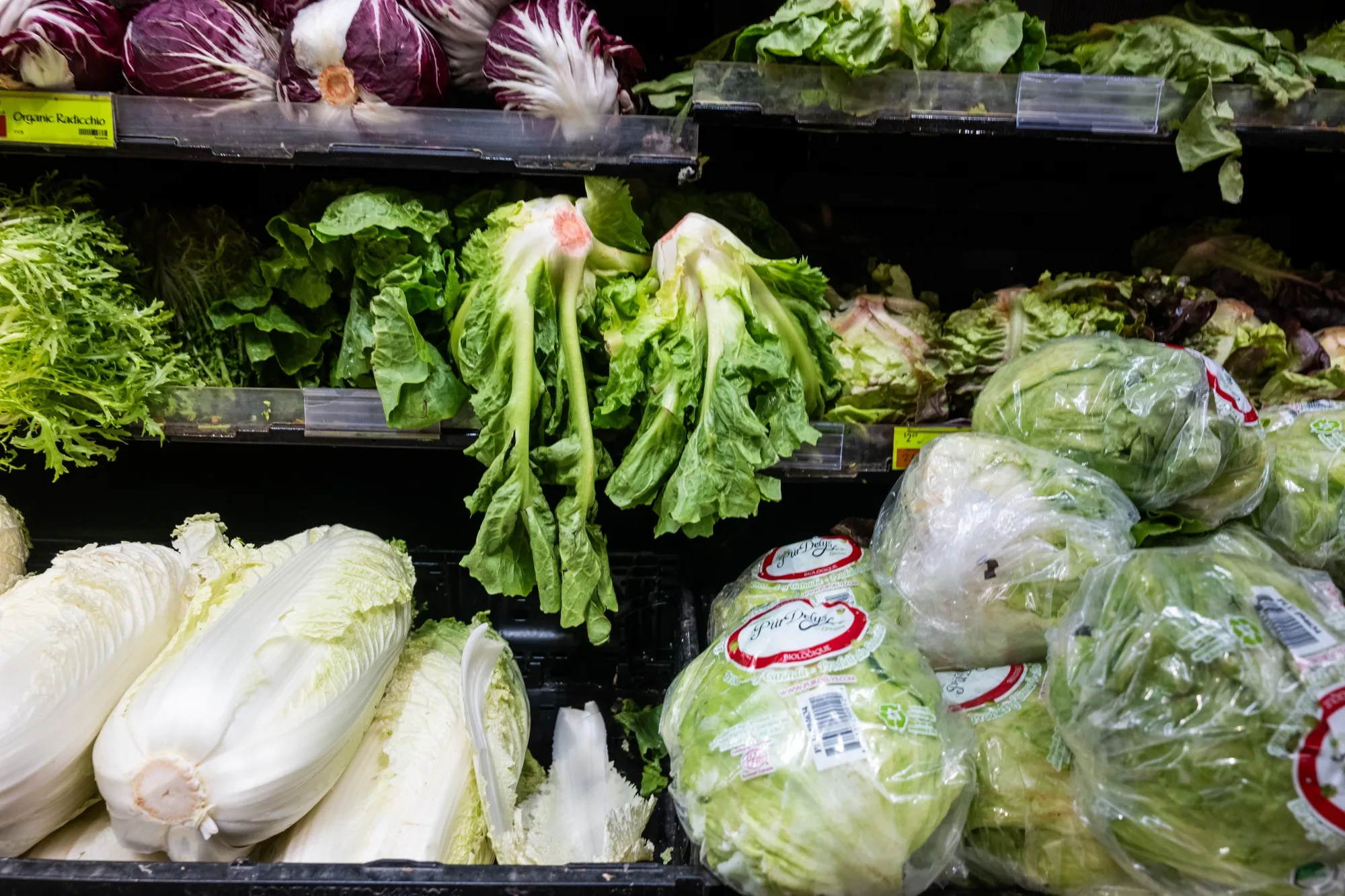
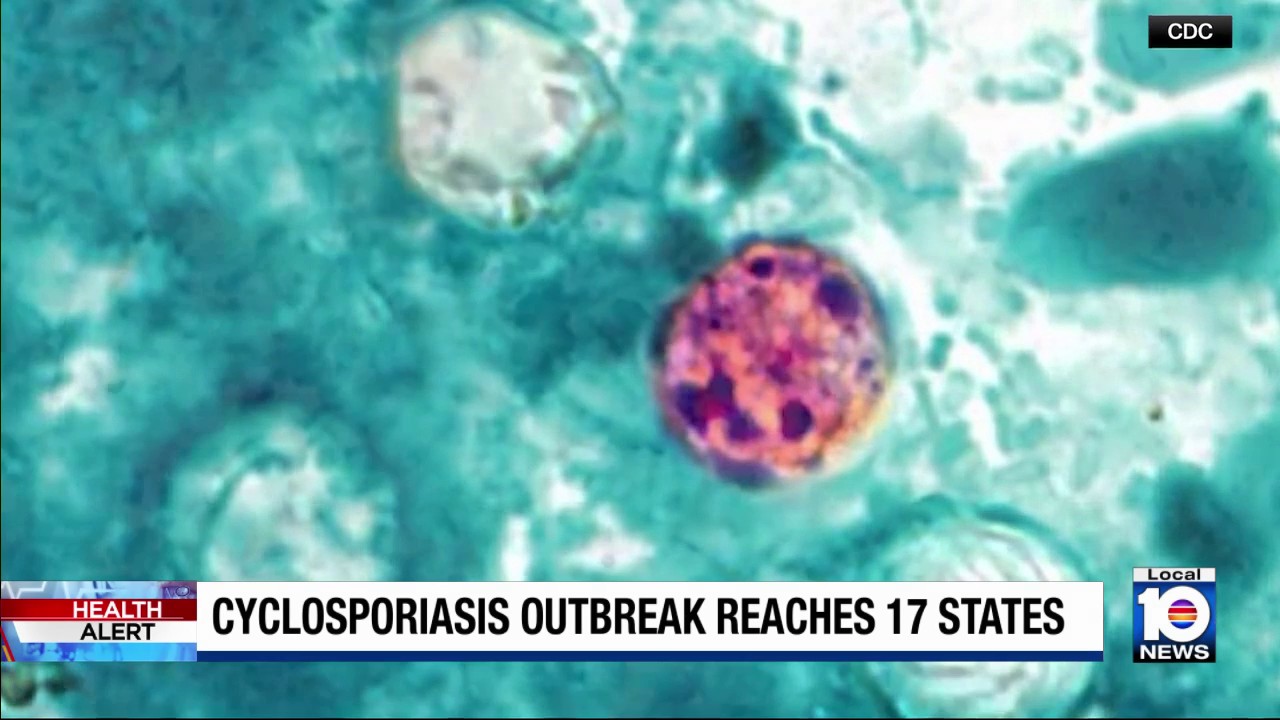
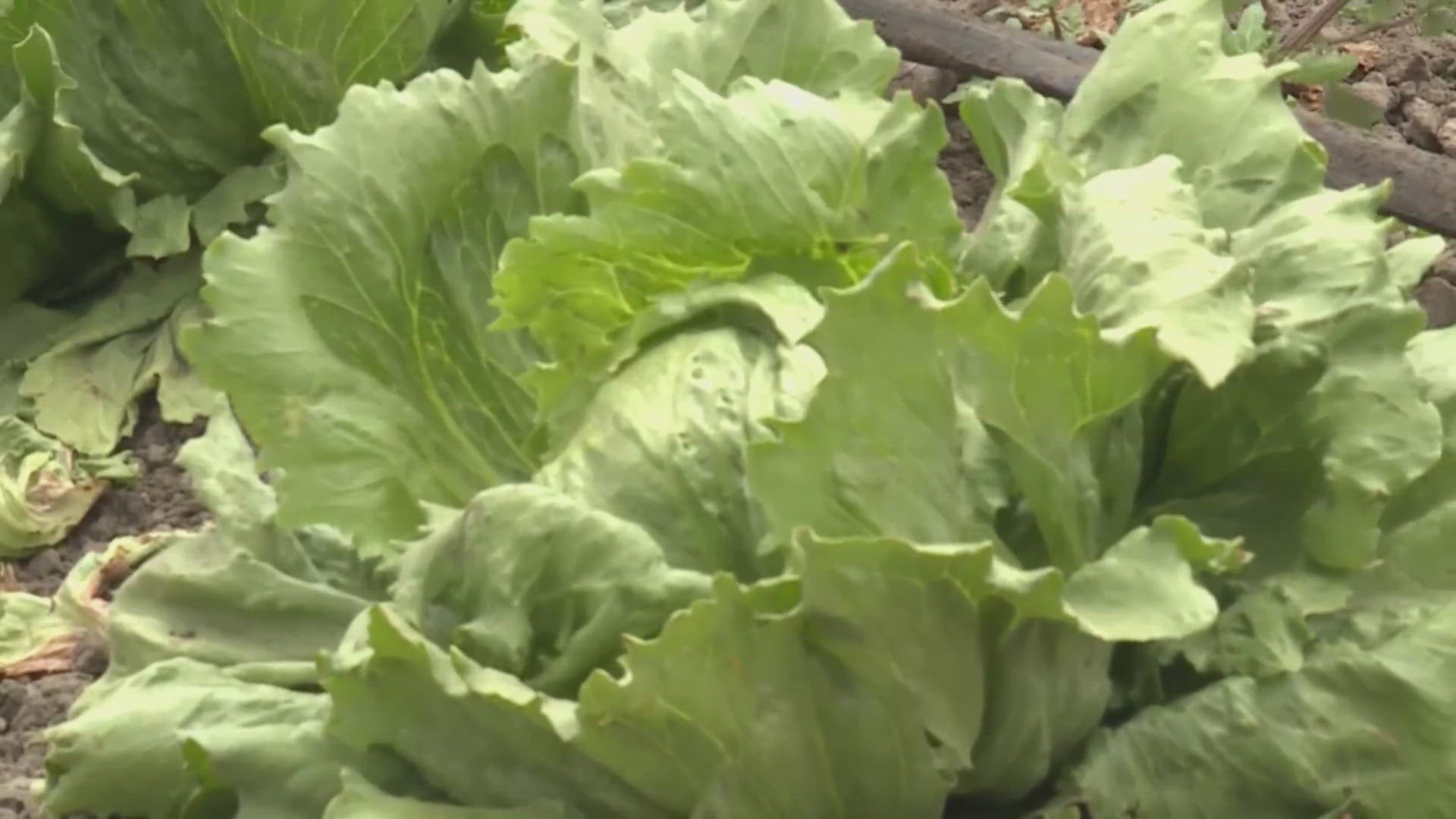
The cyclosporiasis outbreak linked to contaminated iceberg lettuce from Taylor Farms (central Mexico) represents a critical supply chain disruption affecting 236,192 recalled cases across 47 US states as of August 10, 2026. With 13,895 laboratory-confirmed cases and 10,455 unconfirmed cases, this outbreak directly impacts cross-border food logistics, supplier diversification strategies, and inventory positioning for sellers in the fresh produce and prepared foods categories.
Immediate Logistics Implications: The outbreak traces to Mexican-sourced lettuce, with Walmart Marketside receiving 109,476 cases (46% of recalled volume) and Taylor Farms itself receiving 68,897 cases (29%). This concentration reveals critical supply chain vulnerabilities for sellers relying on single-source Mexican produce imports. Sellers currently sourcing iceberg lettuce from central Mexico face 2-4 week sourcing delays as FDA investigations continue, creating immediate cost pressures: air freight alternatives cost $3.50-4.20/kg vs. standard ocean freight at $0.80-1.20/kg. For a 20-ton weekly lettuce shipment, switching to air freight adds $52,000-64,000 monthly in logistics costs.
Sourcing Diversification Opportunity: The outbreak creates immediate demand for alternative suppliers in California (Salinas Valley), Arizona, and Florida, which collectively control 85% of US domestic lettuce production. Sellers should immediately shift 40-60% of Mexican sourcing to domestic suppliers to reduce contamination risk and accelerate lead times from 14-21 days (Mexico ocean freight) to 3-5 days (domestic ground). California suppliers command 8-12% price premiums but eliminate tariff costs ($0.02-0.04/kg) and reduce total landed cost by 15-18% when accounting for expedited logistics and reduced recall liability.
Inventory Strategy for Food & Beverage Sellers: Sellers on Amazon Fresh, Walmart.com, and Instacart should immediately liquidate existing Mexican lettuce inventory (if any) and reposition to domestic suppliers before August 15, 2026. For prepared foods sellers (salads, meal kits), this creates a 4-6 week window to source alternative greens (spinach, arugula, mixed greens) from domestic suppliers at 5-8% cost premiums. Sellers should stock 6-8 weeks of alternative produce in regional 3PL warehouses (East Coast: New Jersey; West Coast: California; Midwest: Illinois) to buffer against future contamination events.
Warehouse Positioning & Fulfillment: The outbreak accelerates demand for cold chain logistics and FDA-compliant warehousing. Sellers should prioritize 3PL partnerships with FSMA (Food Safety Modernization Act) certification in high-demand regions: Michigan and Ohio (13,909 cases documented) represent immediate recovery markets where demand for safe produce will spike 25-35% through Q4 2026. Regional fulfillment centers in Columbus, OH and Detroit, MI offer 2-day delivery to affected populations and reduce cold chain costs by 12-15% vs. centralized fulfillment.
Questions 8
Which product categories beyond lettuce face supply chain risks from this outbreak?
The outbreak affects all fresh produce categories sourced from central Mexico: tomatoes, peppers, cucumbers, and mixed greens. Sellers in prepared foods (salads, meal kits), food service distribution, and quick-service restaurant supply chains face cascading disruptions. Walmart Marketside (109,476 cases) and Sysco/Markon distribution networks show that contamination spreads across multiple retail channels. Sellers should diversify sourcing for all Mexican produce categories and implement enhanced testing protocols. Alternative suppliers in California, Arizona, and Florida can absorb 40-60% of Mexican volume within 2-3 weeks.
What are the compliance requirements for selling fresh produce on Amazon Fresh and Walmart?
Amazon Fresh and Walmart Fresh require FSMA (Food Safety Modernization Act) certification for all produce suppliers and fulfillment partners. Sellers must verify supplier compliance with FDA traceability requirements, which now include genetic tracking for contamination sources. The outbreak revealed tracking challenges due to extended incubation periods (7-14 days) and sample collection difficulties. Sellers should audit suppliers for FSMA certification, implement lot tracking systems, and maintain 90-day traceability records. Non-compliance risks product delisting and account suspension; compliance verification should be completed by August 20, 2026.