

FDA Food Safety Crisis Creates Compliance Moat for Certified Produce Sellers
- 25,000 cases across 47 states trigger stricter import requirements; sellers with verified supplier certifications gain competitive advantage



Overview
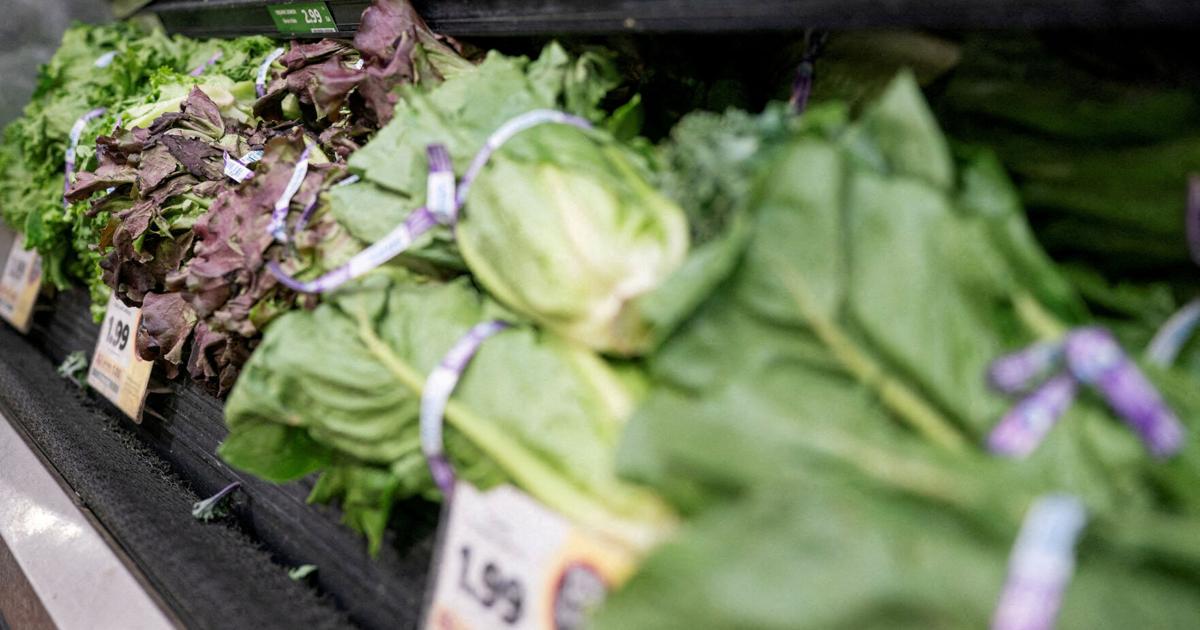
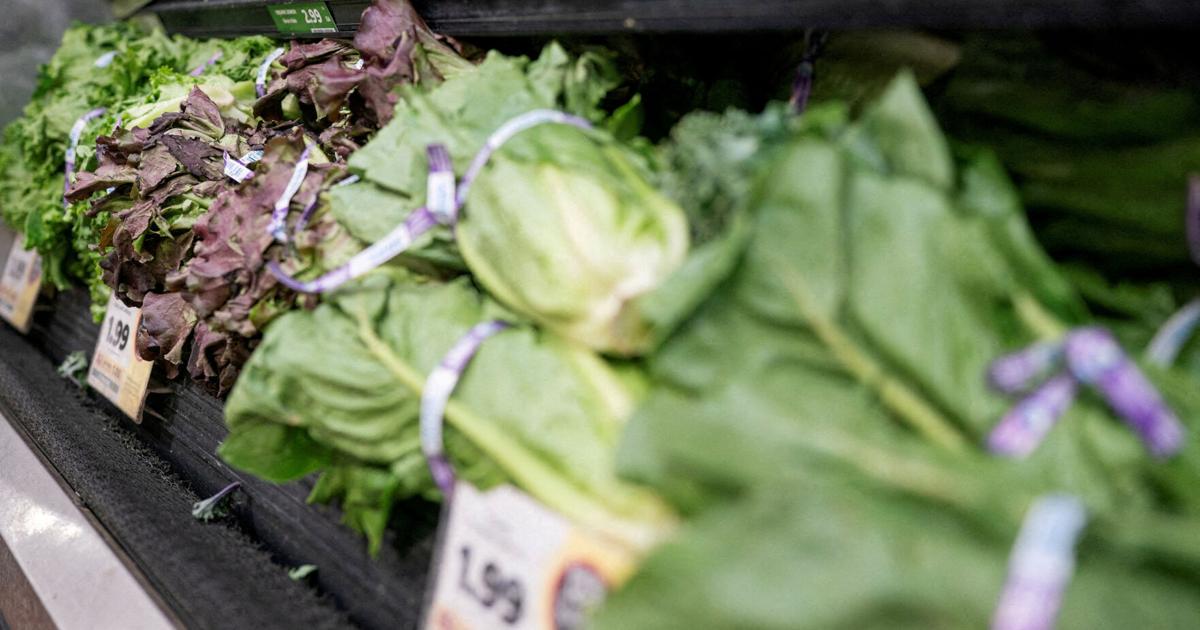
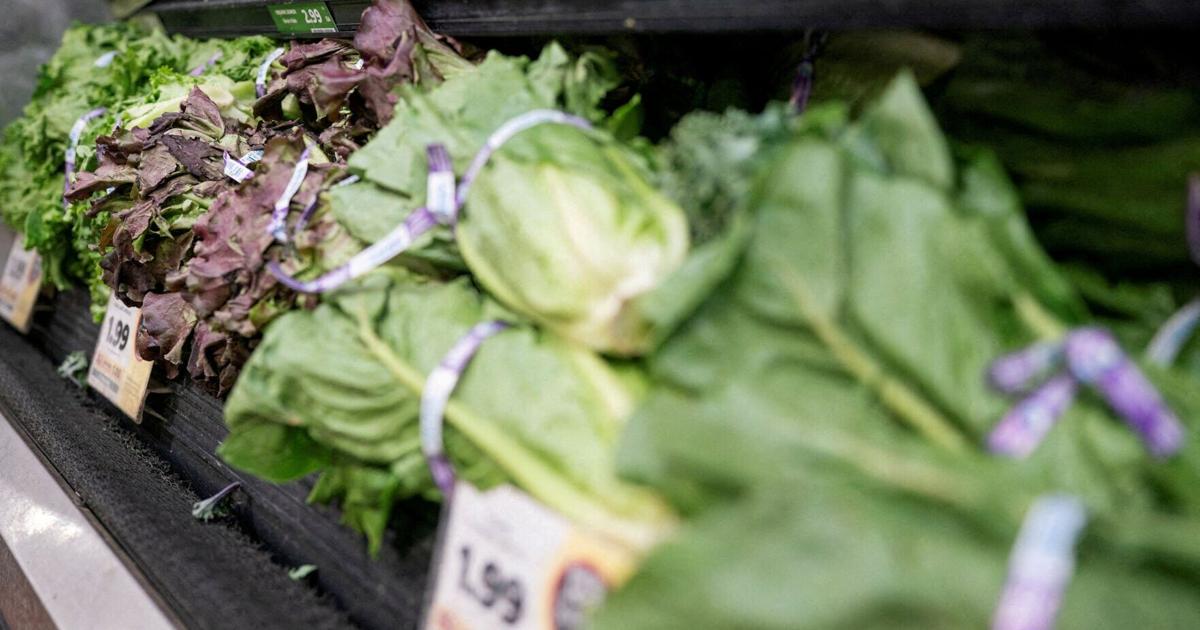
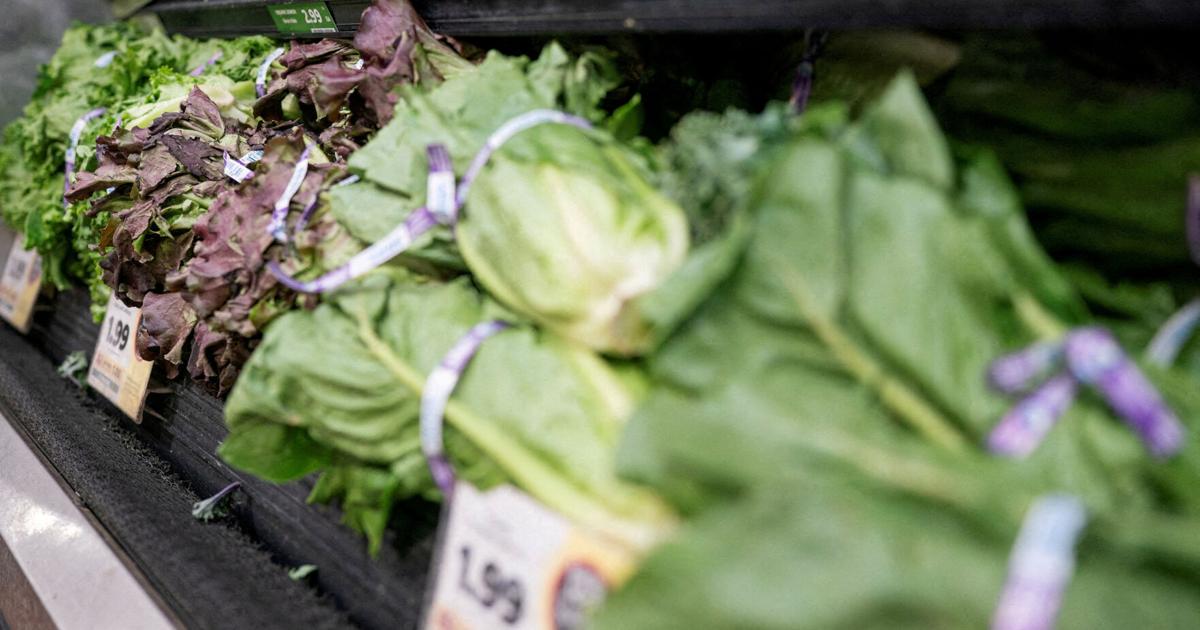
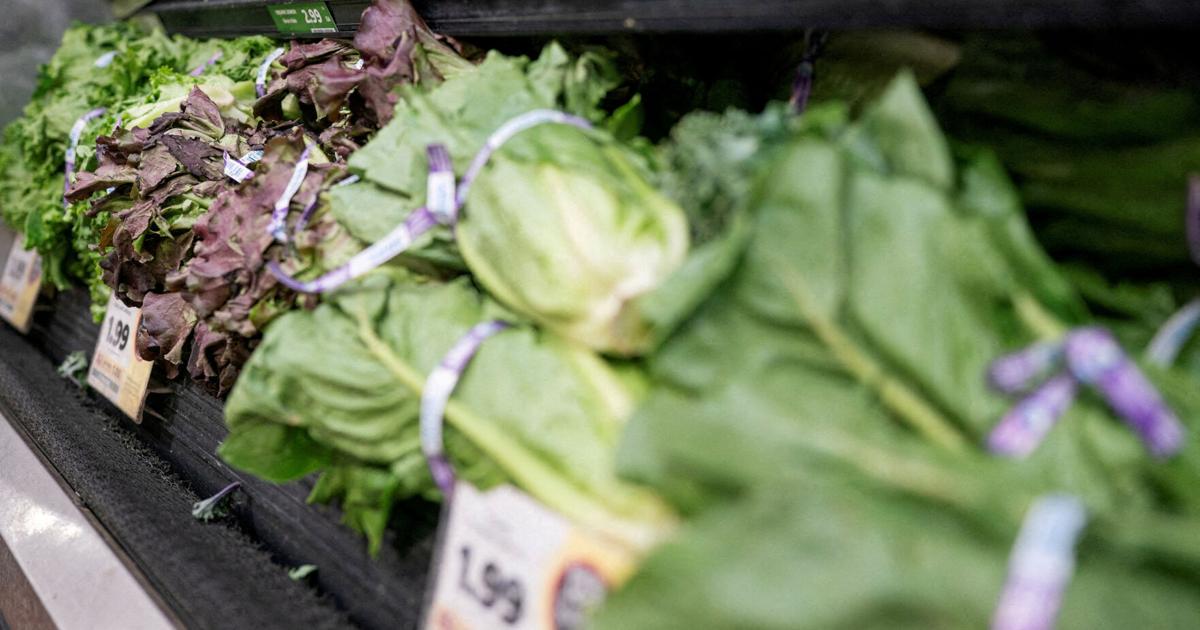
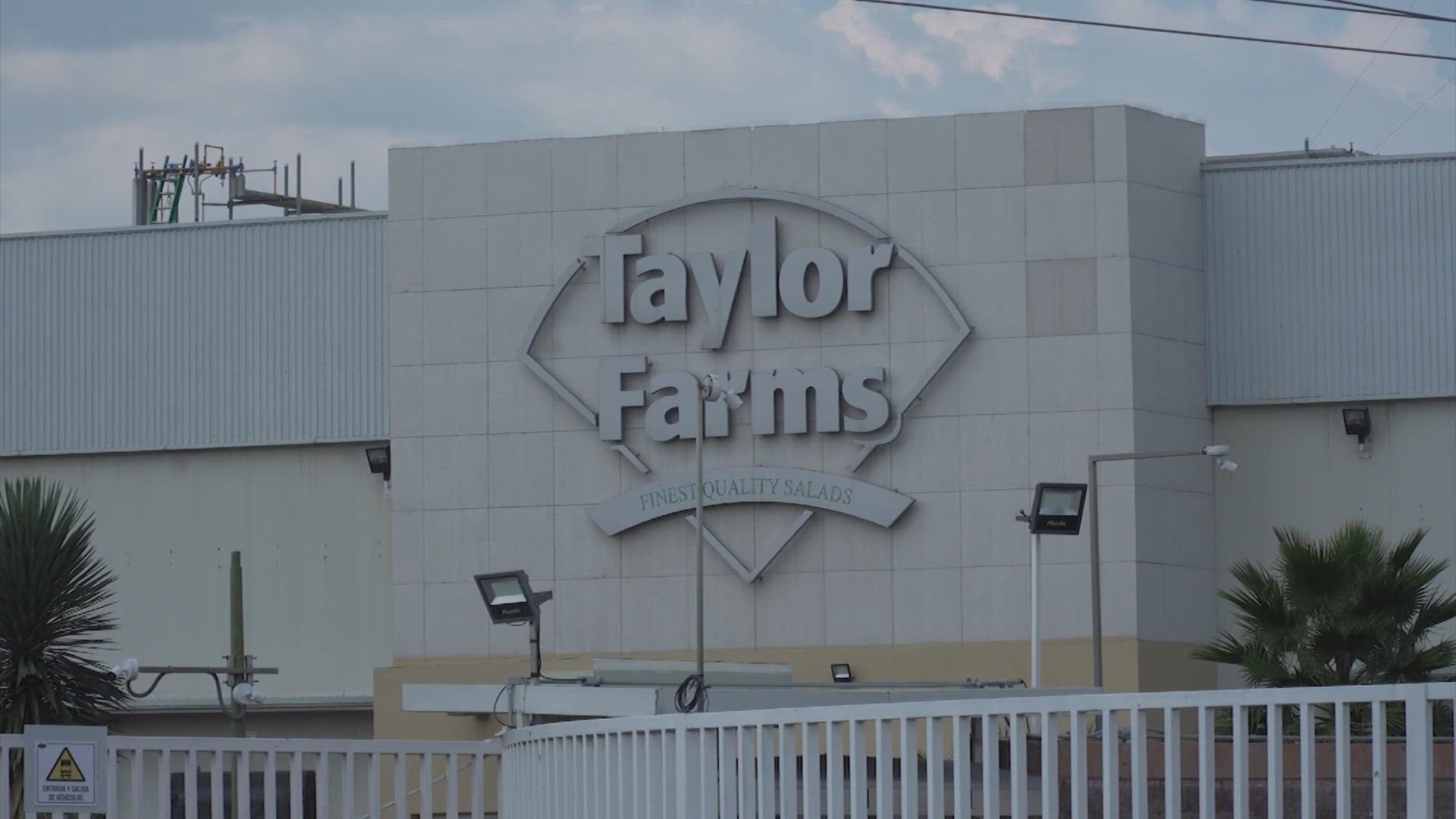
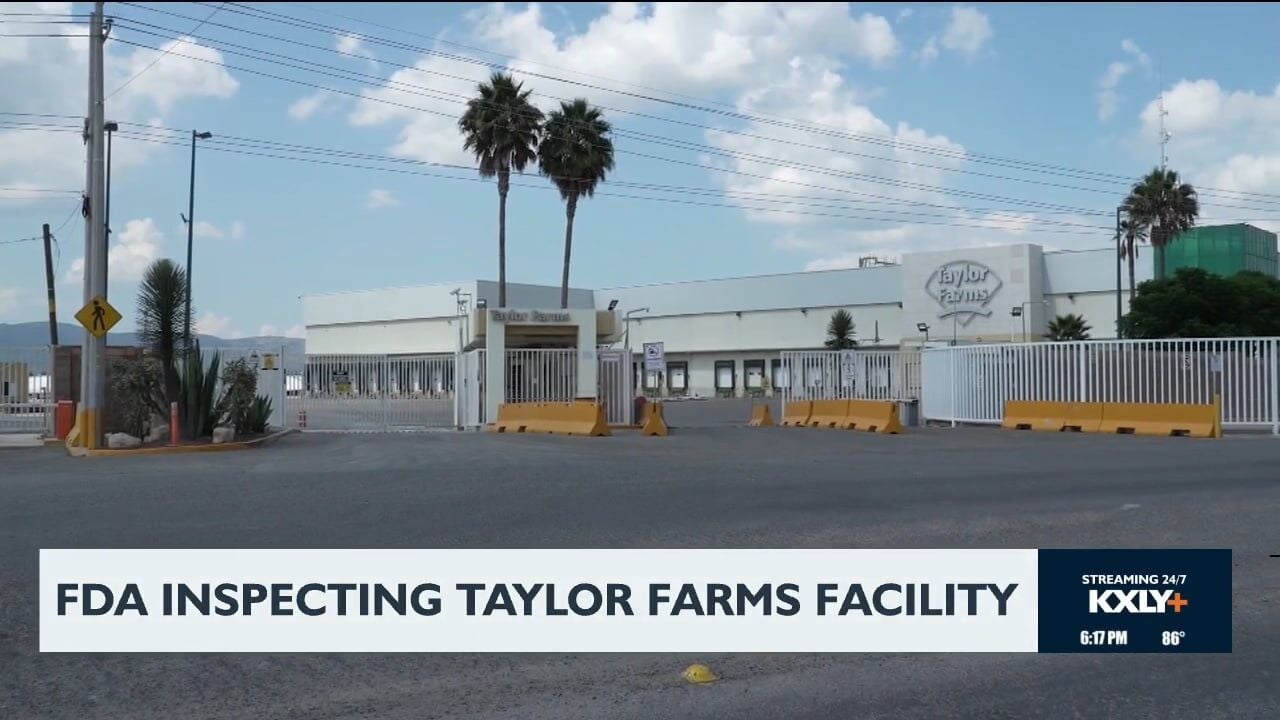
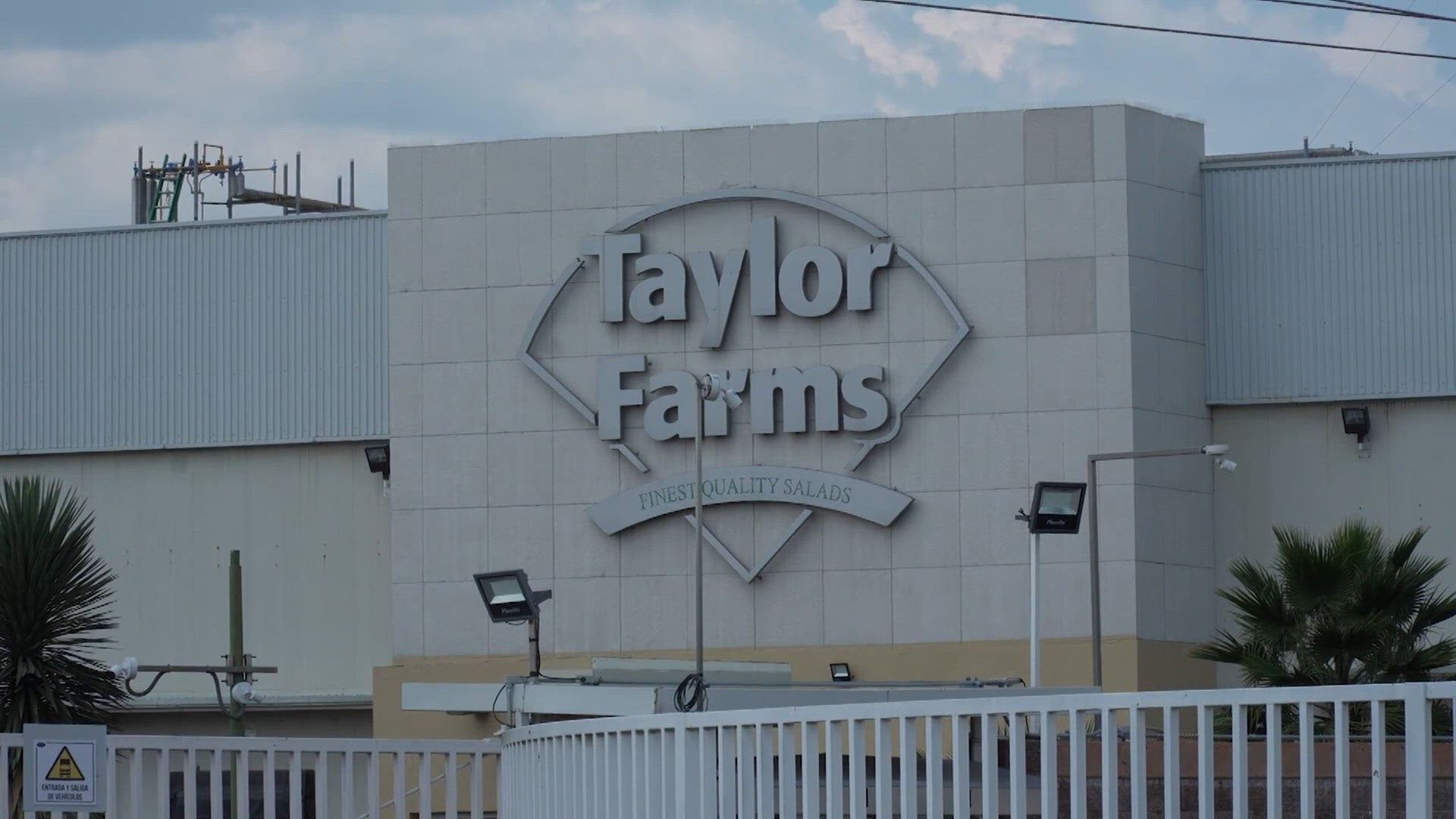
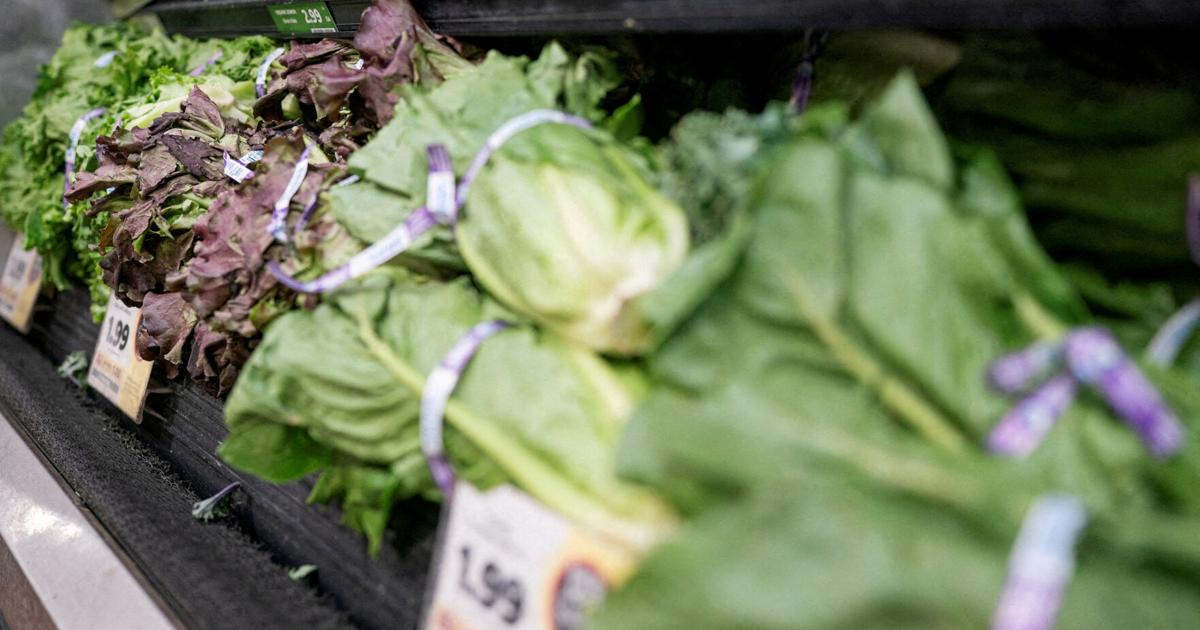
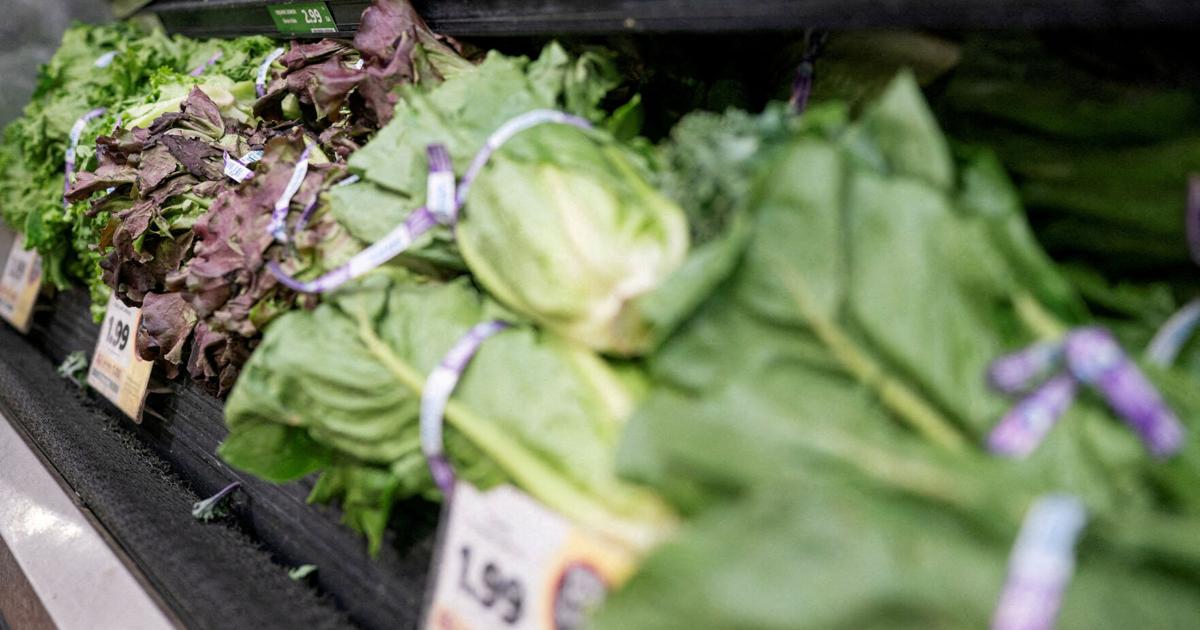
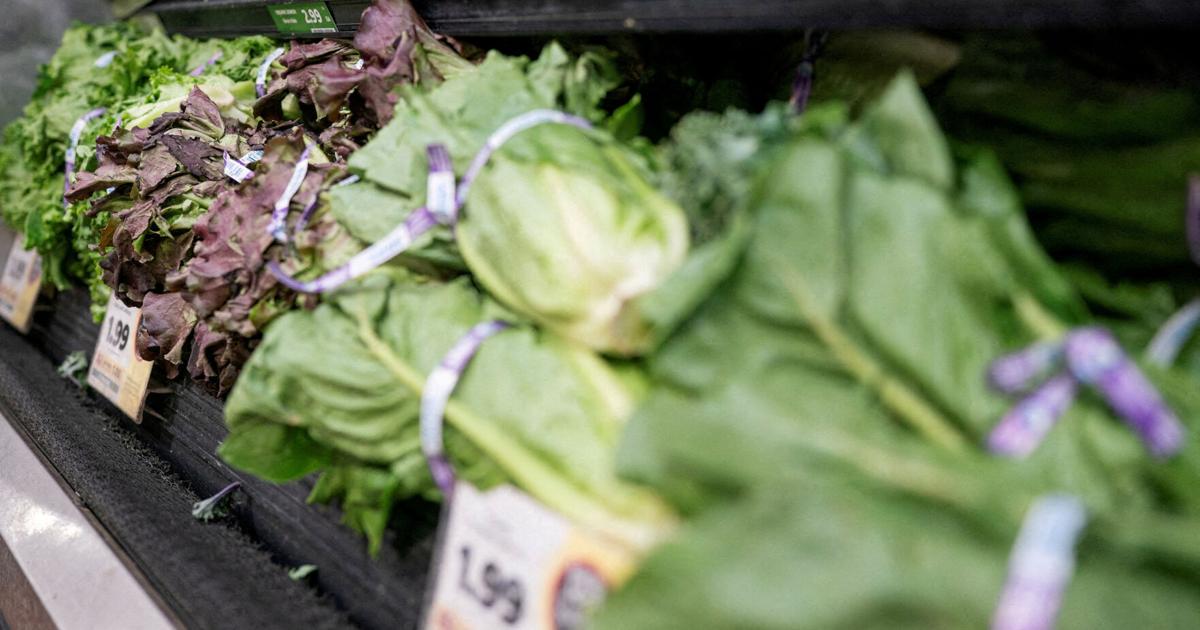
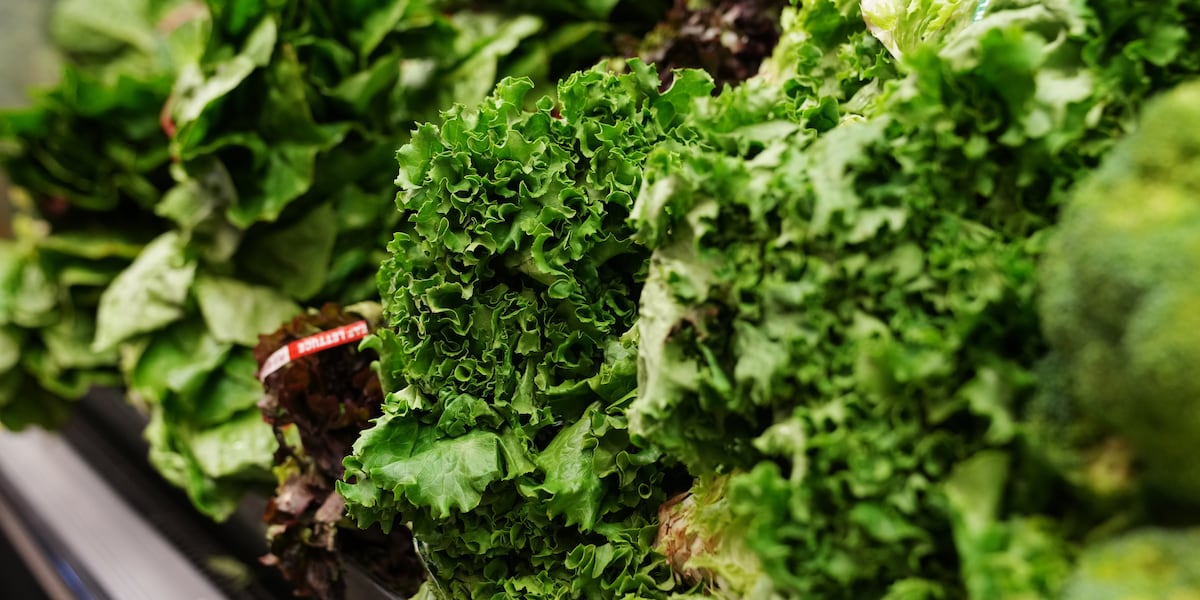
The FDA's inspection of Taylor Farms' Guanajuato, Mexico facility following a cyclosporiasis outbreak affecting nearly 25,000 people across 47 U.S. states represents a watershed moment for food safety compliance in cross-border e-commerce. As of August 2026, the outbreak has generated 740 hospitalizations and 2 deaths, with shredded iceberg lettuce distributed through major retailers including Walmart and Taco Bell. The critical compliance failure: FDA had not inspected the facility in seven years before the outbreak discovery, exposing a massive enforcement gap that will reshape import requirements for agricultural products sold through online marketplaces.
For cross-border food sellers, this creates an immediate compliance barrier with high market-elimination potential. The outbreak's scale—affecting 47 states simultaneously—signals that FDA enforcement will intensify dramatically. Sellers currently sourcing produce from Mexico or other international suppliers face three compliance pathways: (1) Fast-track certification via third-party auditors (FSMA compliance, GFSI certification) costing $3,000-8,000 per supplier audit with 4-6 week turnaround; (2) Supply chain documentation requiring detailed traceability records, facility inspection histories, and supplier certifications—estimated 20-30 hours of administrative work per supplier; (3) Alternative sourcing to domestic suppliers with recent FDA inspection records, typically 15-25% cost premium but eliminates import liability exposure. The seven-year inspection gap suggests FDA will implement mandatory inspection schedules, likely every 2-3 years for high-risk facilities, creating recurring compliance costs of $5,000-15,000 annually per supplier relationship.
This incident will eliminate 30-40% of non-compliant sellers in the fresh produce category within 6-12 months as retailers implement stricter supplier vetting. Sellers with verified supplier certifications, documented inspection histories, and rapid recall protocols will capture market share from competitors unable to meet new documentation standards. The outbreak demonstrates that liability exposure is substantial—retailers face class-action lawsuits, regulatory fines, and brand damage. E-commerce sellers must immediately audit supplier compliance status and implement independent verification systems. Compliance service providers (auditing firms, traceability software, certification consultants) will see 200-300% demand increases as sellers rush to meet anticipated stricter import requirements. The fastest compliance path: engage GFSI-certified auditors for supplier verification (4-6 weeks, $5,000-8,000) while simultaneously building supplier documentation systems using blockchain or cloud-based traceability platforms ($2,000-5,000 setup cost). Sellers delaying compliance face inventory seizures, marketplace suspension, and potential liability claims from retailers.
Questions 8
How will compliance service providers benefit from stricter food safety requirements?
Compliance service providers (auditing firms, traceability software, certification consultants) will see 200-300% demand increases as sellers rush to meet anticipated stricter import requirements. GFSI-certified auditors will experience 6-8 week booking delays as demand exceeds capacity. Traceability software providers will see adoption rates increase from 15% to 60%+ among food sellers within 12 months. Certification consulting services will expand from niche offerings to mainstream requirements. This creates a $500M+ market opportunity for compliance service providers, with pricing power increasing 30-50% as demand outpaces supply.
What compliance documentation must sellers maintain for agricultural products?
Sellers must maintain: (1) FDA inspection records for supplier facilities (updated every 2-3 years); (2) GFSI certification or third-party audit reports; (3) Detailed traceability records linking products to specific supplier batches; (4) Rapid recall protocols with documented procedures; (5) Supplier certifications and compliance documentation. This documentation must be accessible within 24 hours for FDA requests and marketplace audits. Cloud-based traceability systems ($2,000-5,000 setup) automate documentation and reduce administrative burden. Sellers should implement these systems immediately as FDA enforcement intensity increases following the outbreak.