



US Treasury Yields Surge to 2001 Highs | Working Capital Crisis for Cross-Border Sellers
- 30-year yields reach 5.216% (highest since 2001), 10-year at 4.683% (highest since 2007); immediate impact on seller financing costs, payment processing fees, and working capital availability across Amazon, eBay, Shopify platforms

Overview
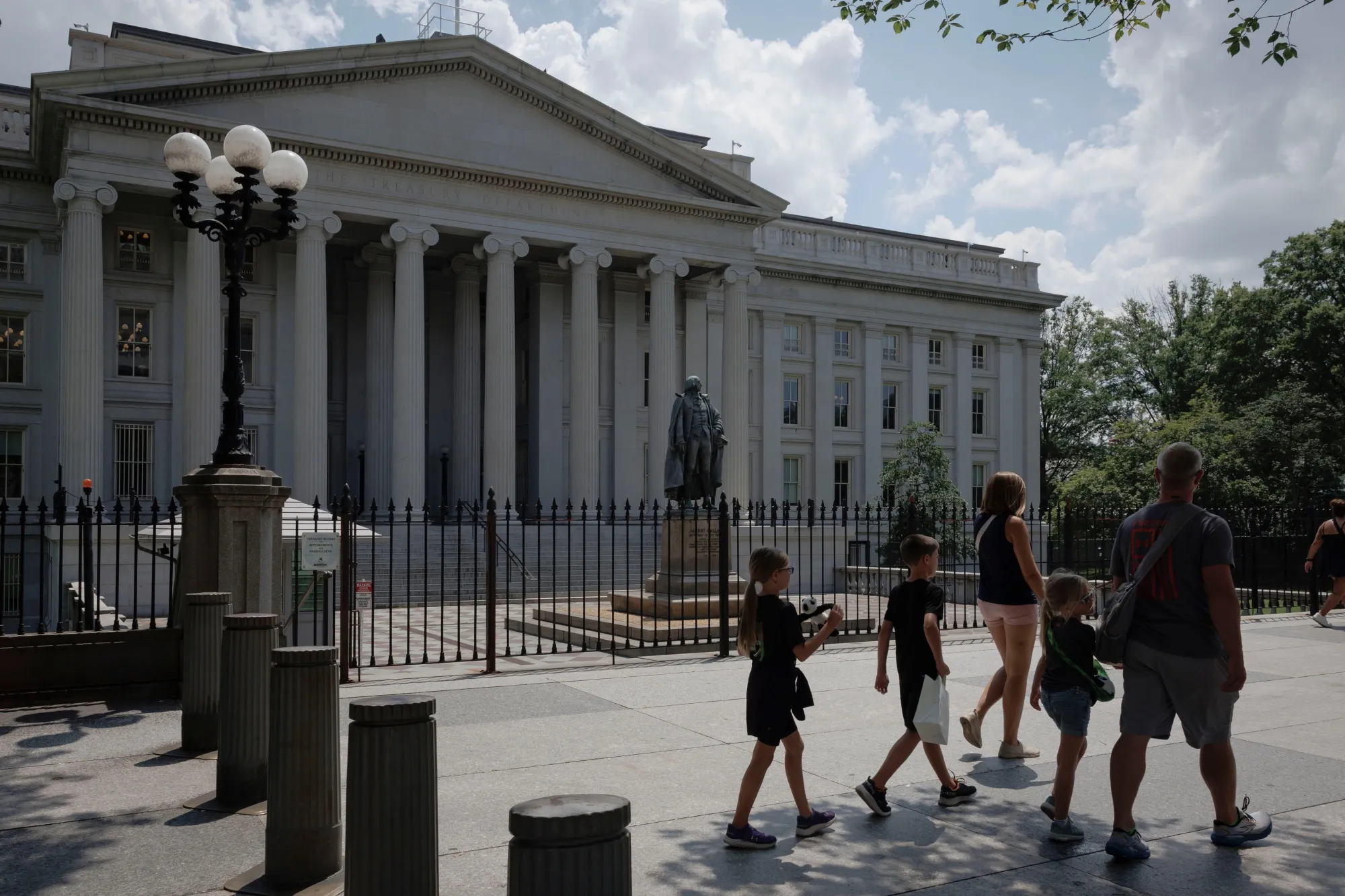
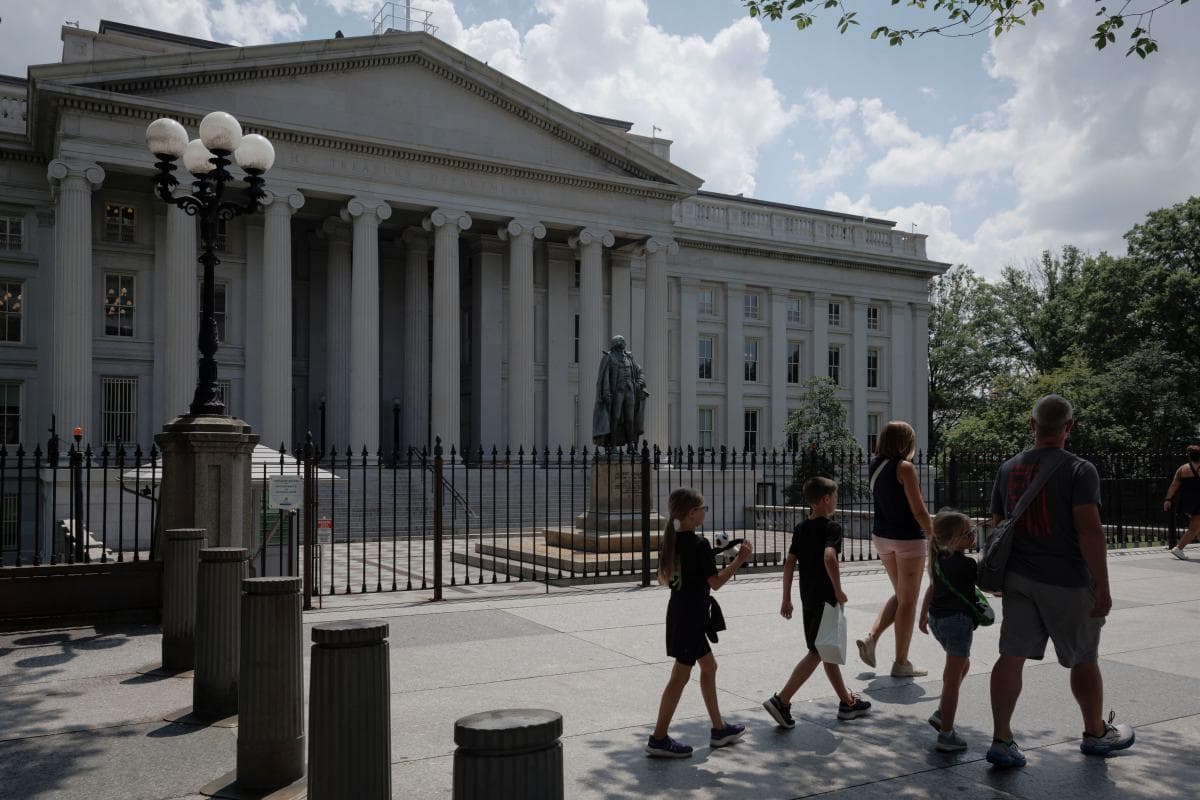
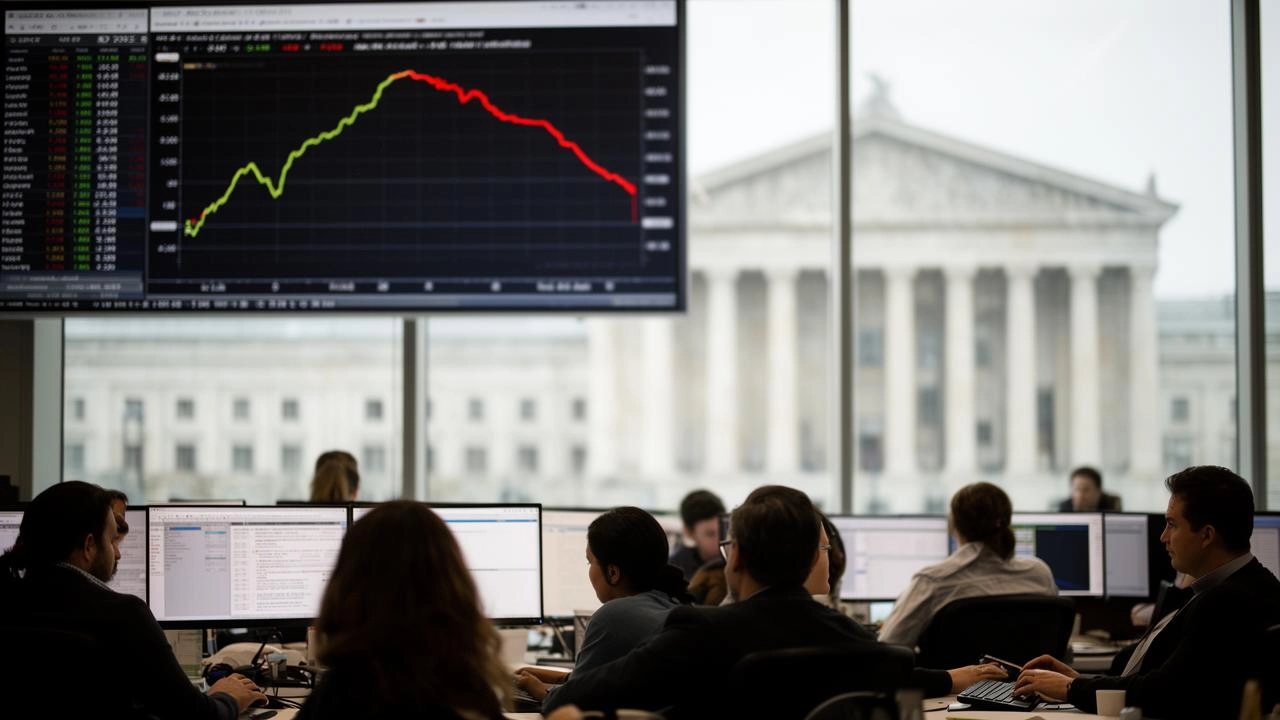
The US government's $742 billion Treasury auction this week exposed severe market stress, with 30-year bond yields hitting 5.216%—the highest since August 2001—and 10-year notes reaching 4.683%, the highest since 2007. This represents a critical inflection point for cross-border e-commerce sellers who depend on short-term financing, payment processing infrastructure, and working capital optimization. Treasury Secretary Janet Yellen's intervention attempts signal systemic concern about further yield escalation, particularly regarding Japanese yen stabilization to prevent additional Treasury selling pressure.
Immediate Financing Cost Impact: For cross-border sellers, elevated Treasury yields directly translate to higher borrowing costs across all financing products. Invoice financing (factoring) rates, which typically price at Treasury yields + 2-4%, will increase from current 5-7% APR to 7-9% APR within 30-60 days. A seller with $500K in monthly invoices factored at 6% APR currently pays $2,500/month; at 8% APR, this rises to $3,333/month—a $10K annual cost increase. PO financing and inventory loans follow similar trajectories, with lenders like Fundbox, Clearco, and traditional banks repricing risk premiums upward.
Payment Processing & FX Hedging Costs: The yield surge signals persistent inflation expectations and Federal Reserve policy uncertainty. Cross-border payment providers (Wise, Remitly, PayPal, Stripe) will increase FX hedging costs by 15-25% as currency volatility premiums rise. A seller executing $100K monthly in USD-to-EUR conversions at current 0.8% spreads ($800) will face 0.95-1.0% spreads ($950-1,000)—adding $1,800-2,400 annually. Treasury bill yields at 3.95% (6-month) indicate money market funds are becoming attractive alternatives to working capital deployment, pressuring payment processors to raise fees to retain liquidity.
Working Capital Unlock Strategies: Sellers must immediately accelerate cash conversion cycles. Recommended actions: (1) Shift 30-40% of inventory to 3PL providers with consignment terms to free capital currently locked in storage; (2) Implement dynamic pricing on slow-moving SKUs to convert inventory to cash within 14-21 days rather than 45-60 days; (3) Negotiate early payment discounts with suppliers (2/10 net 30 terms) to arbitrage the 3.95% Treasury bill yield; (4) Evaluate supply chain financing platforms (Taulia, Tradeshift) offering 2-3% rates vs. traditional factoring at 7-9%.
Regional Arbitrage Opportunities: Japanese yen weakness (Treasury Secretary's stated concern) creates FX opportunities for sellers with Japan-sourced inventory. USD/JPY appreciation of 2-3% over next 60 days could reduce COGS by $15-30K on $500K inventory purchases. Sellers should lock in forward contracts now at current rates before further yen depreciation. Conversely, EUR weakness vs. USD (European Central Bank maintaining lower rates) makes EU-sourced goods more expensive; consider shifting sourcing to UK suppliers (GBP weakness) or Southeast Asian manufacturers (CNY stability).
Platform-Specific Implications: Amazon FBA sellers face compounding pressures: storage fees remain fixed while financing costs rise 200-300 basis points, compressing margins 2-4%. Shopify sellers with Shopify Capital access will see rates increase from 8-12% to 10-14% APR as lenders reprice risk. eBay sellers using eBay Capital will experience similar repricing. The optimal strategy is to reduce reliance on platform-provided financing and shift to supply chain finance products (invoice factoring, PO financing) that offer better terms for sellers with 6+ months operating history.
Compliance & Hedging Deadlines: Sellers should execute FX hedging contracts within 7-14 days before spreads widen further. Factoring agreements should be locked in before lenders implement new pricing tiers (typically 30-45 day lag). Monitor FOMC meeting schedules (next: September 2024) for potential rate cut signals that could reverse yield trends.
Questions 8
What's the impact on my FX conversion costs for cross-border payments?
Elevated Treasury yields signal persistent inflation and policy uncertainty, causing payment processors to increase FX hedging costs by 15-25%. A seller executing $100K monthly in USD-to-EUR conversions at current 0.8% spreads ($800) will face 0.95-1.0% spreads ($950-1,000)—adding $1,800-2,400 annually. Wise, Remitly, PayPal, and Stripe will all increase fees as currency volatility premiums rise. Consider locking in forward contracts now at current rates before spreads widen further, or shift payment timing to consolidate conversions and negotiate better rates with processors.
How do rising Treasury yields directly increase my seller financing costs?
Rising Treasury yields increase the cost of capital for all lenders, who pass these costs to borrowers. Invoice factoring rates, which typically price at Treasury yields + 2-4%, will increase from current 5-7% APR to 7-9% APR within 30-60 days. A seller factoring $500K monthly invoices at 6% APR currently pays $2,500/month; at 8% APR, this rises to $3,333/month—a $10K annual cost increase. Shopify Capital and Amazon lending products will similarly reprice upward as lenders adjust risk premiums. Lock in financing agreements within 7-14 days before new pricing tiers take effect.