




U.S. Rare Earth Production Surge by 2030 | Critical Supply Chain Shift for Electronics Sellers
- Domestic REE capacity could reduce China dependency from 70% to 40-50% by 2030, reshaping sourcing costs and tariff exposure for electronics, renewable energy, and defense-adjacent product sellers








Overview
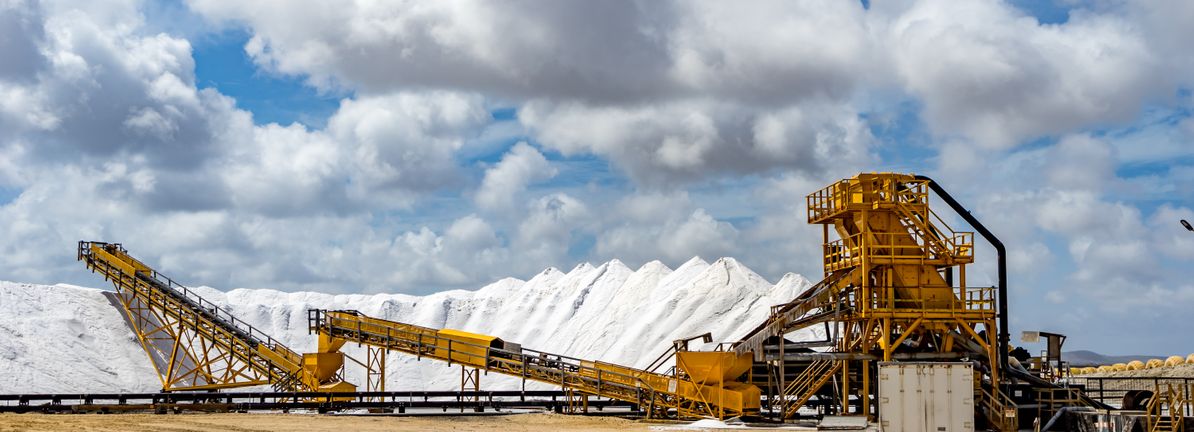
The United States is positioning itself for a significant rare earth element (REE) production expansion by 2030, with profound implications for cross-border e-commerce sellers in electronics, renewable energy components, and defense-adjacent categories. Currently, the U.S. imports approximately 80% of its rare earth elements while China controls 70% of global processing capacity—a geopolitical vulnerability that directly impacts supply chain costs and tariff exposure for sellers sourcing components from Asia. The Department of Energy and Department of Defense have identified rare earths as critical materials requiring domestic sourcing strategies, signaling government-backed incentives and potential tariff protections for domestically-sourced products.
Supply Chain Arbitrage Opportunity: Sellers currently sourcing electronics components (smartphones, laptops, renewable energy equipment) from China face embedded rare earth costs that reflect China's processing monopoly. As U.S. domestic production scales through new mining operations in Texas, California, and Wyoming, alternative sourcing corridors will emerge. Market analysts project even optimistic scenarios would reduce U.S. import dependency to 40-50% by 2030, creating a 30-40% tariff cost differential window for sellers who pivot to domestically-sourced components before competitors recognize the shift. This represents a 12-18 month first-mover advantage for electronics sellers to lock in lower-cost U.S. suppliers before tariff arbitrage becomes mainstream.
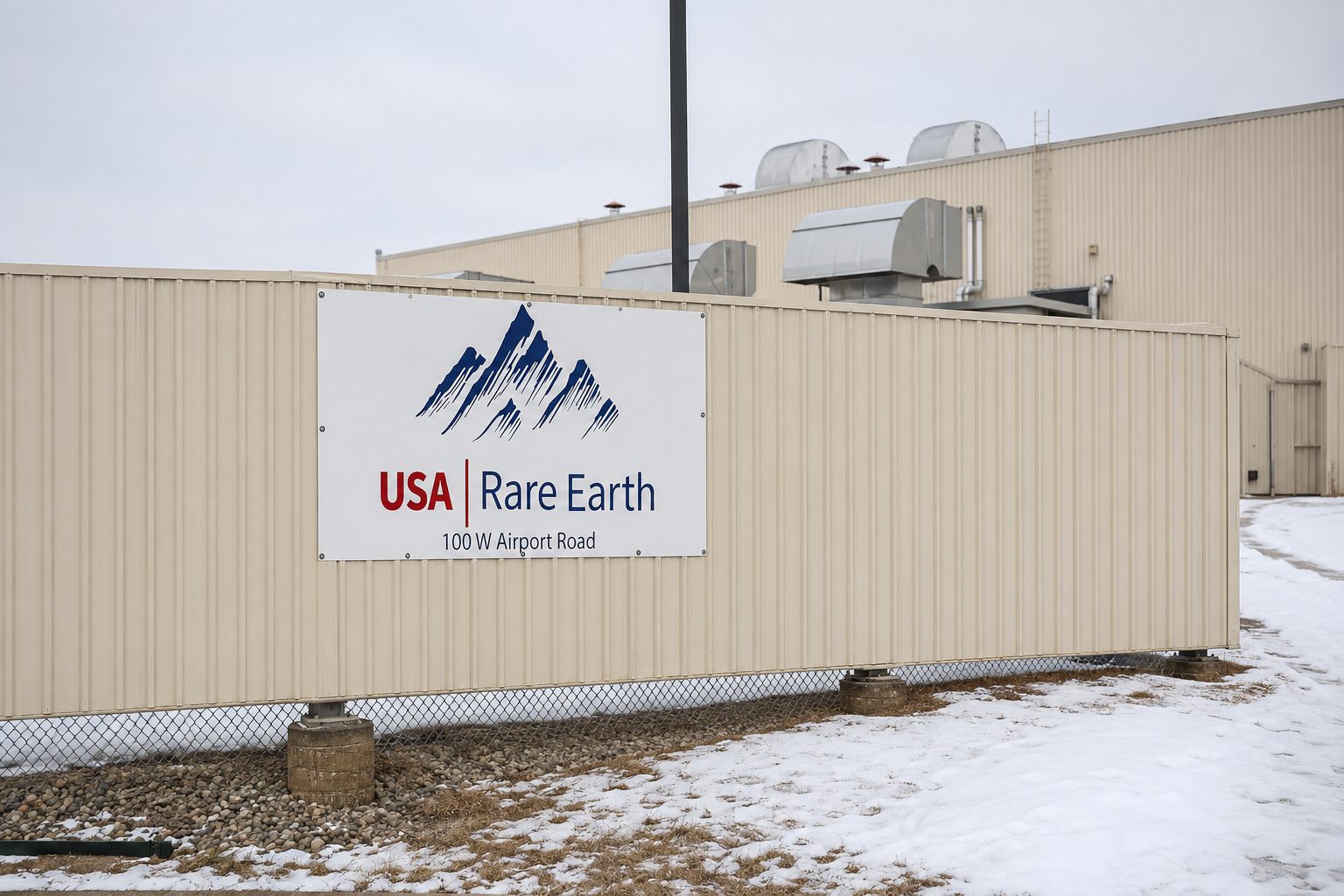
Implementation Timeline and Barriers: The critical constraint is environmental permitting (5-10 years) and capital requirements exceeding $500 million per facility, meaning meaningful domestic production won't materialize until 2027-2028 at earliest. However, government agencies are actively streamlining permitting processes, and workforce development initiatives are underway. Sellers should monitor Department of Energy announcements for facility approvals in Texas, California, and Wyoming—each approval signals 18-24 months until production capacity reaches commercial scale. The skilled workforce shortage in specialized processing sectors creates a 2-3 year lag between facility construction and full operational capacity.
Competitive Positioning: Large electronics sellers (Amazon FBA, Shopify merchants with 1000+ monthly units) should begin supplier diversification now, identifying U.S.-based rare earth processors and component manufacturers. Mid-market sellers (100-500 monthly units) can leverage this transition by positioning products as "U.S.-sourced" or "China-independent," capturing premium pricing from consumers concerned about supply chain resilience. Small sellers should monitor category-specific tariff announcements—defense-adjacent electronics and renewable energy components will likely receive preferential tariff treatment, creating margin expansion opportunities for niche sellers in those categories.
Questions 7
Which seller segments (small, medium, large) will gain the most competitive advantage from this supply chain shift?
Large electronics sellers (1000+ monthly units) with established supplier networks can negotiate preferential pricing with emerging U.S. rare earth processors, gaining 12-18% cost advantages over competitors. Mid-market sellers (100-500 monthly units) can differentiate through 'U.S.-sourced' or 'supply-chain-resilient' positioning, capturing 8-15% premium pricing from consumers concerned about geopolitical risks. Small sellers (under 100 monthly units) face higher per-unit sourcing costs from U.S. suppliers due to minimum order quantities, but can compete by focusing on niche categories (defense-adjacent electronics, premium renewable energy components) where tariff protections and government procurement incentives offset higher costs. Sellers with existing relationships in Texas, California, or Wyoming have geographic advantages for establishing early supplier partnerships. The 2-3 year window before commercial production scales (2025-2027) is critical for all segments to establish supplier relationships and secure preferential pricing before tariff arbitrage becomes industry standard.
What tariff advantages could emerge for sellers sourcing from U.S. rare earth suppliers versus China?
As U.S. domestic production scales, tariff differentials between U.S.-sourced and China-sourced rare earth components could reach 12-18% by 2028-2030, creating significant margin expansion for early movers. The Department of Defense and Department of Energy's identification of rare earths as critical materials suggests government-backed tariff protections for domestically-sourced products, potentially including preferential tariff rates or exemptions for defense-adjacent electronics. Sellers in renewable energy components may benefit from additional tariff incentives aligned with clean energy policy objectives. However, even optimistic scenarios project U.S. import dependency will only reduce to 40-50% by 2030, meaning China will remain a significant supplier. Sellers should plan for a hybrid sourcing strategy: 30-40% U.S.-sourced components for premium product lines and tariff-protected categories, with 60-70% continuing from China for cost-sensitive categories where tariff advantages don't justify sourcing complexity.