



Rebel Creamery Bankruptcy | $23.8M Trade Dress Judgment Reshapes Frozen Dessert Retail Strategy
- Packaging design infringement case signals critical IP risk for food brands; creates retail shelf space opportunities and supplier consolidation in $13B frozen dessert category


Overview
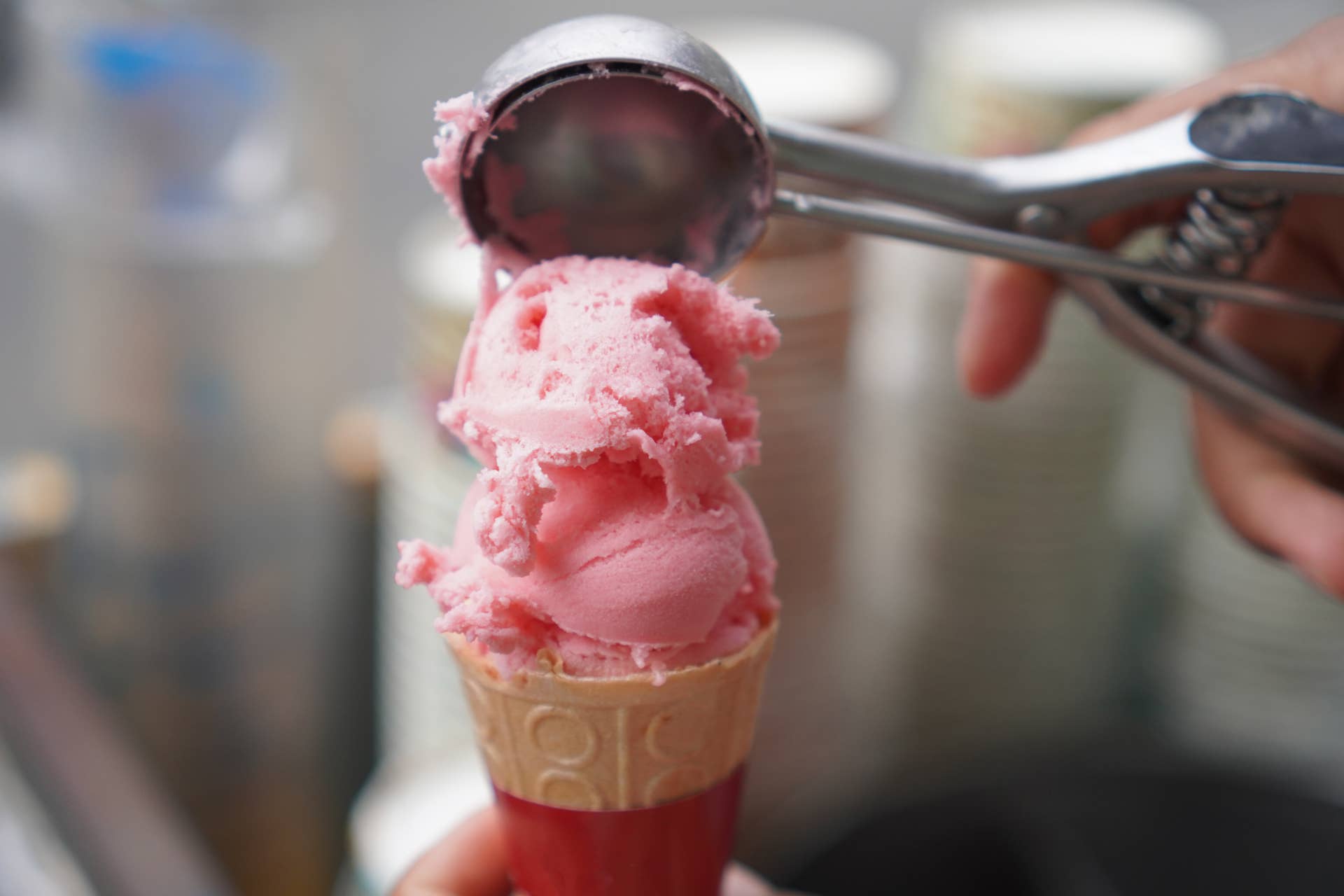
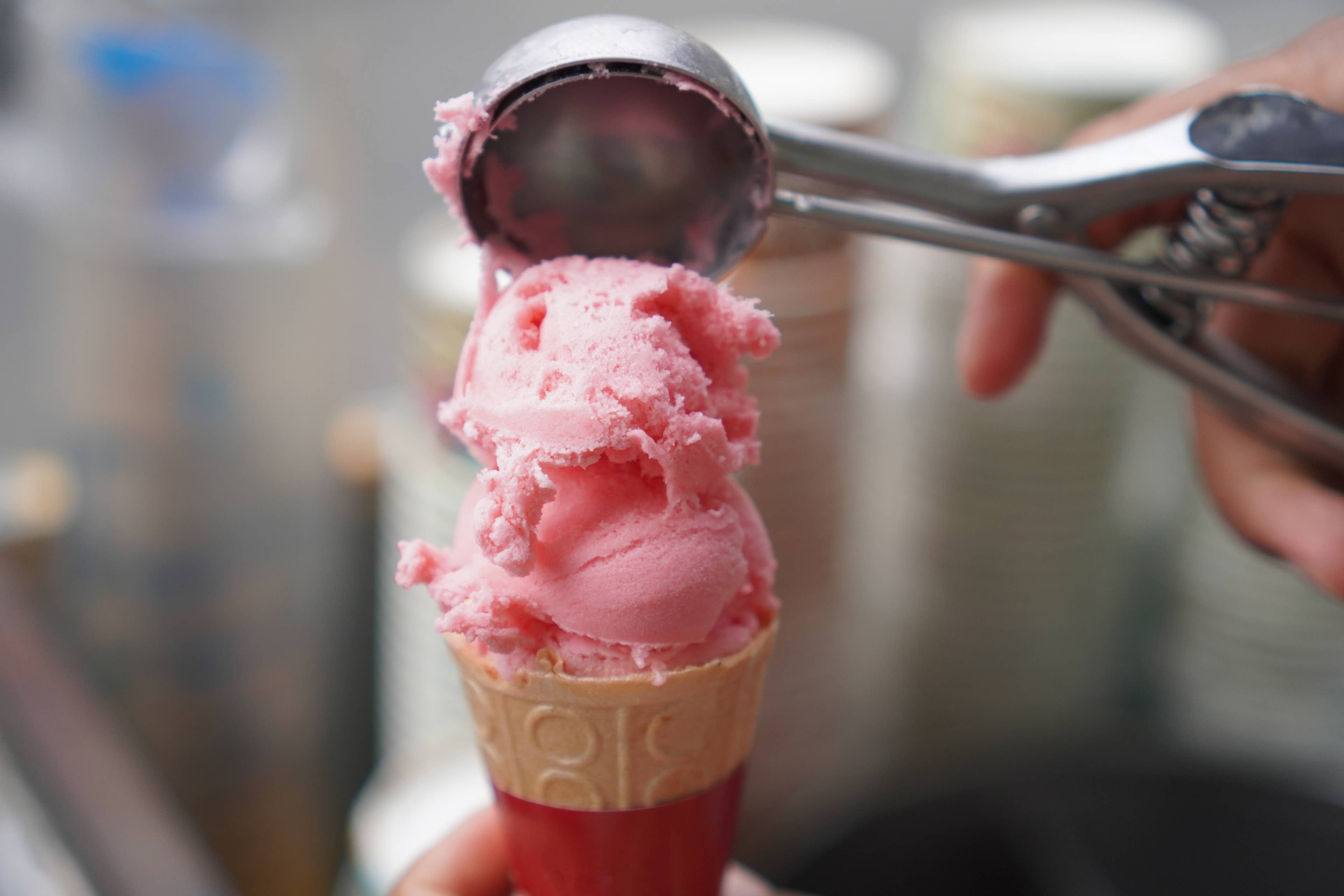
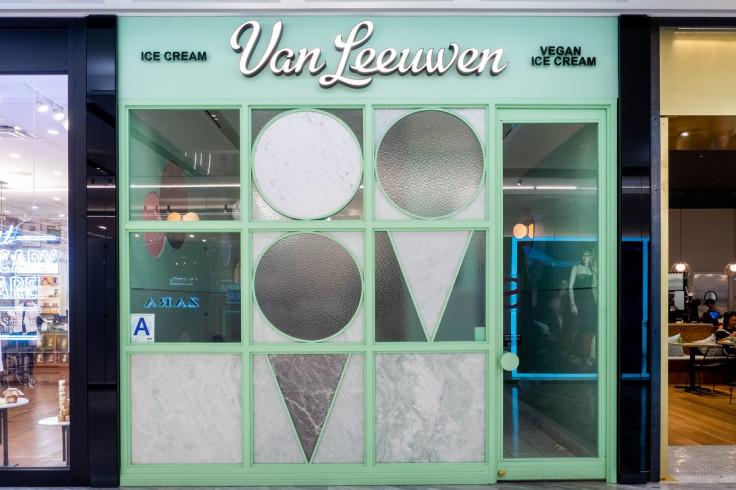
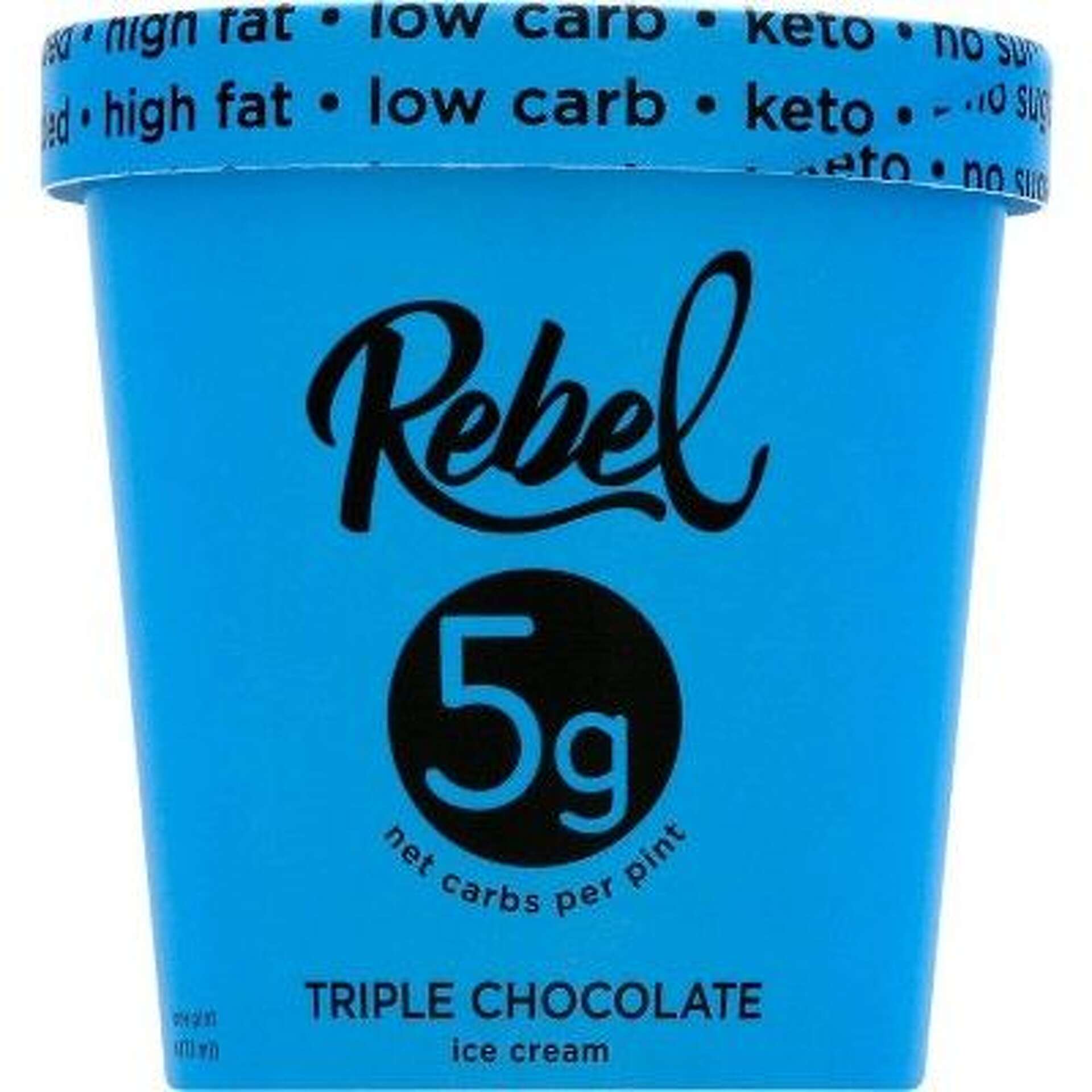
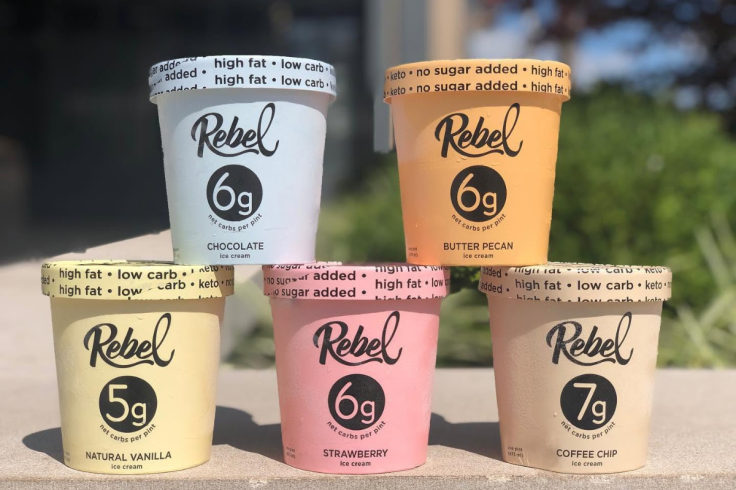
Rebel Creamery's Chapter 11 bankruptcy filing on August 14, 2026, following a $23.785 million trade dress infringement judgment, represents a watershed moment for food and beverage sellers navigating retail distribution. The Utah-based low-carb ice cream manufacturer—distributed through Walmart, Kroger, Target, and Safeway—was ordered by U.S. District Judge Eric Komitee to pay Van Leeuwen Ice Cream after the court found Rebel deliberately copied Van Leeuwen's distinctive packaging: monochromatic cardboard pints with matching lids, pastel color palettes, black script lettering, and minimalist design. The judgment, reduced from Van Leeuwen's initial $36.4 million claim, demonstrates courts now recognize packaging design as a protectable trade dress element—not just logos or product names.
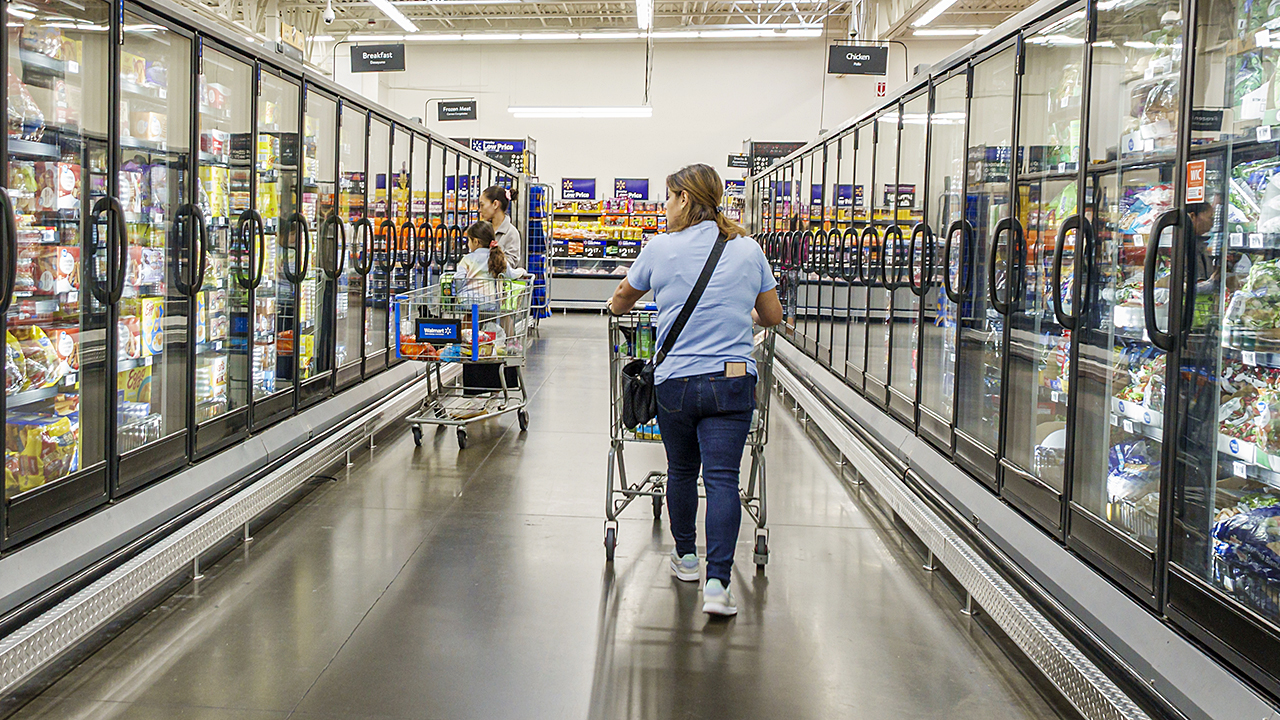
For cross-border food sellers and CPG brands, this case establishes three critical operational risks. First, packaging design now carries IP liability equivalent to trademark infringement, with damages potentially reaching 30-50% of annual revenue for mid-sized brands. Rebel reported $13.78 million in assets against $23.85 million in liabilities, meaning the judgment alone consumed 99% of unsecured liabilities. Second, the bankruptcy filing automatically stayed all litigation during Chapter 11 restructuring, but Rebel must still redesign its entire product line—a 6-12 month process costing $500K-$2M for packaging tooling, regulatory approvals, and retail relabeling across 3+ major chains. Third, the case reveals retail consolidation risk: Walmart, Kroger, and Target now face supply chain disruption for a SKU that generated estimated $8-12M annual retail sales (based on typical frozen dessert category velocity). This creates immediate shelf space opportunities for competing brands.
The operational impact extends beyond Rebel's restructuring. Van Leeuwen's successful trade dress claim—upheld despite Rebel's defense that design similarities were coincidental—sets precedent that food brands must maintain documented design processes and avoid visual similarity to established competitors, even in packaging elements like color palettes and typography. The court's finding that "store employees mixed up the brands during shelving and pricing" demonstrates consumer confusion is now a measurable liability. For sellers, this means: (1) invest $15K-$50K in professional packaging design with documented IP clearance; (2) conduct visual similarity audits against top 5 competitors in your category before launch; (3) maintain design iteration records showing independent development; (4) budget 4-8 weeks for trademark/trade dress searches before retail submission. The frozen dessert category, valued at $13B+ in US retail, is now experiencing margin compression as brands absorb redesign costs—creating opportunities for private label suppliers and emerging brands with differentiated positioning.
Questions 7
What consumer behavior shifts does the Rebel case reveal about frozen dessert preferences?
The court reduced Van Leeuwen's damages claim by $12.615 million (one-third), recognizing that some of Rebel's sales were driven by demand for keto and health-focused ice cream rather than packaging alone. This indicates the low-carb/keto ice cream segment is experiencing strong consumer demand independent of brand packaging. The frozen dessert category is valued at $13B+ in US retail, with low-carb/keto products growing 12-18% annually. For sellers, this reveals: (1) health-conscious positioning is a primary purchase driver, not packaging design; (2) consumers actively seek low-carb alternatives and will switch brands for functional benefits; (3) retail shelf space for keto ice cream is expanding as demand grows. Sellers should prioritize product differentiation (functional benefits, taste, nutrition) over packaging design as the primary competitive advantage. The category supports multiple competitors with similar packaging aesthetics—the key is functional positioning and retail distribution.
How does Rebel's bankruptcy impact supplier relationships with major retailers?
Rebel's Chapter 11 filing automatically stayed all litigation, including the $23.8M Van Leeuwen judgment, but the company must still complete packaging redesign to resume retail distribution. This creates 6-12 month supply uncertainty for Walmart, Kroger, and Target. Retailers typically respond by: (1) reducing shelf space allocation to 50-70% of previous levels during restructuring; (2) testing 2-3 alternative suppliers to reduce single-source risk; (3) accelerating private label development in the low-carb ice cream segment. For sellers, this signals that major retailers are actively seeking replacement suppliers. Approach with: (1) existing retail distribution or references; (2) capacity to fulfill 500K-2M unit annual orders; (3) 30-60 day lead times; (4) willingness to accept slotting fees ($5K-$25K per retailer). The bankruptcy also demonstrates that even established brands with $13.78M in assets face existential risk from IP litigation—emphasizing the importance of design clearance before retail launch.